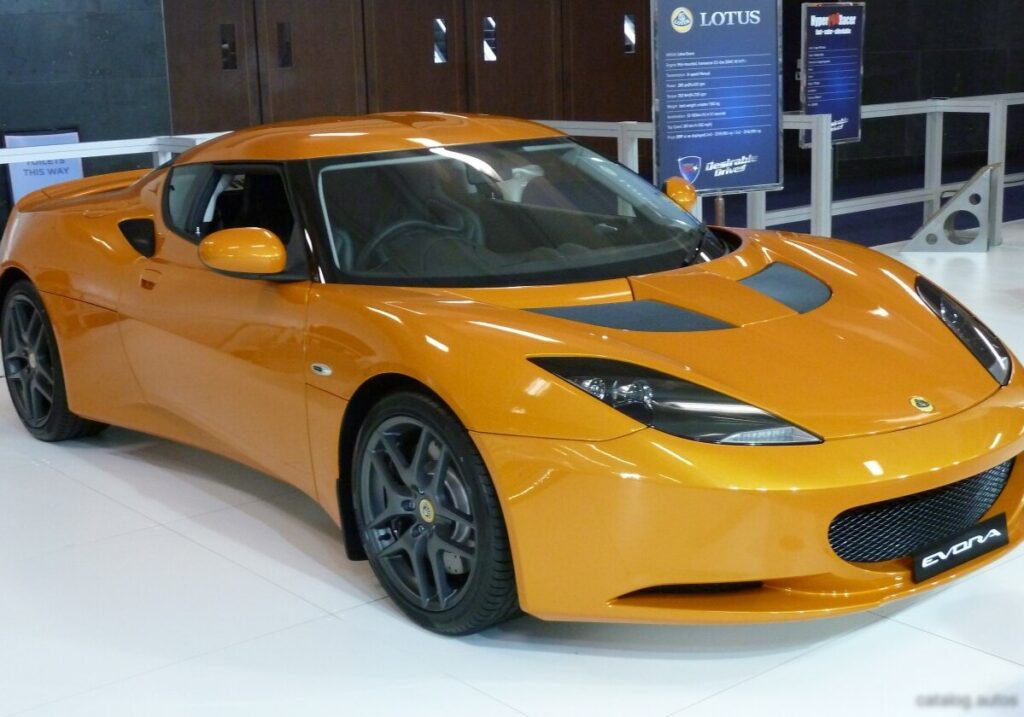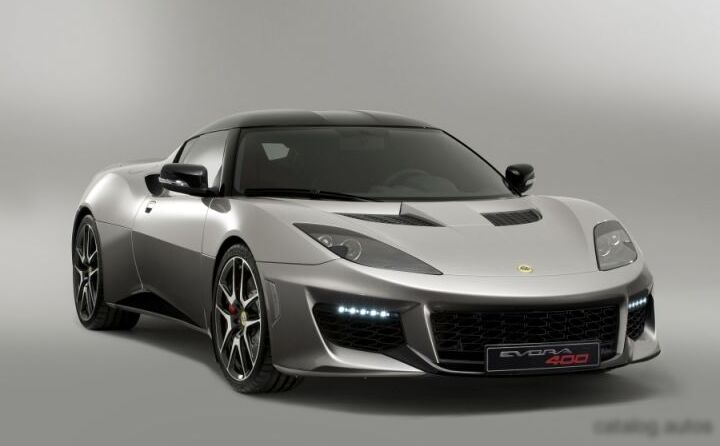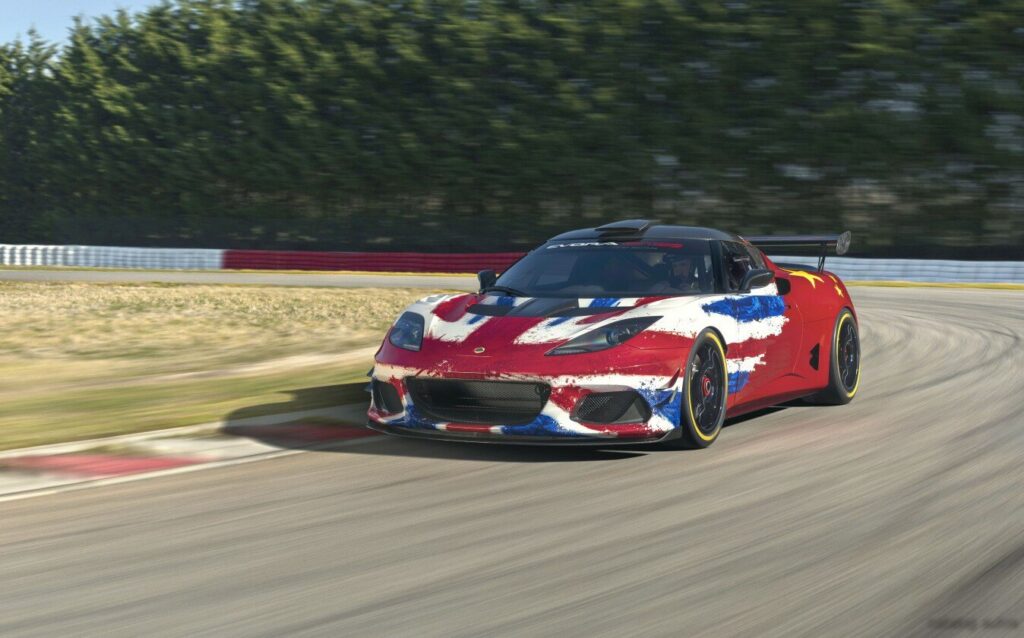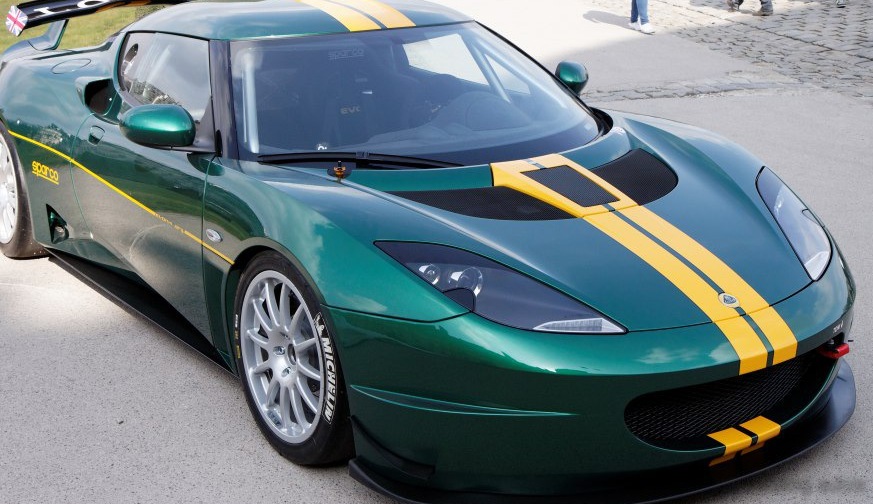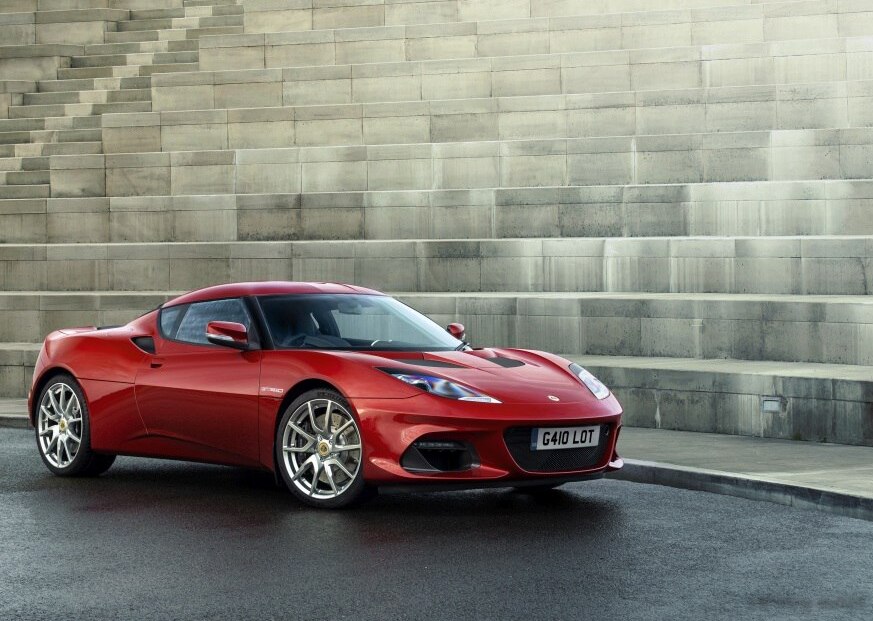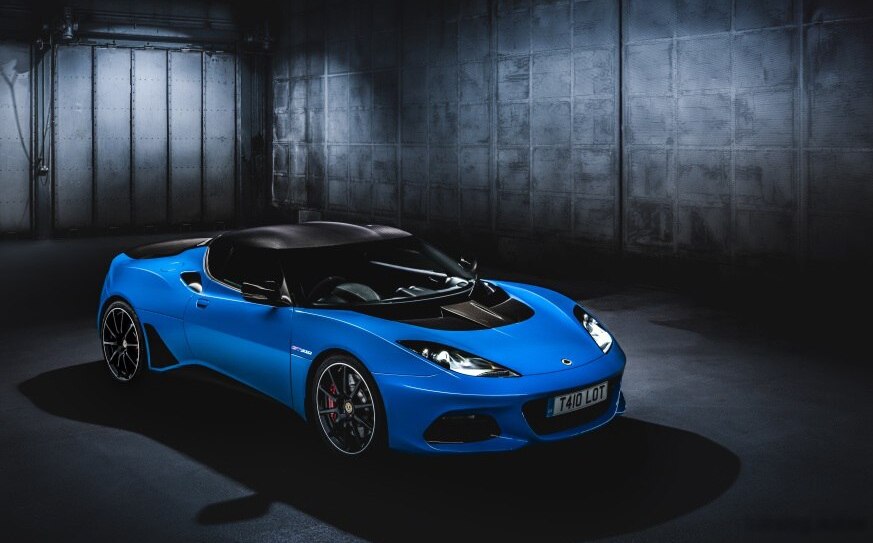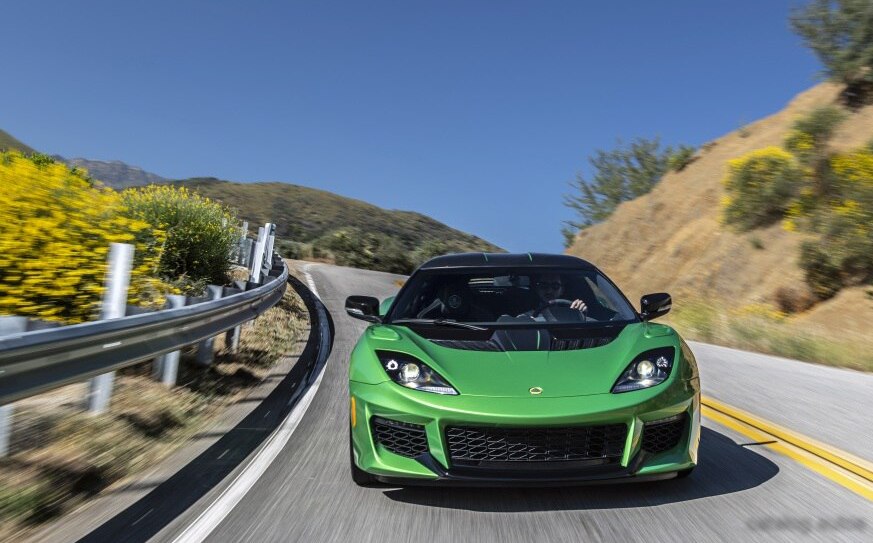
The Lotus Evora GT, specifically the North American variant equipped with the 3.5-liter supercharged V6 engine producing 416 horsepower, represents the culmination of the first-generation Evora platform. Introduced for the 2019 model year, it served as the flagship performance model for the Evora range in the US and Canada, offering a significant step up in power and handling compared to earlier iterations. The Evora GT aimed to deliver a more focused, track-capable experience while retaining the daily usability that characterized the Evora line. It was built upon the Lotus Versatile Vehicle Architecture (LVVA), a platform designed for flexibility and relatively lightweight construction, a hallmark of the Lotus brand.
Technical Specifications
| Brand | Lotus |
| Model | Evora |
| Generation | Evora GT (North America) |
| Type (Engine) | 3.5 V6 (416 Hp) |
| Start of production | 2019 |
| Powertrain Architecture | Internal Combustion engine |
| Body type | Coupe |
| Seats | 4 |
| Doors | 2 |
| Fuel consumption (economy) – urban | 13.9 l/100 km (16.9 US mpg) |
| Fuel consumption (economy) – extra urban | 9 l/100 km (26.1 US mpg) |
| Fuel consumption (economy) – combined | 11.7 l/100 km (20.1 US mpg) |
| CO2 emissions | 274 g/km |
| Fuel Type | Petrol (Gasoline) |
| Acceleration 0 – 100 km/h | 3.8 sec |
| Acceleration 0 – 62 mph | 3.8 sec |
| Acceleration 0 – 60 mph | 3.8 sec |
| Maximum speed | 303 km/h (188.28 mph) |
| Weight-to-power ratio | 3.4 kg/Hp, 295.5 Hp/tonne |
| Weight-to-torque ratio | 3.3 kg/Nm, 305.4 Nm/tonne |
| Power | 416 Hp @ 7000 rpm |
| Power per litre | 120.4 Hp/l |
| Torque | 430 Nm (317.15 lb.-ft.) |
| Engine layout | Middle, Transverse |
| Engine displacement | 3456 cm3 (210.9 cu. in.) |
| Number of cylinders | 6 |
| Engine configuration | V-engine |
| Number of valves per cylinder | 4 |
| Engine aspiration | Supercharger, Intercooler |
| Kerb Weight | 1408 kg (3104.11 lbs.) |
| Fuel tank capacity | 55 l (14.53 US gal | 12.1 UK gal) |
| Length | 4394 mm (172.99 in.) |
| Width | 1972 mm (77.64 in.) |
| Height | 1223 mm (48.15 in.) |
| Drivetrain Architecture | Rear wheel drive |
| Drive wheel | Rear wheel drive |
| Number of gears and type of gearbox | 6 gears, manual transmission |
| Front suspension | Double wishbone |
| Rear suspension | Double wishbone |
| Front brakes | Ventilated discs, 370 mm |
| Rear brakes | Ventilated discs, 350 mm |
| Assisting systems | ABS (Anti-lock braking system) |
| Steering type | Steering rack and pinion |
| Power steering | Hydraulic Steering |
| Front wheel tires | 245/35 R19 |
| Rear wheel tires | 295/30 R20 |
| Front wheel rims | 8.0J x 19 |
| Rear wheel rims | 10.5J x 20 |
Powertrain & Engine Architecture
The heart of the Evora GT is the 3.5-liter supercharged V6 engine, designated as the 416 bhp variant. This engine builds upon the Toyota-derived 2GR-FE V6, extensively modified by Lotus. The key upgrade is the addition of an Edelbrock E-Force supercharger, along with a revised intercooler system and upgraded fuel injectors. The engine utilizes a cast aluminum block and cylinder heads, featuring four valves per cylinder and double overhead camshafts. Fuel delivery is managed by direct injection, contributing to both power and efficiency. The engine’s output of 416 horsepower at 7000 rpm and 430 Nm (317 lb-ft) of torque provides a substantial performance boost over earlier Evora models. The engine is transversely mounted in the rear-midship position, contributing to excellent balance. The standard transmission is a six-speed manual, optimized for quick shifts and direct driver engagement.
Driving Characteristics
The Evora GT’s driving experience is defined by its exceptional handling and responsive performance. The rear-mid-engine layout, combined with a relatively lightweight construction (around 3100 lbs), results in a car that feels agile and balanced. The supercharger delivers instant throttle response, providing strong acceleration throughout the rev range. The six-speed manual transmission offers precise shifts, allowing drivers to fully exploit the engine’s power. While the suspension is firm, it’s well-damped, providing a comfortable ride on most road surfaces. Compared to earlier Evora models with naturally aspirated engines, the GT offers a significantly more exhilarating driving experience. The manual transmission, while engaging, does require a skilled driver to extract the most performance.
Equipment & Trim Levels
The Evora GT came generously equipped, reflecting its position as the range-topping model. Standard features included leather and Alcantara upholstery, climate control, a premium audio system, and a suite of driver assistance features. The interior design focused on a driver-centric layout, with supportive sport seats and a well-placed steering wheel. Optional extras included a panoramic glass roof, upgraded audio systems, and various cosmetic enhancements. The GT trim also featured unique exterior styling cues, such as a revised front splitter, rear diffuser, and side skirts, designed to enhance aerodynamic performance.
Chassis & Braking
The Evora GT utilizes a lightweight aluminum chassis, providing a strong and rigid foundation for the suspension. The suspension system consists of double wishbones at all four corners, with adjustable dampers and springs. This setup allows for precise tuning of the suspension to optimize handling characteristics. The braking system features ventilated discs at all four wheels, with high-performance calipers. ABS (Anti-lock Braking System) is standard. The car’s relatively low weight and powerful brakes provide excellent stopping power.
Market Reception & Comparison
The Evora GT was generally well-received by automotive critics, who praised its exceptional handling, powerful engine, and engaging driving experience. However, some reviewers noted the relatively high price tag and the somewhat cramped interior. Compared to other sports cars in its price range, such as the Porsche 911, the Evora GT offered a more raw and visceral driving experience, but lacked the refinement and practicality of its German competitor. Fuel economy, at around 20 mpg combined, was typical for a high-performance sports car. Reliability was generally good, although maintenance costs could be higher than for more mainstream vehicles.
Legacy
The Lotus Evora GT represents a significant milestone in the Evora’s development. It showcased Lotus’s engineering expertise and commitment to delivering a pure driving experience. While production numbers were relatively limited, the Evora GT has become a sought-after model among Lotus enthusiasts. On the used car market, well-maintained examples command a premium price. The 3.5-liter supercharged V6 engine has proven to be a reliable and durable powertrain, provided it receives regular maintenance. The Evora GT’s legacy lies in its ability to deliver a thrilling and engaging driving experience that few other cars can match.