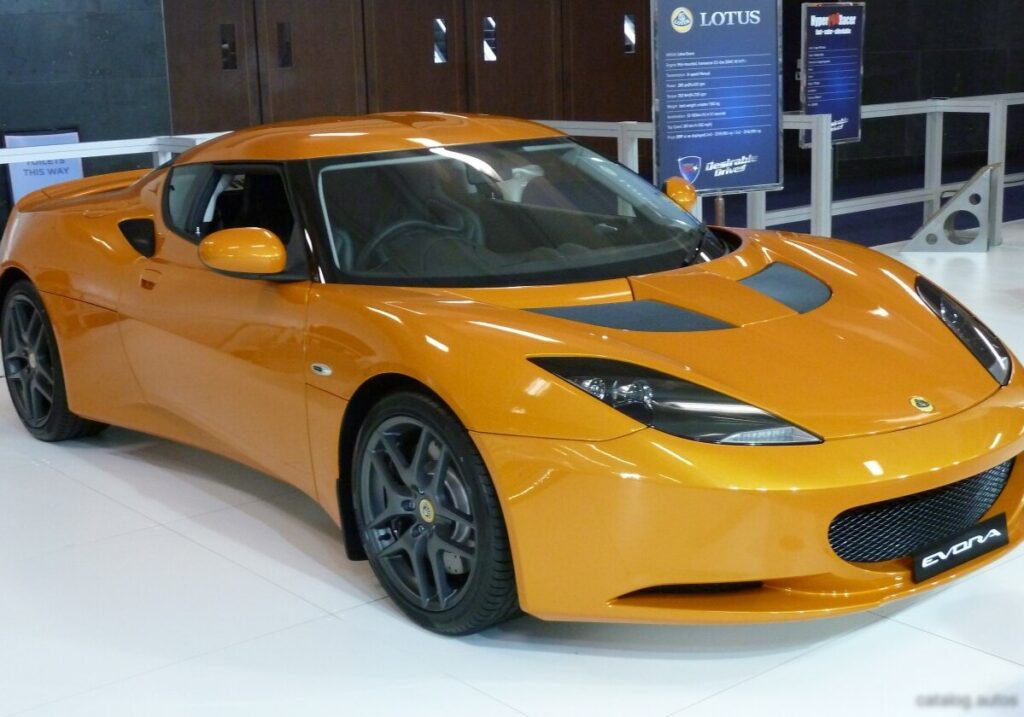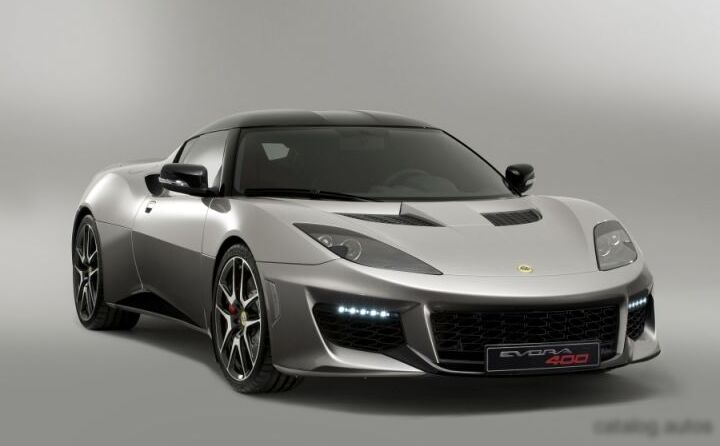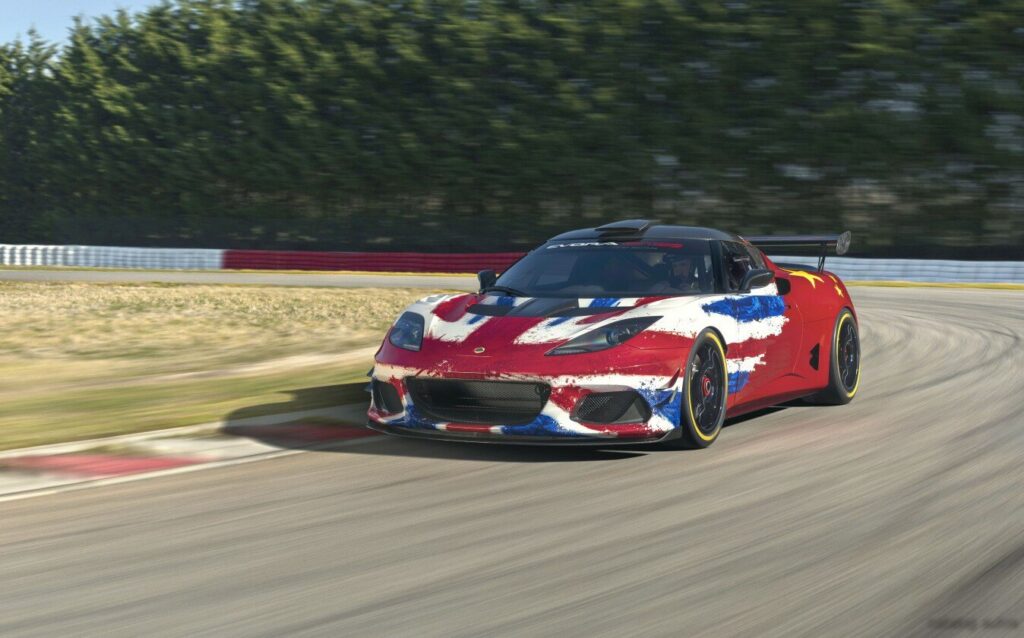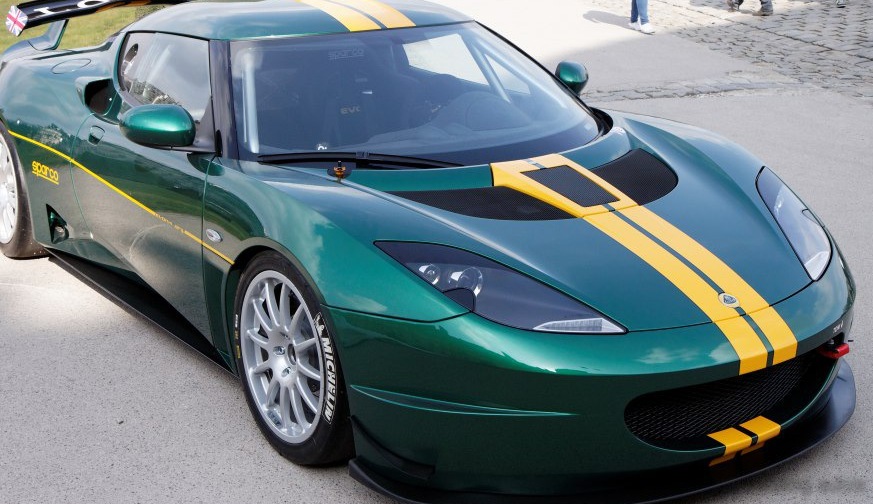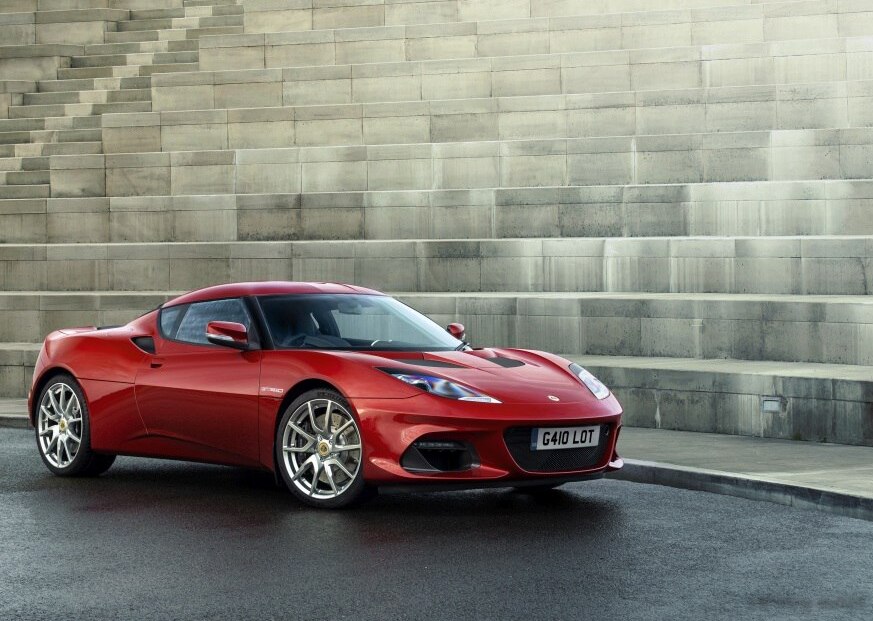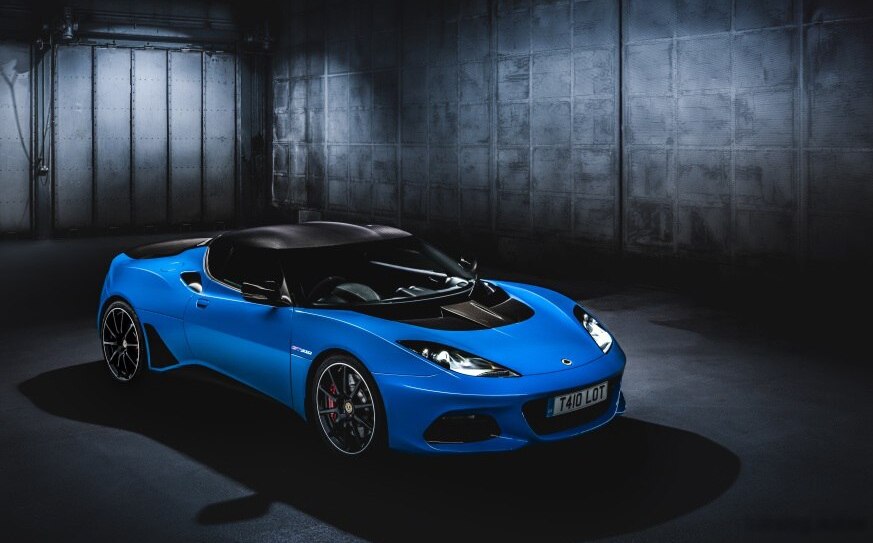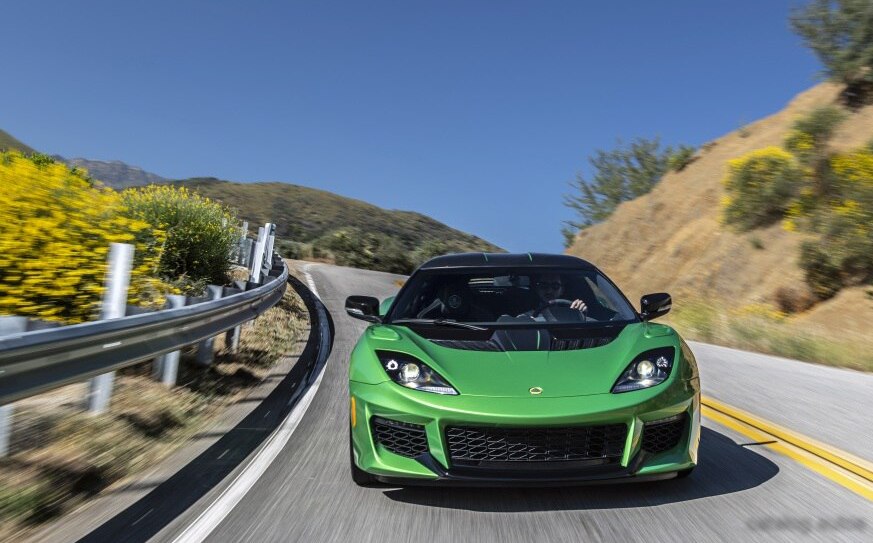
The Lotus Evora GT, specifically the North American market variant equipped with the 3.5-liter V6 engine producing 416 horsepower and paired with a six-speed automatic transmission, represents the culmination of the first-generation Evora’s development. Introduced for the 2019 model year, it served as the flagship performance model for the Evora range in the US and Canada, offering a blend of British sports car handling with increased power and a more accessible transmission option than the standard six-speed manual. The Evora GT was built upon the Lotus Versatile Vehicle Architecture (LVVA), also known internally as the 2-Eleven chassis, which prioritized lightweight construction and a mid-engine layout. This variant aimed to broaden the Evora’s appeal to drivers seeking a high-performance sports car without the learning curve of a manual gearbox.
Technical Specifications
| Brand | Lotus |
| Model | Evora |
| Generation | Evora GT (North America) |
| Type (Engine) | 3.5 V6 (416 Hp) Automatic |
| Start of production | 2019 |
| Powertrain Architecture | Internal Combustion engine |
| Body type | Coupe |
| Seats | 4 |
| Doors | 2 |
| Fuel consumption (economy) – urban | 13.5 l/100 km (17.4 US mpg, 20.9 UK mpg, 7.4 km/l) |
| Fuel consumption (economy) – extra urban | 9.8 l/100 km (24 US mpg, 28.8 UK mpg, 10.2 km/l) |
| Fuel consumption (economy) – combined | 11.7 l/100 km (20.1 US mpg, 24.1 UK mpg, 8.5 km/l) |
| CO2 emissions | 273 g/km |
| Fuel Type | Petrol (Gasoline) |
| Acceleration 0 – 100 km/h | 3.8 sec |
| Acceleration 0 – 62 mph | 3.8 sec |
| Acceleration 0 – 60 mph | 3.8 sec |
| Maximum speed | 280 km/h (173.98 mph) |
| Weight-to-power ratio | 3.4 kg/Hp, 295.5 Hp/tonne |
| Weight-to-torque ratio | 3.1 kg/Nm, 319.6 Nm/tonne |
| Power | 416 Hp @ 7000 rpm |
| Power per litre | 120.4 Hp/l |
| Torque | 450 Nm (331.9 lb.-ft.) |
| Engine layout | Middle, Transverse |
| Engine displacement | 3456 cm3 (210.9 cu. in.) |
| Number of cylinders | 6 |
| Engine configuration | V-engine |
| Number of valves per cylinder | 4 |
| Engine aspiration | Supercharger, Intercooler |
| Kerb Weight | 1408 kg (3104.11 lbs.) |
| Fuel tank capacity | 55 l (14.53 US gal | 12.1 UK gal) |
| Length | 4394 mm (172.99 in.) |
| Width | 1972 mm (77.64 in.) |
| Height | 1223 mm (48.15 in.) |
| Drivetrain Architecture | Rear wheel drive |
| Drive wheel | Rear wheel drive |
| Number of gears and type of gearbox | 6 gears, automatic transmission |
| Front suspension | Double wishbone |
| Rear suspension | Double wishbone |
| Front brakes | Ventilated discs, 370 mm |
| Rear brakes | Ventilated discs, 350 mm |
| Assisting systems | ABS (Anti-lock braking system) |
| Steering type | Steering rack and pinion |
| Power steering | Hydraulic Steering |
| Front wheel tires | 245/35 R19 |
| Rear wheel tires | 295/30 R20 |
| Front wheel rims | 8.0J x 19 |
| Rear wheel rims | 10.5J x 20 |
Powertrain & Engine Architecture
The heart of the Evora GT is the Lotus-Toyota 2GR-FE 3.5-liter V6 engine. This engine, originally developed by Toyota, was extensively modified by Lotus engineers. The key upgrade for the GT model was the addition of an Edelbrock E-Force supercharger, boosting power output to 416 horsepower and 450 Nm (331.9 lb.-ft.) of torque. The engine features a cast aluminum block, aluminum cylinder heads with four valves per cylinder, and a dual-shaft balancer design for smooth operation. Fuel delivery is handled by electronic fuel injection, and the supercharger incorporates an intercooler to manage intake air temperatures. The six-speed automatic transmission, sourced from Aisin, was specifically calibrated for the increased power output and provided smoother shifts compared to earlier Evora automatic transmissions. While not a dual-clutch transmission, it offered a reasonable level of responsiveness for everyday driving and spirited performance.
Driving Characteristics
The Evora GT Automatic delivers a distinctly different driving experience compared to its manual transmission counterparts and lower-powered Evora variants. The automatic transmission, while offering convenience, does slightly diminish the raw connection felt in the manual versions. However, the supercharged engine provides a substantial surge of power throughout the rev range. Acceleration from 0-60 mph is achieved in approximately 3.8 seconds, making it a genuinely quick sports car. The automatic transmission’s gear ratios are tuned for a balance between acceleration and cruising efficiency. The car feels planted and stable at high speeds, thanks to its mid-engine layout and well-tuned suspension. Compared to the Evora S, the GT offers significantly more power, resulting in a more exhilarating driving experience. The automatic transmission makes the car more accessible to a wider range of drivers, particularly those who prefer not to deal with a clutch pedal in traffic.
Equipment & Trim Levels
The Evora GT came standard with a comprehensive list of features, including leather upholstery, air conditioning, a premium audio system, and a suite of safety equipment. Standard interior features included sport seats, a leather-wrapped steering wheel, and aluminum pedals. Optional extras included upgraded audio systems, navigation, and various cosmetic enhancements. The GT trim level generally represented a higher level of refinement compared to the base Evora, with more attention paid to interior materials and detailing. The North American market Evora GT was generally well-equipped from the factory, minimizing the need for extensive optioning.
Chassis & Braking
The Evora GT utilizes a lightweight aluminum chassis, a hallmark of Lotus engineering. The suspension consists of double wishbones at both the front and rear, providing excellent handling and ride quality. The braking system features ventilated discs on all four wheels, with 370mm discs at the front and 350mm discs at the rear. ABS (Anti-lock Braking System) is standard. The car’s relatively low weight (1408 kg / 3104.11 lbs) contributes to its agile handling characteristics. The steering is hydraulic, providing precise and communicative feedback to the driver. The Evora GT’s chassis and braking systems were designed to handle the increased power output of the supercharged engine.
Market Reception & Comparison
The Evora GT was generally well-received by automotive critics, who praised its performance, handling, and distinctive styling. The automatic transmission was seen as a welcome addition for drivers who preferred convenience over the engagement of a manual gearbox. However, some critics noted that the automatic transmission didn’t quite match the responsiveness of the manual. Fuel economy, at 11.7 l/100 km (20.1 US mpg), was typical for a high-performance sports car of its class. Compared to the Porsche 911, the Evora GT offered a more raw and visceral driving experience at a lower price point. However, the Porsche offered a more refined interior and a wider range of customization options. The Evora GT also competed with cars like the Audi R8 and the Nissan GT-R, offering a unique blend of British sports car character and modern performance.
Legacy
The Lotus Evora GT represents a significant chapter in the Evora’s history, showcasing the potential of the platform with its supercharged engine and automatic transmission option. While the Evora was eventually replaced by the Emira, the GT remains a desirable model for enthusiasts. The 2GR-FE engine, known for its reliability, is generally considered a robust powertrain. However, as with any high-performance sports car, regular maintenance is crucial. The Evora GT’s relatively low production numbers and unique combination of features have made it a sought-after vehicle in the used car market, particularly among collectors and Lotus enthusiasts. Its blend of performance, handling, and British charm ensures its place as a memorable sports car of the early 21st century.