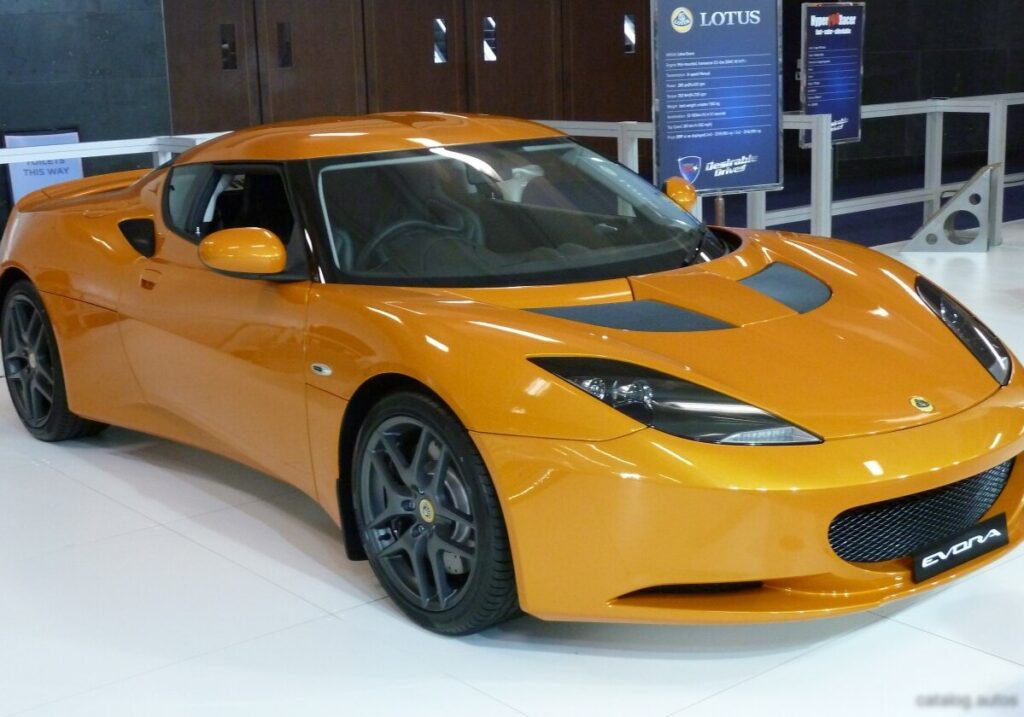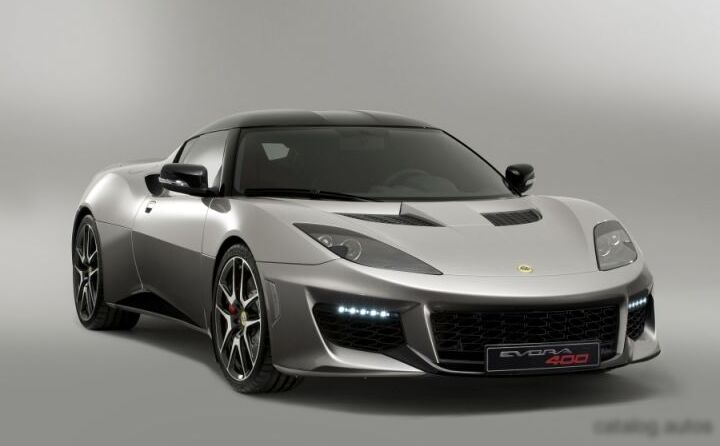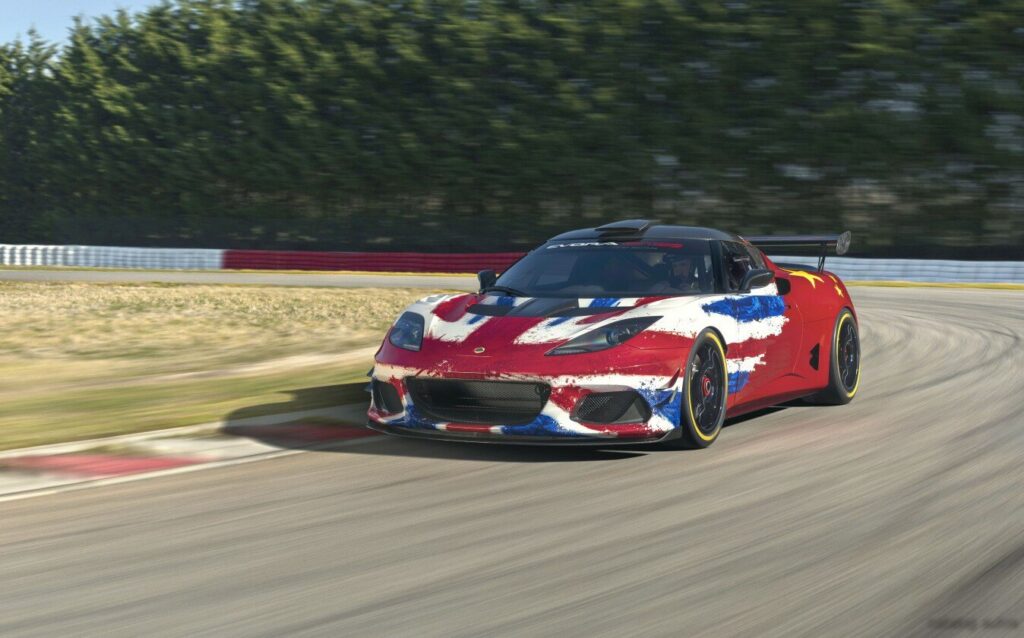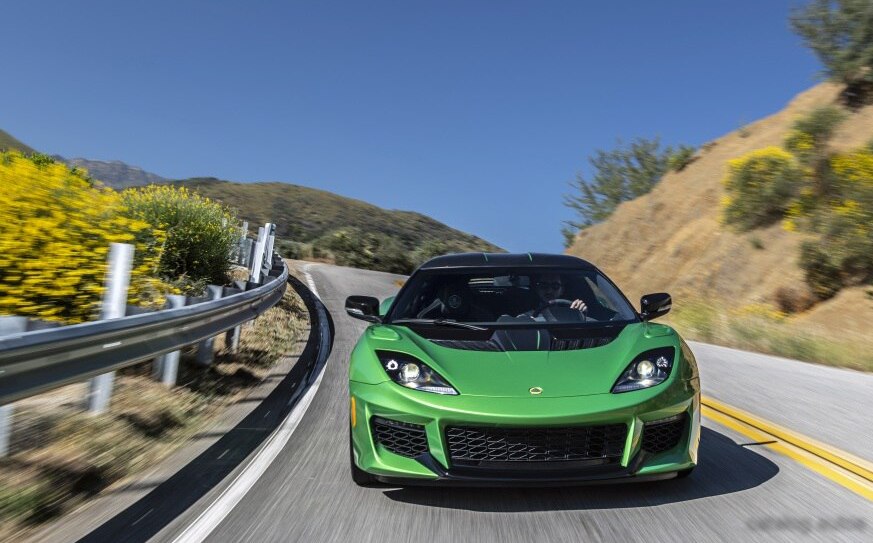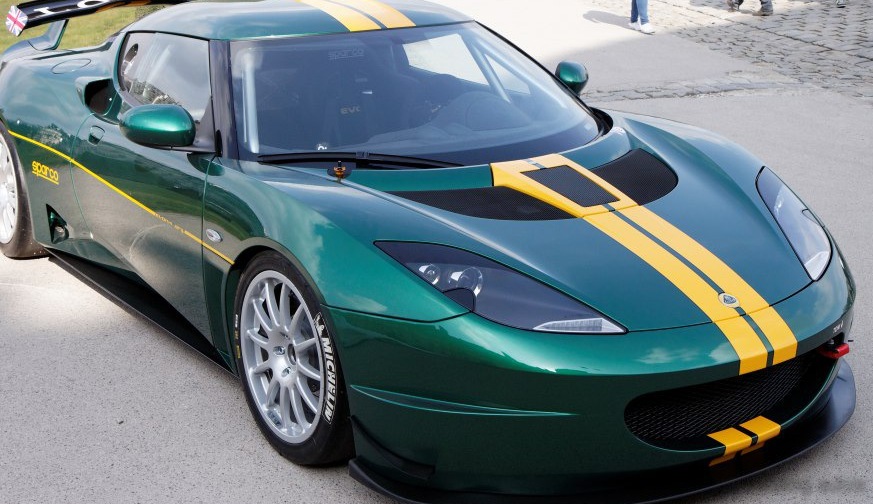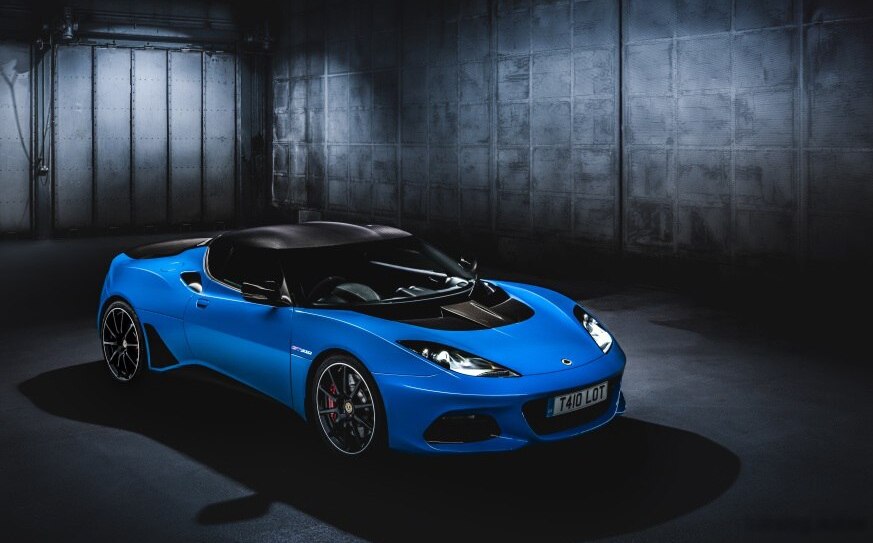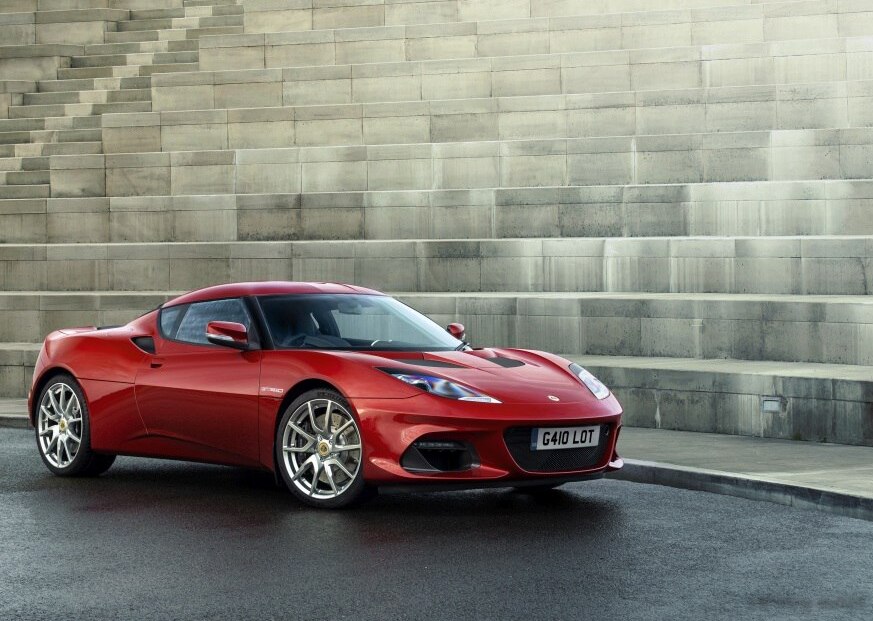
The Lotus Evora GT410, introduced in January 2020, represents a focused, high-performance iteration of the Evora sports car lineage. Positioned as the most extreme road-going version of the Evora at the time of its release, the GT410 was designed to deliver a raw and engaging driving experience, prioritizing weight reduction and aerodynamic efficiency. It builds upon the foundation of the Evora platform (internally designated as the Type 128) which debuted in 2008, offering a significant step up in performance compared to earlier Evora models. The GT410 is a two-seat, two-door coupe intended for the enthusiast driver seeking a pure sports car experience, and was primarily sold in European and Asian markets, with limited availability in North America.
Technical Specifications
| Brand | Lotus |
| Model | Evora |
| Generation | Evora GT410 |
| Type (Engine) | 3.5 V6 (410 Hp) |
| Start of production | January, 2020 |
| Powertrain Architecture | Internal Combustion engine |
| Body type | Coupe |
| Seats | 2 |
| Doors | 2 |
| Fuel consumption at Low speed (WLTP) | 16.7 l/100 km (14.1 US mpg, 16.9 UK mpg, 6 km/l) |
| Fuel consumption at Medium speed (WLTP) | 10.7 l/100 km (22 US mpg, 26.4 UK mpg, 9.3 km/l) |
| Fuel consumption at high speed (WLTP) | 9.1 l/100 km (25.8 US mpg, 31 UK mpg, 11 km/l) |
| Fuel consumption at very high speed (WLTP) | 9.5 l/100 km (24.8 US mpg, 29.7 UK mpg, 10.5 km/l) |
| Combined fuel consumption (WLTP) | 10.6 l/100 km (22.2 US mpg, 26.6 UK mpg, 9.4 km/l) |
| CO2 emissions (WLTP) | 239 g/km |
| Fuel Type | Petrol (Gasoline) |
| Acceleration 0 – 100 km/h | 4.2 sec |
| Acceleration 0 – 62 mph | 4.2 sec |
| Acceleration 0 – 60 mph | 4 sec |
| Maximum speed | 298 km/h (185.17 mph) |
| Weight-to-power ratio | 3.3 kg/Hp, 301.2 Hp/tonne |
| Weight-to-torque ratio | 3.3 kg/Nm, 301.2 Nm/tonne |
| Power | 410 Hp @ 7000 rpm |
| Power per litre | 118.6 Hp/l |
| Torque | 410 Nm @ 3000-7000 rpm (302.4 lb.-ft. @ 3000-7000 rpm) |
| Engine Model/Code | 2GR-FE |
| Engine displacement | 3456 cm3 (210.9 cu. in.) |
| Number of cylinders | 6 |
| Engine configuration | V-engine |
| Cylinder Bore | 94 mm (3.7 in.) |
| Piston Stroke | 83 mm (3.27 in.) |
| Compression ratio | 10.8:1 |
| Number of valves per cylinder | 4 |
| Engine aspiration | Supercharger, Intercooler |
| Engine oil capacity | 5.75 l (6.08 US qt | 5.06 UK qt) |
| Coolant | 5.5 l (5.81 US qt | 4.84 UK qt) |
| Kerb Weight | 1361 kg (3000.49 lbs.) |
| Fuel tank capacity | 60 l (15.85 US gal | 13.2 UK gal) |
| Length | 4394 mm (172.99 in.) |
| Width | 1972 mm (77.64 in.) |
| Height | 1223 mm (48.15 in.) |
| Drivetrain Architecture | Rear wheel drive |
| Number of gears and type of gearbox | 6 gears, manual transmission |
| Front brakes | Ventilated discs, 370×32 mm |
| Rear brakes | Ventilated discs, 350×32 mm |
| Assisting systems | ABS (Anti-lock braking system) |
| Steering type | Steering rack and pinion |
| Power steering | Hydraulic Steering |
| Tires size | Front wheel tires: 235/35 R19, Rear wheel tires: 285/35 R20 |
| Wheel rims size | Front wheel rims: 19, Rear wheel rims: 20 |
Powertrain & Engine Architecture
The heart of the Evora GT410 is the Toyota-sourced 2GR-FE 3.5-liter supercharged V6 engine. This engine has been a mainstay in the Evora lineup, but in GT410 guise, it’s tuned to produce 410 horsepower at 7,000 rpm and 410 Nm (302 lb-ft) of torque between 3,000 and 7,000 rpm. The supercharger, an Edelbrock unit, provides instant throttle response and a broad torque curve. Fuel delivery is managed by electronic fuel injection, and the engine features a 10.8:1 compression ratio. The GT410 exclusively utilizes a six-speed manual transmission, a deliberate choice by Lotus to enhance driver engagement. This transmission is known for its precise shift action and robust construction. The engine’s layout is a 60-degree V configuration, contributing to a relatively compact engine bay and favorable weight distribution.
Driving Characteristics
The Evora GT410 delivers a visceral driving experience. The combination of the supercharged V6 and the manual transmission results in rapid acceleration – 0 to 60 mph in around 4 seconds and a top speed of 185 mph. The manual gearbox, with its close ratios, allows the driver to fully exploit the engine’s powerband. Compared to earlier Evora models with automatic transmissions, the GT410 feels significantly more responsive and engaging. The relatively lightweight construction (around 3,000 lbs) further enhances agility and handling. The suspension is tuned for performance, providing a firm but controlled ride. While comfortable enough for road use, the GT410 truly shines on a track, where its balanced chassis and powerful engine can be fully appreciated. The steering is hydraulically assisted, offering excellent feel and precision.
Equipment & Trim Levels
The GT410 was offered with a relatively focused specification, prioritizing performance over luxury. Standard features included lightweight composite body panels, a rear wing for increased downforce, and a minimalist interior. Seats were typically Sparco sport seats upholstered in leather and Alcantara. Air conditioning and a basic audio system were standard, but many luxury features were omitted to save weight. Optional extras included upgraded audio systems, different wheel designs, and various interior trim options. The interior design was functional and driver-focused, with a clear instrument cluster and well-placed controls.
Chassis & Braking
The Evora GT410 utilizes a bonded aluminum chassis, a signature Lotus technology that provides exceptional rigidity and low weight. The suspension features independent double wishbones all around, with Eibach springs and Bilstein dampers. Braking duties are handled by ventilated discs at all four corners, measuring 370mm at the front and 350mm at the rear. An ABS system is standard. The GT410 benefits from a wider track than earlier Evora models, further enhancing stability and handling. The tires, 235/35 R19 at the front and 285/35 R20 at the rear, provide ample grip.
Market Reception & Comparison
The Evora GT410 was generally well-received by automotive critics, who praised its performance, handling, and engaging driving experience. It was often compared favorably to other high-performance sports cars in its price range, such as the Porsche 718 Cayman GT4. While the GT410’s interior was considered somewhat spartan compared to its rivals, its focus on driving purity was seen as a key strength. Fuel economy, while not a primary concern for GT410 buyers, was reasonable for a high-performance sports car, averaging around 22 mpg in combined driving. Reliability was generally good, although maintenance costs could be higher than for more mainstream sports cars due to the specialized nature of the vehicle.
Legacy
The Evora GT410 represents a high point in the Evora’s development, showcasing Lotus’s commitment to building lightweight, driver-focused sports cars. The 2GR-FE engine, while not the most modern powerplant, has proven to be durable and reliable when properly maintained. On the used car market, the GT410 commands a premium over earlier Evora models due to its increased performance and exclusivity. It remains a sought-after vehicle for enthusiasts who appreciate a raw and engaging driving experience, and is considered a modern classic within the Lotus community. The GT410’s influence can be seen in subsequent Lotus models, which continue to prioritize lightweight construction and dynamic handling.