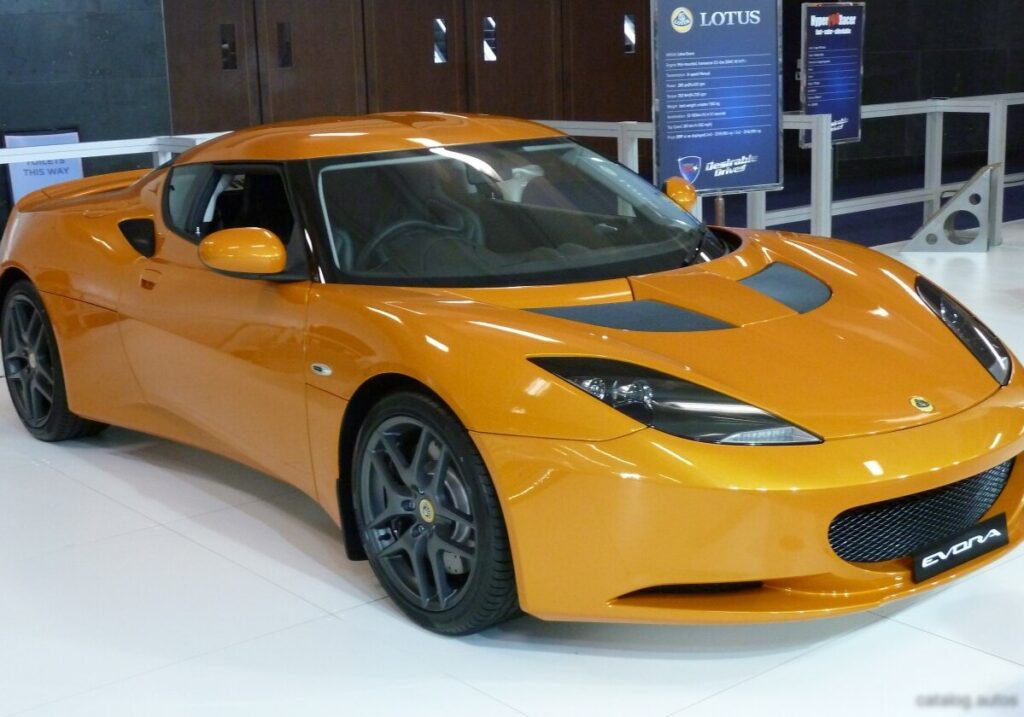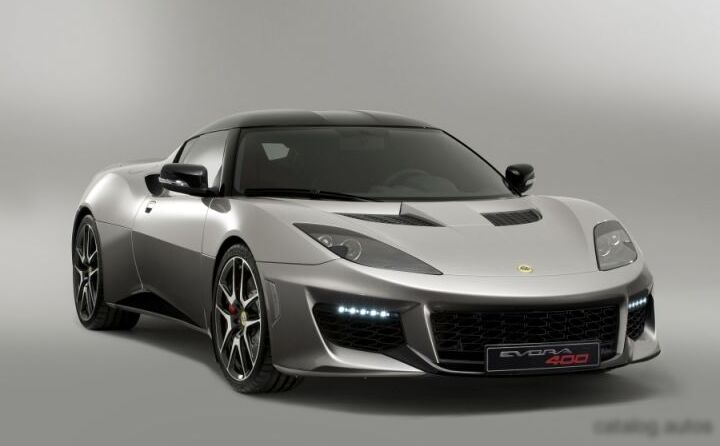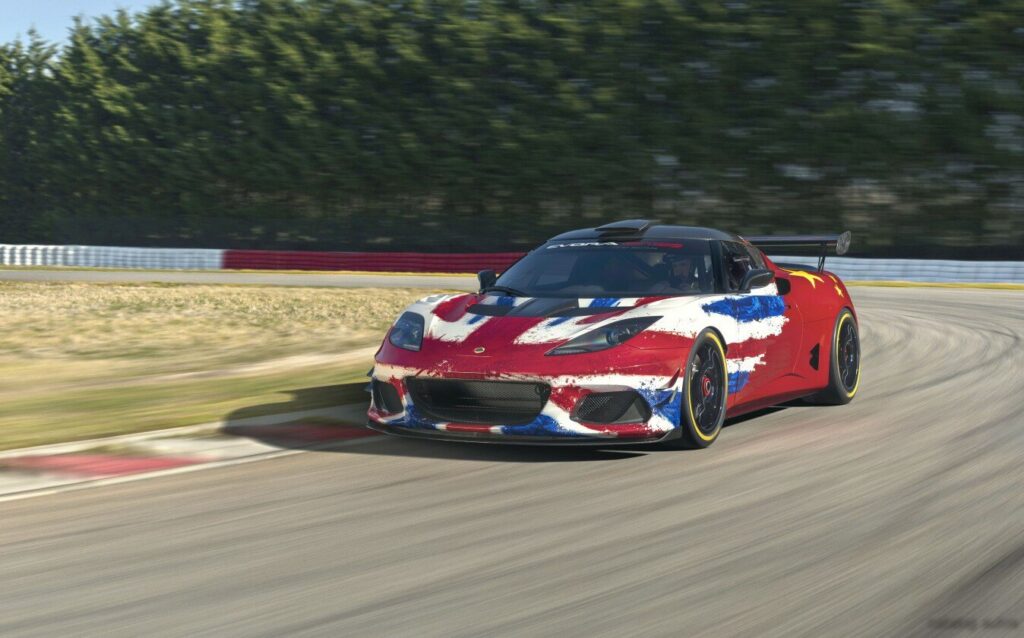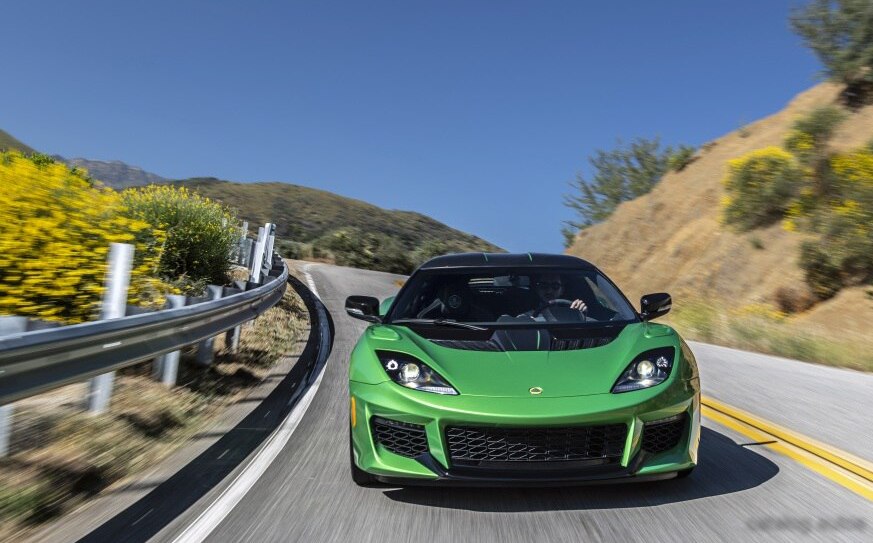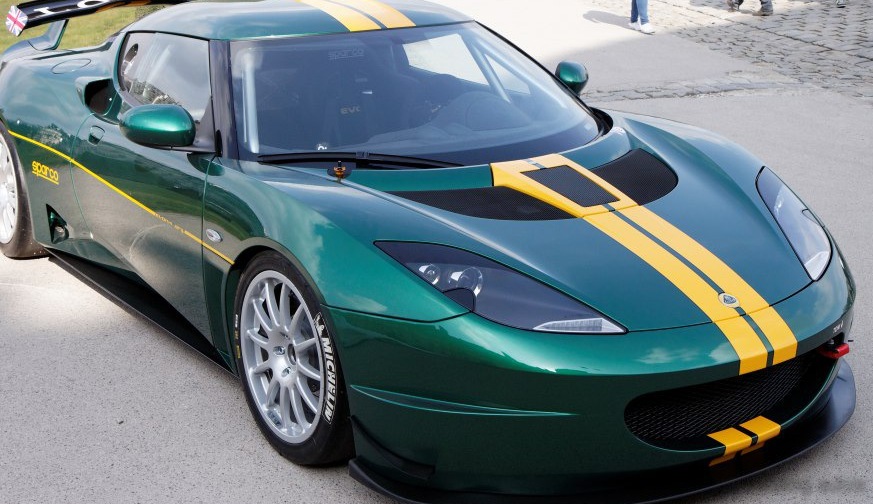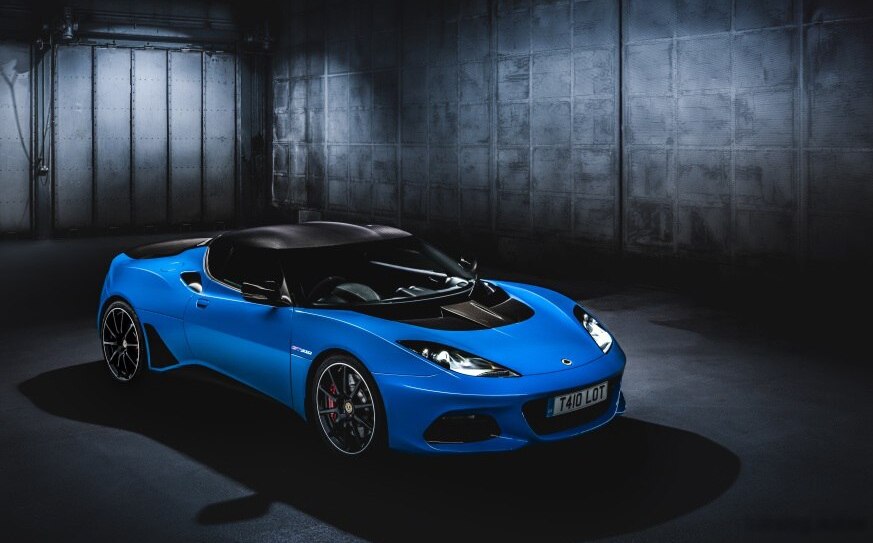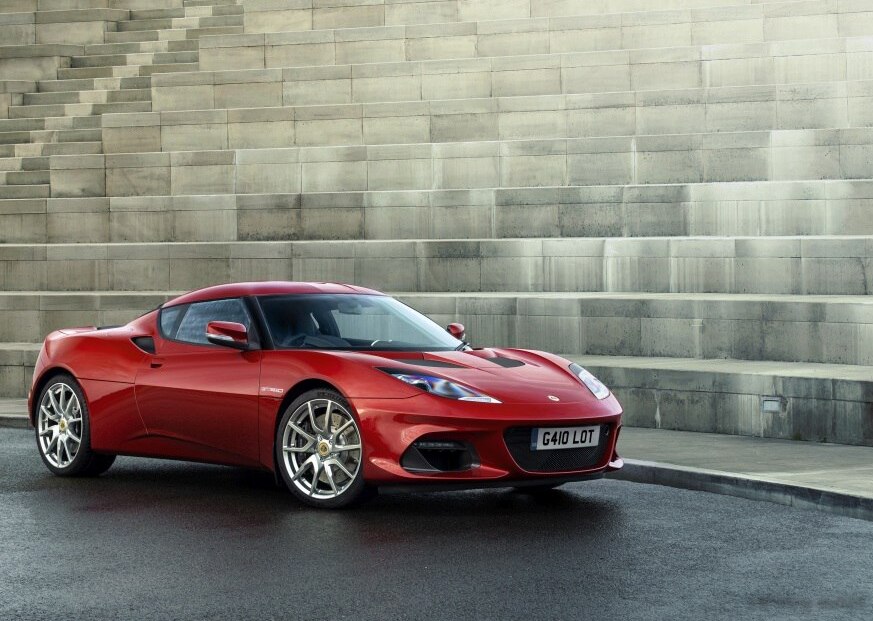
The Lotus Evora GT410 3.5 V6 Automatic, introduced in January 2020, represents the culmination of the Evora platform’s development. Positioned as a high-performance variant within the Evora range, it aimed to deliver a more focused driving experience than the standard Evora, while offering the convenience of an automatic transmission. The GT410 builds upon the mid-engined, two-seater sports car formula that Lotus is renowned for, utilizing the 1HX0 chassis architecture that underpinned the entire Evora lineage. This particular version was intended for drivers seeking a blend of raw performance and relative ease of use, bridging the gap between the more hardcore track-focused models and the more comfort-oriented Evora trims.
Technical Specifications
| Brand | Lotus |
| Model | Evora |
| Generation | Evora GT410 |
| Type (Engine) | 3.5 V6 (410 Hp) Automatic |
| Start of production | January, 2020 |
| Powertrain Architecture | Internal Combustion engine |
| Body type | Coupe |
| Seats | 2 |
| Doors | 2 |
| Fuel consumption at Low speed (WLTP) | 18.2 l/100 km (12.9 US mpg, 15.5 UK mpg, 5.5 km/l) |
| Fuel consumption at Medium speed (WLTP) | 11.1 l/100 km (21.2 US mpg, 25.4 UK mpg, 9 km/l) |
| Fuel consumption at high speed (WLTP) | 9.4 l/100 km (25 US mpg, 30.1 UK mpg, 10.6 km/l) |
| Fuel consumption at very high speed (WLTP) | 9.6 l/100 km (24.5 US mpg, 29.4 UK mpg, 10.4 km/l) |
| Combined fuel consumption (WLTP) | 11 l/100 km (21.4 US mpg, 25.7 UK mpg, 9.1 km/l) |
| CO2 emissions (WLTP) | 248 g/km |
| Fuel Type | Petrol (Gasoline) |
| Acceleration 0 – 100 km/h | 4.2 sec |
| Acceleration 0 – 62 mph | 4.2 sec |
| Acceleration 0 – 60 mph | 3.9 sec |
| Maximum speed | 278 km/h (172.74 mph) |
| Weight-to-power ratio | 3.3 kg/Hp, 299.7 Hp/tonne |
| Weight-to-torque ratio | 3.3 kg/Nm, 299.7 Nm/tonne |
| Power | 410 Hp @ 7000 rpm |
| Power per litre | 118.6 Hp/l |
| Torque | 410 Nm @ 3000-7000 rpm (302.4 lb.-ft. @ 3000-7000 rpm) |
| Engine Model/Code | 2GR-FE |
| Engine displacement | 3456 cm3 (210.9 cu. in.) |
| Number of cylinders | 6 |
| Engine configuration | V-engine |
| Cylinder Bore | 94 mm (3.7 in.) |
| Piston Stroke | 83 mm (3.27 in.) |
| Compression ratio | 10.8:1 |
| Number of valves per cylinder | 4 |
| Engine aspiration | Supercharger, Intercooler |
| Engine oil capacity | 5.75 l (6.08 US qt | 5.06 UK qt) |
| Coolant | 5.5 l (5.81 US qt | 4.84 UK qt) |
| Kerb Weight | 1368 kg (3015.92 lbs.) |
| Fuel tank capacity | 60 l (15.85 US gal | 13.2 UK gal) |
| Length | 4394 mm (172.99 in.) |
| Width | 1972 mm (77.64 in.) |
| Height | 1223 mm (48.15 in.) |
| Drivetrain Architecture | Rear wheel drive |
| Number of gears and type of gearbox | 6 gears, automatic transmission |
| Front brakes | Ventilated discs, 370×32 mm |
| Rear brakes | Ventilated discs, 350×32 mm |
| Assisting systems | ABS (Anti-lock braking system) |
| Steering type | Steering rack and pinion |
| Power steering | Hydraulic Steering |
| Tires size | Front wheel tires: 235/35 R19, Rear wheel tires: 285/35 R20 |
| Wheel rims size | Front wheel rims: 19, Rear wheel rims: 20 |
Powertrain & Engine Architecture
At the heart of the Evora GT410 Automatic lies the Toyota-sourced 2GR-FE 3.5-liter supercharged V6 engine. This engine, a staple of the Evora range, benefits from a Roots-type supercharger and an intercooler, delivering a substantial 410 horsepower at 7000 rpm and 410 Nm (302 lb-ft) of torque between 3000 and 7000 rpm. The engine utilizes a cast aluminum block and cylinder heads, with four valves per cylinder and a compression ratio of 10.8:1. Fuel is delivered via direct injection, contributing to both performance and efficiency. The six-speed automatic transmission, while not a dual-clutch unit, is specifically tuned for the GT410 to provide relatively quick shifts and a responsive driving experience. It’s important to note that this transmission differs from the manual gearbox offered in other Evora variants, altering the car’s overall character.
Driving Characteristics
The GT410 Automatic delivers impressive acceleration, achieving 0-60 mph in approximately 3.9 seconds and a top speed of 172.74 mph. However, the automatic transmission does slightly diminish the raw, visceral feel compared to the manual version. The gear ratios are optimized for performance, but the automatic’s shift logic, while improved over earlier iterations, can sometimes feel less precise than a skilled driver using a manual gearbox. The supercharger provides instant throttle response and a broad torque curve, making the car enjoyable to drive in a variety of conditions. The relatively lightweight construction (1368 kg / 3015.92 lbs) contributes to agile handling and a connected feel.
Equipment & Trim Levels
The GT410 Automatic came generously equipped, reflecting its position as a premium variant. Standard features included sport seats trimmed in leather and Alcantara, a premium audio system, air conditioning, and a comprehensive suite of safety features including ABS. Optional extras included upgraded audio systems, different wheel designs, and bespoke interior trim options. The interior design prioritized a driver-focused layout, with a minimalist dashboard and clear instrumentation. The GT410 also featured unique exterior styling cues, such as a rear wing and aggressive front splitter, designed to enhance aerodynamic performance.
Chassis & Braking
The Evora GT410 utilizes a lightweight aluminum chassis, providing a rigid and stable platform for the suspension. The suspension system consists of independent double wishbones all around, with Eibach springs and Bilstein dampers tuned for performance. Braking duties are handled by ventilated discs at all four corners, measuring 370mm at the front and 350mm at the rear. ABS is standard. The GT410 benefits from a relatively balanced weight distribution, contributing to neutral handling characteristics. The car’s steering is hydraulically assisted, providing precise and communicative feedback.
Market Reception & Comparison
The Evora GT410 Automatic was generally well-received by automotive critics, who praised its performance, handling, and overall driving experience. However, some reviewers noted that the automatic transmission didn’t quite match the engagement of the manual gearbox. Compared to other Evora variants, such as the Evora Sport 410 (which was exclusively available with a manual transmission), the GT410 Automatic offered a more accessible and user-friendly driving experience. Fuel economy, as per WLTP testing, was rated at 11 l/100 km (21.4 US mpg), which is typical for a high-performance sports car of this type. Reliability was generally good, although maintenance costs could be relatively high due to the car’s specialized components and the need for regular servicing by qualified technicians.
Legacy
The Lotus Evora GT410 Automatic represents a significant chapter in the Evora’s development. While the Evora platform has since been superseded by the Emira, the GT410 remains a desirable sports car for enthusiasts. The 2GR-FE engine, known for its robustness and tunability, has proven to be a reliable powertrain. On the used car market, well-maintained GT410 Automatics command a premium price, reflecting their performance capabilities and relative rarity. The car’s blend of performance, handling, and practicality continues to appeal to drivers seeking a unique and engaging sports car experience.