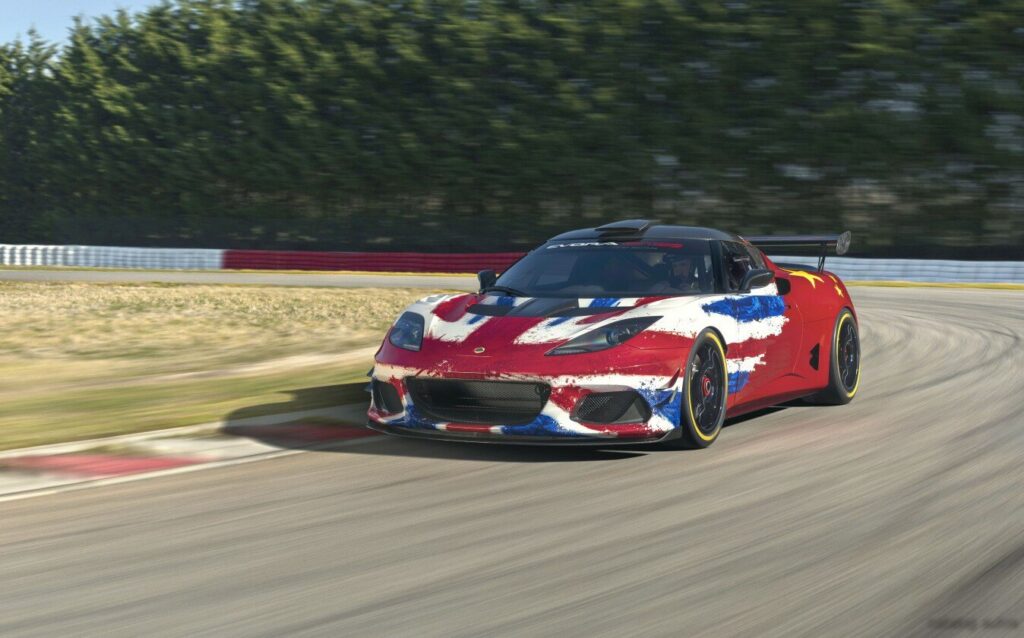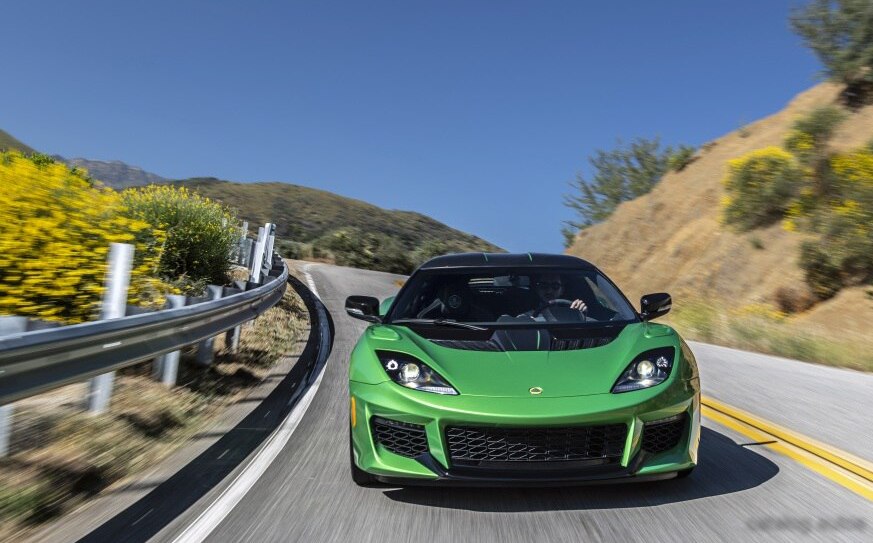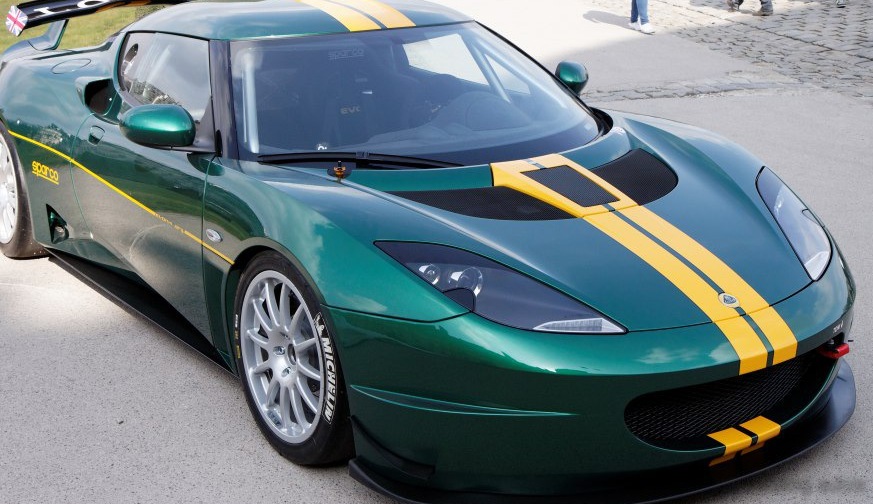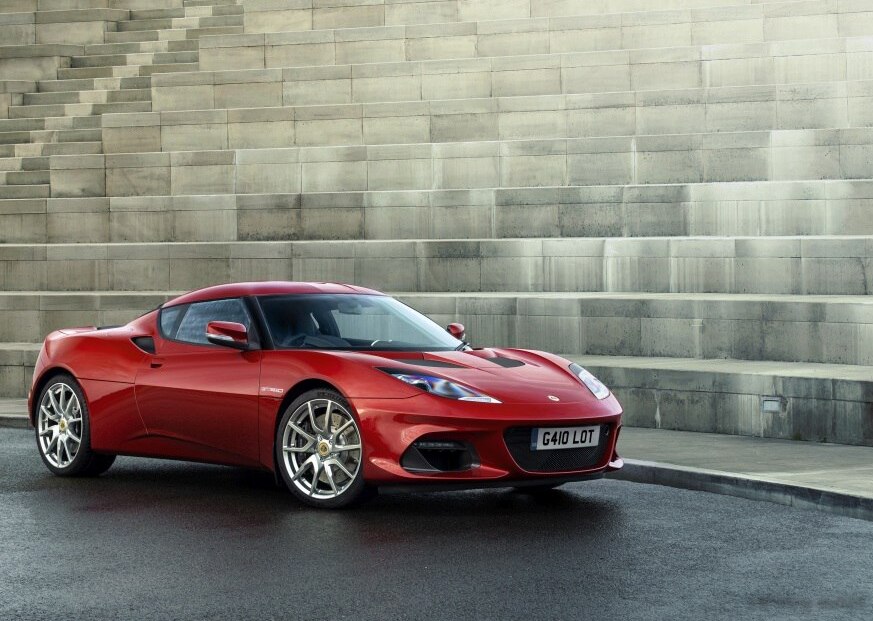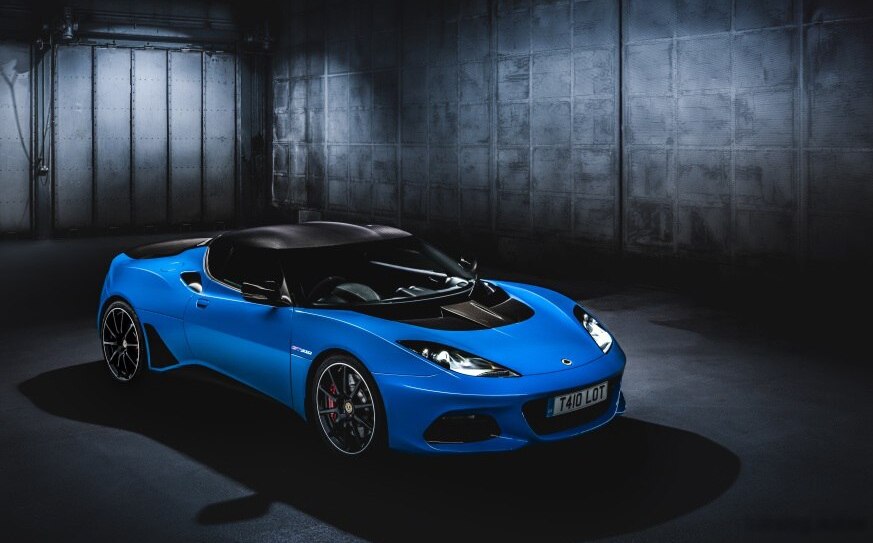
The Lotus Evora GT410 Sport, introduced in January 2019, represents a focused, high-performance iteration of the Evora model line. Positioned as a premium offering within the Evora range, it prioritizes weight reduction and track capability while retaining a degree of road usability. Built on the Lotus 2+2 platform (internally designated as the Evora chassis), the GT410 Sport aimed to deliver a more visceral and engaging driving experience than the standard Evora. This particular variant is notable for pairing the potent 3.5-liter supercharged V6 engine with a six-speed automatic transmission, a configuration that broadened the Evora’s appeal to drivers seeking convenience alongside performance.
Technical Specifications
| Brand | Lotus |
| Model | Evora |
| Generation | Evora GT410 Sport |
| Type (Engine) | 3.5 V6 (410 Hp) Automatic |
| Start of production | January, 2019 |
| Powertrain Architecture | Internal Combustion engine |
| Body type | Coupe |
| Seats | 2 |
| Doors | 2 |
| Fuel consumption at Low speed (WLTP) | 18.2 l/100 km (12.9 US mpg, 15.5 UK mpg, 5.5 km/l) |
| Fuel consumption at Medium speed (WLTP) | 11.1 l/100 km (21.2 US mpg, 25.4 UK mpg, 9 km/l) |
| Fuel consumption at high speed (WLTP) | 9.4 l/100 km (25 US mpg, 30.1 UK mpg, 10.6 km/l) |
| Fuel consumption at very high speed (WLTP) | 9.6 l/100 km (24.5 US mpg, 29.4 UK mpg, 10.4 km/l) |
| Combined fuel consumption (WLTP) | 11 l/100 km (21.4 US mpg, 25.7 UK mpg, 9.1 km/l) |
| CO2 emissions (WLTP) | 248 g/km |
| Fuel Type | Petrol (Gasoline) |
| Acceleration 0 – 100 km/h | 4.1 sec |
| Acceleration 0 – 62 mph | 4.1 sec |
| Acceleration 0 – 60 mph | 3.9 sec |
| Maximum speed | 280 km/h (173.98 mph) |
| Weight-to-power ratio | 3.3 kg/Hp, 299.7 Hp/tonne |
| Weight-to-torque ratio | 3.3 kg/Nm, 299.7 Nm/tonne |
| Power | 410 Hp @ 7000 rpm |
| Power per litre | 118.6 Hp/l |
| Torque | 410 Nm @ 3000-7000 rpm (302.4 lb.-ft. @ 3000-7000 rpm) |
| Engine Model/Code | 2GR-FE |
| Engine displacement | 3456 cm3 (210.9 cu. in.) |
| Number of cylinders | 6 |
| Engine configuration | V-engine |
| Cylinder Bore | 94 mm (3.7 in.) |
| Piston Stroke | 83 mm (3.27 in.) |
| Compression ratio | 10.8:1 |
| Number of valves per cylinder | 4 |
| Engine aspiration | Supercharger, Intercooler |
| Engine oil capacity | 5.75 l (6.08 US qt | 5.06 UK qt) |
| Coolant | 5.5 l (5.81 US qt | 4.84 UK qt) |
| Kerb Weight | 1368 kg (3015.92 lbs.) |
| Fuel tank capacity | 60 l (15.85 US gal | 13.2 UK gal) |
| Length | 4394 mm (172.99 in.) |
| Width | 1972 mm (77.64 in.) |
| Height | 1223 mm (48.15 in.) |
| Drivetrain Architecture | Rear wheel drive |
| Number of gears and type of gearbox | 6 gears, automatic transmission |
| Front brakes | Ventilated discs, 370×32 mm |
| Rear brakes | Ventilated discs, 350×32 mm |
| Assisting systems | ABS (Anti-lock braking system) |
| Steering type | Steering rack and pinion |
| Power steering | Hydraulic Steering |
| Tires size | Front wheel tires: 235/35 R19, Rear wheel tires: 285/35 R20 |
| Wheel rims size | Front wheel rims: 19, Rear wheel rims: 20 |
Powertrain & Engine Architecture
At the heart of the Evora GT410 Sport lies the Toyota-sourced 2GR-FE 3.5-liter V6 engine. This engine, a staple of Lotus performance models, benefits from a supercharger and intercooler, boosting output to 410 horsepower and 410 Nm (302 lb-ft) of torque. The engine utilizes a dual-overhead camshaft (DOHC) design with four valves per cylinder, ensuring efficient cylinder filling and exhaust scavenging. Fuel delivery is managed by direct injection, contributing to both power and fuel efficiency. The six-speed automatic transmission, while not as commonly associated with the Lotus ethos as a manual gearbox, provides smooth and relatively quick shifts. It’s tuned for performance, but doesn’t offer the same level of driver engagement as a manual. The transmission’s gear ratios are optimized to maximize the engine’s powerband, providing strong acceleration in all gears.
Driving Characteristics
The GT410 Sport with the automatic transmission delivers a compelling, if slightly detached, driving experience. While the automatic lacks the direct control of a manual, it allows drivers to fully exploit the engine’s power. Acceleration is brisk, with 0-60 mph times consistently around 3.9 seconds. The automatic transmission’s shift points are well-chosen for performance, but can feel less intuitive than a manual in spirited driving. The car’s relatively low weight (1368 kg / 3015.92 lbs) contributes to its agility and responsiveness. Compared to the manual version, the automatic GT410 Sport offers a more relaxed driving experience, making it more suitable for daily use or longer journeys. However, purists often prefer the greater involvement offered by the manual transmission.
Equipment & Trim Levels
The GT410 Sport trim level came generously equipped, focusing on performance and driver-focused features. Standard equipment included lightweight carbon fiber body panels, a rear wing, and a track-tuned suspension. The interior featured sport seats trimmed in Alcantara and leather, a flat-bottomed steering wheel, and a minimalist dashboard design. Optional extras included upgraded audio systems, climate control, and various cosmetic enhancements. The GT410 Sport was positioned as a step above the standard Evora in terms of luxury and refinement, but remained focused on delivering a raw and engaging driving experience.
Chassis & Braking
The Evora GT410 Sport utilizes a lightweight aluminum chassis, providing a rigid and stable platform for the suspension. The suspension system consists of independent double wishbones at all four corners, with adjustable dampers and springs. This setup allows for precise handling and excellent body control. Braking duties are handled by ventilated discs at all four wheels, providing ample stopping power. The GT410 Sport benefits from a sophisticated ABS system, ensuring safe and controlled braking in all conditions. The car’s relatively low weight and balanced chassis contribute to its exceptional handling characteristics.
Market Reception & Comparison
The Evora GT410 Sport was generally well-received by automotive critics, who praised its performance, handling, and overall driving experience. The automatic transmission was seen as a compromise, offering convenience at the expense of some driver engagement. Fuel economy, as expected for a high-performance sports car, was relatively poor, with combined figures around 21.4 US mpg. Compared to other trims in the Evora lineup, the GT410 Sport represented the most focused and track-capable option. It offered a significant performance upgrade over the standard Evora, but at a higher price point.
Legacy
The Lotus Evora GT410 Sport, including the automatic variant, has established itself as a desirable and collectible sports car. The 2GR-FE engine has proven to be remarkably reliable, and with proper maintenance, can provide years of trouble-free service. The car’s lightweight construction and sophisticated chassis contribute to its long-term durability. On the used car market, the GT410 Sport commands a premium price, reflecting its performance capabilities and limited production numbers. It remains a compelling option for enthusiasts seeking a unique and engaging driving experience.