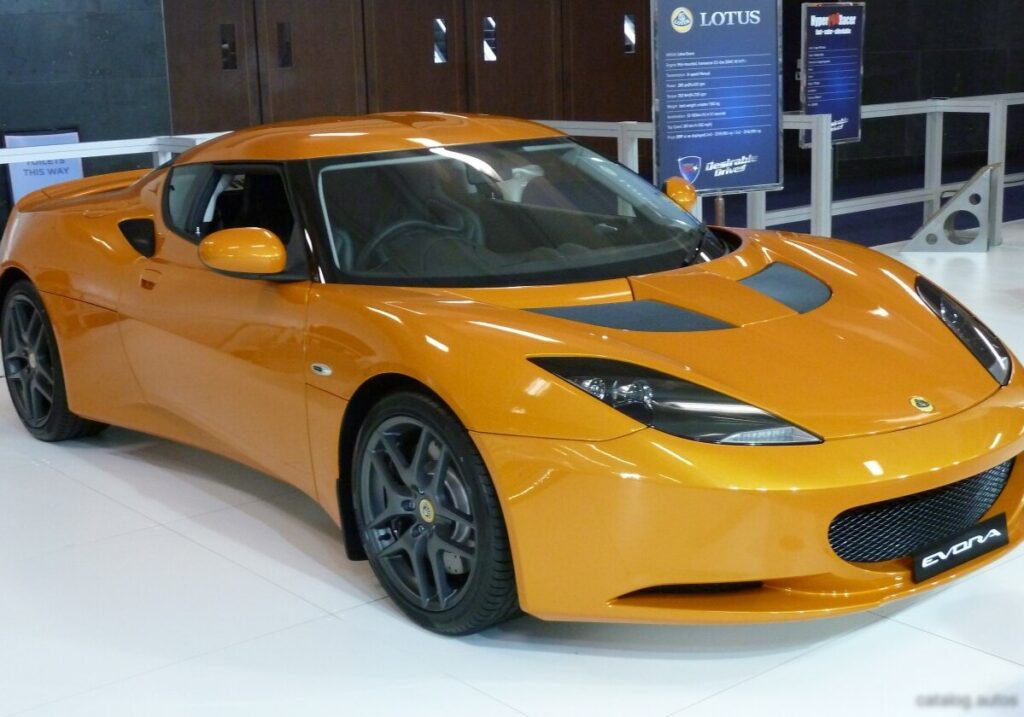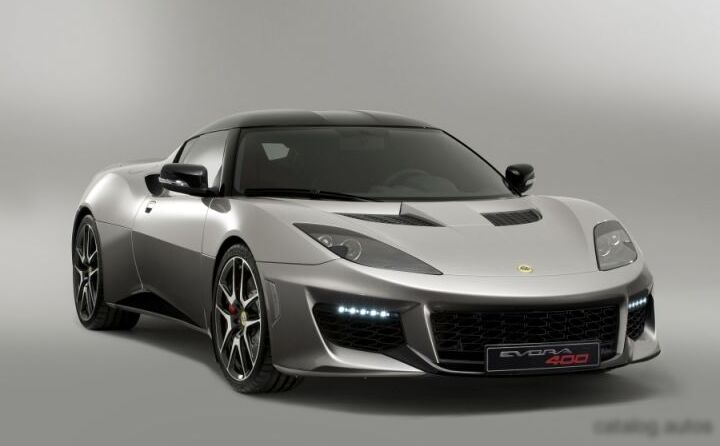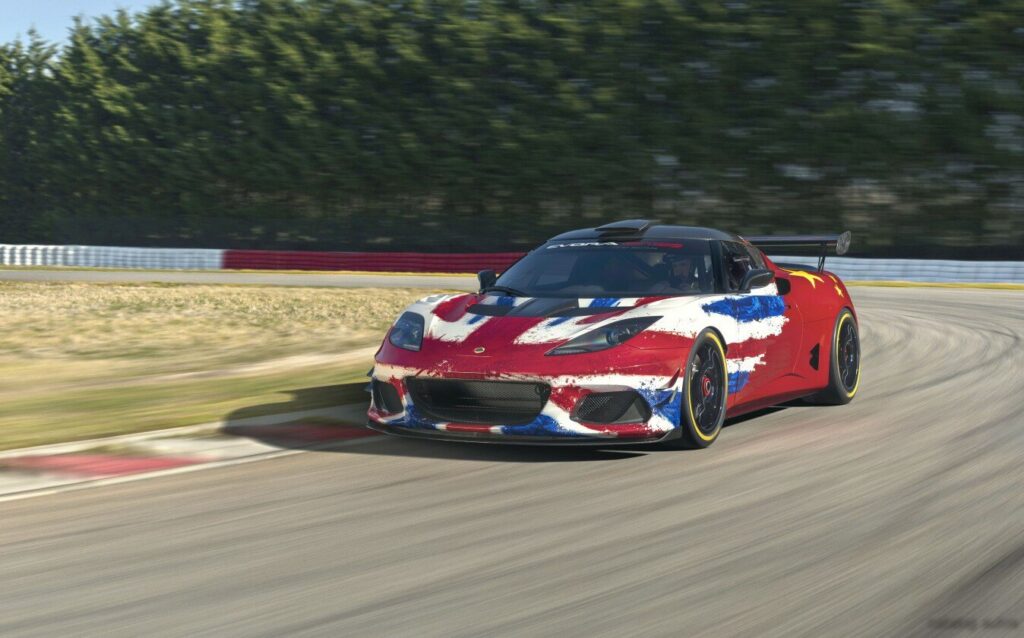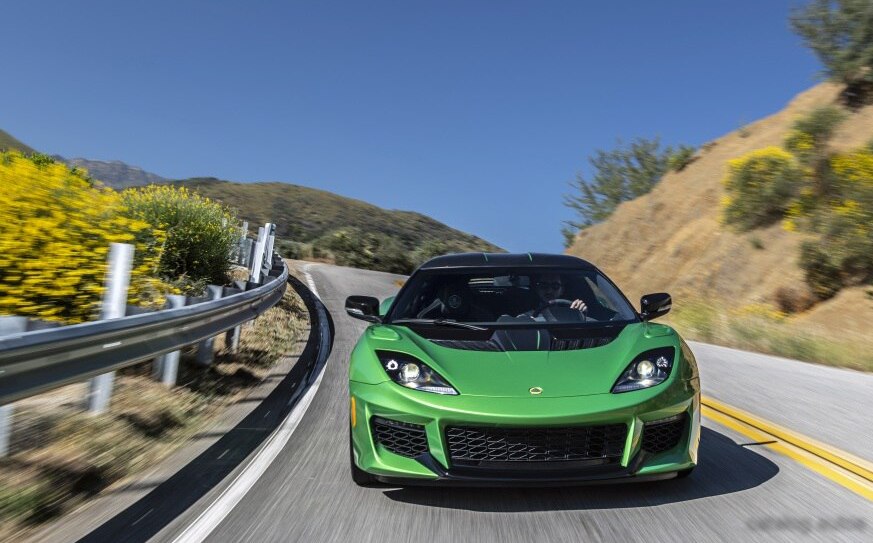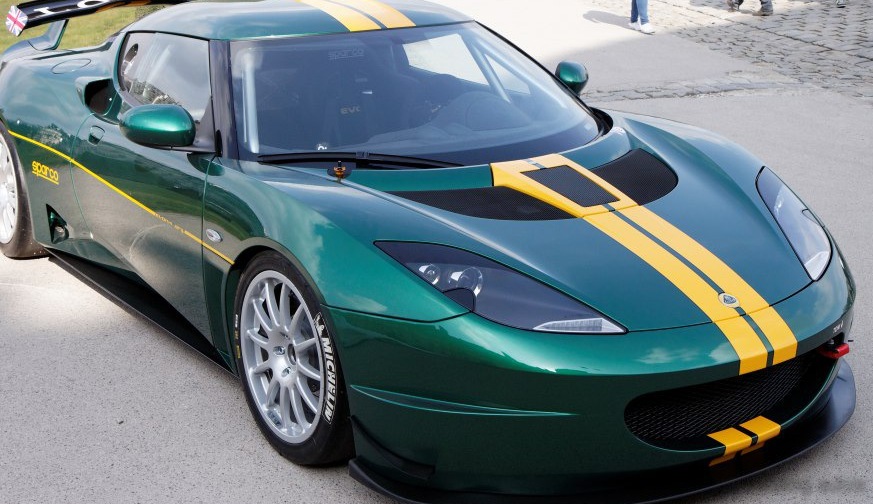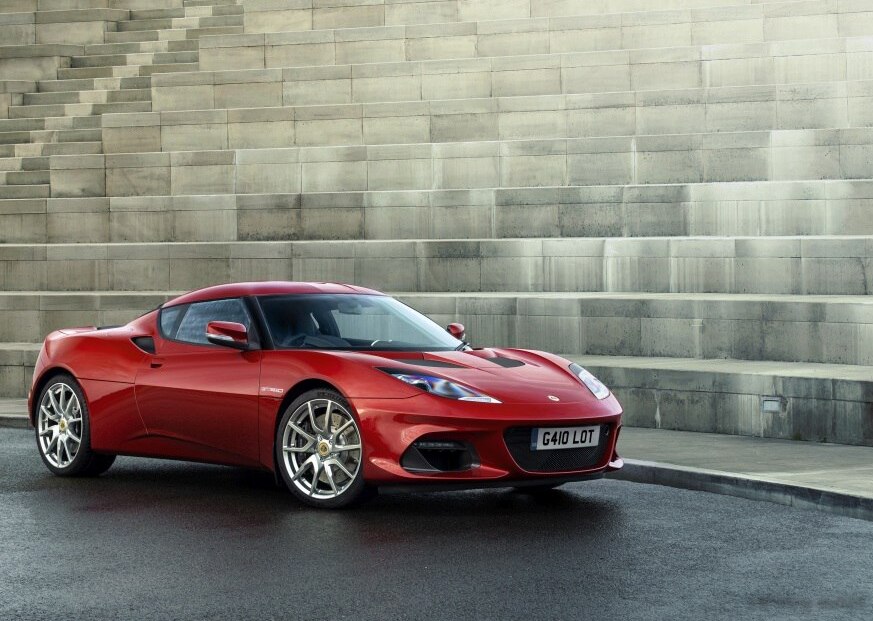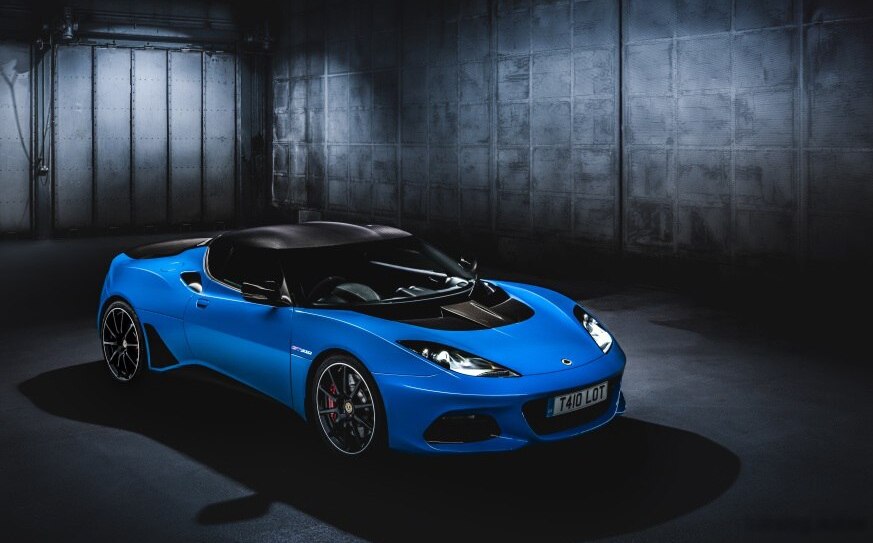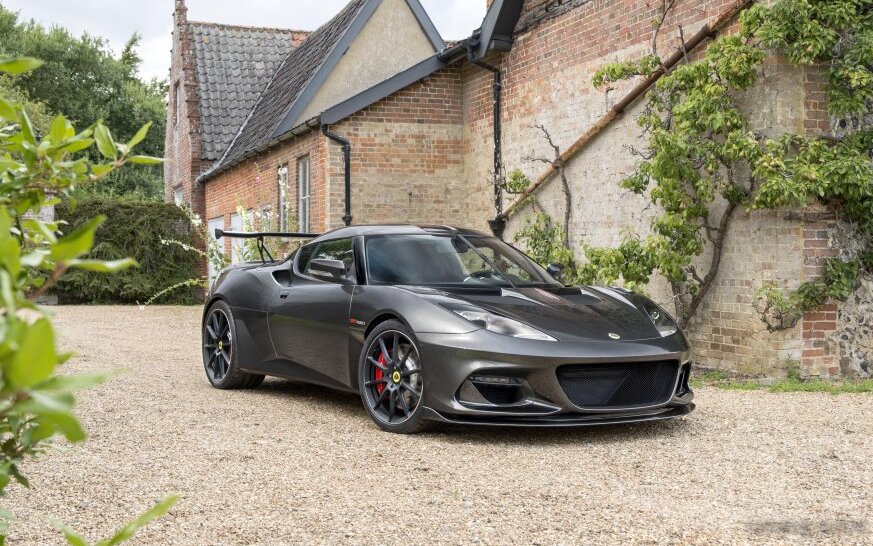
The Lotus Evora GT430 3.5 V6 24V Automatic, produced from 2017 to August 2018, represents the most extreme iteration of the second-generation Evora (introduced in 2011). Positioned as the flagship performance variant within the Evora range, the GT430 was designed to deliver a focused, track-oriented driving experience while retaining a degree of road usability. It built upon the already capable Evora platform, incorporating significant aerodynamic enhancements and a boosted version of the Toyota-sourced 3.5-liter V6 engine. This particular configuration, pairing the high-output engine with a six-speed automatic transmission, aimed to broaden the appeal of the GT430 to drivers who preferred the convenience of two pedals without sacrificing substantial performance.
Technical Specifications
| Brand | Lotus |
| Model | Evora |
| Generation | Evora GT430 |
| Type (Engine) | 3.5 V6 24V (436 Hp) Automatic |
| Start of production | 2017 |
| End of production | August, 2018 |
| Powertrain Architecture | Internal Combustion engine |
| Body type | Coupe |
| Seats | 2 |
| Doors | 2 |
| Fuel consumption (urban) | 15.2 l/100 km (15.5 US mpg, 18.6 UK mpg, 6.6 km/l) |
| Fuel consumption (extra urban) | 8.3 l/100 km (28.3 US mpg, 34 UK mpg, 12 km/l) |
| Fuel consumption (combined) | 10.8 l/100 km (21.8 US mpg, 26.2 UK mpg, 9.3 km/l) |
| CO2 emissions | 247 g/km |
| Fuel Type | Petrol (Gasoline) |
| Acceleration 0 – 100 km/h | 3.7 sec |
| Acceleration 0 – 62 mph | 3.7 sec |
| Acceleration 0 – 60 mph | 3.6 sec |
| Maximum speed | 280 km/h (173.98 mph) |
| Weight-to-power ratio | 3 kg/Hp, 332.8 Hp/tonne |
| Weight-to-torque ratio | 2.9 kg/Nm, 343.5 Nm/tonne |
| Power | 436 Hp @ 7000 rpm |
| Power per litre | 126.2 Hp/l |
| Torque | 450 Nm @ 4500 rpm (331.9 lb.-ft. @ 4500 rpm) |
| Engine layout | Middle, Transverse |
| Engine Model/Code | 2GR-FE |
| Engine displacement | 3456 cm3 (210.9 cu. in.) |
| Number of cylinders | 6 |
| Engine configuration | V-engine |
| Cylinder Bore | 94 mm (3.7 in.) |
| Piston Stroke | 83 mm (3.27 in.) |
| Compression ratio | 10:1 |
| Number of valves per cylinder | 4 |
| Fuel injection system | Multi-port manifold injection |
| Engine aspiration | Supercharger, Intercooler |
| Valvetrain | DOHC |
| Engine oil capacity | 5.75 l (6.08 US qt | 5.06 UK qt) |
| Coolant | 5.5 l (5.81 US qt | 4.84 UK qt) |
| Kerb Weight | 1310 kg (2888.06 lbs.) |
| Trunk (boot) space – minimum | 160 l (5.65 cu. ft.) |
| Fuel tank capacity | 60 l (15.85 US gal | 13.2 UK gal) |
| Length | 4396 mm (173.07 in.) |
| Width | 1845 mm (72.64 in.) |
| Height | 1229 mm (48.39 in.) |
| Wheelbase | 2575 mm (101.38 in.) |
| Ride height (ground clearance) | 120 mm (4.72 in.) |
| Drivetrain Architecture | Rear wheel drive |
| Number of gears and type of gearbox | 6 gears, automatic transmission |
| Front suspension | Double wishbone, Transverse stabilizer |
| Rear suspension | Double wishbone, Transverse stabilizer |
| Front brakes | Ventilated discs |
| Rear brakes | Ventilated discs |
| Assisting systems | ABS (Anti-lock braking system) |
| Steering type | Steering rack and pinion |
| Power steering | Hydraulic Steering |
| Tires size | Front wheel tires: 235/35 R19 Rear wheel tires: 295/30 R20 |
| Wheel rims size | Front wheel rims: 8J x 19 Rear wheel rims: 10.5J x 20 |
Powertrain & Engine Architecture
At the heart of the Evora GT430 lies the Toyota-derived 2GR-FE 3.5-liter V6 engine. This engine, a staple in various Toyota and Lotus models, was significantly upgraded for the GT430 with the addition of a supercharger. The supercharger, coupled with an intercooler, boosts power output to 436 horsepower at 7000 rpm and 450 Nm (331.9 lb-ft) of torque at 4500 rpm. The engine utilizes multi-port fuel injection and a double overhead camshaft (DOHC) valvetrain. The automatic transmission is a six-speed unit, specifically tuned for quicker shifts and optimized gear ratios to complement the engine’s power delivery. While a manual transmission was also offered, the automatic provided a smoother, more accessible driving experience for some drivers.
Driving Characteristics
The GT430 Automatic delivers exhilarating performance. The supercharged V6 provides strong acceleration throughout the rev range, with a noticeable surge of power as the engine climbs towards its peak. The automatic transmission, while not as engaging as a manual, offers quick and precise shifts, allowing the driver to maintain momentum. The 0-60 mph sprint takes approximately 3.6 seconds, and the car boasts a top speed of 174 mph. Compared to the manual version, the automatic GT430 might exhibit slightly slower acceleration times, but it offers greater convenience in everyday driving situations. The weight distribution, inherent to the mid-engine layout, contributes to excellent handling and balance.
Equipment & Trim Levels
The GT430 came generously equipped, reflecting its position as the range-topping model. Standard features included lightweight carbon fiber body panels, a revised aerodynamic package (including a large rear wing and front splitter), and a track-focused suspension setup. The interior featured Sparco racing seats upholstered in leather and Alcantara, a flat-bottomed steering wheel, and a comprehensive infotainment system. Optional extras included air conditioning, premium audio systems, and various customization options for interior trim and exterior colors.
Chassis & Braking
The Evora GT430 utilizes a lightweight aluminum chassis, contributing to its impressive power-to-weight ratio. The suspension consists of double wishbones at both the front and rear, with adjustable dampers and a transverse stabilizer bar to minimize body roll. Braking duties are handled by ventilated discs on all four wheels, providing ample stopping power. The ABS (Anti-lock Braking System) ensures stability during hard braking maneuvers. The car’s relatively low weight and well-tuned suspension contribute to its agile handling characteristics.
Market Reception & Comparison
The Evora GT430 was generally well-received by automotive critics, praised for its exceptional performance, engaging driving dynamics, and striking appearance. The automatic transmission was seen as a viable option for drivers who prioritized convenience without sacrificing too much performance. Compared to other Evora variants, such as the Evora 400, the GT430 offered a more focused, track-oriented experience. Fuel economy, however, was not a strong point, with combined fuel consumption averaging around 21.8 US mpg. Reliability was generally good, although the complexity of the supercharged engine and associated components could potentially lead to higher maintenance costs compared to naturally aspirated versions.
Legacy
The Lotus Evora GT430 represents a high point in the Evora lineage, showcasing Lotus’s engineering prowess and commitment to delivering a pure driving experience. While production was limited, the GT430 has become a sought-after model among Lotus enthusiasts and collectors. The 3.5-liter supercharged V6 and six-speed automatic transmission combination, while not the most common configuration, offers a unique blend of performance and usability. In the used car market, well-maintained GT430s command premium prices, reflecting their rarity and desirability. The powertrain, while requiring diligent maintenance, has proven to be relatively robust when properly cared for, ensuring that these cars will continue to provide thrilling driving experiences for years to come.