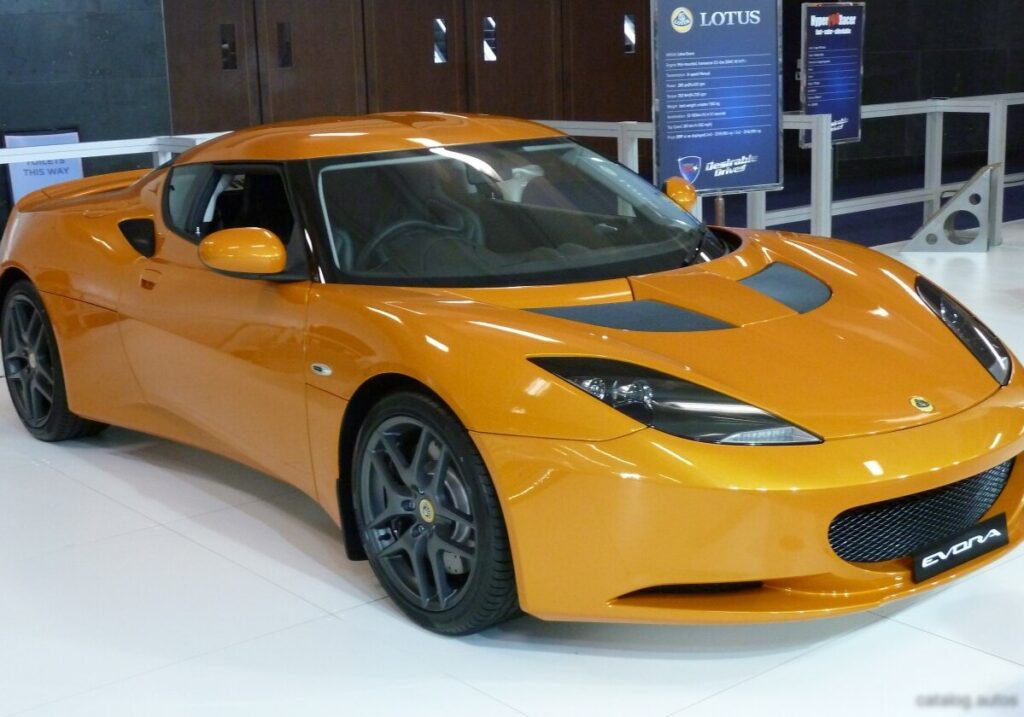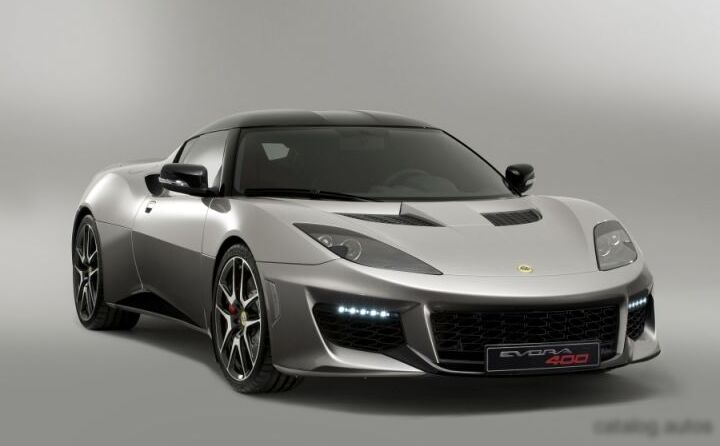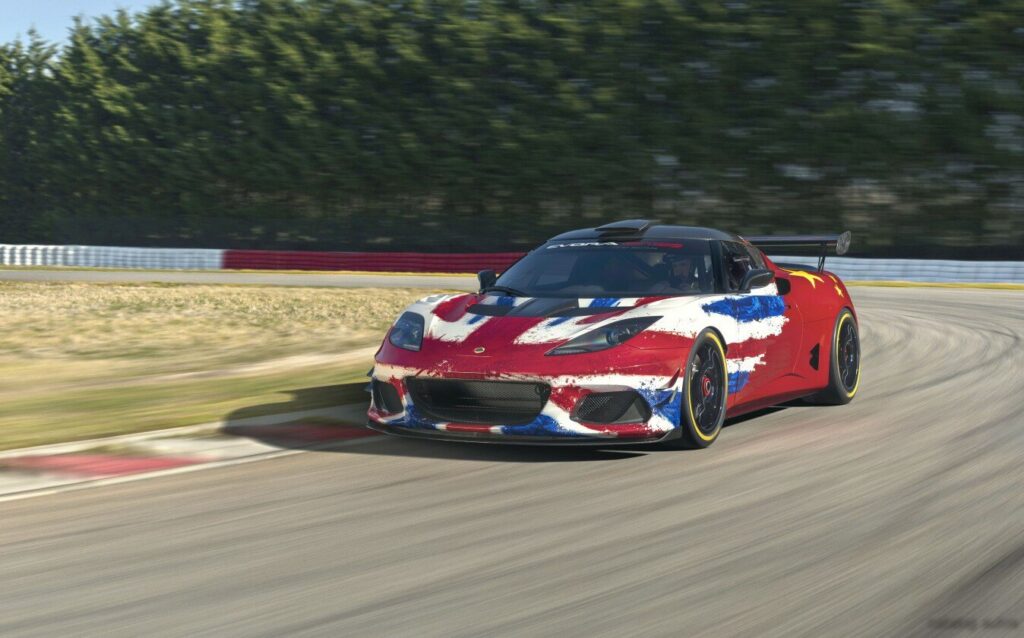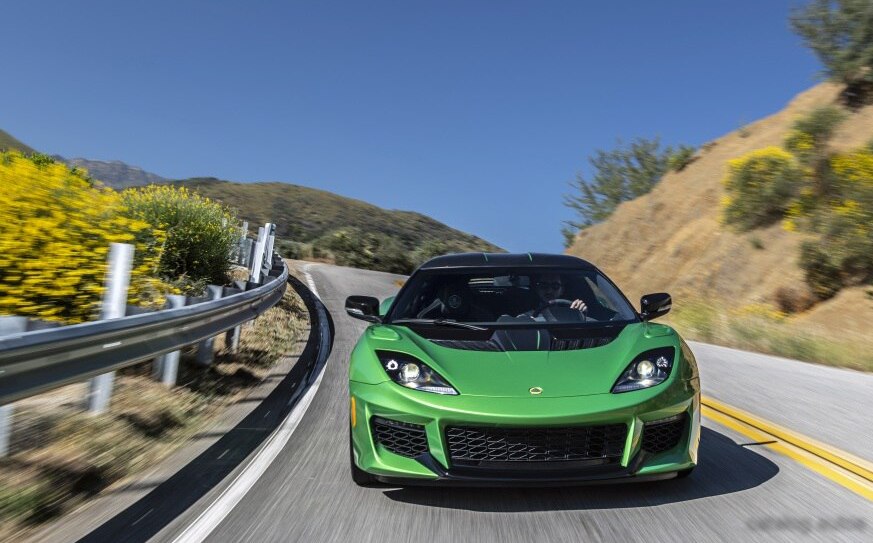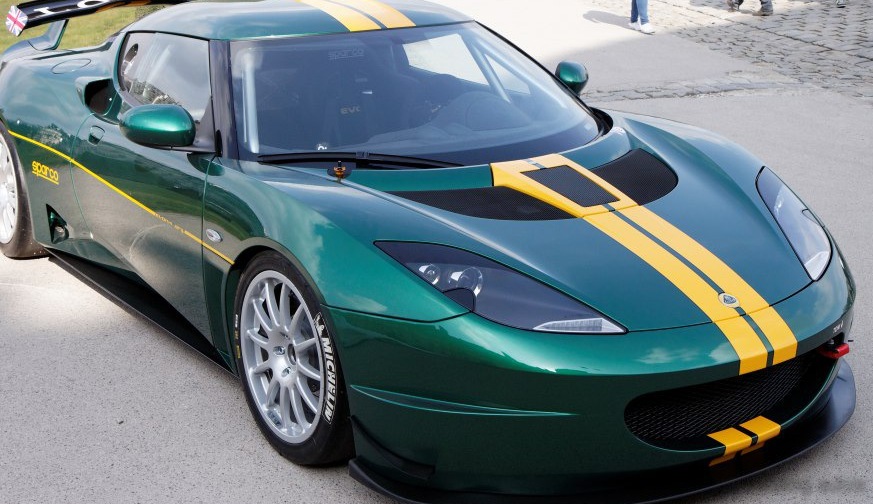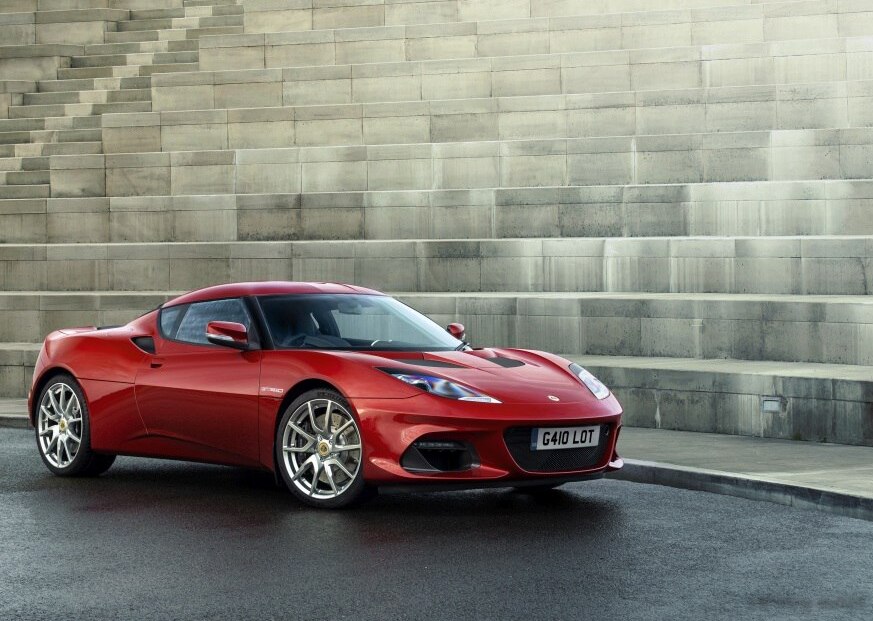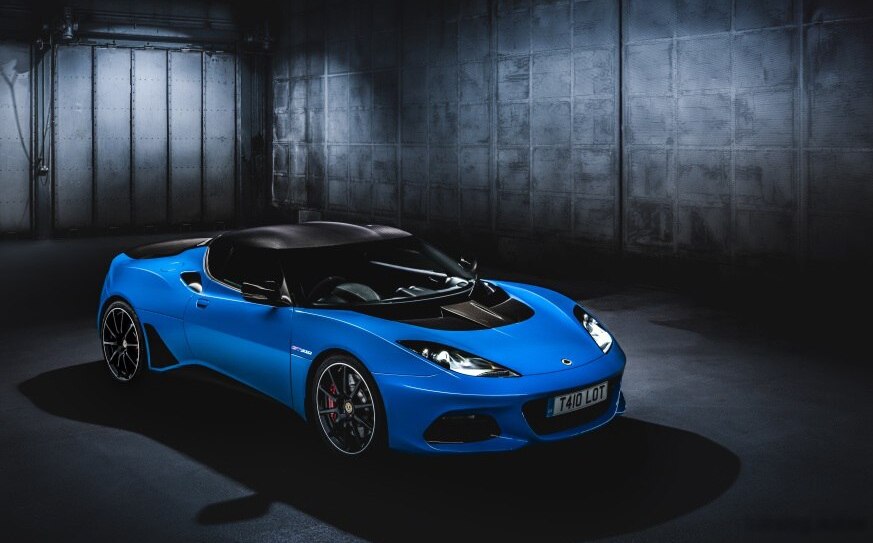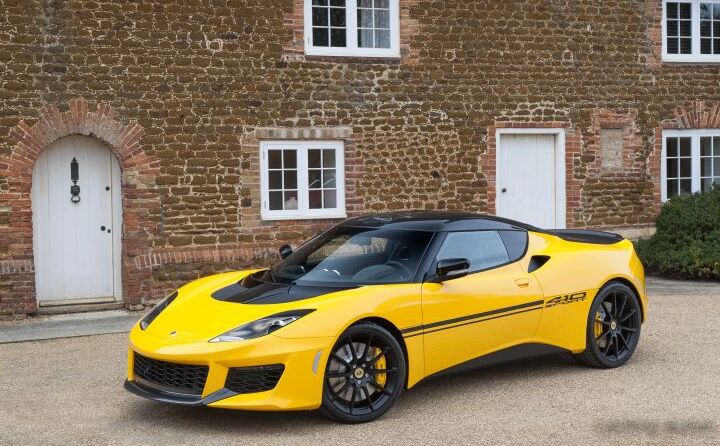
The Lotus Evora Sport 410, specifically the 3.5 V6 (410 Hp) Automatic variant, represents a focused, high-performance iteration of the Evora model line. Produced from June 2016 to August 2018, it was positioned as the most extreme, road-legal version of the Evora at the time, bridging the gap between the standard Evora and the track-focused Evora GT4. This model aimed to deliver a raw, engaging driving experience while retaining a degree of everyday usability. It built upon the established Evora platform (internally designated as the 1HX0) known for its mid-engine layout and lightweight construction.
Technical Specifications
| Brand | Lotus |
| Model | Evora |
| Generation | Evora Sport 410 |
| Type (Engine) | 3.5 V6 (410 Hp) Automatic |
| Start of production | June, 2016 |
| End of production | August, 2018 |
| Powertrain Architecture | Internal Combustion engine |
| Body type | Coupe |
| Seats | 2 |
| Doors | 2 |
| Fuel consumption (economy) – urban | 14.1 l/100 km (16.7 US mpg, 20 UK mpg, 7.1 km/l) |
| Fuel consumption (economy) – extra urban | 7.1 l/100 km (33.1 US mpg, 39.8 UK mpg, 14.1 km/l) |
| Fuel consumption (economy) – combined | 9.7 l/100 km (24.2 US mpg, 29.1 UK mpg, 10.3 km/l) |
| CO2 emissions | 225 g/km |
| Fuel Type | Petrol (Gasoline) |
| Acceleration 0 – 100 km/h | 4.1 sec |
| Acceleration 0 – 62 mph | 4.1 sec |
| Acceleration 0 – 60 mph | 3.9 sec |
| Maximum speed | 280 km/h (173.98 mph) |
| Weight-to-power ratio | 3.3 kg/Hp, 306.7 Hp/tonne |
| Weight-to-torque ratio | 3.3 kg/Nm, 306.7 Nm/tonne |
| Power | 410 Hp @ 7000 rpm |
| Power per litre | 118.6 Hp/l |
| Torque | 410 Nm @ 3500 rpm (302.4 lb.-ft. @ 3500 rpm) |
| Engine layout | Middle, Transverse |
| Engine Model/Code | 2GR-FE |
| Engine displacement | 3456 cm3 (210.9 cu. in.) |
| Number of cylinders | 6 |
| Engine configuration | V-engine |
| Number of valves per cylinder | 4 |
| Engine oil capacity | 5.75 l (6.08 US qt, 5.06 UK qt) |
| Coolant | 5.5 l (5.81 US qt, 4.84 UK qt) |
| Kerb Weight | 1337 kg (2947.58 lbs) |
| Fuel tank capacity | 60 l (15.85 US gal, 13.2 UK gal) |
| Drivetrain Architecture | Rear wheel drive |
| Number of gears and type of gearbox | 6 gears, automatic transmission |
| Front suspension | Double wishbone |
| Rear suspension | Double wishbone |
| Front brakes | Ventilated discs |
| Rear brakes | Ventilated discs |
| Assisting systems | ABS (Anti-lock braking system) |
| Steering type | Steering rack and pinion |
| Power steering | Hydraulic Steering |
| Tires size | 235/35 R19; 285/30 R20 |
| Wheel rims size | 19; 20 |
Powertrain & Engine Architecture
The heart of the Evora Sport 410 is the Toyota-sourced 2GR-FE 3.5-liter V6 engine. This engine, known for its reliability and performance potential, is supercharged to produce 410 horsepower at 7,000 rpm and 410 Nm (302 lb-ft) of torque at 3,500 rpm. The supercharger provides instant throttle response and a broad torque curve. Fuel delivery is managed by electronic fuel injection. The engine features a dual overhead camshaft (DOHC) valvetrain with four valves per cylinder, optimizing breathing and contributing to its high output. The automatic transmission is a six-speed unit, specifically tuned for the Sport 410 to provide quick and precise shifts. While not a dual-clutch transmission, it was programmed for performance, holding gears longer and downshifting aggressively under braking.
Driving Characteristics
The combination of the 410 hp engine and the six-speed automatic transmission results in a thrilling driving experience. Acceleration from 0 to 60 mph is achieved in approximately 3.9 seconds, and the car boasts a top speed of 280 km/h (174 mph). The automatic transmission, while offering convenience, doesn’t quite match the engagement of the manual gearbox available in other Evora variants. However, it provides smooth and relatively quick shifts, making the car more accessible to a wider range of drivers. The gear ratios are optimized for acceleration, with shorter gearing in the lower ranges to maximize responsiveness. Compared to the standard Evora’s engine, the Sport 410 delivers significantly more power and a more aggressive driving feel. It also feels more responsive than the Evora equipped with the 1.6-liter engine.
Equipment & Trim Levels
The Sport 410 came standard with a comprehensive list of performance-oriented features. The interior featured lightweight sport seats trimmed in Alcantara and leather, providing excellent support during spirited driving. A flat-bottomed steering wheel, aluminum pedals, and a unique instrument cluster further enhanced the sporty ambiance. Standard equipment also included air conditioning, a basic audio system, and power windows. Optional extras included upgraded audio systems, navigation, and various cosmetic enhancements. The interior, while focused on functionality, wasn’t overly luxurious, reflecting the car’s performance-first philosophy.
Chassis & Braking
The Evora Sport 410 benefits from a lightweight chassis constructed from aluminum and composite materials. This contributes to its low curb weight of 1337 kg (2947.58 lbs), enhancing agility and handling. The suspension utilizes a double wishbone setup at both the front and rear, providing excellent control and responsiveness. Ventilated disc brakes are fitted on all four wheels, providing ample stopping power. An ABS (Anti-lock Braking System) is standard. The steering is a hydraulic rack and pinion system, offering precise and communicative feedback. The car rides on staggered tires – 235/35 R19 at the front and 285/30 R20 at the rear – maximizing grip and handling balance.
Market Reception & Comparison
The Evora Sport 410 was generally well-received by automotive critics. It was praised for its exhilarating performance, sharp handling, and engaging driving experience. Some reviewers noted that the automatic transmission, while competent, didn’t offer the same level of driver involvement as the manual gearbox. Fuel economy, at 9.7 l/100 km (24.2 US mpg), was reasonable for a high-performance sports car. Compared to other Evora variants, the Sport 410 offered a significant performance upgrade, but at a higher price point. It positioned itself as a more focused alternative to the Porsche Cayman, offering a unique driving experience and a more raw, visceral feel.
Legacy
The Lotus Evora Sport 410 Automatic has established itself as a desirable and collectible model within the Evora range. The 2GR-FE engine is known for its durability and relatively straightforward maintenance. While Lotus vehicles, in general, can require specialized care, the Toyota engine provides a degree of reliability. On the used car market, well-maintained examples of the Sport 410 command a premium price, reflecting their limited production numbers and performance capabilities. The car represents a high point in Lotus’s commitment to lightweight, driver-focused sports cars, and it continues to be appreciated by enthusiasts seeking an engaging and rewarding driving experience.