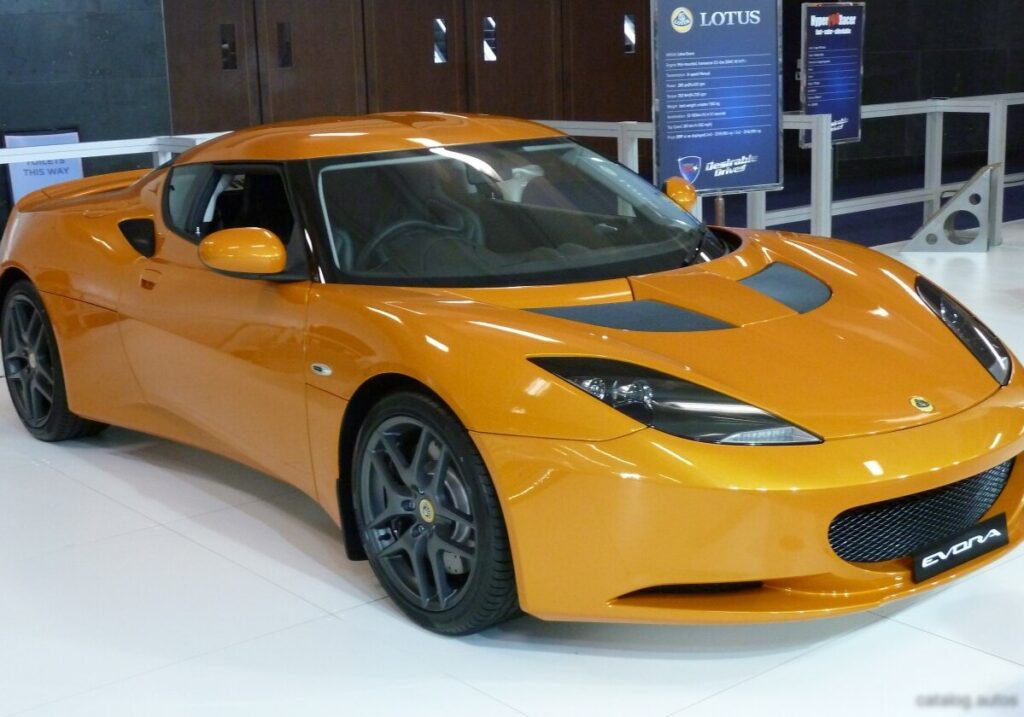
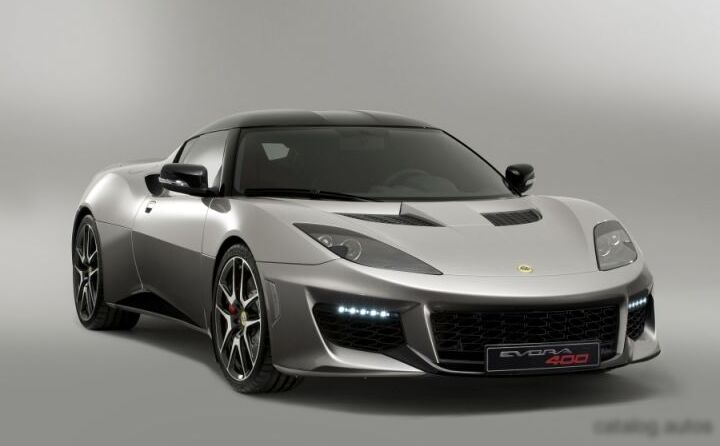
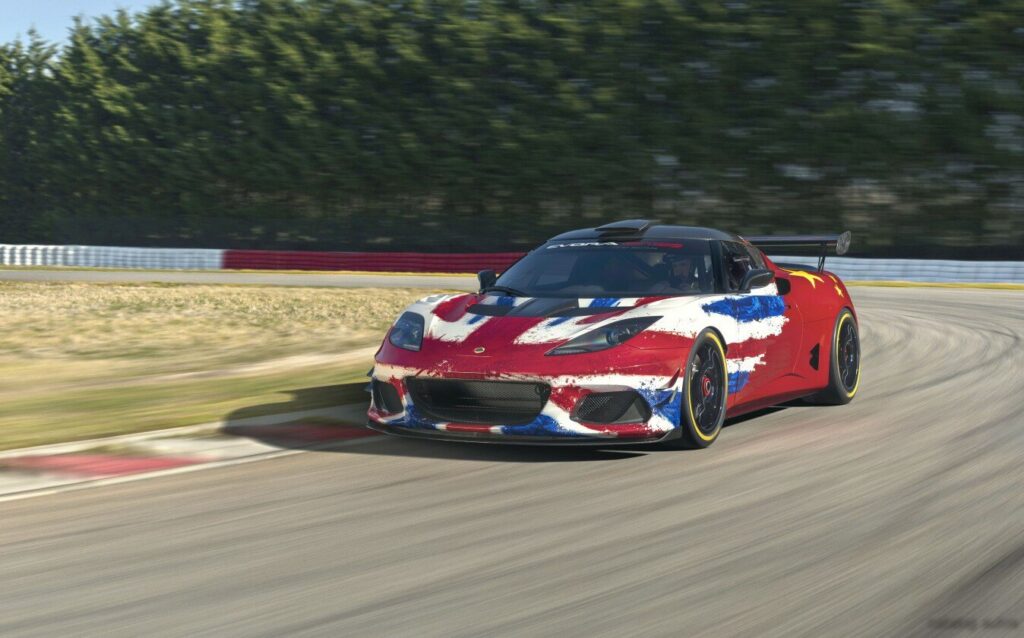
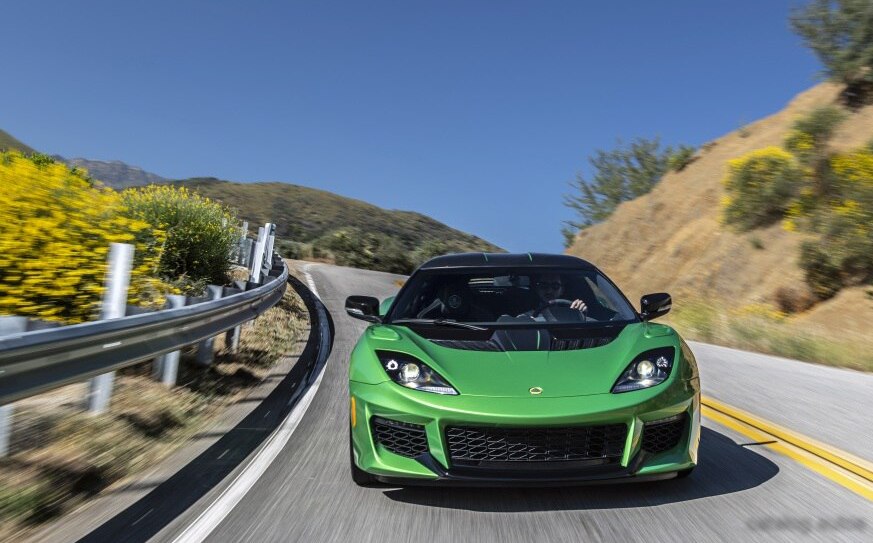
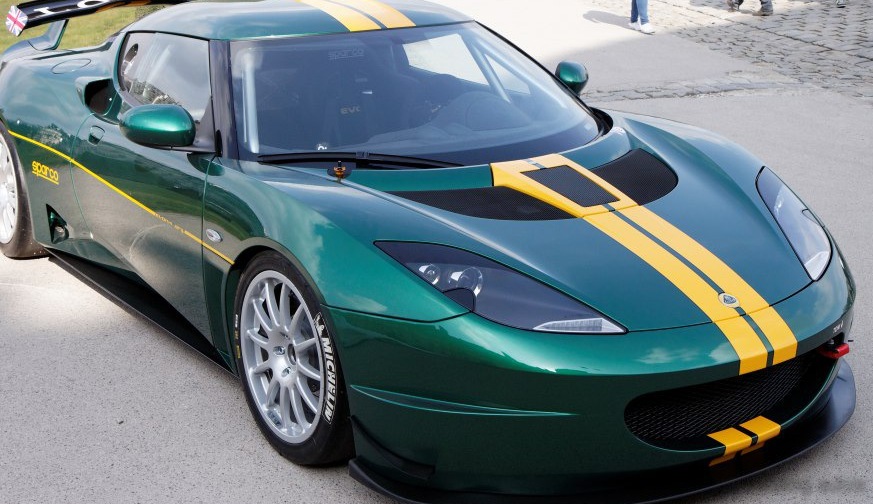
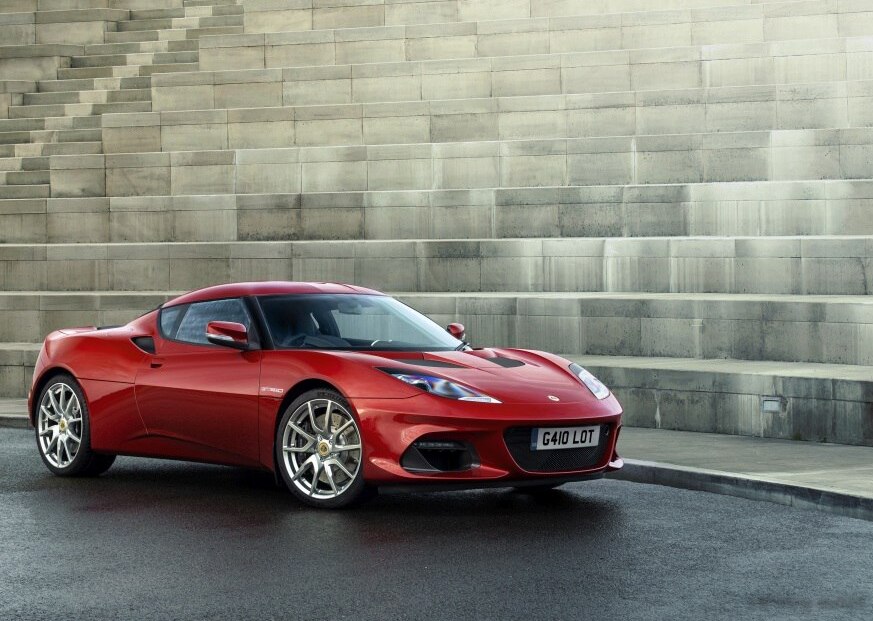
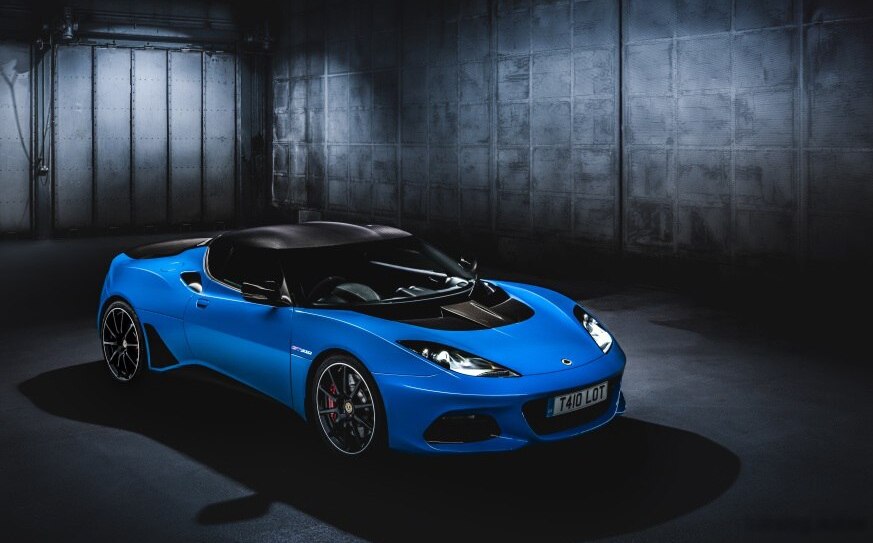
The Lotus Evora Sports Racer 3.5 V6, produced from 2012 to July 2015, represented a focused, higher-performance iteration of the Evora coupe. Positioned as a step up from the standard Evora, and bridging the gap to the more extreme Evora S, the Sports Racer aimed to deliver a more visceral driving experience while retaining a degree of everyday usability. It was part of the first generation of the Evora (code-named VX10), built on the Lotus Versatile Vehicle Architecture platform, a design intended to underpin a range of Lotus models. The Sports Racer was primarily marketed in Europe and Asia, with limited sales in North America, appealing to enthusiasts seeking a lightweight, high-performance sports car with a distinct British pedigree.
Technical Specifications
| Brand | Lotus |
| Model | Evora |
| Generation | Evora Sports Racer |
| Type (Engine) | 3.5 V6 (350 Hp) |
| Start of production | 2012 |
| End of production | July, 2015 |
| Powertrain Architecture | Internal Combustion engine |
| Body type | Coupe |
| Seats | 4 |
| Doors | 2 |
| Fuel consumption (urban) | 14.2 l/100 km (16.6 US mpg, 19.9 UK mpg, 7 km/l) |
| Fuel consumption (extra urban) | 7.4 l/100 km (31.8 US mpg, 38.2 UK mpg, 13.5 km/l) |
| Fuel consumption (combined) | 9.9 l/100 km (23.8 US mpg, 28.5 UK mpg, 10.1 km/l) |
| CO2 emissions | 229 g/km |
| Fuel Type | Petrol (Gasoline) |
| Acceleration 0 – 100 km/h | 4.6 sec |
| Acceleration 0 – 62 mph | 4.6 sec |
| Acceleration 0 – 60 mph | 4.4 sec |
| Maximum speed | 286 km/h (177.71 mph) |
| Weight-to-power ratio | 4.1 kg/Hp, 243.7 Hp/tonne |
| Weight-to-torque ratio | 3.6 kg/Nm, 278.6 Nm/tonne |
| Power | 350 Hp @ 7000 rpm |
| Torque | 400 Nm @ 4500 rpm (295.02 lb.-ft. @ 4500 rpm) |
| Engine layout | Middle, Transverse |
| Number of cylinders | 6 |
| Engine configuration | V-engine |
| Number of valves per cylinder | 4 |
| Fuel injection system | Multi-port manifold injection |
| Engine aspiration | Supercharger, Intercooler |
| Valvetrain | DOHC – VVT-i |
| Kerb Weight | 1436 kg (3165.84 lbs.) |
| Fuel tank capacity | 60 l (15.85 US gal | 13.2 UK gal) |
| Length | 4361 mm (171.69 in.) |
| Width | 2047 mm (80.59 in.) |
| Height | 1229 mm (48.39 in.) |
| Wheelbase | 2575 mm (101.38 in.) |
| Drivetrain Architecture | Rear wheel drive |
| Number of gears | 6 gears, manual transmission |
| Front suspension | Double wishbone |
| Rear suspension | Double wishbone |
| Front brakes | Ventilated discs |
| Rear brakes | Ventilated discs |
| Assisting systems | ABS (Anti-lock braking system) |
| Steering type | Steering rack and pinion |
| Tires size | 235/35 ZR19; 275/35 ZR20 |
| Wheel rims size | 19; 20 |
Powertrain & Engine Architecture
The heart of the Evora Sports Racer is the 3.5-liter supercharged V6 engine, designated as the 2GR-FE. This engine, sourced from Toyota but extensively modified by Lotus, features a transverse mid-engine layout. The supercharger, an Eaton Roots-type unit, provides forced induction, boosting power output to 350 horsepower at 7,000 rpm and 400 Nm (295 lb-ft) of torque at 4,500 rpm. The engine utilizes multi-port fuel injection and a double overhead camshaft (DOHC) valvetrain with variable valve timing (VVT-i) on both intake and exhaust camshafts. This configuration allows for a broad powerband and responsive throttle characteristics. The Sports Racer exclusively came with a six-speed manual transmission, prioritizing driver engagement. The transmission featured close ratios designed to maximize acceleration and performance on track.
Driving Characteristics
The 350 hp and manual transmission combination in the Sports Racer delivered a significantly more engaging driving experience than the base Evora. Acceleration from 0 to 60 mph was achieved in approximately 4.4 seconds, with a top speed of 177.71 mph. The supercharger provided instant throttle response, making the car feel lively and eager. The manual gearbox, while requiring more driver involvement, allowed for precise control over the power delivery. Compared to the Evora S, which offered more outright power, the Sports Racer prioritized balance and driver feel. The relatively lightweight construction (around 3,166 lbs) contributed to agile handling and a connected feel to the road. The gear ratios were tuned for acceleration, meaning the engine revved relatively quickly, requiring frequent shifts to stay in the powerband.
Equipment & Trim Levels
The Evora Sports Racer was relatively well-equipped, though Lotus maintained a focus on minimizing weight. Standard features included leather and Alcantara upholstery, air conditioning, and a basic audio system. The interior design was functional and driver-focused, with a minimalist dashboard layout. Optional extras included upgraded audio systems, navigation, and various cosmetic enhancements. A key distinguishing feature of the Sports Racer was its unique exterior styling, which included a more aggressive front splitter, rear diffuser, and side skirts. These aerodynamic enhancements were functional, contributing to improved downforce and stability at higher speeds. The Sports Racer typically featured sport-tuned suspension and upgraded brakes compared to the base Evora.
Chassis & Braking
The Evora Sports Racer utilized a lightweight aluminum chassis, a hallmark of Lotus engineering. The suspension system employed double wishbones at both the front and rear, providing excellent handling and ride quality. The suspension was tuned for a balance between on-track performance and everyday usability. Braking duties were handled by ventilated discs at all four corners, providing ample stopping power. The car was equipped with an Anti-lock Braking System (ABS) as standard. The Sports Racer’s tires were typically 235/35 ZR19 at the front and 275/35 ZR20 at the rear, providing a wide contact patch for enhanced grip.
Market Reception & Comparison
The Evora Sports Racer was generally well-received by automotive critics, who praised its engaging driving dynamics, responsive engine, and lightweight construction. It was often lauded as a true driver’s car, offering a more pure and visceral experience than many of its competitors. Compared to the standard Evora, the Sports Racer offered a significant performance upgrade, while remaining more accessible than the more expensive Evora S. Fuel economy, however, was not a strong point, with combined fuel consumption around 23.8 US mpg. Reliability was generally good, though maintenance costs could be higher than for more mainstream sports cars due to the specialized nature of the vehicle and the potential need for Lotus-specific parts.
Legacy
The Evora Sports Racer remains a desirable model among Lotus enthusiasts. Its combination of performance, handling, and relative rarity has contributed to its increasing value in the used car market. The 2GR-FE engine, while requiring regular maintenance, has proven to be relatively robust when properly cared for. The Sports Racer represents a high point in the first-generation Evora lineup, offering a compelling blend of performance and driver engagement. It solidified Lotus’s reputation as a manufacturer of lightweight, high-performance sports cars, and continues to be celebrated for its analog driving experience in an increasingly digital automotive landscape.