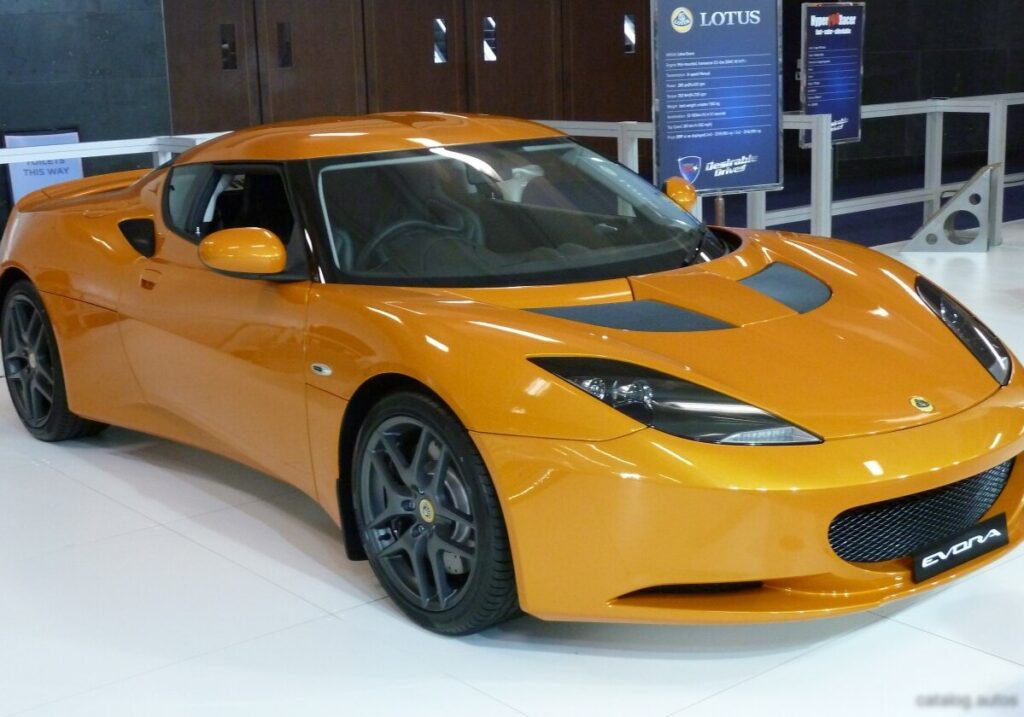
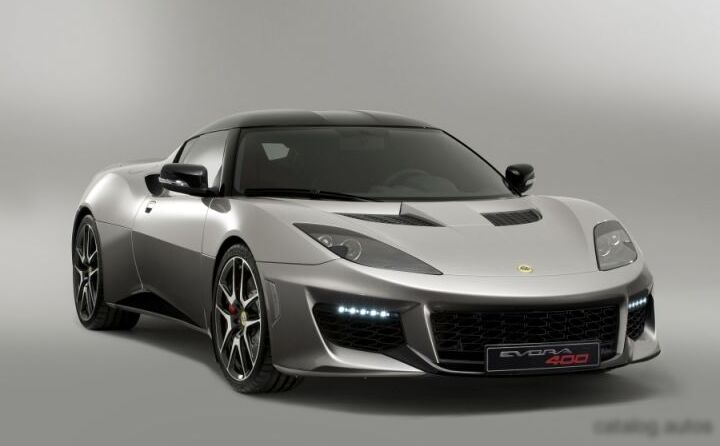
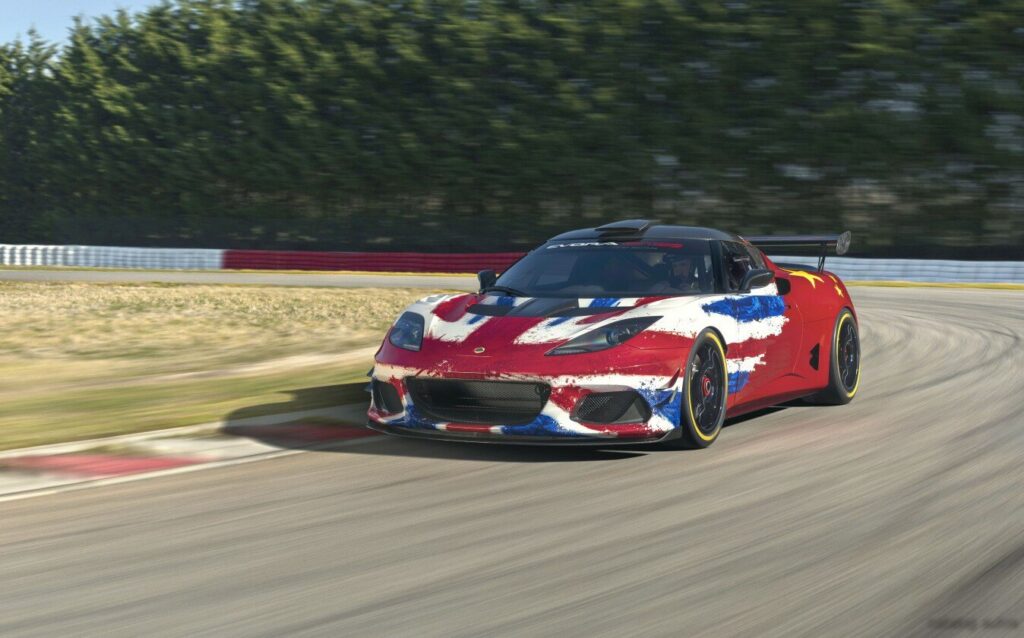
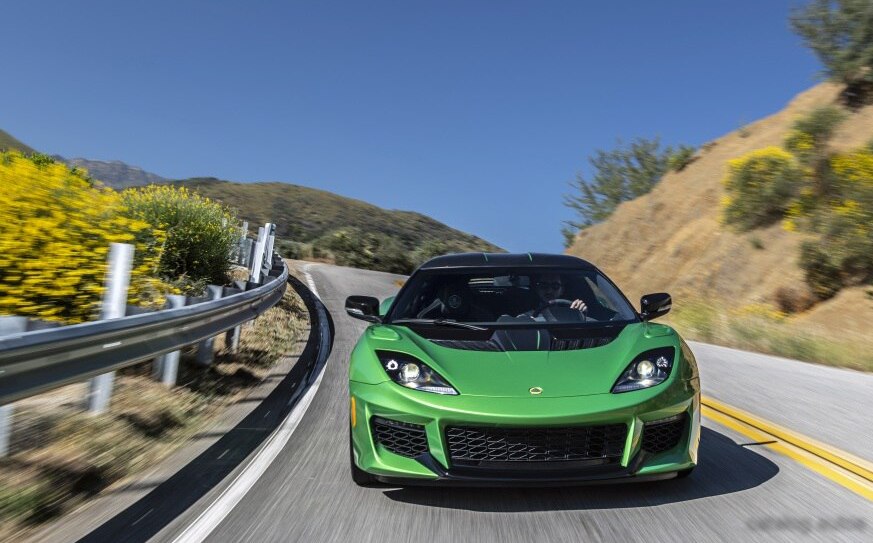
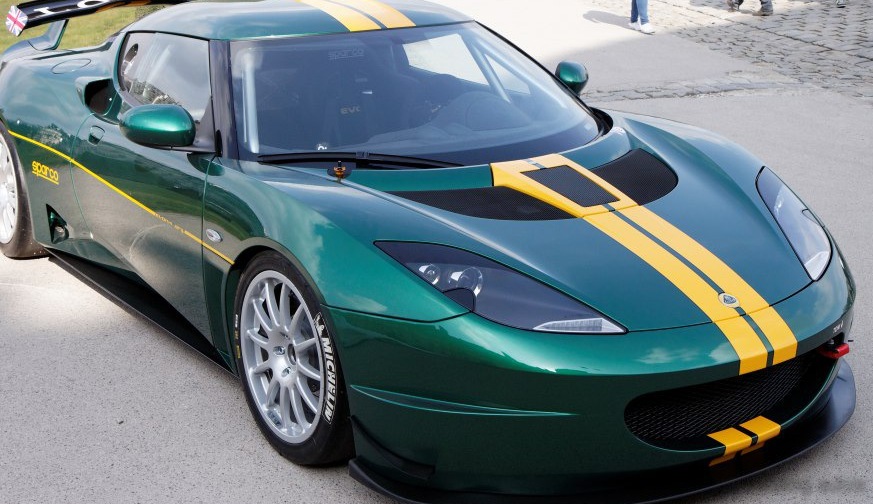
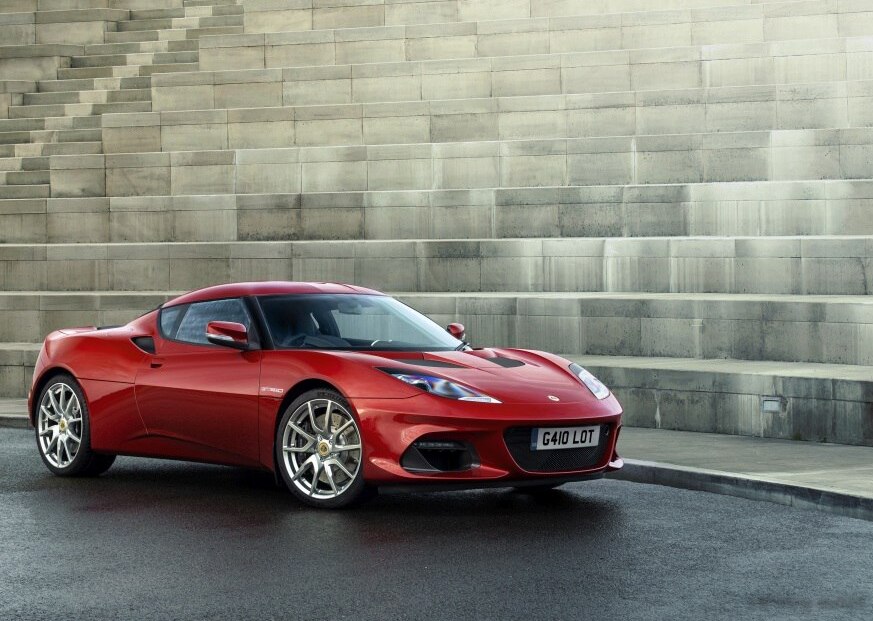
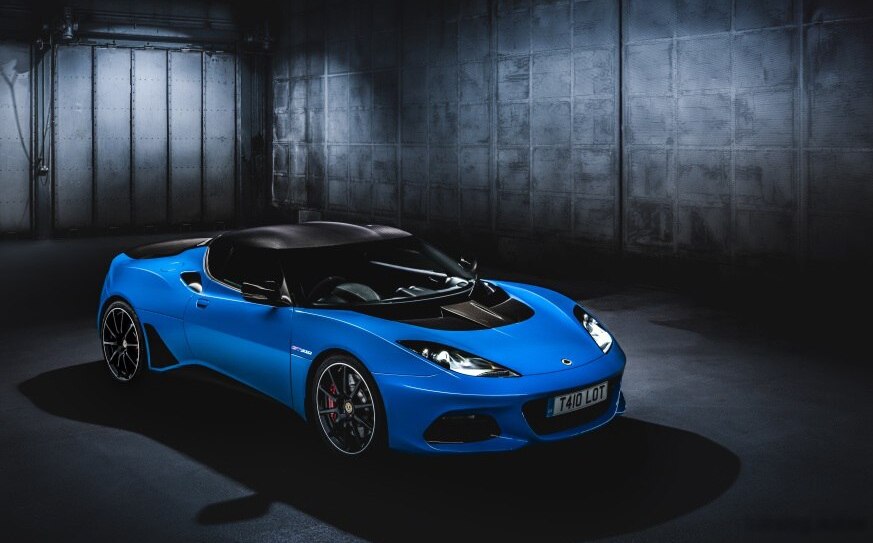
The Lotus Evora Sports Racer 3.5 V6 Automatic, produced between 2012 and July 2015, represented a focused iteration of the Evora platform. Positioned as a performance-oriented variant within the broader Evora range, it aimed to deliver a more engaging driving experience while retaining the model’s inherent practicality as a usable sports car. Built on the 1HX0/A3 platform, the Sports Racer distinguished itself through a combination of increased power, revised suspension tuning, and a six-speed automatic transmission option, catering to drivers seeking a blend of performance and convenience. This model year saw Lotus attempting to broaden the Evora’s appeal beyond the purist, track-focused enthusiast.
Technical Specifications
| Brand | Lotus |
| Model | Evora |
| Generation | Evora Sports Racer |
| Type (Engine) | 3.5 V6 (350 Hp) Automatic |
| Start of production | 2012 |
| End of production | July, 2015 |
| Powertrain Architecture | Internal Combustion engine |
| Body type | Coupe |
| Seats | 4 |
| Doors | 2 |
| Fuel consumption (urban) | 14.4 l/100 km (16.3 US mpg, 19.6 UK mpg, 6.9 km/l) |
| Fuel consumption (extra urban) | 6.9 l/100 km (34.1 US mpg, 40.9 UK mpg, 14.5 km/l) |
| Fuel consumption (combined) | 9.7 l/100 km (24.2 US mpg, 29.1 UK mpg, 10.3 km/l) |
| CO2 emissions | 224 g/km |
| Fuel Type | Petrol (Gasoline) |
| Acceleration 0 – 100 km/h | 4.7 sec |
| Acceleration 0 – 62 mph | 4.7 sec |
| Acceleration 0 – 60 mph | 4.5 sec |
| Maximum speed | 269 km/h (167.15 mph) |
| Weight-to-power ratio | 4.1 kg/Hp, 242.7 Hp/tonne |
| Weight-to-torque ratio | 3.6 kg/Nm, 277.4 Nm/tonne |
| Power | 350 Hp @ 7000 rpm |
| Torque | 400 Nm @ 4500 rpm (295.02 lb.-ft. @ 4500 rpm) |
| Engine layout | Middle, Transverse |
| Number of cylinders | 6 |
| Engine configuration | V-engine |
| Number of valves per cylinder | 4 |
| Fuel injection system | Multi-port manifold injection |
| Engine aspiration | Supercharger, Intercooler |
| Valvetrain | DOHC – VVT-i |
| Kerb Weight | 1442 kg (3179.07 lbs.) |
| Fuel tank capacity | 60 l (15.85 US gal | 13.2 UK gal) |
| Length | 4361 mm (171.69 in.) |
| Width | 2047 mm (80.59 in.) |
| Height | 1229 mm (48.39 in.) |
| Wheelbase | 2575 mm (101.38 in.) |
| Drivetrain Architecture | Rear wheel drive |
| Number of gears | 6 |
| Gearbox type | Automatic transmission |
| Front suspension | Double wishbone |
| Rear suspension | Double wishbone |
| Front brakes | Ventilated discs |
| Rear brakes | Ventilated discs |
| Assisting systems | ABS (Anti-lock braking system) |
| Steering type | Steering rack and pinion |
| Tires size | 235/35 ZR19; 275/35 ZR20 |
| Wheel rims size | 19; 20 |
Powertrain & Engine Architecture
At the heart of the Evora Sports Racer lies the Lotus-Toyota 2GR-FE 3.5-liter V6 engine. This engine, a collaboration between Lotus and Toyota, benefits from a supercharger and intercooler, boosting output to 350 horsepower at 7000 rpm and 400 Nm (295 lb-ft) of torque at 4500 rpm. The engine utilizes a multi-port fuel injection system and a double overhead camshaft (DOHC) valvetrain with variable valve timing (VVT-i) for optimized performance and efficiency. The six-speed automatic transmission, sourced from Aisin, was a key differentiator for this variant. While not as engaging as the available manual transmission, it broadened the Evora’s appeal to drivers prioritizing ease of use. The transmission features a torque converter and is programmed for smooth shifts, though it may not offer the same level of responsiveness as a dual-clutch system.
Driving Characteristics
The 350 hp and automatic transmission combination delivered a unique driving experience. Acceleration from 0-60 mph was achieved in approximately 4.5 seconds, and the car could reach a top speed of 167 mph. The automatic transmission, while convenient, did slightly diminish the raw, connected feel that the manual transmission offered. Gear ratios were tuned to provide a balance between acceleration and cruising comfort. The supercharger provided immediate throttle response, but the automatic transmission sometimes hesitated during aggressive downshifts. Compared to the base Evora, the Sports Racer offered noticeably more power, and compared to the Evora S with a manual transmission, the automatic provided a more relaxed driving experience, albeit with a slight performance trade-off.
Equipment & Trim Levels
The Sports Racer trim generally included standard features such as leather upholstery, air conditioning, a premium audio system, and power windows and locks. Optional extras included a navigation system, upgraded sound system, and various cosmetic enhancements. Interior trim options were relatively limited, focusing on a sporty aesthetic with aluminum pedals and a leather-wrapped steering wheel. The dashboard layout was functional and driver-focused, with clear instrumentation and intuitive controls. The Sports Racer aimed for a balance between luxury and performance, offering a comfortable interior without sacrificing the driver-centric experience.
Chassis & Braking
The Evora Sports Racer utilized a lightweight aluminum chassis, a hallmark of Lotus engineering. Suspension consisted of double wishbones at both the front and rear, providing excellent handling and ride quality. Ventilated disc brakes were fitted on all four wheels, offering ample stopping power. The ABS (Anti-lock braking system) was standard. The suspension was tuned to be slightly firmer than the base Evora, enhancing body control during cornering. The rear brakes were ventilated discs, a step up from the solid discs found on some earlier Evora models. The steering employed a rack and pinion system, providing precise and responsive steering feel.
Market Reception & Comparison
Critics generally praised the Evora Sports Racer for its performance and handling, but the automatic transmission received mixed reviews. Some found it to be a convenient option, while others lamented the loss of driver engagement. Fuel economy was reasonable for a high-performance sports car, averaging around 24.2 US mpg combined. Reliability was generally good, although some owners reported minor electrical issues. Compared to the Porsche Cayman, the Evora offered a more unique driving experience and a more spacious interior, but the Porsche had a stronger brand reputation and a more refined interior. Compared to other Evora variants, the Sports Racer offered a compelling blend of power and convenience, appealing to a broader range of buyers.
Legacy
The Lotus Evora Sports Racer 3.5 V6 Automatic remains a desirable sports car in the used market. The 2GR-FE engine is known for its durability and relatively low maintenance costs. The automatic transmission, while not as sought after as the manual, offers a more accessible entry point into Evora ownership. These cars are appreciated for their lightweight construction, engaging handling, and distinctive British character. While not as common as some of its competitors, the Evora Sports Racer has established a loyal following among enthusiasts who value its unique blend of performance, practicality, and style. The model represents a significant chapter in Lotus’s history, demonstrating the brand’s commitment to building driver-focused sports cars.