
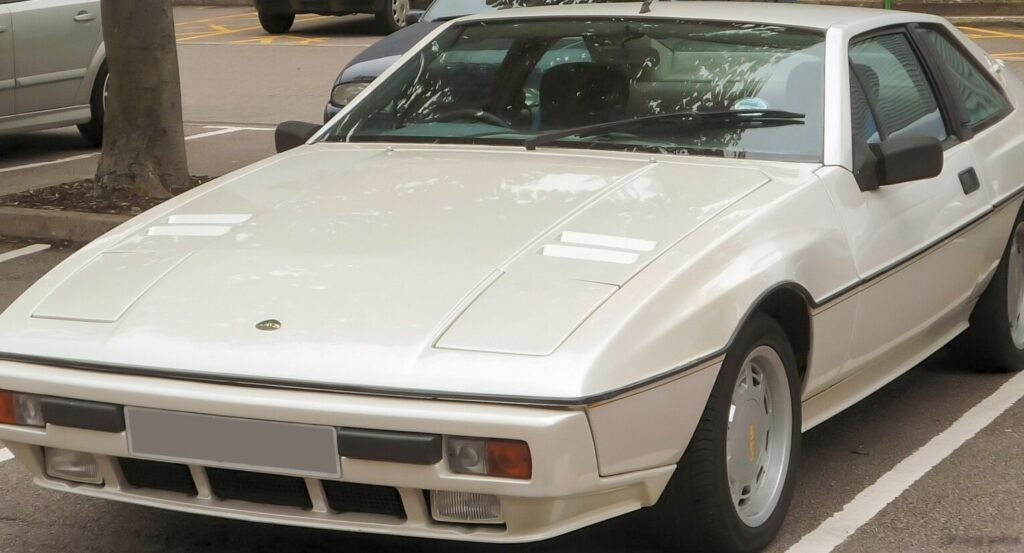
The Lotus Excel 2.2 SE/SA, produced between 1984 and 1991, represented a significant evolution of the earlier Lotus Esprit, aiming to provide a more accessible and usable sports car experience. Positioned as the entry-level to mid-range offering within the Excel lineup, it served as a more affordable alternative to the higher-performance variants like the Turbo models. The Excel, built on the GM-derived ‘Type 91’ chassis, sought to blend Lotus’s renowned handling characteristics with a degree of everyday practicality. It was a key model for Lotus during a period of transition and aimed to broaden the brand’s appeal beyond the dedicated enthusiast.
Technical Specifications
| Brand | Lotus |
| Model | Excel |
| Generation | Excel |
| Type (Engine) | 2.2 SE/SA (184 Hp) |
| Start of production | 1984 |
| End of production | 1991 |
| Powertrain Architecture | Internal Combustion engine |
| Body type | Coupe |
| Seats | 4 |
| Doors | 2 |
| Fuel consumption (economy) – urban | 14.3 l/100 km (16.4 US mpg, 19.8 UK mpg, 7 km/l) |
| Fuel consumption (economy) – extra urban | 6.7 l/100 km (35.1 US mpg, 42.2 UK mpg, 14.9 km/l) |
| Fuel consumption (economy) – combined | 8.6 l/100 km (27.4 US mpg, 32.8 UK mpg, 11.6 km/l) |
| Fuel Type | Petrol (Gasoline) |
| Acceleration 0 – 100 km/h | 7 sec |
| Acceleration 0 – 62 mph | 7 sec |
| Acceleration 0 – 60 mph | 6.8 sec |
| Maximum speed | 217 km/h (134.84 mph) |
| Weight-to-power ratio | 6.2 kg/Hp, 162.1 Hp/tonne |
| Weight-to-torque ratio | 5.1 kg/Nm, 197.4 Nm/tonne |
| Power | 184 Hp @ 6500 rpm |
| Power per litre | 84.6 Hp/l |
| Torque | 224 Nm @ 5000 rpm (165.21 lb.-ft. @ 5000 rpm) |
| Engine Model/Code | Lotus 912 |
| Engine displacement | 2174 cm3 (132.67 cu. in.) |
| Number of cylinders | 4 |
| Engine configuration | Inline |
| Cylinder Bore | 95.29 mm (3.75 in.) |
| Piston Stroke | 76.2 mm (3 in.) |
| Compression ratio | 10.9:1 |
| Number of valves per cylinder | 4 |
| Fuel injection system | Carburettor |
| Engine aspiration | Naturally aspirated engine |
| Valvetrain | DOHC |
| Kerb Weight | 1135 kg (2502.25 lbs.) |
| Trunk (boot) space – minimum | 370 l (13.07 cu. ft.) |
| Fuel tank capacity | 67 l (17.7 US gal | 14.74 UK gal) |
| Length | 4395 mm (173.03 in.) |
| Width | 1815 mm (71.46 in.) |
| Height | 1205 mm (47.44 in.) |
| Wheelbase | 2490 mm (98.03 in.) |
| Front track | 1460 mm (57.48 in.) |
| Rear (Back) track | 1460 mm (57.48 in.) |
| Number of gears and type of gearbox | 5 gears, manual transmission |
| Front suspension | Coil spring |
| Rear suspension | Coil spring |
| Front brakes | Ventilated discs |
| Rear brakes | Disc |
| Assisting systems | ABS (Anti-lock braking system) |
| Steering type | Steering rack and pinion |
| Tires size | 215/50 R15 |
| Wheel rims size | 15 |
Powertrain & Engine Architecture
The heart of the Excel 2.2 SE/SA is the Lotus 912 engine, a 2.2-liter (2174 cc) inline-four cylinder powerplant. This engine, while sharing some lineage with earlier Lotus engines, was significantly updated. It featured a cast iron block and an aluminum cylinder head with dual overhead camshafts (DOHC) operating four valves per cylinder. Unlike later Lotus models, the 2.2 SE/SA utilized twin Weber 32/36 DGV carburetors for fuel delivery, a relatively archaic system by the late 1980s but one that contributed to the engine’s character. The engine produced 184 horsepower at 6500 rpm and 224 Nm (165 lb-ft) of torque at 5000 rpm. The engine was mated to a five-speed manual transmission, providing a direct connection to the rear wheels. The transmission was known for its precise shift feel, contributing to the car’s engaging driving experience.
Driving Characteristics
The Excel 2.2 SE/SA offered a compelling blend of performance and handling. While not as brutally quick as the turbocharged Excel variants, the naturally aspirated 2.2-liter engine provided ample power for spirited driving. Acceleration from 0-60 mph took around 6.8 seconds, and it could achieve a top speed of approximately 135 mph. The car’s relatively light weight (around 2500 lbs) and well-tuned suspension contributed to its nimble handling. The steering was precise and communicative, providing the driver with a good feel for the road. Compared to the Turbo models, the 2.2 SE/SA offered a more linear power delivery, making it more accessible and predictable for everyday driving. The five-speed manual transmission allowed drivers to keep the engine in its sweet spot, maximizing performance. The gear ratios were well-chosen, providing good acceleration in each gear.
Equipment & Trim Levels
The Excel 2.2 SE/SA was reasonably well-equipped for a sports car of its era. Standard features included power-assisted steering, anti-lock brakes (ABS), and leather upholstery. The interior was relatively minimalist but functional, with a focus on the driving experience. The dashboard layout was straightforward, with clearly marked gauges. Optional extras included air conditioning, a sunroof, and upgraded audio systems. The ‘SE’ designation indicated a higher level of trim than the base model, with additional comfort and convenience features. Interior color options were limited but typically included black or grey leather.
Chassis & Braking
The Excel’s chassis was a steel backbone design, a hallmark of Lotus engineering. This construction method provided a high degree of rigidity while keeping weight to a minimum. The suspension consisted of independent coil springs all around, with anti-roll bars to reduce body roll. The front brakes were ventilated discs, while the rear brakes were solid discs. The ABS system helped to improve braking performance and stability, particularly in wet or slippery conditions. The car’s suspension was tuned to provide a balance between comfort and handling, offering a relatively compliant ride without sacrificing agility.
Market Reception & Comparison
The Lotus Excel 2.2 SE/SA was generally well-received by automotive critics. It was praised for its handling, performance, and overall driving experience. However, some critics noted the car’s relatively high price and the somewhat dated carburetor-based fuel injection system. Compared to the Turbo models, the 2.2 SE/SA offered a more affordable entry point into the Lotus brand. It also provided better fuel economy and potentially lower maintenance costs. Against competitors like the Porsche 944, the Excel offered a more raw and engaging driving experience, albeit with a less refined interior.
Legacy
The Lotus Excel 2.2 SE/SA remains a popular choice among Lotus enthusiasts today. The 912 engine, while not the most powerful, is generally considered to be reliable and relatively easy to maintain. The car’s simple construction and readily available parts make it a viable option for those looking for a classic sports car that can be enjoyed on a regular basis. However, like all classic cars, the Excel requires regular maintenance and attention to detail. Rust can be a concern, particularly in areas exposed to harsh weather conditions. The Excel’s enduring appeal lies in its ability to deliver a pure and engaging driving experience, a hallmark of the Lotus brand.
