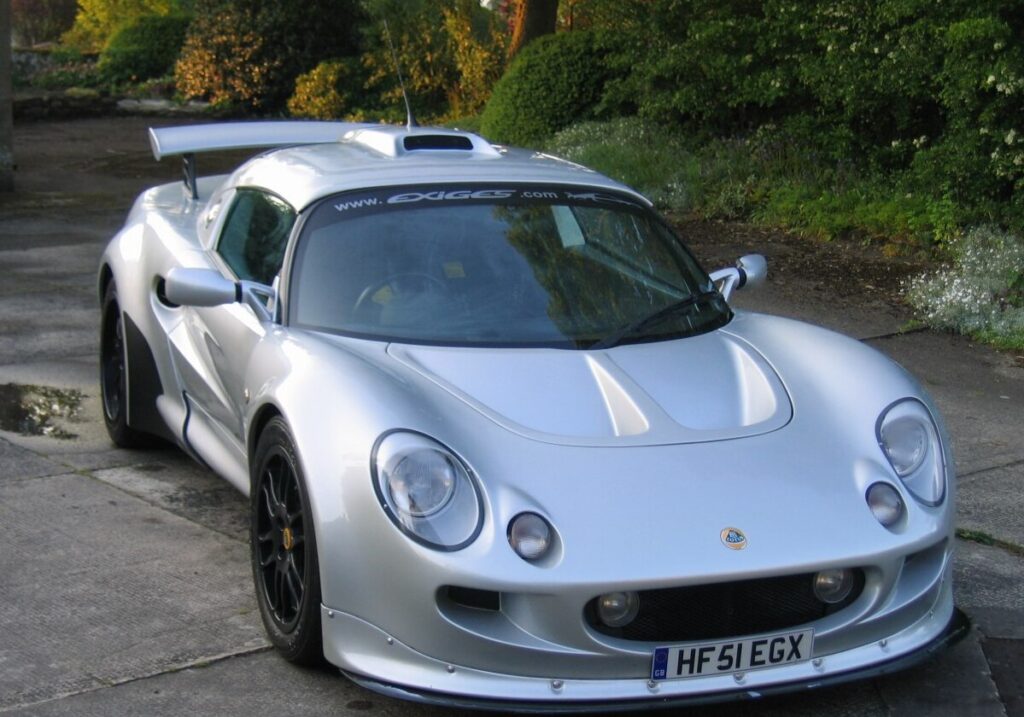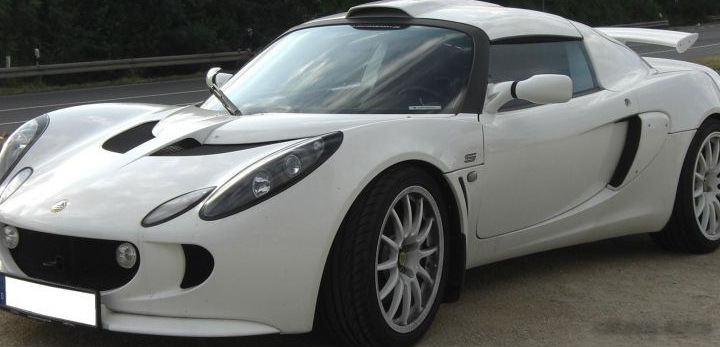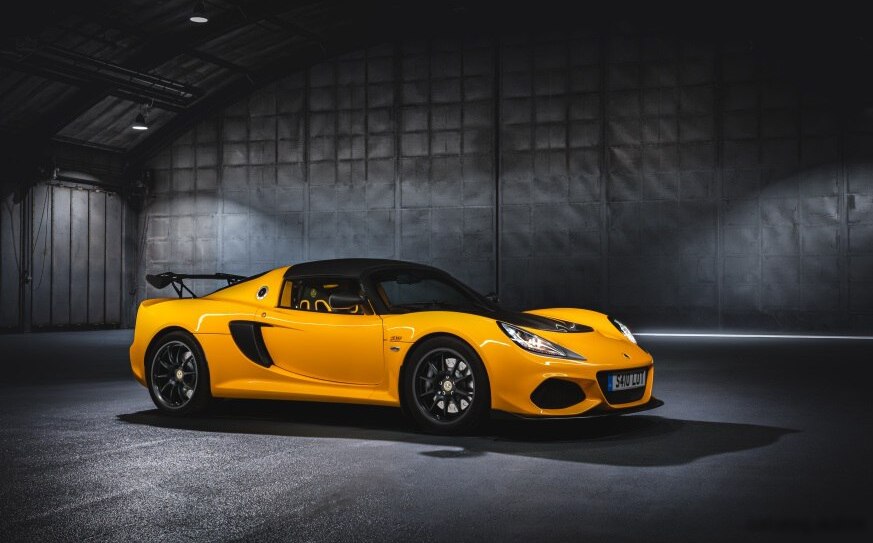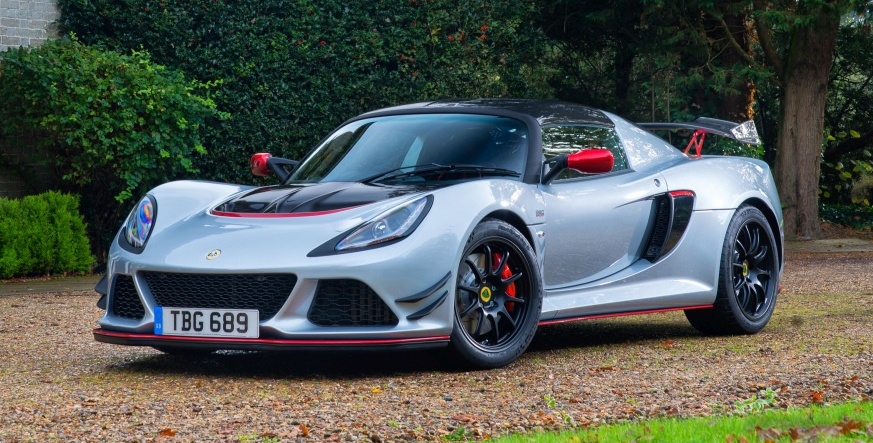
The Lotus Exige III S Coupe Cup 380, produced from April 2017 to 2018, represents a focused, high-performance iteration of the Exige III S Coupe. Positioned as a track-day oriented variant within the broader Exige lineup, the Cup 380 aimed to deliver uncompromising performance and driver engagement. It built upon the already lightweight and agile Exige platform, adding significant power and aerodynamic enhancements. The “Cup” designation signified its direct lineage to Lotus’s successful racing programs, offering a road-legal experience closely mirroring that of a competition car. This model is part of the wider Exige III generation (2007-2021), which itself was a significant evolution of the original Exige, known for its minimalist design and exceptional handling.
Technical Specifications
| Brand | Lotus |
| Model | Exige |
| Generation | Exige III S Coupe |
| Type | Cup 380 3.5 V6 (380 Hp) |
| Start of production | April, 2017 |
| End of production | 2018 |
| Powertrain Architecture | Internal Combustion engine |
| Body type | Coupe |
| Seats | 2 |
| Doors | 2 |
| Fuel consumption (urban) | 14.1 l/100 km (16.7 US mpg, 20 UK mpg, 7.1 km/l) |
| Fuel consumption (extra urban) | 8.3 l/100 km (28.3 US mpg, 34 UK mpg, 12 km/l) |
| Fuel consumption (combined) | 10.4 l/100 km (22.6 US mpg, 27.2 UK mpg, 9.6 km/l) |
| CO2 emissions | 242 g/km |
| Fuel Type | Petrol (Gasoline) |
| Acceleration 0 – 100 km/h | 3.6 sec |
| Acceleration 0 – 62 mph | 3.6 sec |
| Acceleration 0 – 60 mph | 3.4 sec |
| Maximum speed | 282 km/h (175.23 mph) |
| Weight-to-power ratio | 2.9 kg/Hp, 343.9 Hp/tonne |
| Weight-to-torque ratio | 2.7 kg/Nm, 371 Nm/tonne |
| Power | 380 Hp @ 6700 rpm |
| Power per litre | 110 Hp/l |
| Torque | 410 Nm @ 5000 rpm (302.4 lb.-ft. @ 5000 rpm) |
| Engine layout | Middle, Transverse |
| Engine displacement | 3456 cm3 (210.9 cu. in.) |
| Number of cylinders | 6 |
| Engine configuration | V-engine |
| Number of valves per cylinder | 4 |
| Engine aspiration | Supercharger, Intercooler |
| Valvetrain | DOHC, VVT-i |
| Kerb Weight | 1105 kg (2436.11 lbs.) |
| Drivetrain Architecture | Rear wheel drive |
| Drive wheel | Rear wheel drive |
| Number of gears and type of gearbox | 6 gears, manual transmission |
| Front brakes | Ventilated discs |
| Rear brakes | Ventilated discs |
| Assisting systems | ABS (Anti-lock braking system) |
| Steering type | Steering rack and pinion |
| Tires size | 215/45 R17; 285/30 R18 |
| Wheel rims size | 17; 18 |
Powertrain & Engine Architecture
The heart of the Exige Cup 380 is the Lotus-developed 3.5-liter supercharged V6 engine, internally designated as the 2GR-FE. This engine, sourced originally from Toyota, has been extensively modified by Lotus engineers. The supercharger, a Roots-type unit, provides instant boost and a broad torque curve. An intercooler is crucial for managing intake air temperatures, maximizing power output and preventing knock. The engine features a dual overhead camshaft (DOHC) valvetrain with variable valve timing (VVT-i) on both intake and exhaust camshafts, optimizing performance across the rev range. Fuel is delivered via direct injection, contributing to improved efficiency and responsiveness. The engine is transversely mounted behind the driver, contributing to the car’s exceptional balance. The Cup 380 exclusively utilized a six-speed manual transmission, prioritizing driver control and engagement. The gearbox features close ratios designed to keep the engine within its optimal power band during spirited driving.
Driving Characteristics
The Exige Cup 380 delivers a raw and visceral driving experience. The combination of the supercharged V6 and the lightweight chassis results in breathtaking acceleration. The 0-60 mph sprint is dispatched in just 3.4 seconds, and the car continues to pull strongly to its top speed of 175 mph. The manual transmission requires precise shifts, but rewards the driver with a direct connection to the powertrain. The steering is exceptionally precise and communicative, providing abundant feedback. The suspension is firm, reflecting the car’s track-focused intentions, but manages to remain reasonably compliant on public roads. Compared to the standard Exige S, the Cup 380 feels significantly more aggressive and responsive. The higher power output and revised suspension settings transform the car into a true performance weapon. While the standard Exige offers a more balanced blend of comfort and performance, the Cup 380 prioritizes outright speed and handling.
Equipment & Trim Levels
The Exige Cup 380 was relatively sparsely equipped, reflecting its focus on performance. Standard features included lightweight composite body panels, a minimalist interior with racing seats, and a limited-slip differential. Air conditioning and a stereo system were often optional extras, as were leather upholstery and upgraded trim materials. The interior prioritized functionality over luxury, with a clear and concise instrument cluster and a driver-focused layout. The Cup 380 also featured a unique aerodynamic package, including a large rear wing and front splitter, designed to generate significant downforce. The car was available in a range of vibrant exterior colors, often with contrasting accents.
Chassis & Braking
The Exige III S Coupe utilizes a lightweight, bonded aluminum chassis, providing exceptional rigidity and strength. The suspension features fully independent double wishbones at all four corners, with adjustable dampers and springs. The Cup 380 benefited from revised suspension geometry and stiffer spring rates compared to the standard Exige S, further enhancing handling performance. Braking duties are handled by ventilated discs at all four corners, providing ample stopping power. The ABS system is calibrated for track use, allowing for aggressive braking maneuvers. The car’s low weight and balanced chassis contribute to its exceptional cornering ability.
Market Reception & Comparison
The Lotus Exige Cup 380 was widely praised by automotive journalists for its exceptional performance and handling. Critics lauded its raw driving experience and its ability to deliver a genuine connection between driver and machine. However, some reviewers noted the car’s firm ride and minimalist interior as potential drawbacks for everyday use. Compared to other sports cars in its price range, the Exige Cup 380 offered a unique and uncompromising driving experience. It was often compared to the Porsche Cayman GT4, but offered a more raw and visceral experience. Fuel economy, while not a primary concern for buyers of this type of vehicle, was reasonable for a high-performance sports car, averaging around 22.6 US mpg in combined driving.
Legacy
The Lotus Exige Cup 380 remains a highly sought-after vehicle among enthusiasts. The 3.5-liter supercharged V6 engine has proven to be remarkably reliable, provided it is properly maintained. The car’s lightweight construction and simple design contribute to its long-term durability. In the used car market, the Cup 380 commands a premium price due to its limited production numbers and its exceptional performance. It is considered a modern classic, representing a golden age of Lotus engineering and a commitment to pure driving pleasure. The Exige Cup 380 continues to be a popular choice for track day enthusiasts and collectors alike.