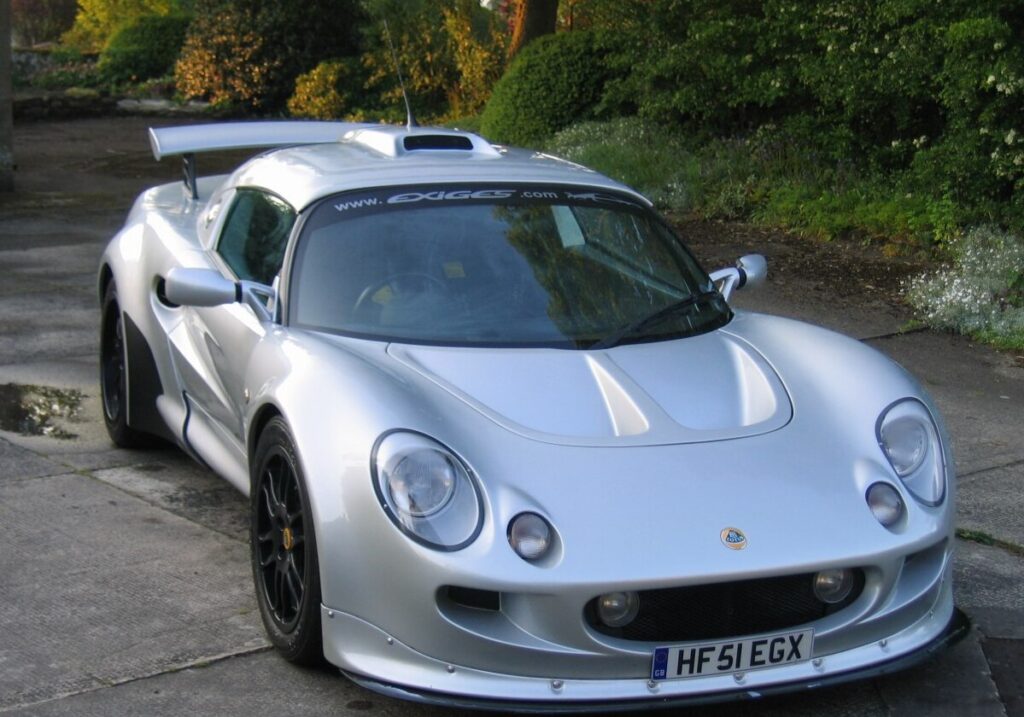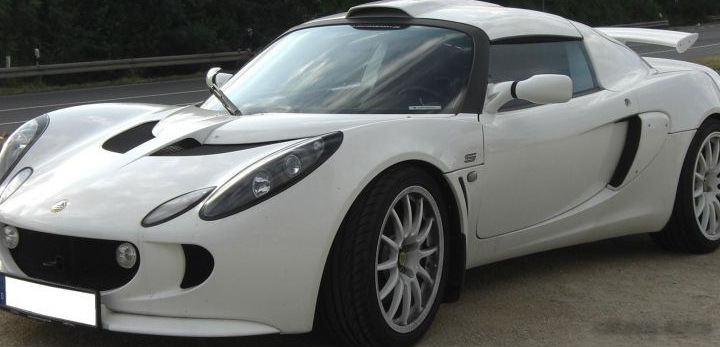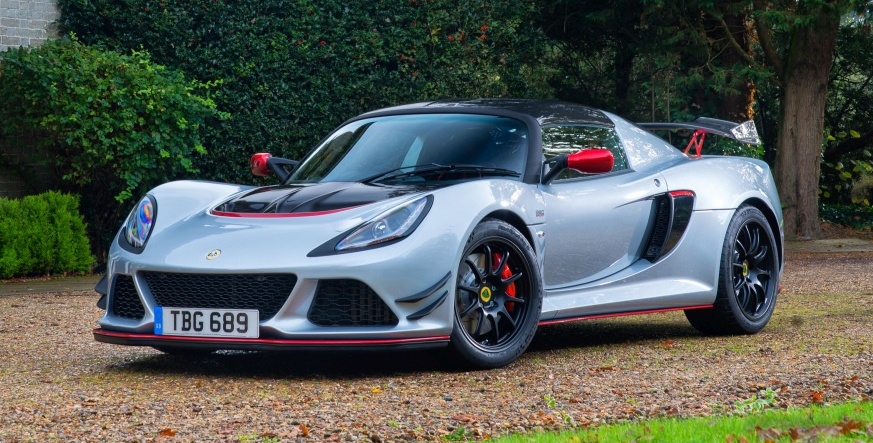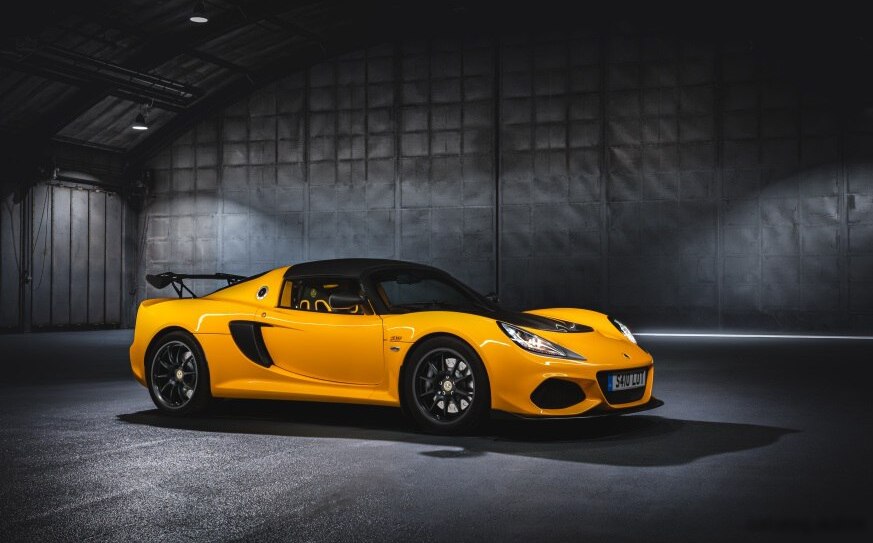
The Lotus Exige III S Coupe (facelift 2018) Sport 350 V6 represents a focused iteration of the Exige lineage, produced from 2018 onwards. Positioned as a high-performance variant within the broader Exige III range, it builds upon the foundation of the 1HX0/A3 platform, known for its lightweight construction and driver-centric experience. This model aimed to deliver a significant step up in power and track capability compared to the base Exige, while retaining the core principles of Lotus engineering – simplicity, reliability, and exhilarating performance. The “Sport 350” designation refers to the engine’s output, and this coupe version offered a more refined and weather-protected experience than the open-top Exige S models.
Technical Specifications
| Brand | Lotus |
| Model | Exige |
| Generation | Exige III S Coupe (facelift 2018) |
| Type (Engine) | Sport 350 V6 (350 Hp) |
| Start of production | 2018 |
| Powertrain Architecture | Internal Combustion engine |
| Body type | Coupe |
| Seats | 2 |
| Doors | 2 |
| Fuel consumption at Low speed (WLTP) | 16.2 l/100 km (14.5 US mpg, 17.4 UK mpg, 6.2 km/l) |
| Fuel consumption at Medium speed (WLTP) | 10 l/100 km (23.5 US mpg, 28.2 UK mpg, 10 km/l) |
| Fuel consumption at high speed (WLTP) | 8.6 l/100 km (27.4 US mpg, 32.8 UK mpg, 11.6 km/l) |
| Fuel consumption at very high speed (WLTP) | 8.8 l/100 km (26.7 US mpg, 32.1 UK mpg, 11.4 km/l) |
| Combined fuel consumption (WLTP) | 10 l/100 km (23.5 US mpg, 28.2 UK mpg, 10 km/l) |
| CO2 emissions (WLTP) | 225 g/km |
| Fuel Type | Petrol (Gasoline) |
| Acceleration 0 – 100 km/h | 4.1 sec |
| Acceleration 0 – 62 mph | 4.1 sec |
| Acceleration 0 – 60 mph | 3.6 sec |
| Maximum speed | 274 km/h (170.26 mph) |
| Weight-to-power ratio | 3.2 kg/Hp, 311.1 Hp/tonne |
| Weight-to-torque ratio | 2.8 kg/Nm, 355.6 Nm/tonne |
| Power | 350 Hp @ 7000 rpm |
| Power per litre | 101.3 Hp/l |
| Torque | 400 Nm @ 4500 rpm (295.02 lb.-ft. @ 4500 rpm) |
| Engine layout | Middle, Transverse |
| Engine Model/Code | 2GR-FE |
| Engine displacement | 3456 cm3 (210.9 cu. in.) |
| Number of cylinders | 6 |
| Engine configuration | V-engine |
| Number of valves per cylinder | 4 |
| Engine aspiration | Supercharger, Intercooler |
| Valvetrain | DOHC, VVT-i |
| Engine oil capacity | 5.75 l (6.08 US qt | 5.06 UK qt) |
| Coolant | 14 l (14.79 US qt | 12.32 UK qt) |
| Kerb Weight | 1125 kg (2480.2 lbs) |
| Fuel tank capacity | 44 l (11.62 US gal | 9.68 UK gal) |
| Length | 4084 mm (160.79 in) |
| Width | 1802 mm (70.94 in) |
| Height | 1129 mm (44.45 in) |
| Drivetrain Architecture | Rear wheel drive |
| Drive wheel | Rear wheel drive |
| Number of gears and type of gearbox | 6 gears, manual transmission |
| Front suspension | Double wishbone |
| Rear suspension | Double wishbone |
| Front brakes | Ventilated discs |
| Rear brakes | Ventilated discs |
| Assisting systems | ABS (Anti-lock braking system) |
| Tires size | Front wheel tires: 205/45 R17, Rear wheel tires: 265/35 R18 |
| Wheel rims size | Front wheel rims: 17, Rear wheel rims: 18 |
Powertrain & Engine Architecture
At the heart of the Exige Sport 350 is the Toyota-sourced 2GR-FE 3.5-liter supercharged V6 engine. This engine, known for its robustness and high specific output, is transversely mounted behind the driver, contributing to the car’s exceptional balance. The supercharger, an Eaton TVS unit, provides instant boost and a broad torque curve, unlike the lag often associated with turbochargers. The engine utilizes a dual overhead camshaft (DOHC) valvetrain with variable valve timing (VVT-i) on both intake and exhaust sides, optimizing performance and efficiency across the rev range. Fuel is delivered via direct injection, further enhancing combustion efficiency and power output. The 6-speed manual transmission, a crucial element of the driving experience, features close ratios designed to maximize acceleration and keep the engine within its optimal power band. This engine code is well-regarded for its reliability when properly maintained.
Driving Characteristics
The 350 horsepower and 295 lb-ft of torque delivered by the supercharged V6 translate into exhilarating performance. Acceleration from 0-60 mph is achieved in just 3.6 seconds, and the car reaches a top speed of 170 mph. The relatively short wheelbase and lightweight construction (around 2480 lbs) contribute to incredibly responsive handling. Compared to lower-powered Exige variants, the Sport 350 offers a significantly more potent driving experience, with noticeably stronger acceleration in all gears. The manual transmission’s precise shift action and well-chosen gear ratios allow the driver to fully exploit the engine’s power. While the ride is firm – typical of a Lotus – it’s surprisingly compliant for a track-focused car. The steering is direct and communicative, providing exceptional feedback to the driver.
Equipment & Trim Levels
The Exige Sport 350 Coupe was relatively sparsely equipped by modern standards, reflecting Lotus’s focus on minimizing weight. Standard features included air conditioning, leather and Alcantara upholstery, and a basic audio system. Lightweight composite seats were standard, offering excellent support during spirited driving. Optional extras included upgraded audio systems, navigation, and various cosmetic enhancements. The interior design prioritized functionality over luxury, with a minimalist dashboard layout and clearly visible instrumentation. The coupe body style offered improved weather protection and a more refined cabin experience compared to the open-top Exige S models.
Chassis & Braking
The Exige III S Coupe utilizes a lightweight, bonded aluminum chassis, a hallmark of Lotus engineering. This chassis provides exceptional rigidity and contributes significantly to the car’s low weight. The suspension features double wishbones at both the front and rear, with adjustable dampers and anti-roll bars. Braking is handled by ventilated discs at all four corners, providing ample stopping power. ABS (Anti-lock Braking System) is standard. The car’s relatively low weight and balanced chassis contribute to exceptional handling and braking performance. The suspension setup is tuned for track use, offering a firm but controlled ride.
Market Reception & Comparison
The Exige Sport 350 Coupe was generally well-received by automotive critics, who praised its exceptional handling, powerful engine, and engaging driving experience. It was often compared favorably to other high-performance sports cars, such as the Porsche Cayman and Chevrolet Corvette. Compared to the standard Exige, the Sport 350 offered a substantial performance upgrade, justifying its higher price tag. Fuel economy, while not a primary concern for buyers of this type of vehicle, was reasonable for its performance level. Reliability was generally good, although maintenance costs could be higher than for more mainstream sports cars due to the specialized nature of the vehicle.
Legacy
The Lotus Exige Sport 350 Coupe remains a highly sought-after sports car in the used market. Its combination of lightweight construction, powerful engine, and exceptional handling continues to appeal to driving enthusiasts. The Toyota 2GR-FE engine is known for its durability, and with proper maintenance, these cars are expected to provide many years of reliable performance. The Exige III S Coupe represents a high point in Lotus’s history, showcasing the company’s commitment to building pure, driver-focused sports cars. Its influence can be seen in subsequent Lotus models and continues to inspire automotive enthusiasts around the world.