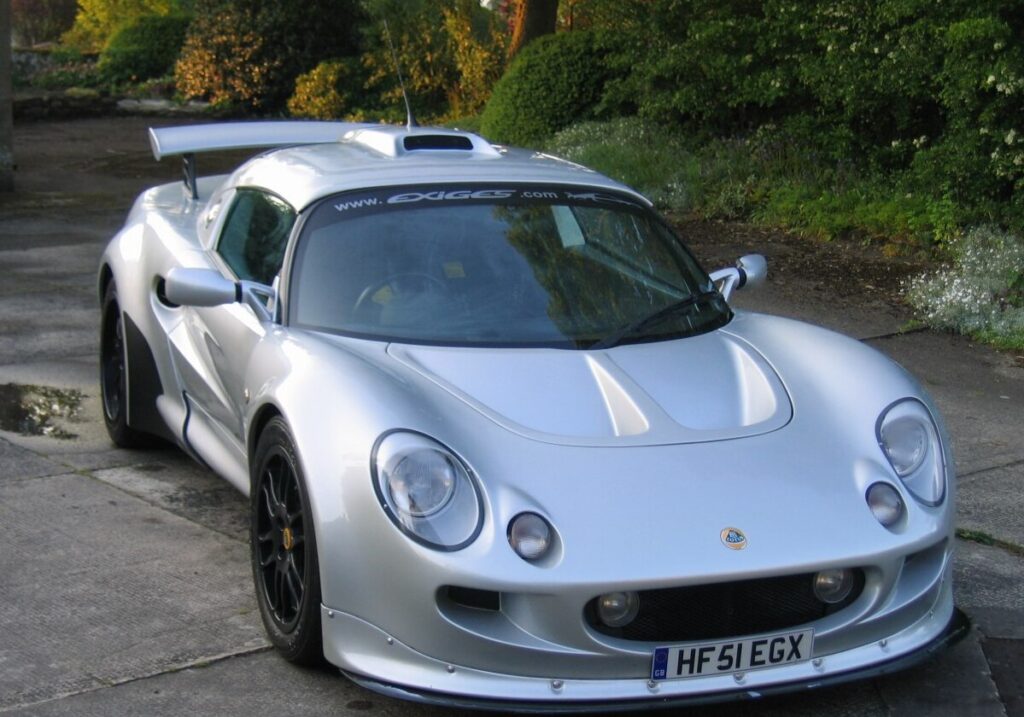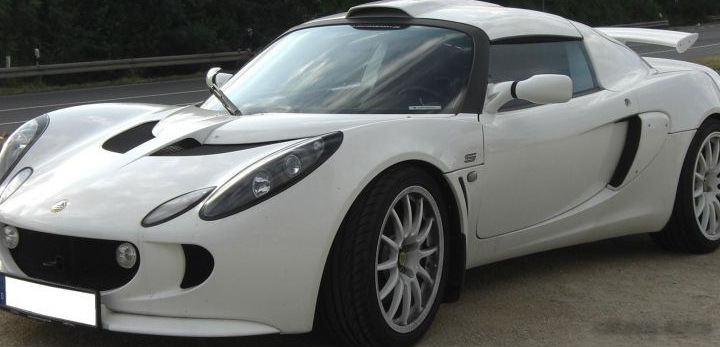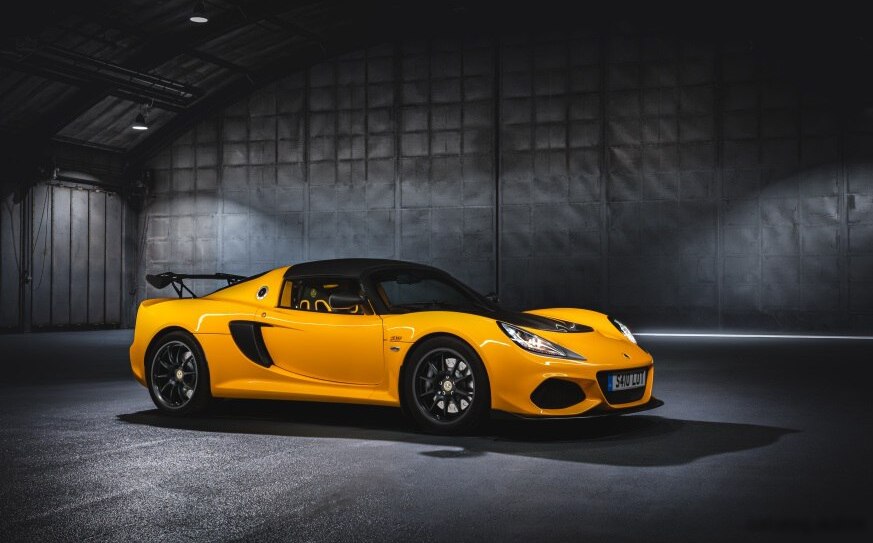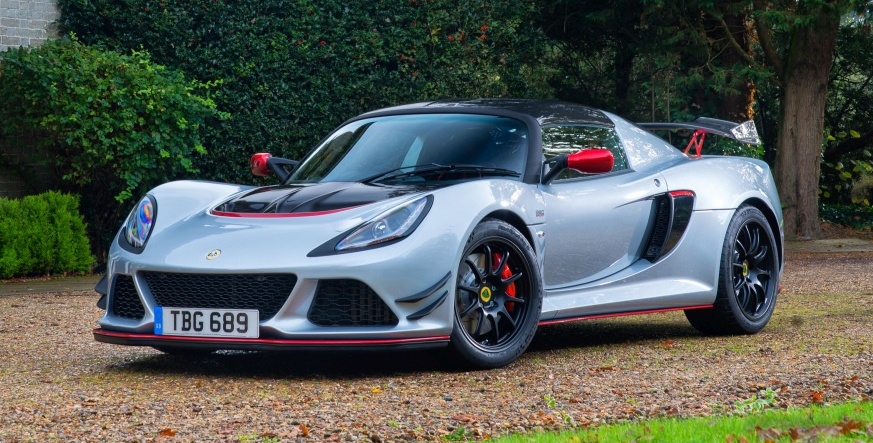
The Lotus Exige III S Coupe Sport 350, produced from February 2016 to 2018, represents a focused iteration of the Exige lineage. Positioned as a high-performance variant within the broader Exige III range (based on the 1HX0/A3 platform), the Sport 350 aimed to deliver a raw, engaging driving experience with a significant power upgrade over the standard Exige. This coupe version offered a more practical, all-weather alternative to the open-top Exige while retaining the core principles of lightweight construction and exceptional handling that define the Lotus brand. It served as a bridge between the more accessible Exige S models and the even more extreme Exige Cup variants.
Technical Specifications
| Brand | Lotus |
| Model | Exige |
| Generation | Exige III S Coupe |
| Type | Sport 350 3.5 V6 (350 Hp) |
| Start of production | February, 2016 |
| End of production | 2018 |
| Powertrain Architecture | Internal Combustion engine |
| Body type | Coupe |
| Seats | 2 |
| Doors | 2 |
| Fuel consumption (urban) | 14.5 l/100 km (16.2 US mpg, 19.5 UK mpg, 6.9 km/l) |
| Fuel consumption (extra urban) | 7.6 l/100 km (30.9 US mpg, 37.2 UK mpg, 13.2 km/l) |
| Fuel consumption (combined) | 10.1 l/100 km (23.3 US mpg, 28 UK mpg, 9.9 km/l) |
| CO2 emissions | 235 g/km |
| Fuel Type | Petrol (Gasoline) |
| Acceleration 0 – 100 km/h | 3.9 sec |
| Acceleration 0 – 62 mph | 3.9 sec |
| Acceleration 0 – 60 mph | 3.7 sec |
| Maximum speed | 274 km/h (170.26 mph) |
| Weight-to-power ratio | 3.2 kg/Hp, 311.1 Hp/tonne |
| Weight-to-torque ratio | 2.8 kg/Nm, 355.6 Nm/tonne |
| Power | 350 Hp @ 7000 rpm |
| Torque | 400 Nm @ 4500 rpm (295.02 lb.-ft. @ 4500 rpm) |
| Engine layout | Middle, Transverse |
| Engine Model/Code | 2GR-FE |
| Number of cylinders | 6 |
| Engine configuration | V-engine |
| Number of valves per cylinder | 4 |
| Fuel injection system | Multi-port manifold injection |
| Engine aspiration | Supercharger, Intercooler |
| Valvetrain | DOHC – VVT-i |
| Engine oil capacity | 6.1 l (6.45 US qt | 5.37 UK qt) |
| Coolant capacity | 14 l (14.79 US qt | 12.32 UK qt) |
| Kerb Weight | 1125 kg (2480.2 lbs) |
| Fuel tank capacity | 40 l (10.57 US gal | 8.8 UK gal) |
| Length | 4084 mm (160.79 in) |
| Width | 1802 mm (70.94 in) |
| Height | 1129 mm (44.45 in) |
| Wheelbase | 2370 mm (93.31 in) |
| Drivetrain Architecture | Rear wheel drive |
| Number of gears | 6 gears, manual transmission |
| Front suspension | Double wishbone |
| Rear suspension | Double wishbone |
| Front brakes | Ventilated discs |
| Rear brakes | Ventilated discs |
| Assisting systems | ABS (Anti-lock braking system) |
| Steering type | Steering rack and pinion |
| Tires size | 205/45 R17; 265/35 R18 |
| Wheel rims size | 17; 18 |
Powertrain & Engine Architecture
At the heart of the Exige Sport 350 lies the Toyota-sourced 2GR-FE 3.5-liter V6 engine. This engine, transversely mounted and positioned mid-ship, is a key component of the car’s performance. The 2GR-FE benefits from a supercharger and intercooler, boosting power output to 350 horsepower at 7000 rpm and 400 Nm (295 lb-ft) of torque at 4500 rpm. The engine utilizes a multi-port fuel injection system and a double overhead camshaft (DOHC) valvetrain with variable valve timing (VVT-i) on both intake and exhaust sides. This configuration allows for a broad powerband and responsive throttle characteristics. The engine is mated to a six-speed manual transmission, chosen for its direct connection and driver engagement. The transmission’s gear ratios are optimized for acceleration, contributing to the car’s impressive 0-60 mph time of around 3.7 seconds.
Driving Characteristics
The Exige Sport 350 delivers a visceral driving experience. The combination of the supercharged V6 and the lightweight chassis (approximately 2480 lbs) results in exhilarating acceleration and nimble handling. The manual transmission requires precise shifts, rewarding skilled drivers with a direct connection to the powertrain. Compared to lower-powered Exige models, the Sport 350 offers a significantly more potent surge of power throughout the rev range. While the standard Exige S provides a more accessible entry point, the Sport 350 demands more from the driver but offers a correspondingly greater reward. The relatively short wheelbase and finely tuned suspension contribute to exceptional cornering ability, making it a favorite among track-day enthusiasts.
Equipment & Trim Levels
The Exige Sport 350 was relatively spartan in its standard equipment, reflecting Lotus’s focus on performance over luxury. Standard features included lightweight sports seats, a leather-wrapped steering wheel, and basic instrumentation. Air conditioning and a radio were often optional extras. Interior trim was functional and minimalist, with exposed aluminum and carbon fiber accents. Customers could specify a range of options, including upgraded audio systems, full leather interiors, and various aerodynamic enhancements. The coupe body style itself added a degree of practicality, offering improved weather protection and a more secure storage area compared to the roadster version.
Chassis & Braking
The Exige III S Coupe utilizes a lightweight, bonded aluminum chassis, a hallmark of Lotus engineering. This chassis provides exceptional rigidity while minimizing weight. The suspension features double wishbones at both the front and rear, optimized for precise handling and minimal body roll. Ventilated disc brakes are fitted to all four wheels, providing ample stopping power. An Anti-lock Braking System (ABS) is standard. The car’s relatively low weight and balanced chassis contribute to its exceptional braking performance. The suspension setup is firm, prioritizing handling over ride comfort, which is typical for a performance-focused vehicle like the Exige.
Market Reception & Comparison
The Exige Sport 350 was generally well-received by automotive critics, who praised its exceptional handling, powerful engine, and engaging driving experience. It was often compared favorably to other lightweight sports cars, such as the Porsche Cayman and the Chevrolet Corvette. However, some critics noted the car’s relatively spartan interior and firm ride. Compared to the Exige S, the Sport 350 offered a substantial performance upgrade, but at a higher price point. Fuel economy, while not a primary concern for buyers of this type of vehicle, was reasonable for its performance level, averaging around 23.3 US mpg in combined driving. Reliability was generally good, benefiting from the robust Toyota engine, although maintenance costs could be higher due to the specialized nature of the vehicle.
Legacy
The Lotus Exige Sport 350 remains a highly sought-after vehicle in the used car market. Its combination of performance, handling, and exclusivity has made it a favorite among enthusiasts. The Toyota 2GR-FE engine is known for its durability and reliability, provided it is properly maintained. The Exige’s lightweight construction and focus on driver engagement continue to appeal to those seeking a pure, analog driving experience. The Sport 350 represents a high point in the Exige lineage, offering a compelling blend of performance and practicality in a beautifully designed package. It stands as a testament to Lotus’s commitment to building exceptional sports cars.