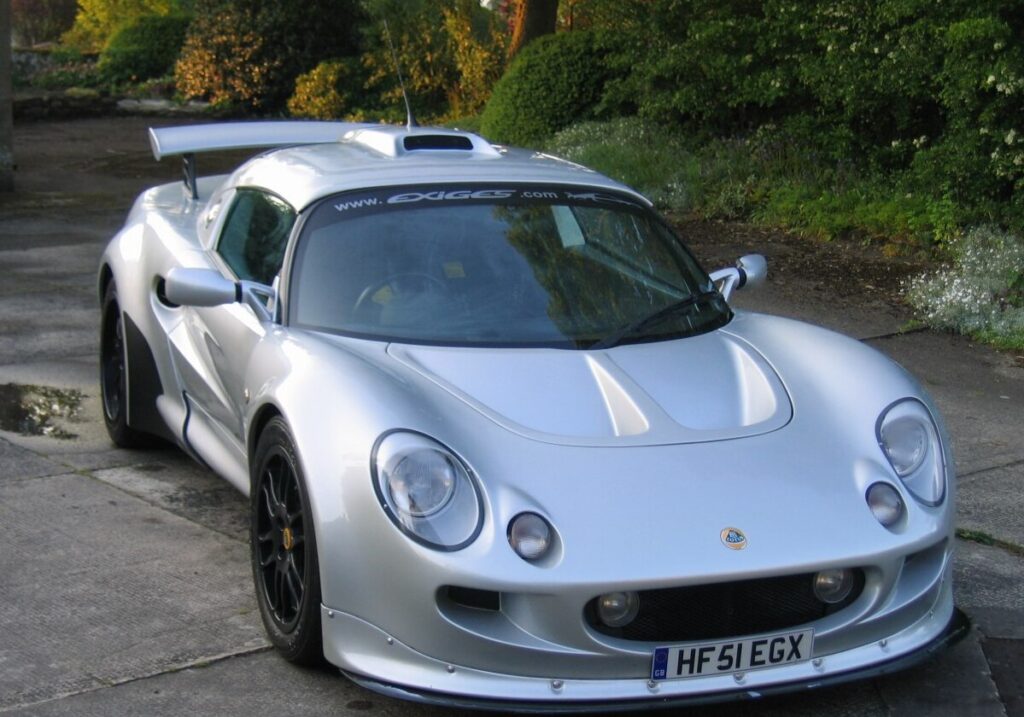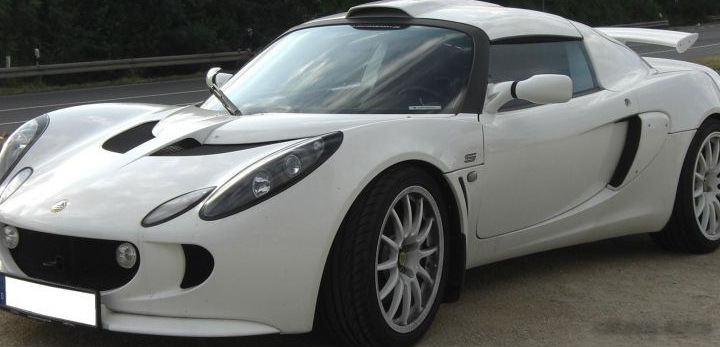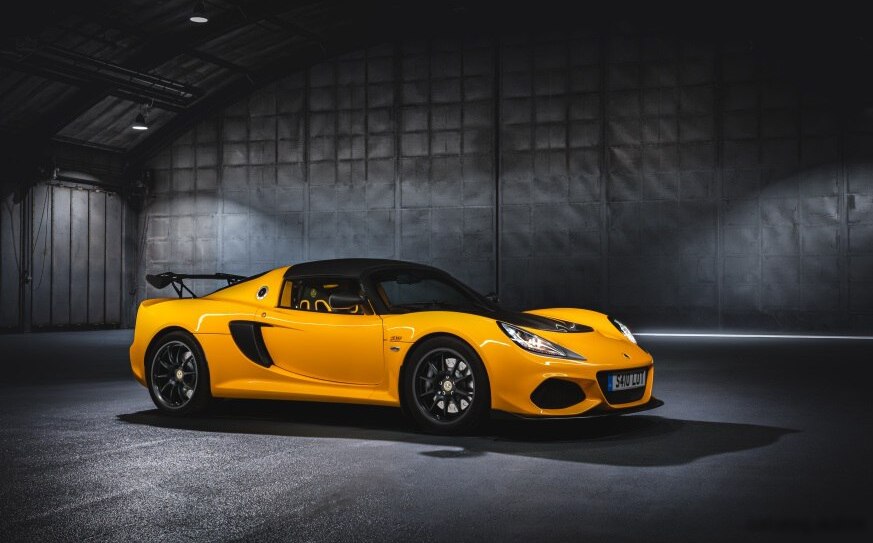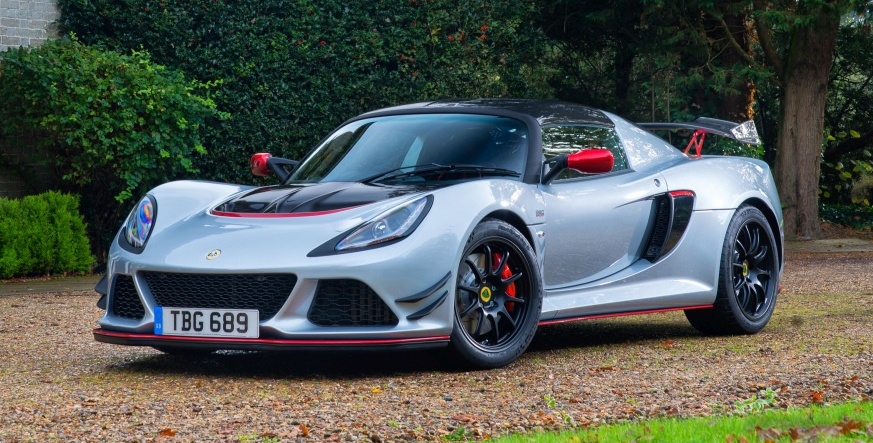
The Lotus Exige III S Coupe Sport 380, produced from February 2017 to February 2018, represents a focused, high-performance iteration of the Exige III lineage. Positioned as a near-track-ready variant, the Sport 380 aimed to deliver an uncompromising driving experience, bridging the gap between the standard Exige and the more extreme Exige Cup models. It’s built on the Lotus Versatile Platform (VVP), also known as the 1HX0/A3 platform, shared with the Evora and Elise. The “Sport 380” designation refers to the model’s power output in metric horsepower (PS), and it quickly gained recognition for its exceptional power-to-weight ratio and raw driving dynamics.
Technical Specifications
| Brand | Lotus |
| Model | Exige |
| Generation | Exige III S Coupe |
| Type | Sport 380 3.5 V6 (380 Hp) |
| Start of production | February, 2017 |
| End of production | February, 2018 |
| Powertrain Architecture | Internal Combustion engine |
| Body type | Coupe |
| Seats | 2 |
| Doors | 2 |
| Fuel consumption (urban) | 14.1 l/100 km (16.7 US mpg, 20 UK mpg, 7.1 km/l) |
| Fuel consumption (extra urban) | 8.3 l/100 km (28.3 US mpg, 34 UK mpg, 12 km/l) |
| Fuel consumption (combined) | 10.4 l/100 km (22.6 US mpg, 27.2 UK mpg, 9.6 km/l) |
| CO2 emissions | 242 g/km |
| Fuel Type | Petrol (Gasoline) |
| Acceleration 0 – 100 km/h | 3.7 sec |
| Acceleration 0 – 62 mph | 3.7 sec |
| Acceleration 0 – 60 mph | 3.5 sec |
| Maximum speed | 286 km/h (177.71 mph) |
| Weight-to-power ratio | 2.9 kg/Hp, 342.3 Hp/tonne |
| Weight-to-torque ratio | 2.7 kg/Nm, 369.4 Nm/tonne |
| Power | 380 Hp @ 6700 rpm |
| Power per litre | 110 Hp/l |
| Torque | 410 Nm @ 5000 rpm (302.4 lb.-ft. @ 5000 rpm) |
| Engine layout | Middle, Transverse |
| Engine Model/Code | 2GR-FE |
| Engine displacement | 3456 cm3 (210.9 cu. in.) |
| Number of cylinders | 6 |
| Engine configuration | V-engine |
| Number of valves per cylinder | 4 |
| Engine aspiration | Supercharger, Intercooler |
| Valvetrain | DOHC, VVT-i |
| Engine oil capacity | 6.1 l (6.45 US qt | 5.37 UK qt) |
| Coolant | 14 l (14.79 US qt | 12.32 UK qt) |
| Kerb Weight | 1110 kg (2447.13 lbs) |
| Drivetrain | Rear wheel drive |
| Number of gears | 6 gears, manual transmission |
| Front brakes | Ventilated discs |
| Rear brakes | Ventilated discs |
| Front tires | 215/45 R17 |
| Rear tires | 285/30 R18 |
Powertrain & Engine Architecture
The heart of the Exige Sport 380 is the Toyota-sourced 2GR-FE 3.5-liter supercharged V6 engine. This engine, a staple in various Toyota and Lotus models, benefits from a Roots-type supercharger and an intercooler, delivering a substantial 380 horsepower at 6,700 rpm and 302.4 lb-ft of torque at 5,000 rpm. The engine utilizes a dual overhead camshaft (DOHC) valvetrain with variable valve timing (VVT-i) on both intake and exhaust sides, optimizing performance and efficiency across the rev range. Fuel delivery is managed by electronic fuel injection. The engine is transversely mounted in the mid-engine layout, contributing to the car’s balanced handling characteristics. The Sport 380 exclusively came with a six-speed manual transmission, prioritizing driver engagement and control. This transmission features close ratios designed to maximize the engine’s power band and provide quick acceleration.
Driving Characteristics
The Exige Sport 380 delivers a visceral and engaging driving experience. The combination of the supercharged V6 and the lightweight chassis (approximately 2,447 lbs) results in blistering acceleration – 0 to 60 mph in around 3.5 seconds and a top speed of 177.71 mph. The manual transmission requires precise shifts, but rewards the driver with a direct connection to the powertrain. Compared to the standard Exige, the Sport 380 feels significantly more potent, with noticeably stronger acceleration in all gears. While the standard Exige offers a more forgiving experience, the Sport 380 demands a higher level of driver skill and focus. The close-ratio gearbox keeps the engine within its optimal power band, allowing for rapid corner exits. The car’s limited-slip differential further enhances traction and stability during spirited driving.
Equipment & Trim Levels
The Sport 380 was relatively spartan in its focus on performance, but still offered a reasonable level of equipment. Standard features included lightweight composite body panels, a fully carpeted interior, air conditioning, and power windows. The interior featured sport seats upholstered in Alcantara and leather, providing excellent support during aggressive driving. Optional extras included a premium audio system, navigation, and various cosmetic enhancements. Lotus offered a range of customization options, allowing buyers to personalize their Sport 380 with different paint colors, interior trims, and wheel designs. The overall interior design prioritized functionality and weight reduction over luxury.
Chassis & Braking
The Exige Sport 380 utilizes a lightweight, bonded aluminum chassis, a hallmark of Lotus engineering. This chassis provides exceptional rigidity and contributes significantly to the car’s low weight. The suspension features independent double wishbones all around, with Eibach springs and Bilstein dampers tuned for track-focused performance. The braking system consists of ventilated discs at all four corners, providing ample stopping power. Anti-lock braking system (ABS) is standard. The car’s relatively low weight and balanced chassis contribute to its exceptional handling capabilities. The steering is unassisted, providing direct and precise feedback to the driver. The Sport 380’s suspension is noticeably firmer than the standard Exige, resulting in a more controlled and responsive ride.
Market Reception & Comparison
The Lotus Exige Sport 380 was widely praised by automotive journalists for its exceptional performance, handling, and driver engagement. Critics lauded the car’s raw driving experience and its ability to deliver a thrilling experience on both the road and the track. Compared to other trims in the Exige lineup, the Sport 380 offered a significant performance upgrade, but at a higher price point. The standard Exige provided a more accessible entry point to the Lotus experience, while the Exige Cup was even more focused on track performance. Fuel economy, while not a primary concern for buyers of this type of vehicle, was reasonable for a high-performance sports car, averaging around 22.6 US mpg in combined driving. Reliability was generally good, although the car’s complex engine and limited production numbers meant that maintenance costs could be higher than those of more mainstream sports cars.
Legacy
The Exige Sport 380 remains a highly sought-after model among Lotus enthusiasts. Its combination of performance, handling, and exclusivity has made it a collectible car. The 2GR-FE engine, while requiring regular maintenance, has proven to be relatively reliable when properly cared for. In the used car market, the Sport 380 commands a premium price compared to other Exige variants. The car’s legacy lies in its uncompromising focus on driving dynamics and its ability to deliver a truly engaging and rewarding experience for the discerning driver. It represents a high point in Lotus’s commitment to lightweight, high-performance sports cars.