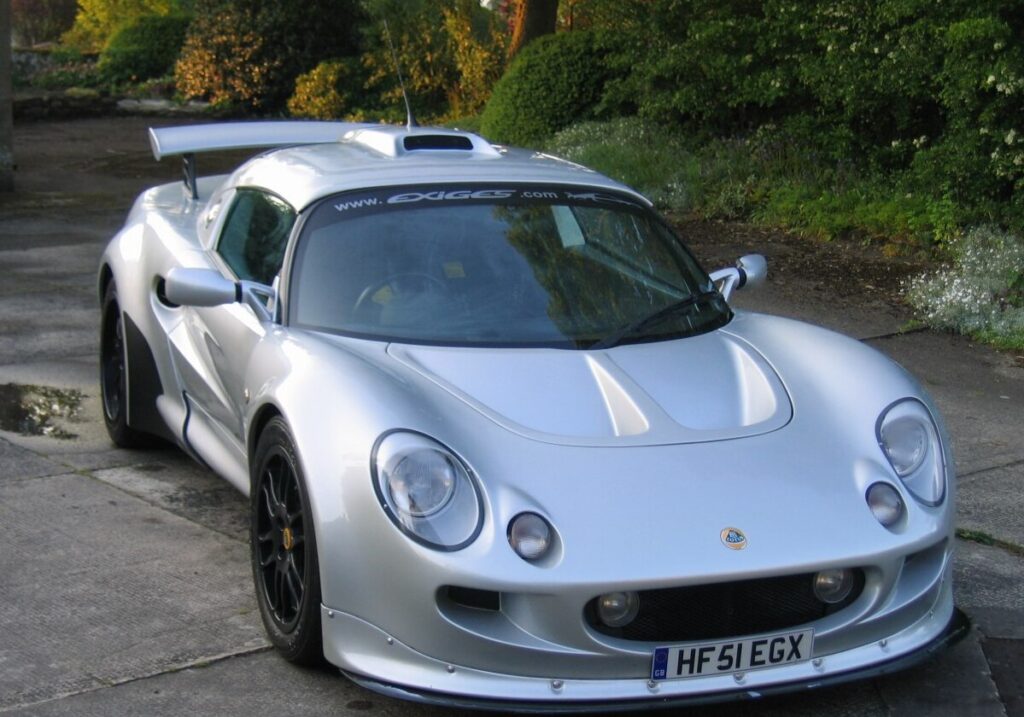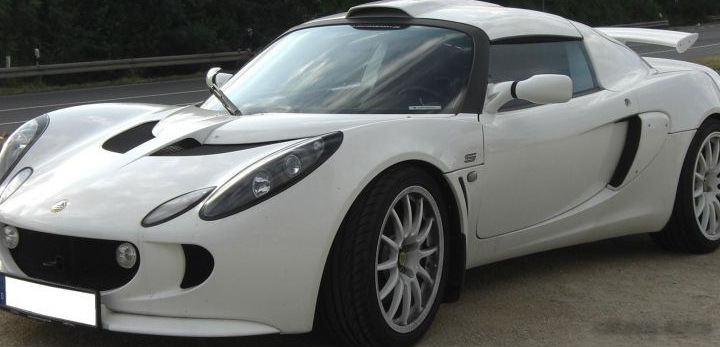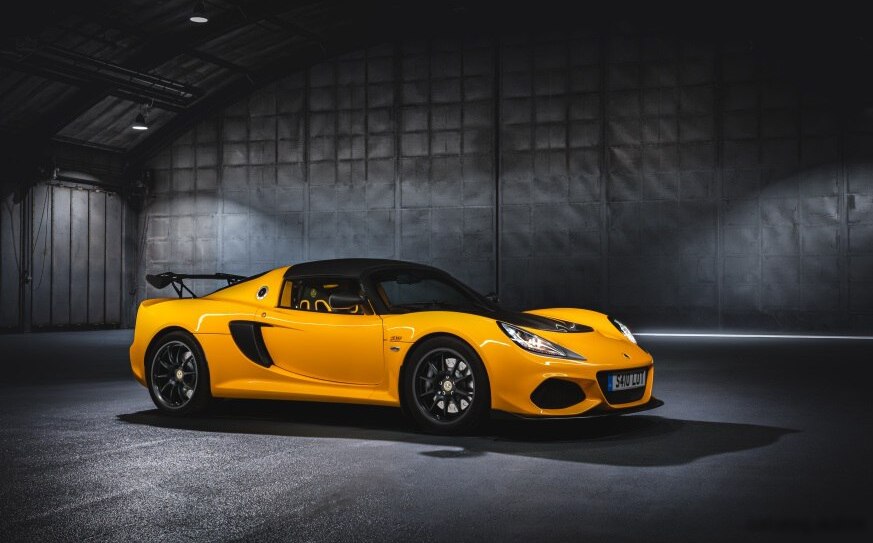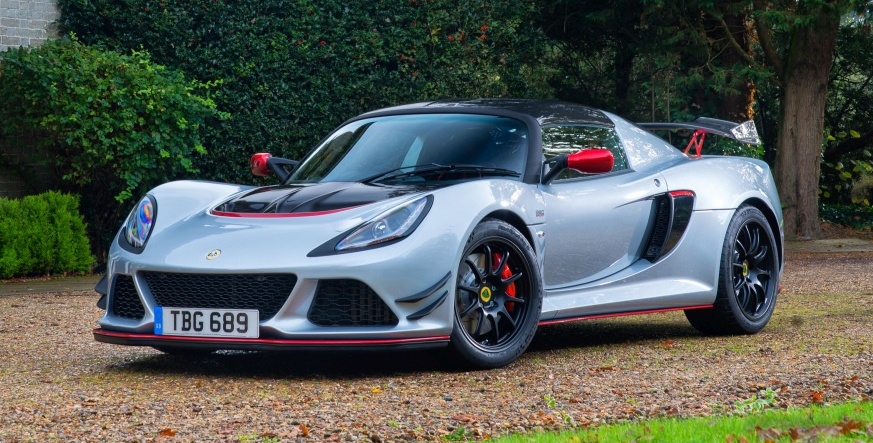
The Lotus Exige III S Coupe Sport 380 3.5 V6 Automatic, produced from February 2017 to February 2018, represents a focused, high-performance iteration of the Exige III model range. Positioned as a premium offering within the lineup, the Sport 380 aimed to deliver a visceral driving experience with a significant power upgrade and refined chassis components. It builds upon the foundation of the Exige III, which itself is derived from the Elise platform (specifically the 1HX0/A3 generation), known for its lightweight construction and exceptional handling. This variant distinguished itself through its supercharged V6 engine paired with a six-speed automatic transmission, a combination intended to broaden the Exige’s appeal without sacrificing its core performance attributes.
Technical Specifications
| Brand | Lotus |
| Model | Exige |
| Generation | Exige III S Coupe |
| Type | Sport 380 3.5 V6 (380 Hp) Automatic |
| Start of production | February, 2017 |
| End of production | February, 2018 |
| Powertrain Architecture | Internal Combustion engine |
| Body type | Coupe |
| Seats | 2 |
| Doors | 2 |
| Fuel consumption (urban) | 11 l/100 km (21.4 US mpg) |
| Fuel consumption (extra urban) | 6.3 l/100 km (37.3 US mpg) |
| Fuel consumption (combined) | 8.8 l/100 km (26.7 US mpg) |
| CO2 emissions | 225 g/km |
| Fuel Type | Petrol (Gasoline) |
| Acceleration 0 – 100 km/h | 3.7 sec |
| Acceleration 0 – 62 mph | 3.7 sec |
| Acceleration 0 – 60 mph | 3.5 sec |
| Maximum speed | 274 km/h (170.26 mph) |
| Weight-to-power ratio | 3 kg/Hp |
| Weight-to-torque ratio | 2.7 kg/Nm |
| Power | 380 Hp @ 6700 rpm |
| Power per litre | 110 Hp/l |
| Torque | 410 Nm @ 5000 rpm (302.4 lb.-ft. @ 5000 rpm) |
| Engine layout | Middle, Transverse |
| Engine Model/Code | 2GR-FE |
| Engine displacement | 3456 cm3 (210.9 cu. in.) |
| Number of cylinders | 6 |
| Engine configuration | V-engine |
| Number of valves per cylinder | 4 |
| Engine aspiration | Supercharger, Intercooler |
| Valvetrain | DOHC, VVT-i |
| Engine oil capacity | 6.1 l (6.45 US qt | 5.37 UK qt) |
| Coolant | 14 l (14.79 US qt | 12.32 UK qt) |
| Kerb Weight | 1121 kg (2471.38 lbs.) |
| Drivetrain | Rear wheel drive |
| Number of gears | 6 |
| Gearbox type | automatic transmission |
| Front brakes | Ventilated discs |
| Rear brakes | Ventilated discs |
| Front tires | 215/45 R17 |
| Rear tires | 285/30 R18 |
| Front wheel rims | 17 |
| Rear wheel rims | 18 |
Powertrain & Engine Architecture
At the heart of the Sport 380 lies the Toyota-sourced 2GR-FE 3.5-liter V6 engine, extensively modified by Lotus. The key upgrade is the addition of an Eaton supercharger with an integrated water-to-air intercooler, boosting power output to 380 horsepower and 410 Nm (302 lb-ft) of torque. This engine utilizes a dual overhead camshaft (DOHC) valvetrain with variable valve timing (VVT-i) on both intake and exhaust camshafts, optimizing performance across the rev range. Fuel is delivered via direct injection, contributing to both power and efficiency. The six-speed automatic transmission, while not as common in the Exige lineup as the manual, provides smoother shifts and increased accessibility for drivers less comfortable with a manual gearbox. It’s a conventional torque-converter automatic, tuned for relatively quick response, but not offering the lightning-fast shifts of a dual-clutch transmission.
Driving Characteristics
The Sport 380 Automatic delivers a thrilling driving experience, albeit one slightly different from its manual counterparts. The supercharged V6 provides immediate and substantial power, with minimal turbo lag. Acceleration is brisk, achieving 0-60 mph in approximately 3.5 seconds. The automatic transmission, while competent, doesn’t offer the same level of driver engagement as the manual. Gear ratios are optimized for acceleration, but can sometimes feel slightly too high for relaxed cruising. The car’s lightweight construction (1121 kg / 2471 lbs) and well-tuned suspension contribute to exceptional handling and cornering ability. Compared to the standard Exige, the Sport 380 benefits from upgraded suspension components and a more aggressive aerodynamic package, further enhancing its track performance.
Equipment & Trim Levels
The Sport 380 came generously equipped, reflecting its position as a premium model. Standard features included air conditioning, leather and Alcantara upholstery, a premium audio system, and lightweight forged alloy wheels. Optional extras included a full carbon fiber body kit, upgraded seats, and a navigation system. The interior, while minimalist, focused on functionality and driver engagement. The dashboard layout is straightforward, with clearly visible gauges and intuitive controls. The overall ambiance is sporty and purposeful, emphasizing the car’s performance credentials.
Chassis & Braking
The Exige III S Coupe Sport 380 utilizes a lightweight, bonded aluminum chassis, a hallmark of Lotus engineering. This chassis provides exceptional rigidity and contributes significantly to the car’s low weight. The suspension features independent double wishbones all around, with Eibach springs and Bilstein dampers tuned for optimal performance. Braking is handled by ventilated discs at all four corners, providing ample stopping power. Anti-lock braking system (ABS) is standard. The car’s relatively low weight and balanced chassis contribute to its exceptional handling characteristics.
Market Reception & Comparison
The Sport 380 was generally well-received by automotive critics, who praised its performance, handling, and overall driving experience. The automatic transmission was seen as a welcome addition for drivers seeking a more accessible Exige, although some purists preferred the engagement of the manual gearbox. Fuel economy, at 26.7 US mpg combined, was reasonable for a high-performance sports car. Compared to other Exige variants, such as the V6 Supercharged (without the “Sport 380” enhancements), the Sport 380 offered a noticeable performance upgrade and more aggressive styling. It also positioned itself above the four-cylinder models in terms of both price and performance.
Legacy
The Lotus Exige III S Coupe Sport 380 3.5 V6 Automatic remains a highly sought-after model in the used car market. The 2GR-FE engine, known for its reliability, has proven to be a durable and robust powerplant. The automatic transmission, while not as common, has also demonstrated good long-term reliability. The car’s lightweight construction and exceptional handling continue to make it a compelling choice for enthusiasts seeking a pure and engaging driving experience. Values have generally held well, reflecting the car’s limited production run and its status as a desirable Lotus model. Regular maintenance, including oil changes and fluid checks, is crucial to preserving the car’s performance and reliability.