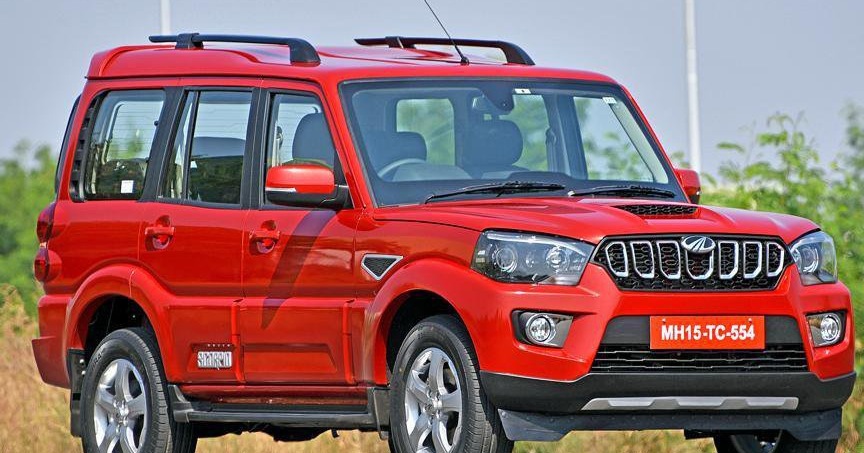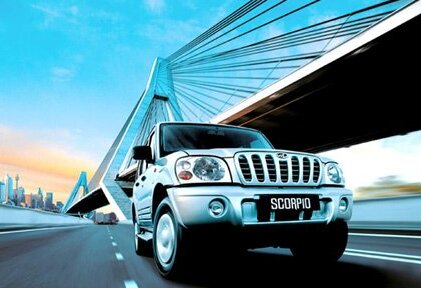
The Mahindra Scorpio 2.6 DI 2WD (109 Hp) was a significant model in the Indian automotive landscape, produced from 2002 to 2008. It represented Mahindra’s entry into a more modern, globally-inspired SUV design, moving away from the more utilitarian vehicles that had previously defined the brand. This particular variant, powered by the 2.6-liter diesel engine and offered with a five-speed manual transmission, served as a core offering within the Scorpio lineup, balancing affordability with capability. It was positioned as a workhorse SUV, appealing to both personal and commercial buyers, and played a crucial role in establishing the Scorpio as a popular choice in the burgeoning Indian SUV market.
Technical Specifications
| Brand | Mahindra |
| Model | Scorpio |
| Generation | Scorpio |
| Type (Engine) | 2.6 DI 2WD (109 Hp) |
| Start of production | 2002 |
| End of production | 2008 |
| Powertrain Architecture | Internal Combustion engine |
| Body type | SUV |
| Seats | 5 |
| Doors | 5 |
| Fuel consumption (urban) | 12.7 l/100 km (18.5 US mpg, 22.2 UK mpg, 7.9 km/l) |
| Fuel consumption (extra urban) | 9.5 l/100 km (24.8 US mpg, 29.7 UK mpg, 10.5 km/l) |
| Fuel Type | Diesel |
| Weight-to-power ratio | 17.5 kg/Hp (57.1 Hp/tonne) |
| Weight-to-torque ratio | 7.3 kg/Nm (136.1 Nm/tonne) |
| Power | 109 Hp @ 3800 rpm |
| Power per litre | 41.8 Hp/l |
| Torque | 260 Nm @ 1800 rpm (191.77 lb.-ft. @ 1800 rpm) |
| Engine layout | Front, Longitudinal |
| Engine displacement | 2609 cm3 (159.21 cu. in.) |
| Number of cylinders | 4 |
| Engine configuration | Inline |
| Cylinder Bore | 94 mm (3.7 in.) |
| Piston Stroke | 94 mm (3.7 in.) |
| Compression ratio | 18.5:1 |
| Number of valves per cylinder | 2 |
| Fuel injection system | Direct injection |
| Engine aspiration | Turbocharger, Intercooler |
| Engine oil capacity | 6 l (6.34 US qt | 5.28 UK qt) |
| Kerb Weight | 1910 kg (4210.83 lbs.) |
| Max. weight | 2610 kg (5754.07 lbs.) |
| Max load | 700 kg (1543.24 lbs.) |
| Fuel tank capacity | 55 l (14.53 US gal | 12.1 UK gal) |
| Length | 4475 mm (176.18 in.) |
| Width | 1774 mm (69.84 in.) |
| Height | 1916 mm (75.43 in.) |
| Wheelbase | 2680 mm (105.51 in.) |
| Front track | 1450 mm (57.09 in.) |
| Rear track | 1450 mm (57.09 in.) |
| Drivetrain Architecture | Rear wheel drive |
| Number of gears | 5 |
| Gearbox type | Manual transmission |
| Front suspension | Coil spring |
| Rear suspension | Coil spring |
| Front brakes | Ventilated discs |
| Rear brakes | Drum |
| Assisting systems | ABS (Anti-lock braking system) |
| Power steering | Hydraulic Steering |
| Tires size | 235/75 R15 |
| Wheel rims size | 15 |
Powertrain & Engine Architecture
The heart of the Scorpio 2.6 DI 2WD was the Mahindra-developed 2.6-liter inline-four diesel engine. This engine, designated with various codes depending on the specific year and market, was a robust and relatively simple design. It featured direct injection, a turbocharger with an intercooler, and two valves per cylinder. The direct injection system, crucial for diesel engines, allowed for precise fuel delivery directly into the combustion chamber, improving efficiency and power output. The turbocharger and intercooler combination boosted power by forcing more air into the engine, while the intercooler cooled the compressed air, further enhancing performance. The engine’s 18.5:1 compression ratio was typical for a diesel engine of the era, contributing to its torque characteristics. The five-speed manual transmission was a standard offering, providing a balance between fuel economy and usability. It was a non-synchronized first gear, common in vehicles designed for challenging terrain.
Driving Characteristics
The 109 horsepower and 260 Nm (191.77 lb-ft) of torque delivered by the 2.6 DI engine provided adequate, though not exhilarating, performance. The rear-wheel-drive configuration and relatively high kerb weight of 1910 kg (4210.83 lbs) meant that acceleration was modest. However, the engine’s torque peak at 1800 rpm provided good low-end grunt, making it suitable for hauling loads and navigating rough terrain. Compared to higher-spec Scorpio variants with more powerful engines, the 2.6 DI felt noticeably slower, particularly when fully loaded. The five-speed manual transmission offered a reasonable spread of gears, but the shift quality wasn’t particularly refined. The gear ratios were optimized for fuel economy and tractability rather than outright performance. The driving experience was more about practicality and durability than sporty handling.
Equipment & Trim Levels
The Scorpio 2.6 DI 2WD typically came with a fairly basic level of equipment, reflecting its positioning as a value-oriented model. Standard features generally included power steering, air conditioning, and basic instrumentation. Interior upholstery was typically vinyl or a durable cloth material. Higher trim levels, available as options, could add features like power windows, central locking, and a basic audio system. The dashboard layout was functional and straightforward, prioritizing usability over aesthetics. Optional extras often included alloy wheels, a roof rack, and upgraded seating.
Chassis & Braking
The Scorpio’s chassis was a body-on-frame construction, providing robustness and durability. Front suspension utilized coil springs, while the rear also employed coil springs, offering a reasonably comfortable ride, especially considering the vehicle’s intended use. Braking was handled by ventilated discs at the front and drum brakes at the rear. ABS (Anti-lock Braking System) was included as a standard safety feature, enhancing braking performance and stability, particularly on slippery surfaces. The relatively simple suspension setup and drum brakes at the rear were cost-effective solutions, but they didn’t offer the same level of refinement as more sophisticated systems found in higher-end SUVs.
Market Reception & Comparison
The Mahindra Scorpio 2.6 DI 2WD was generally well-received in the Indian market. Critics praised its ruggedness, spacious interior, and relatively affordable price point. However, some criticisms were leveled at its basic interior, somewhat agricultural engine, and less-than-refined driving experience. Compared to other trims in the Scorpio lineup, such as those equipped with the more powerful 2.8-liter engine, the 2.6 DI offered a more economical option, appealing to buyers who prioritized fuel efficiency and affordability over outright performance. Its fuel economy was competitive for a vehicle of its size and type, and its relatively simple mechanicals contributed to reasonable reliability.
Legacy
The Mahindra Scorpio 2.6 DI 2WD played a significant role in establishing the Scorpio as a successful SUV in India. The 2.6-liter engine, while not known for its sophistication, proved to be reasonably durable and reliable, and many examples are still on the road today. In the used car market, these Scorpios are often sought after by those looking for a rugged and affordable SUV. Maintenance costs are generally low, and parts availability is good. While it may not offer the refinement or features of more modern SUVs, the Scorpio 2.6 DI 2WD remains a popular choice for those who value practicality, durability, and affordability.