
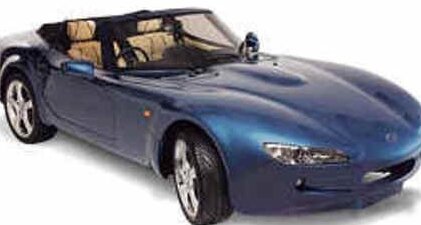
The Marcos TS 250 2.5 i V6 24V, produced between 2002 and 2004, represents a pivotal point in the British sports car manufacturer’s history. Positioned as the flagship model within the TS range, it aimed to deliver a compelling blend of performance and exclusivity. Built upon a steel spaceframe chassis and fiberglass bodywork, the TS 250 was a relatively low-volume production vehicle, intended for enthusiasts seeking a unique and engaging driving experience. It continued the Marcos tradition of lightweight construction and rear-wheel drive, offering a distinctly British alternative to more mainstream sports cars.
Technical Specifications
| Brand | Marcos |
| Model | TS |
| Generation | TS 250 |
| Type (Engine) | 2.5 i V6 24V (180 Hp) |
| Start of production | 2002 |
| End of production | 2004 |
| Powertrain Architecture | Internal Combustion engine |
| Body type | Cabriolet |
| Seats | 2 |
| Doors | 2 |
| Fuel consumption (urban) | 15 l/100 km (15.7 US mpg, 18.8 UK mpg, 6.7 km/l) |
| Fuel consumption (extra urban) | 9 l/100 km (26.1 US mpg, 31.4 UK mpg, 11.1 km/l) |
| Fuel Type | Petrol (Gasoline) |
| Acceleration 0 – 100 km/h | 7 sec |
| Acceleration 0 – 62 mph | 7 sec |
| Acceleration 0 – 60 mph | 6.7 sec |
| Maximum speed | 220 km/h (136.7 mph) |
| Weight-to-power ratio | 6 kg/Hp, 167.4 Hp/tonne |
| Weight-to-torque ratio | 4.9 kg/Nm, 204.7 Nm/tonne |
| Power | 180 Hp @ 6000 rpm |
| Power per litre | 72.1 Hp/l |
| Torque | 220 Nm @ 4250 rpm (162.26 lb.-ft. @ 4250 rpm) |
| Engine layout | Front, Longitudinal |
| Engine displacement | 2495 cm3 (152.25 cu. in.) |
| Number of cylinders | 6 |
| Engine configuration | V-engine |
| Cylinder Bore | 81.6 mm (3.21 in.) |
| Piston Stroke | 79.5 mm (3.13 in.) |
| Compression ratio | 9.8:1 |
| Number of valves per cylinder | 4 |
| Fuel injection system | Multi-port manifold injection |
| Engine aspiration | Naturally aspirated engine |
| Valvetrain | DOHC |
| Kerb Weight | 1075 kg (2369.97 lbs.) |
| Fuel tank capacity | 48 l (12.68 US gal, 10.56 UK gal) |
| Length | 4005 mm (157.68 in.) |
| Width | 1680 mm (66.14 in.) |
| Height | 1150 mm (45.28 in.) |
| Wheelbase | 2225 mm (87.6 in.) |
| Front track | 1450 mm (57.09 in.) |
| Rear track | 1400 mm (55.12 in.) |
| Drivetrain Architecture | Rear wheel drive |
| Drive wheel | Rear wheel drive |
| Number of gears and type of gearbox | 5 gears, manual transmission |
| Front suspension | Spring Strut |
| Rear suspension | Transverse stabilizer |
| Front brakes | Ventilated discs |
| Rear brakes | Ventilated discs |
| Assisting systems | ABS (Anti-lock braking system) |
| Steering type | Steering rack and pinion |
| Tires size | 215/40 R17 |
| Wheel rims size | 7J x 17 |
Powertrain & Engine Architecture
The heart of the TS 250 is a 2.5-liter V6 engine, specifically the Ford Duratec 250. This engine, designated as a 24V due to its four valves per cylinder, benefits from a robust design and relatively straightforward maintenance. The engine utilizes multi-port fuel injection, delivering fuel directly into the intake ports, optimizing combustion efficiency. The double overhead camshaft (DOHC) valvetrain ensures precise valve control, contributing to the engine’s power output and responsiveness. The engine is mounted longitudinally in the front of the vehicle, driving the rear wheels. The TS 250 was exclusively offered with a five-speed manual transmission, providing a direct and engaging driving experience. This transmission was chosen to complement the sporty nature of the car and maximize the engine’s potential.
Driving Characteristics
The TS 250, with its relatively lightweight construction and 180 horsepower, delivers a spirited driving experience. Acceleration from 0 to 60 mph is achieved in approximately 6.7 seconds, and it boasts a top speed of 136.7 mph. The five-speed manual transmission allows for precise gear selection, enabling the driver to keep the engine within its optimal power band. Compared to potential higher-performance variants (had Marcos continued development), the TS 250 prioritizes usability and driver engagement over outright speed. The rear-wheel-drive configuration provides a balanced chassis, offering good handling characteristics and a rewarding feel through corners. The relatively short wheelbase contributes to the car’s agility, making it enjoyable on winding roads.
Equipment & Trim Levels
The Marcos TS 250 was offered with a fairly well-equipped standard specification, reflecting its positioning as the range-topping model. Standard features included leather upholstery, power windows, central locking, and an anti-lock braking system (ABS). The interior design was minimalist and driver-focused, with a clear instrument cluster and ergonomically positioned controls. Optional extras included air conditioning, a premium sound system, and upgraded alloy wheels. The cabin, while compact, was designed to provide a comfortable and functional environment for the driver and passenger. The overall aesthetic was one of understated elegance, reflecting the car’s British heritage.
Chassis & Braking
The TS 250 utilizes a steel spaceframe chassis, providing a rigid and lightweight foundation for the vehicle. This chassis design contributes to the car’s excellent handling characteristics. Suspension consists of independent spring struts at the front and a transverse stabilizer at the rear. The braking system features ventilated discs on all four wheels, providing ample stopping power. The ABS system enhances braking performance and stability, particularly in adverse conditions. The car’s relatively low weight further enhances its braking capabilities. The suspension setup is tuned to provide a balance between comfort and handling, offering a compliant ride without sacrificing agility.
Market Reception & Comparison
The Marcos TS 250 received generally positive reviews from automotive critics. It was praised for its engaging driving experience, lightweight construction, and unique styling. However, some critics noted the relatively spartan interior and limited practicality. Compared to other sports cars in its price range, such as the Porsche Boxster or BMW Z3, the TS 250 offered a more individual and characterful alternative. Fuel economy was reasonable for a sports car of its era, with combined fuel consumption around 18.8 UK mpg. Reliability was generally good, although the limited production numbers meant that parts availability could sometimes be an issue.
Legacy
The Marcos TS 250 represents a significant chapter in the Marcos story. While the company ultimately ceased production in 2007, the TS 250 remains a sought-after model among enthusiasts. The Duratec V6 engine is known for its durability and relatively straightforward maintenance, making the TS 250 a viable option for those seeking a classic sports car experience. In the used car market, well-maintained examples command a premium, reflecting their rarity and unique appeal. The TS 250’s legacy lies in its commitment to lightweight construction, rear-wheel drive, and a driver-focused experience – values that continue to resonate with sports car enthusiasts today.
