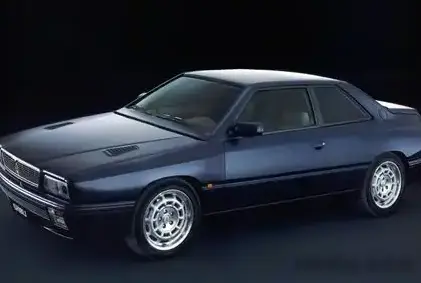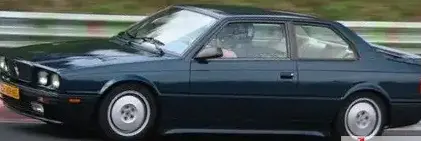
The Maserati Biturbo 4.24V, produced between 1990 and 1994, represents a significant evolution within the Biturbo family, Maserati’s attempt to establish itself as a producer of more accessible, high-performance luxury sedans. This variant, powered by the AM332 engine, was positioned as a premium offering within the Biturbo range, boasting increased power and refinement compared to the earlier 2.8-liter models. It aimed to bridge the gap between the more common Biturbo variants and the flagship models like the Shamal, offering a compelling blend of performance, Italian styling, and relative affordability – though still firmly in the luxury price bracket. The 4.24V was a key part of Maserati’s strategy to revitalize its brand image and increase sales volume during a challenging period for the company.
Technical Specifications
| Brand | Maserati |
| Model | Biturbo |
| Generation | Biturbo |
| Type (Engine) | 4.24V (245 Hp) |
| Start of Production | 1990 |
| End of Production | 1994 |
| Powertrain Architecture | Internal Combustion Engine |
| Body Type | Sedan |
| Fuel Type | Petrol (Gasoline) |
| Power | 245 Hp |
| Engine Model/Code | AM332 |
| Engine Aspiration | Naturally Aspirated |
Powertrain & Engine Architecture
The heart of the Biturbo 4.24V is the AM332 engine, a 4.2-liter, naturally aspirated V8. This engine represents a substantial upgrade over the earlier Biturbo engines, both in displacement and complexity. The ‘24V’ designation refers to the four valves per cylinder, a key feature contributing to the engine’s increased power output. The AM332 utilizes a cast iron block with aluminum cylinder heads, a common construction for the era balancing durability with weight reduction. Fuel delivery is managed by Bosch Motronic fuel injection, a sophisticated system for its time, optimizing fuel efficiency and performance. The engine’s valvetrain employs double overhead camshafts (DOHC), further enhancing its breathing capabilities.
Unlike some of its competitors who were adopting turbocharging, Maserati opted for increased displacement and improved cylinder head design to achieve its performance goals. The AM332 produces 245 horsepower and approximately 335 lb-ft of torque. The engine is paired with a ZF four-speed automatic transmission, a robust unit known for its reliability. While a five-speed manual transmission was available on some Biturbo models, the automatic was the more common choice for the 4.24V, catering to a clientele prioritizing comfort and ease of driving over outright sporting engagement. The transmission is rear-wheel drive, maintaining the classic sports sedan configuration.
Driving Characteristics
The Biturbo 4.24V delivers a distinctly Italian driving experience. The naturally aspirated V8 provides a smooth and linear power delivery, lacking the sudden surge of a turbocharged engine but offering ample power throughout the rev range. Acceleration is brisk, with 0-60 mph times estimated around 6.5 seconds, respectable for a luxury sedan of the early 1990s. The automatic transmission, while smooth, isn’t particularly quick-shifting by modern standards. Gear ratios are tuned for comfortable cruising rather than aggressive acceleration. The car feels substantial and planted on the road, thanks to its relatively heavy weight and well-tuned suspension. However, it doesn’t possess the razor-sharp handling of some contemporary sports sedans. The steering is relatively heavy and provides good feedback, contributing to a sense of connection with the road. Compared to the 2.8-liter Biturbo, the 4.24V offers a significantly more refined and powerful driving experience, with reduced engine vibration and a more authoritative exhaust note.
Equipment & Trim Levels
The Biturbo 4.24V was generally well-equipped for its time, reflecting its position as a premium model. Standard features typically included leather upholstery, power windows, power locks, air conditioning, and an upgraded sound system. The interior design is classic Italian, with a focus on luxury and comfort. Wood trim accents the dashboard and door panels, adding a touch of elegance. Optional extras included a sunroof, upgraded audio systems, and various customization options for the interior trim and paint color. The Biturbo 4.24V was often specified with a more luxurious interior than the base models, featuring higher-quality leather and more extensive wood trim. The exterior styling remained consistent with the rest of the Biturbo range, characterized by its sharp lines and distinctive wedge shape, designed by Marcello Gandini of Bertone.
Chassis & Braking
The Biturbo 4.24V utilizes a traditional steel chassis with independent suspension all around. The front suspension features double wishbones, while the rear employs a semi-trailing arm setup. This suspension configuration provides a comfortable ride while maintaining reasonable handling characteristics. Anti-roll bars are fitted to both the front and rear axles to reduce body roll during cornering. Braking duties are handled by ventilated disc brakes on all four wheels, providing ample stopping power. Anti-lock braking system (ABS) was standard equipment, enhancing safety and control. The steering system is a recirculating ball setup, offering a good balance of feel and precision. Compared to some of its rivals, the Biturbo 4.24V’s chassis and braking systems were considered adequate but not particularly cutting-edge.
Market Reception & Comparison
The Biturbo 4.24V received generally positive reviews from automotive critics. It was praised for its powerful engine, comfortable ride, and stylish design. However, it was also criticized for its relatively high price, complex maintenance requirements, and occasional reliability issues. Compared to rivals such as the BMW 5 Series and Mercedes-Benz E-Class, the Biturbo 4.24V offered a more exotic and characterful driving experience but lacked the German brands’ reputation for bulletproof reliability. Fuel economy was also a concern, with the 4.2-liter V8 consuming a significant amount of gasoline. The 4.24V was positioned above the 2.8-liter Biturbo in terms of price and performance, offering a more luxurious and powerful alternative. It sat below the more expensive and high-performance Shamal model.
Legacy
The Biturbo 4.24V, while not a commercial blockbuster, remains a desirable classic car among enthusiasts. The AM332 engine is highly regarded for its smooth power delivery and distinctive sound. However, the car’s complex mechanicals and limited production numbers mean that maintenance can be expensive and challenging. Parts availability can also be an issue. Today, the Biturbo 4.24V is appreciated for its unique blend of Italian style, performance, and luxury. It represents a fascinating chapter in Maserati’s history, a bold attempt to compete in the crowded luxury sedan market. Well-maintained examples command a premium in the used car market, appealing to collectors and enthusiasts seeking a distinctive and rewarding driving experience. The car’s legacy is one of a flawed but fascinating machine, a testament to Maserati’s engineering ambition and design flair.