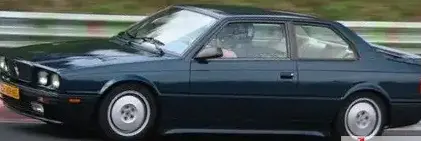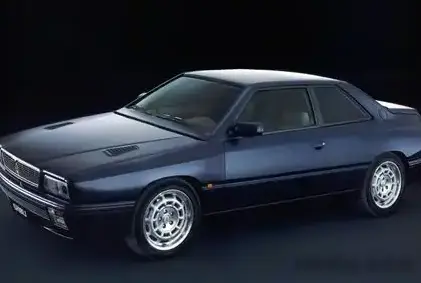
The Maserati Biturbo Coupe Si 2.0, produced from 1987 to 1988, represents a pivotal moment in Maserati’s history. It was an attempt to revitalize the brand by offering a more accessible, yet still luxurious, grand touring coupe. Positioned as a performance-oriented variant within the Biturbo Coupe range, the Si 2.0 aimed to bridge the gap between the base models and the more expensive, higher-specification versions. This model was part of the first generation of Biturbo Coupes (Type AM336), built on a shortened version of the Maserati Khamsin chassis, and marked a significant departure from Maserati’s traditionally hand-built, low-volume production methods. The Biturbo line, including the Coupe Si 2.0, was intended to be a volume seller, bringing the Maserati experience to a wider audience.
Technical Specifications
| Brand | Maserati |
| Model | Biturbo |
| Generation | Biturbo Coupe |
| Type (Engine) | Si 2.0 (205 Hp) |
| Start of Production | 1987 |
| End of Production | 1988 |
| Powertrain Architecture | Internal Combustion Engine |
| Body Type | Coupe |
| Fuel Type | Petrol (Gasoline) |
| Acceleration 0-60 mph | 9.3 sec |
| Power | 205 Hp |
| Engine Model/Code | AM331 |
| Engine Aspiration | Naturally Aspirated |
Powertrain & Engine Architecture
The heart of the Biturbo Coupe Si 2.0 is the AM331 engine, a 1,996 cc (121.7 cu in) twin-turbocharged V6. This engine is a 90-degree V6, utilizing a cast iron block and aluminum cylinder heads. The “Si” designation indicated a higher state of tune compared to the standard 2.0-liter Biturbo. The twin turbochargers, supplied by IHI, were a key feature, providing boosted induction to enhance power and torque. Fuel delivery was managed by Bosch mechanical fuel injection, a system chosen for its reliability and relative simplicity compared to electronic fuel injection systems of the time. The engine featured a double overhead camshaft (DOHC) valvetrain with three valves per cylinder – two intake and one exhaust – contributing to improved breathing and performance. The AM331 engine produced 205 horsepower at 6,250 rpm and approximately 221 lb-ft of torque. The engine was mated to a five-speed manual transmission as standard, although a three-speed automatic transmission was offered as an option. The automatic, while offering convenience, did impact acceleration times and overall driving engagement.
Driving Characteristics
The Biturbo Coupe Si 2.0 offered a distinctly Italian driving experience. The twin-turbocharged engine delivered a noticeable surge of power, particularly in the mid-range, making it feel quicker than its stated 0-60 mph time of 9.3 seconds might suggest. However, the turbo lag was present, requiring the driver to anticipate throttle inputs. The five-speed manual transmission provided precise shifts, allowing drivers to fully exploit the engine’s powerband. The automatic transmission, while smooth, felt somewhat sluggish in comparison, and the gear ratios were spaced to prioritize cruising comfort over outright acceleration. The suspension, featuring independent double wishbones all around, provided a comfortable ride, but the car wasn’t particularly nimble in corners. Steering was power-assisted, but lacked significant feedback. Overall, the Si 2.0 offered a blend of performance and comfort, making it a capable grand tourer, but not a dedicated sports car.
Equipment & Trim Levels
The Biturbo Coupe Si 2.0 was relatively well-equipped for its time, reflecting Maserati’s commitment to luxury. Standard features included leather upholstery, power windows, central locking, and an AM/FM stereo. The interior design was classic Italian, with a focus on elegance and comfort. The dashboard featured wood trim and analog gauges. Optional extras included air conditioning, a sunroof, and upgraded audio systems. The Si 2.0 trim level generally featured a higher level of interior finish compared to the base Biturbo Coupe, with more extensive use of leather and wood trim. Exterior styling was characterized by clean lines and a relatively understated design, typical of Italian coupes of the 1980s. Wheels were typically alloy, and the car was available in a range of metallic paint colors.
Chassis & Braking
The Biturbo Coupe Si 2.0 utilized a steel unibody construction. The chassis was based on a shortened version of the Maserati Khamsin platform, providing a solid foundation for the car. Suspension consisted of independent double wishbones with coil springs and anti-roll bars at all four corners. The braking system featured ventilated disc brakes at the front and solid disc brakes at the rear. Power assistance was standard. While adequate for the car’s performance, the braking system wasn’t particularly advanced compared to contemporary sports cars. The steering was a power-assisted rack-and-pinion system. The car’s weight distribution was reasonably balanced, contributing to its handling characteristics.
Market Reception & Comparison
The Biturbo Coupe Si 2.0 received mixed reviews from automotive critics. While praised for its performance and luxurious interior, it was also criticized for its build quality issues and occasional reliability problems. Compared to its siblings, the Si 2.0 offered a significant performance upgrade over the base 2.0-liter models, but fell short of the more powerful 2.8-liter Biturbo models. The 2.8-liter offered considerably more horsepower and torque, but at a significantly higher price point. The 1.8-liter Biturbo, while more fuel-efficient, lacked the performance of the Si 2.0. Fuel economy was reasonable for a V6-powered coupe of the era, averaging around 18 mpg in city driving and 24 mpg on the highway. The Si 2.0 was positioned as a competitor to other European grand touring coupes, such as the BMW 6 Series and the Mercedes-Benz 560SEC, but offered a more distinctive Italian flair.
Legacy
The Maserati Biturbo Coupe Si 2.0, while not without its flaws, played a crucial role in Maserati’s attempt to modernize and broaden its appeal. The Biturbo line, as a whole, represented a significant departure from the brand’s traditional approach to manufacturing. Today, the Biturbo Coupe Si 2.0 is considered a collectible classic, appealing to enthusiasts who appreciate its unique blend of Italian style, performance, and luxury. The AM331 engine, while prone to occasional issues, is generally considered robust and can be reliably maintained with proper care. Parts availability can be a challenge, but a dedicated network of specialists and suppliers exists to support Biturbo owners. The car’s relatively affordable price on the used market makes it an accessible entry point into the world of classic Maserati ownership. The Biturbo Coupe Si 2.0 remains a testament to a bold, if ultimately flawed, attempt to reinvent a legendary Italian marque.