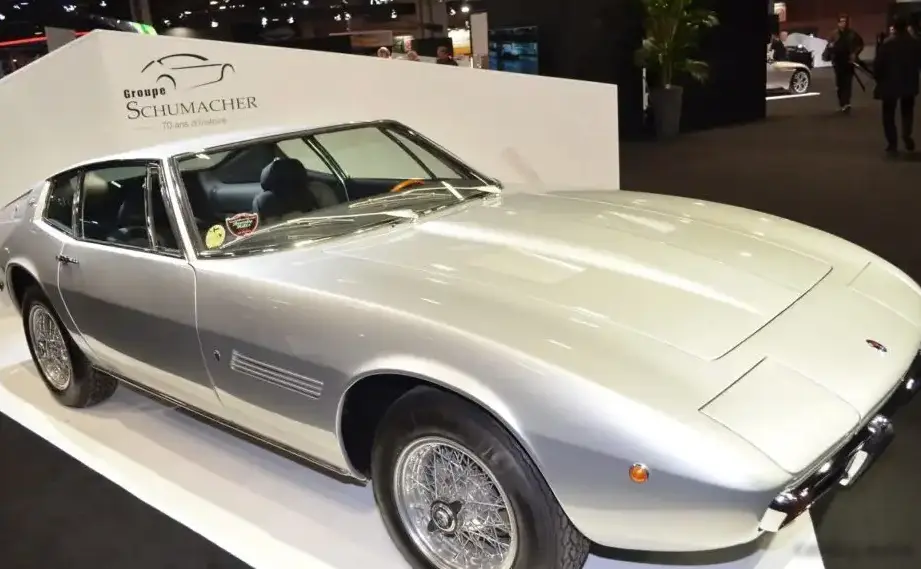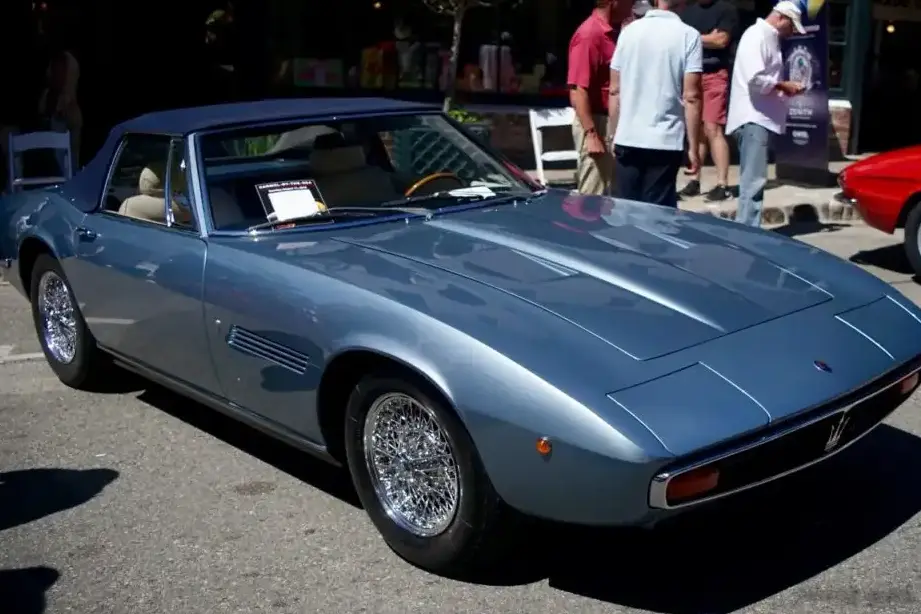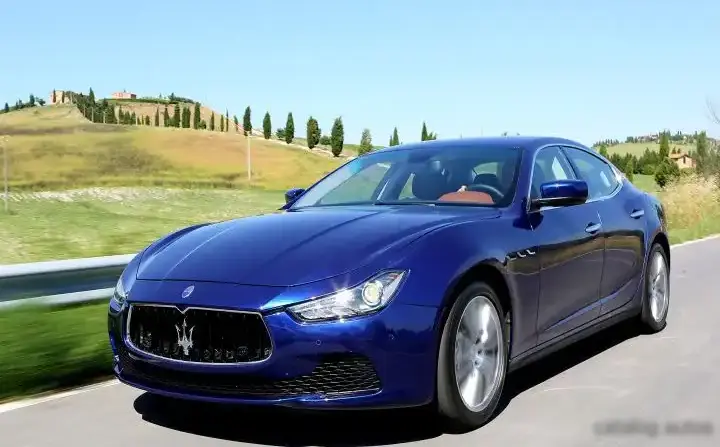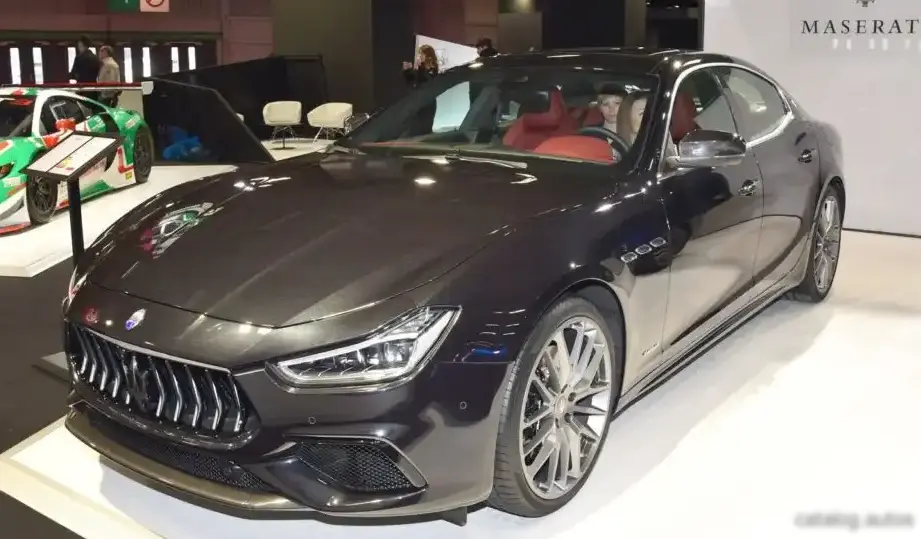
The Maserati Ghibli III, specifically the 2.0 GDI (330 Hp) Mild Hybrid Automatic variant introduced in June 2020, represents a significant shift in the Ghibli model line. Positioned as a more accessible entry point into the Maserati experience, this version aimed to broaden the Ghibli’s appeal while retaining the brand’s core values of luxury and performance. This iteration falls within the M157 facelift generation of the Ghibli, benefiting from styling and technology updates introduced in 2017. It’s a four-door sedan designed to compete with other luxury sport sedans, offering a blend of Italian styling, a turbocharged engine, and mild hybrid technology.
Technical Specifications
| Brand | Maserati |
| Model | Ghibli |
| Generation | Ghibli III (M157, facelift 2017) |
| Type (Engine) | 2.0 GDI (330 Hp) Mild Hybrid Automatic |
| Start of production | June, 2020 |
| Powertrain Architecture | MHEV (Mild Hybrid Electric Vehicle) |
| Body type | Sedan |
| Seats | 5 |
| Doors | 4 |
| Combined fuel consumption (WLTP) | 8.5-9.6 l/100 km (27.7 – 24.5 US mpg) |
| CO2 emissions (WLTP) | 192-216 g/km |
| Fuel Type | Petrol (Gasoline) |
| Acceleration 0 – 100 km/h | 5.7 sec |
| Acceleration 0 – 62 mph | 5.7 sec |
| Acceleration 0 – 60 mph | 5.4 sec |
| Maximum speed | 255 km/h (158.45 mph) |
| Power | 330 Hp @ 5750 rpm |
| Torque | 450 Nm @ 4000 rpm (331.9 lb.-ft. @ 4000 rpm) |
| Engine layout | Front, Longitudinal |
| Engine Model/Code | 670053115 |
| Engine displacement | 1998 cm3 (121.93 cu. in.) |
| Number of cylinders | 4 |
| Engine configuration | Inline |
| Cylinder Bore | 84 mm (3.31 in.) |
| Piston Stroke | 90 mm (3.54 in.) |
| Compression ratio | 9.5:1 |
| Fuel injection system | Direct injection |
| Engine aspiration | Turbocharger, Intercooler |
| Engine oil capacity | 5 l (5.28 US qt | 4.4 UK qt) |
| Coolant capacity | 15.9 l (16.8 US qt | 13.99 UK qt) |
| Kerb Weight | 1878 kg (4140.28 lbs.) |
| Trunk (boot) space – minimum | 500 l (17.66 cu. ft.) |
| Fuel tank capacity | 80 l (21.13 US gal | 17.6 UK gal) |
| Length | 4971 mm (195.71 in.) |
| Width | 1945 mm (76.57 in.) |
| Height | 1461 mm (57.52 in.) |
| Wheelbase | 2998 mm (118.03 in.) |
| Front track | 1635 mm (64.37 in.) |
| Rear track | 1653 mm (65.08 in.) |
| Drive wheel | Rear wheel drive |
| Number of gears | 8 |
| Gearbox type | Automatic transmission |
| Front suspension | Double wishbone |
| Rear suspension | Independent multi-link suspension |
| Front brakes | Ventilated discs, 345×28 mm |
| Rear brakes | Ventilated discs, 330×22 mm |
| Tires size | 235/50 R18 |
| Wheel rims size | 18 |
Powertrain & Engine Architecture
At the heart of the Ghibli 2.0 GDI Mild Hybrid lies a 1.998-liter inline-four cylinder engine, designated with engine code 670053115. This engine utilizes direct fuel injection and is coupled with a twin-scroll turbocharger and intercooler to deliver 330 horsepower at 5750 rpm and 450 Nm (331.9 lb-ft) of torque at 4000 rpm. The “GDI” designation stands for Gasoline Direct Injection, a technology that improves efficiency and power output. The mild hybrid system incorporates a 48-volt electrical system and a belt-integrated starter generator (BiSG). This system allows for extended engine-off coasting periods, regenerative braking to recapture energy, and smoother start-stop functionality. The BiSG also provides a small power boost during acceleration. The engine is longitudinally mounted, driving the rear wheels. The transmission is an eight-speed automatic, sourced from ZF, known for its smooth and responsive shifts. This transmission is calibrated to balance performance and fuel efficiency, with gear ratios optimized for both city and highway driving.
Driving Characteristics
The 2.0-liter Ghibli offers a noticeably different driving experience compared to its six-cylinder siblings. While it doesn’t possess the raw power or exhaust note of the V6 models, it provides a surprisingly engaging drive. The mild hybrid system contributes to a responsive feel, particularly during initial acceleration. The eight-speed automatic transmission is well-tuned, offering quick and seamless gear changes. The gear ratios are set to maximize fuel economy without sacrificing too much performance. In real-world conditions, the 0-60 mph time of around 5.4 seconds is respectable for a luxury sedan in this class. Compared to the more powerful Ghibli S Q4 (with all-wheel drive), the 2.0 GDI feels less urgent, but it remains capable and comfortable for everyday driving. The rear-wheel-drive configuration provides a balanced feel, although it lacks the added traction of the Q4 models in inclement weather.
Equipment & Trim Levels
The 2.0 GDI Mild Hybrid typically came well-equipped, though specific features varied depending on the market and optional packages. Standard equipment generally included leather upholstery, power-adjustable front seats, a touchscreen infotainment system with Apple CarPlay and Android Auto compatibility, a rearview camera, and a suite of driver-assistance features such as automatic emergency braking and lane departure warning. Optional extras included premium audio systems (Harman Kardon or Bowers & Wilkins), ventilated and massaging front seats, adaptive cruise control, a panoramic sunroof, and various cosmetic enhancements. Interior trim options included a range of wood veneers, carbon fiber accents, and leather color choices. The dashboard layout is typical of Maserati, emphasizing a blend of Italian elegance and modern technology.
Chassis & Braking
The Ghibli 2.0 GDI utilizes a double wishbone suspension setup at the front and an independent multi-link suspension at the rear. This configuration provides a comfortable ride while maintaining good handling characteristics. The suspension is tuned to balance sportiness and comfort, offering a good compromise for everyday driving. Braking duties are handled by ventilated discs on all four wheels, with larger discs at the front (345×28 mm) compared to the rear (330×22 mm). Anti-lock braking system (ABS) is standard, along with electronic brake-force distribution (EBD). The Ghibli 2.0 GDI typically features a stabilizer bar on both the front and rear axles to reduce body roll during cornering.
Market Reception & Comparison
The introduction of the 2.0 GDI Mild Hybrid variant was generally well-received by automotive critics. It was praised for offering a more affordable entry point into the Maserati brand without completely sacrificing the Ghibli’s core attributes. Fuel economy was a significant improvement over the V6 models, making it a more practical option for daily commuting. However, some critics noted that the four-cylinder engine lacked the character and refinement of the V6. Compared to rivals like the BMW 5 Series and Mercedes-Benz E-Class, the Ghibli 2.0 GDI offered a more distinctive Italian design and a more engaging driving experience, but it often lagged behind in terms of overall technology and fuel efficiency. Reliability reports have been mixed, with some owners reporting issues with the infotainment system and electrical components.
Legacy
The Maserati Ghibli 2.0 GDI Mild Hybrid represents a pivotal moment for the brand, demonstrating a willingness to adapt to changing market demands and embrace new technologies. While the long-term reliability of the mild hybrid system remains to be fully assessed, the powertrain has proven to be generally durable. On the used car market, these models offer a relatively affordable way to experience Maserati ownership. The combination of Italian styling, a turbocharged engine, and mild hybrid technology continues to appeal to buyers seeking a luxury sedan with a unique character. The 2.0 GDI variant helped to expand the Ghibli’s customer base and solidify its position as a competitor in the luxury sport sedan segment.