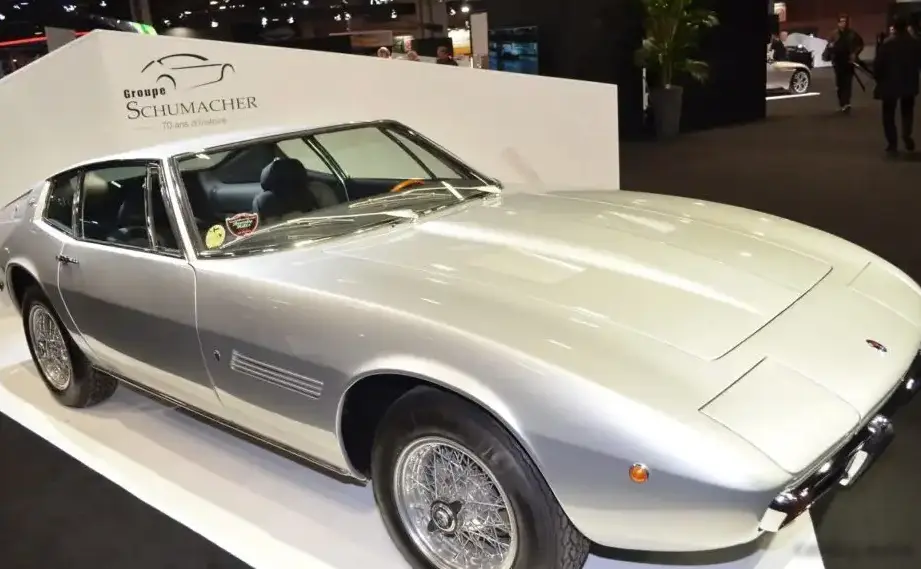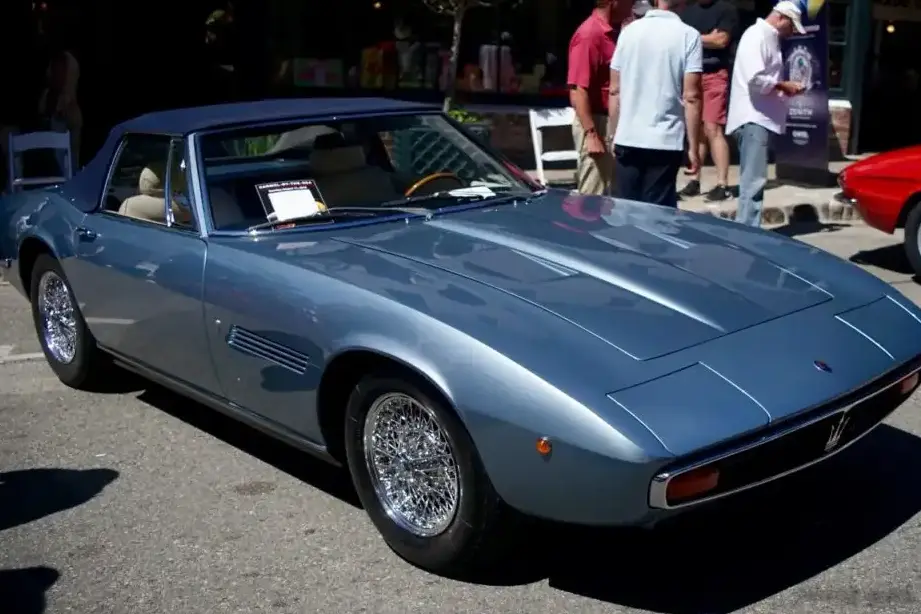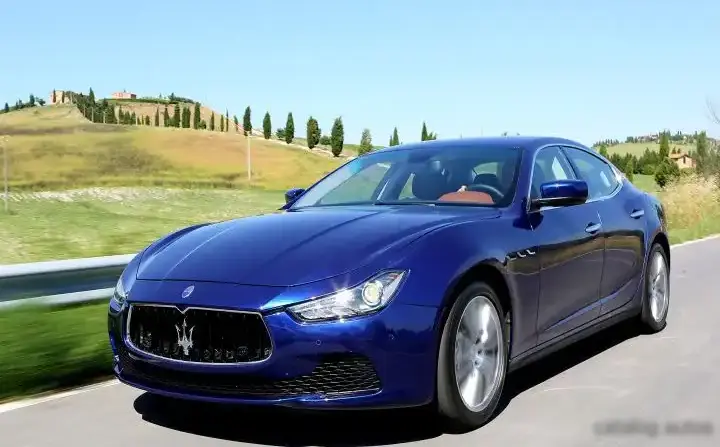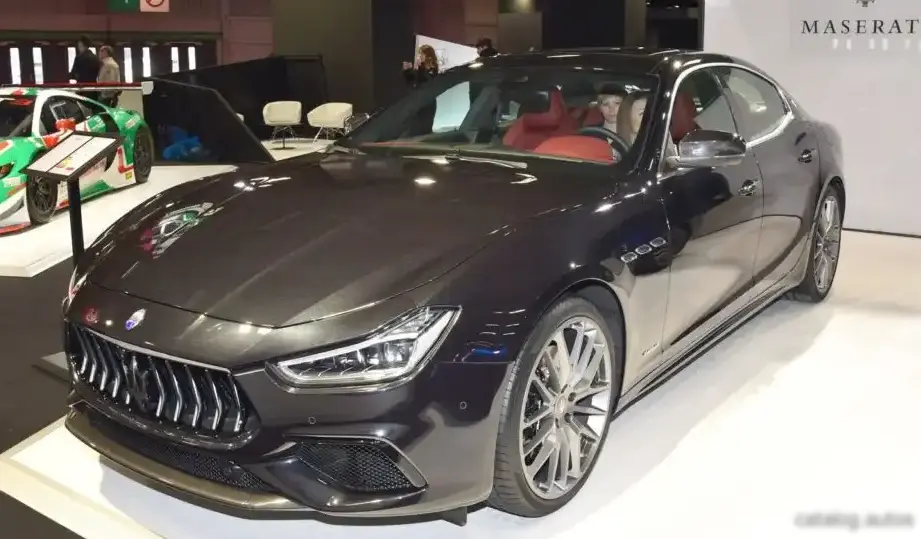
The Maserati Ghibli III 3.0d, specifically the facelifted version introduced in 2017, represents a significant step in Maserati’s attempt to broaden its appeal and compete more directly with established German luxury sedans. Produced from 2017 through August 2018, this variant featured a 3.0-liter turbocharged diesel V6 engine producing 275 horsepower and paired exclusively with an eight-speed automatic transmission. It occupied a middle ground within the Ghibli lineup, offering a balance between performance, fuel efficiency, and luxury features, aimed at buyers prioritizing long-distance comfort and lower running costs compared to the gasoline-powered models.
Technical Specifications
| Brand | Maserati |
| Model | Ghibli |
| Generation | Ghibli III (M157, facelift 2017) |
| Type (Engine) | 3.0d V6 (275 Hp) Automatic |
| Start of production | 2017 |
| End of production | August, 2018 |
| Powertrain Architecture | Internal Combustion engine |
| Body type | Sedan |
| Seats | 5 |
| Doors | 4 |
| Fuel consumption (urban) | 7.7 l/100 km (30.5 US mpg) |
| Fuel consumption (extra urban) | 4.9 l/100 km (48 US mpg) |
| Fuel consumption (combined) | 5.9 l/100 km (39.9 US mpg) |
| CO2 emissions | 158 g/km |
| Fuel Type | Diesel |
| Acceleration 0 – 100 km/h | 6.3 sec |
| Acceleration 0 – 62 mph | 6.3 sec |
| Acceleration 0 – 60 mph | 6 sec |
| Maximum speed | 250 km/h (155.34 mph) |
| Power | 275 Hp @ 4000 rpm |
| Torque | 600 Nm @ 2000-2600 rpm (442.54 lb.-ft. @ 2000-2600 rpm) |
| Engine layout | Front, Longitudinal |
| Engine Model/Code | A630HP |
| Engine displacement | 2987 cm3 (182.28 cu. in.) |
| Number of cylinders | 6 |
| Engine configuration | V-engine |
| Cylinder Bore | 83 mm (3.27 in.) |
| Piston Stroke | 92 mm (3.62 in.) |
| Compression ratio | 16.5:1 |
| Number of valves per cylinder | 4 |
| Fuel injection system | Diesel Commonrail |
| Engine aspiration | Turbocharger, Intercooler |
| Engine oil capacity | 8.5 l (8.98 US qt | 7.48 UK qt) |
| Coolant | 13 l (13.74 US qt | 11.44 UK qt) |
| Kerb Weight | 1875 kg (4133.67 lbs.) |
| Trunk (boot) space – minimum | 500 l (17.66 cu. ft.) |
| Fuel tank capacity | 70 l (18.49 US gal | 15.4 UK gal) |
| Length | 4971 mm (195.71 in.) |
| Width | 1945 mm (76.57 in.) |
| Width including mirrors | 2128 mm (83.78 in.) |
| Height | 1461 mm (57.52 in.) |
| Wheelbase | 2998 mm (118.03 in.) |
| Front track | 1635 mm (64.37 in.) |
| Rear (Back) track | 1653 mm (65.08 in.) |
| Drivetrain Architecture | Rear wheel drive |
| Number of gears and type of gearbox | 8 gears, automatic transmission |
| Front suspension | Double wishbone |
| Rear suspension | Independent multi-link suspension |
| Front brakes | Ventilated discs |
| Rear brakes | Ventilated discs |
| Tires size | 235/50 R18 |
| Wheel rims size | 18 |
Powertrain & Engine Architecture
The heart of the Ghibli 3.0d is the A630HP engine, a 3.0-liter V6 diesel. This engine utilizes a common-rail direct injection system, delivering fuel at extremely high pressure for optimized combustion. A variable geometry turbocharger with an intercooler further enhances performance and efficiency. The engine produces 600 Nm (442.54 lb-ft) of torque between 2000 and 2600 rpm, providing strong mid-range acceleration. The eight-speed automatic transmission, sourced from ZF, is a crucial component of this powertrain. It features a wide gear ratio spread, contributing to both fuel economy and responsive acceleration. The transmission offers a manual mode, but is primarily geared towards smooth, effortless shifting in automatic mode.
Driving Characteristics
The 275 hp and 600 Nm of torque deliver a respectable 0-60 mph time of around 6 seconds. While not as overtly sporty as the Ghibli’s gasoline-powered siblings, the 3.0d offers a relaxed and refined driving experience. The automatic transmission is well-tuned for everyday driving, providing smooth gear changes. The torque-rich engine allows for effortless overtaking and cruising on the highway. Compared to the more powerful Ghibli S Q4, the 3.0d prioritizes fuel efficiency and comfort over outright performance. The manual transmission options available on other Ghibli models offered a more engaging driving experience, but the automatic version appealed to buyers seeking convenience and ease of use.
Equipment & Trim Levels
The Ghibli 3.0d typically came well-equipped, reflecting its positioning as a luxury sedan. Standard features included leather upholstery, dual-zone climate control, a touchscreen infotainment system, and a suite of safety features like ABS, stability control, and multiple airbags. Optional extras included premium sound systems, navigation, adaptive cruise control, and various interior trim upgrades. The trim levels were relatively streamlined, with most customization options available as individual selections rather than distinct packages. The focus was on providing a comfortable and luxurious interior, with attention paid to materials and craftsmanship.
Chassis & Braking
The Ghibli 3.0d utilizes a double wishbone front suspension and an independent multi-link rear suspension, providing a comfortable ride and good handling characteristics. Ventilated disc brakes are fitted on all four wheels, offering ample stopping power. The suspension tuning is geared towards comfort, but still provides a reasonably controlled driving experience. The weight distribution is fairly balanced, contributing to predictable handling. The standard tire size is 235/50 R18, offering a good balance between grip and ride comfort.
Market Reception & Comparison
The Ghibli 3.0d was generally well-received by critics, who praised its refined engine, comfortable ride, and luxurious interior. However, some reviewers noted that it lacked the sporting character of its rivals, such as the BMW 5 Series and Mercedes-Benz E-Class. Fuel economy was a strong point, with the Ghibli 3.0d offering competitive figures compared to other luxury sedans in its class. Reliability was generally good, although some owners reported minor issues with the infotainment system. Compared to the gasoline-powered Ghibli models, the 3.0d offered significantly better fuel economy, making it a more practical choice for long-distance drivers.
Legacy
The Maserati Ghibli 3.0d, while a relatively short-lived variant, played a crucial role in expanding Maserati’s market reach. It demonstrated the brand’s ability to produce a competitive diesel-powered luxury sedan. On the used car market, these models represent a good value proposition, offering a blend of luxury, performance, and fuel efficiency at a more affordable price point than newer models. The A630HP engine has proven to be relatively reliable, although regular maintenance is essential to ensure long-term durability. The eight-speed automatic transmission is also known for its robustness. As with any luxury vehicle, potential buyers should carefully inspect the car’s service history and condition before making a purchase.