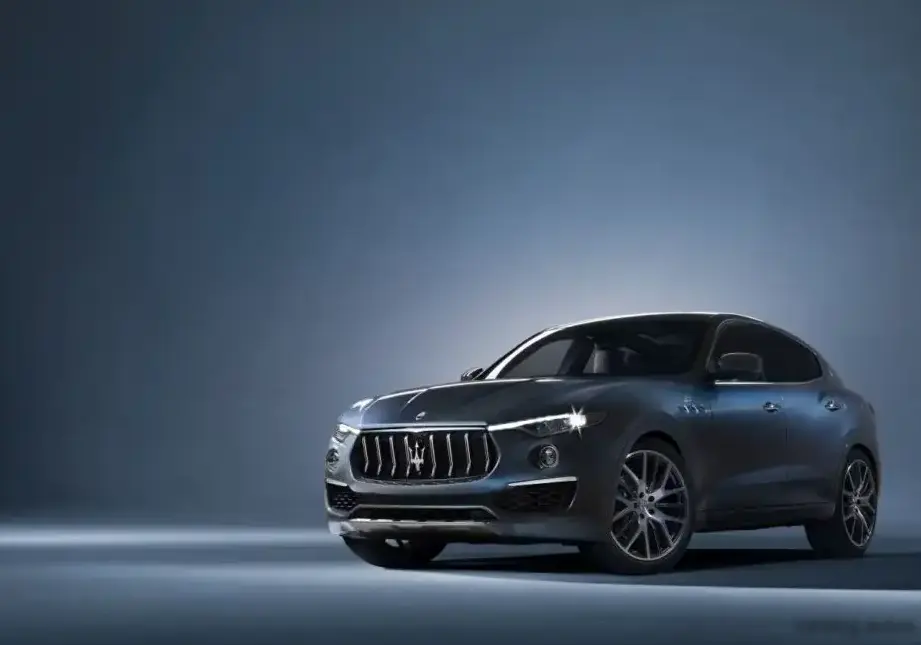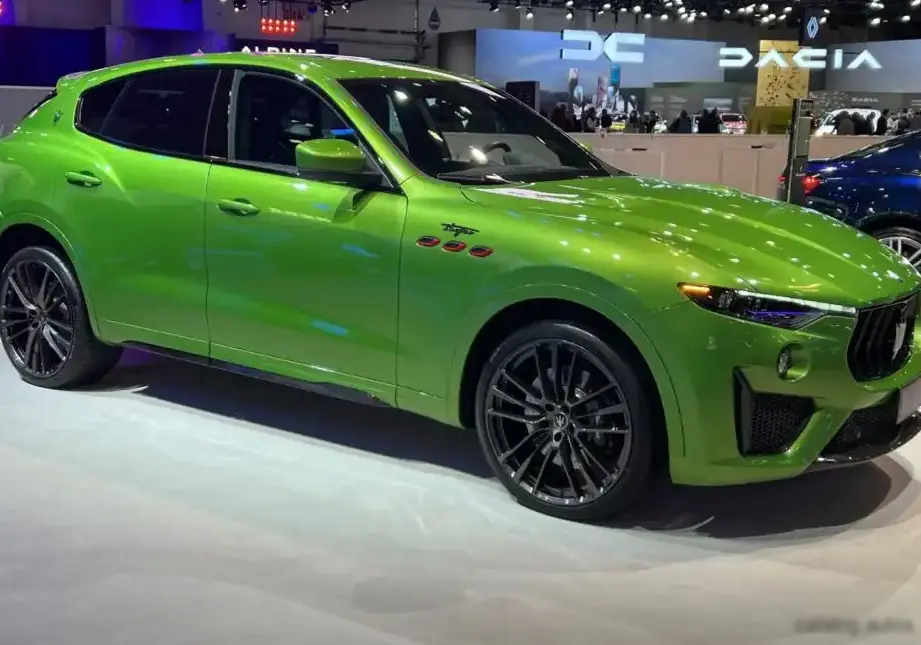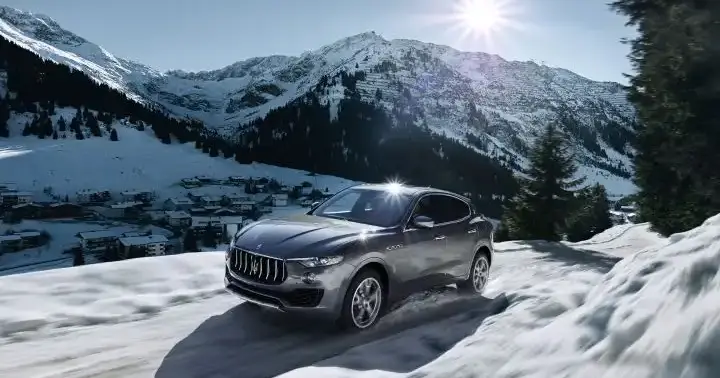
The Maserati Levante GTS 3.8 V8, launched in 2019, represents the performance pinnacle of the first-generation Levante SUV (2016-2023). Positioned as the flagship trim, it aimed to deliver a blend of Italian luxury, dynamic handling, and substantial power, competing directly with high-performance SUVs from Porsche, BMW, and Mercedes-Benz. This variant distinguished itself from the base and S trims through its significantly more potent twin-turbocharged V8 engine and upgraded braking system. The Levante GTS was Maserati’s answer to the growing demand for a truly sporting SUV, offering a more engaging driving experience than its siblings.
Technical Specifications
| Brand | Maserati |
| Model | Levante |
| Type | GTS 3.8 V8 (550 Hp) AWD Automatic |
| Start of production | 2019 |
| Powertrain Architecture | Internal Combustion engine |
| Body type | SUV |
| Seats | 5 |
| Doors | 5 |
| Fuel consumption (combined) | 13.5 l/100 km (17.4 US mpg, 20.9 UK mpg, 7.4 km/l) |
| CO2 emissions | 313 g/km |
| Fuel Type | Petrol (Gasoline) |
| Acceleration 0 – 100 km/h | 4.2 sec |
| Acceleration 0 – 62 mph | 4.2 sec |
| Acceleration 0 – 60 mph | 4.0 sec |
| Maximum speed | 292 km/h (181.44 mph) |
| Kerb Weight | 2170 kg (4784.03 lbs) |
| Engine Power | 550 Hp @ 6250 rpm |
| Engine Torque | 730 Nm @ 2500-5000 rpm (538.42 lb.-ft. @ 2500-5000 rpm) |
| Engine layout | Front, Longitudinal |
| Engine Model/Code | F154AS |
| Engine displacement | 3799 cm3 (231.83 cu. in.) |
| Number of cylinders | 8 |
| Engine configuration | V-engine |
| Fuel injection system | Direct injection |
| Engine aspiration | Twin-Turbo, Intercooler |
| Engine oil capacity | 8.3 l (8.77 US qt | 7.3 UK qt) |
| Coolant capacity | 14.3 l (15.11 US qt | 12.58 UK qt) |
| Drive wheel | All wheel drive (4×4) |
| Number of gears | 8 |
| Gearbox type | Automatic transmission ZF |
| Front suspension | Double wishbone |
| Rear suspension | Independent multi-link suspension |
| Front brakes | Ventilated discs |
| Rear brakes | Ventilated discs |
| Tire size | 265/40 R20; 295/40 R20 |
| Wheel rims size | 20 |
| Length | 5020 mm (197.64 in) |
| Width | 1968 mm (77.48 in) |
| Height | 1698 mm (66.85 in) |
| Wheelbase | 3004 mm (118.27 in) |
Powertrain & Engine Architecture
The heart of the Levante GTS is the 3.8-liter twin-turbocharged V8 engine, designated F154AS. This engine, sourced from Ferrari (though heavily modified by Maserati), is a 90-degree V8 featuring direct fuel injection and a flat-plane crankshaft. The twin-turbochargers, positioned within the V, provide rapid response and minimize turbo lag. The engine produces a peak output of 550 horsepower at 6,250 rpm and 730 Nm (538 lb-ft) of torque between 2,500 and 5,000 rpm. The engine’s architecture prioritizes both high-end power and a broad torque curve for effortless acceleration. The engine is mated to an 8-speed automatic transmission developed by ZF, known for its smooth and quick shifts. This transmission is calibrated for both comfortable cruising and aggressive performance driving, with paddle shifters included for manual control.
Driving Characteristics
The Levante GTS delivers a markedly different driving experience compared to the 3.0-liter V6 variants. The V8’s substantial power and torque result in significantly quicker acceleration – 0 to 60 mph in around 4.0 seconds. The ZF 8-speed automatic transmission is well-matched to the engine, providing seamless gear changes and contributing to the car’s overall responsiveness. While the Levante is a relatively large SUV, the GTS feels surprisingly agile, thanks in part to its all-wheel-drive system and well-tuned suspension. The all-wheel-drive system is rear-biased, enhancing the car’s dynamic feel and providing a more engaging driving experience. Compared to the Levante S, the GTS offers a more visceral and engaging driving experience, with a more pronounced exhaust note and a greater sense of urgency.
Equipment & Trim Levels
The GTS trim came standard with a high level of equipment, reflecting its position as the range-topping model. Standard features included leather upholstery, heated and ventilated front seats, a premium sound system (typically Harman Kardon), a panoramic sunroof, and a suite of advanced driver-assistance systems (ADAS) such as adaptive cruise control, lane-keeping assist, and automatic emergency braking. Interior trim options included a variety of wood veneers, carbon fiber accents, and leather colors. Optional extras included upgraded leather packages, a Bowers & Wilkins sound system, and various customization options through Maserati’s “Fuoriserie” program, allowing buyers to personalize their vehicle with unique colors and materials.
Chassis & Braking
The Levante GTS features a double-wishbone front suspension and an independent multi-link rear suspension, optimized for both comfort and handling. The suspension is electronically controlled, allowing the driver to adjust the ride height and damping settings. The GTS benefits from upgraded brakes compared to lower trims, featuring larger ventilated discs and multi-piston calipers. These brakes provide ample stopping power and resist fade during repeated hard braking. The steering is electrically assisted and offers a good balance of weight and feedback. The standard tire size is 265/40 R20 at the front and 295/40 R20 at the rear, providing excellent grip and stability.
Market Reception & Comparison
The Levante GTS was generally well-received by automotive critics, who praised its powerful engine, luxurious interior, and engaging driving dynamics. However, some reviewers noted the car’s relatively high price and its fuel consumption. Compared to the Levante S (with the V6 engine), the GTS offered a significant performance upgrade but came at a substantial price premium. The V6 models were often seen as a more sensible choice for everyday driving, while the GTS appealed to buyers prioritizing performance and exclusivity. Against rivals like the Porsche Cayenne Turbo and the BMW X5 M, the Levante GTS offered a unique Italian flair and a more characterful driving experience, though it often lagged behind in terms of outright track performance.
Legacy
The Levante GTS, while not a high-volume seller, established the Levante as a credible contender in the luxury performance SUV segment. The F154AS V8 engine proved to be a robust and reliable unit, although maintenance costs are higher than those associated with the V6 engines. On the used car market, the Levante GTS commands a premium over other Levante trims, reflecting its performance capabilities and exclusivity. While the first-generation Levante has been replaced by a revised model, the GTS variant remains a desirable option for enthusiasts seeking a unique and powerful luxury SUV.