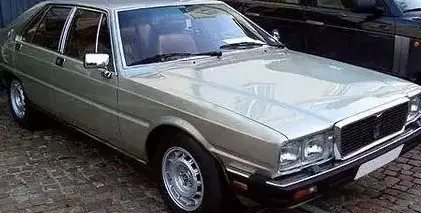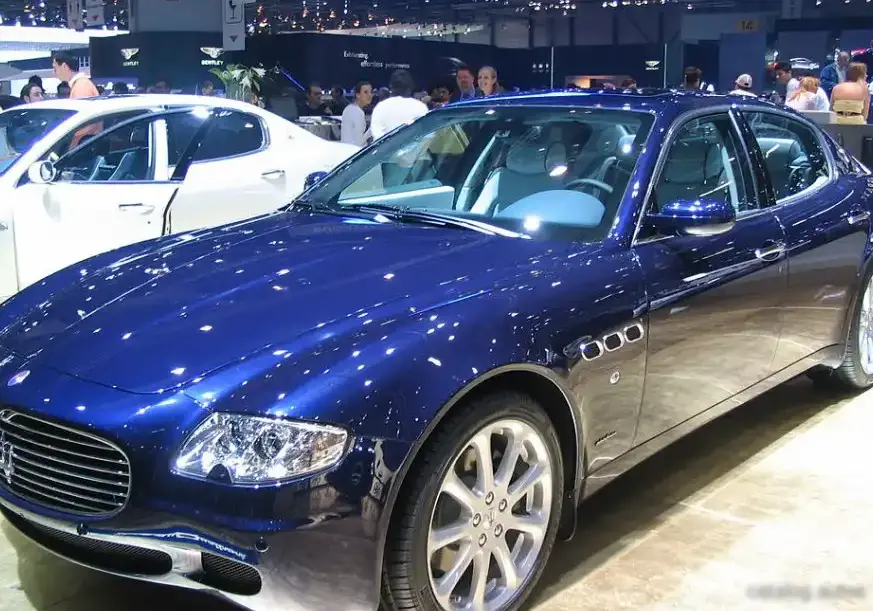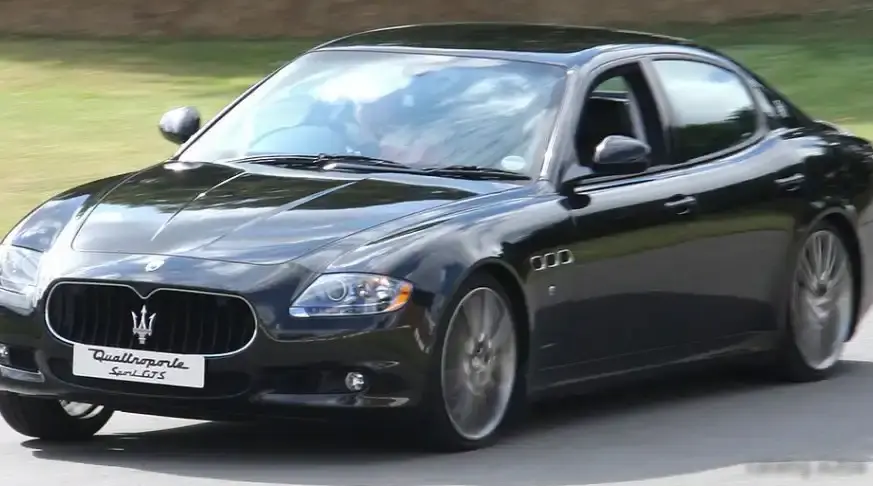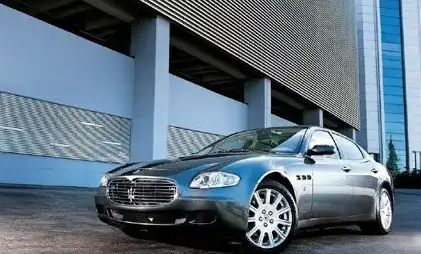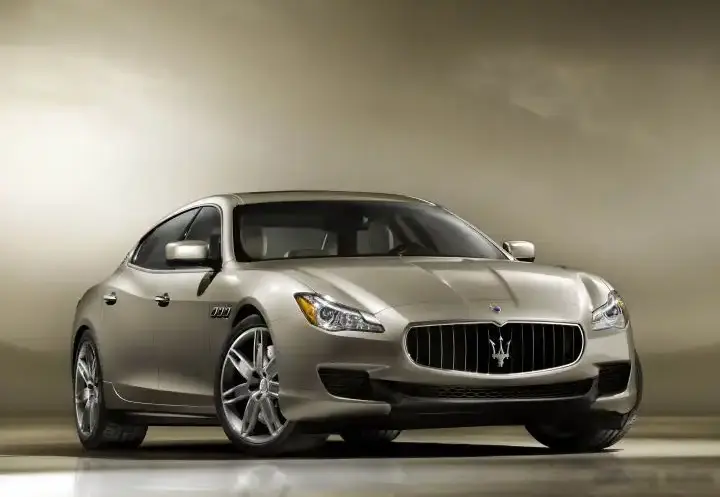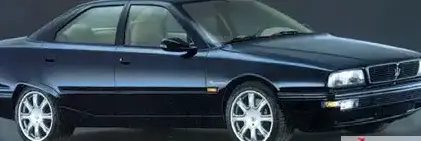
The Maserati Quattroporte IV 3.2 V8 32V, produced between 1996 and 1998, represents a pivotal moment in the storied history of Maserati’s flagship sedan. This fourth generation of the Quattroporte, designated as the 1996-1998 model year, aimed to revitalize the brand by blending traditional Italian luxury with modern performance. It was a direct response to a changing market, seeking to offer a more contemporary alternative to established German rivals while retaining the unique character Maserati was known for. The 3.2 V8 variant occupied the top position in the Quattroporte IV lineup, offering the highest level of performance and refinement.
Technical Specifications
| Brand | Maserati |
| Model | Quattroporte |
| Generation | Quattroporte IV |
| Type (Engine) | 3.2 V8 32V (336 Hp) |
| Start of production | 1996 |
| End of production | 1998 |
| Powertrain Architecture | Internal Combustion engine |
| Body type | Sedan |
| Seats | 5 |
| Doors | 4 |
| Fuel consumption (urban) | 25.3 l/100 km (9.3 US mpg) |
| Fuel consumption (extra urban) | 10.6 l/100 km (22.2 US mpg) |
| Fuel consumption (combined) | 13.1 l/100 km (18 US mpg) |
| Fuel Type | Petrol (Gasoline) |
| Acceleration 0 – 100 km/h | 5.8 sec |
| Acceleration 0 – 62 mph | 5.8 sec |
| Acceleration 0 – 60 mph | 5.5 sec |
| Maximum speed | 270 km/h (167.77 mph) |
| Weight-to-power ratio | 4.9 kg/Hp |
| Weight-to-torque ratio | 3.7 kg/Nm |
| Power | 336 Hp @ 6400 rpm |
| Power per litre | 104.4 Hp/l |
| Torque | 450 Nm @ 4400 rpm (331.9 lb.-ft. @ 4400 rpm) |
| Engine layout | Front, Longitudinal |
| Engine displacement | 3217 cm3 (196.31 cu. in.) |
| Number of cylinders | 8 |
| Engine configuration | V-engine |
| Cylinder Bore | 80 mm (3.15 in.) |
| Piston Stroke | 80 mm (3.15 in.) |
| Compression ratio | 7.3:1 |
| Number of valves per cylinder | 4 |
| Fuel injection system | Multi-port manifold injection |
| Engine aspiration | Naturally Aspirated |
| Valvetrain | DOHC |
| Kerb Weight | 1647 kg (3631.01 lbs.) |
| Max. weight | 2045 kg (4508.45 lbs.) |
| Max load | 398 kg (877.44 lbs.) |
| Trunk (boot) space – maximum | 475 l (16.77 cu. ft.) |
| Fuel tank capacity | 80 l (21.13 US gal | 17.6 UK gal) |
| Length | 4550 mm (179.13 in.) |
| Width | 1810 mm (71.26 in.) |
| Height | 1380 mm (54.33 in.) |
| Wheelbase | 2650 mm (104.33 in.) |
| Front track | 1522 mm (59.92 in.) |
| Rear (Back) track | 1502 mm (59.13 in.) |
| Drivetrain Architecture | Rear wheel drive |
| Drive wheel | Rear wheel drive |
| Number of gears and type of gearbox | 6 gears, manual transmission |
| Front suspension | Coil spring |
| Rear suspension | Coil spring |
| Front brakes | Ventilated discs |
| Rear brakes | Ventilated discs |
| Assisting systems | ABS (Anti-lock braking system) |
| Steering type | Steering rack and pinion |
| Power steering | Hydraulic Steering |
| Tires size | 225/45 R17; 245/40 R17 |
| Wheel rims size | 8J x 17; 9J x 17 |
Powertrain & Engine Architecture
The heart of the Quattroporte IV 3.2 V8 is the M178 engine, a 3.2-liter naturally aspirated V8. This engine, derived from Maserati’s collaboration with Ferrari, boasts 32 valves and produces 336 horsepower at 6400 rpm and 450 Nm (331.9 lb-ft) of torque at 4400 rpm. The engine utilizes a multi-port fuel injection system and a relatively conservative 7.3:1 compression ratio. The double overhead camshafts (DOHC) and four valves per cylinder contribute to its high-revving nature and strong power output. The engine is longitudinally mounted at the front of the vehicle, driving the rear wheels. The standard transmission for this variant was a six-speed manual gearbox, offering a more engaging driving experience compared to the later, less common automatic options.
Driving Characteristics
The 3.2 V8 with the six-speed manual transmission delivers a distinctly sporting driving experience. Acceleration from 0 to 60 mph is achieved in approximately 5.5 seconds, and the car boasts a top speed of 167.77 mph. The engine’s torque curve provides strong pull throughout the rev range, making it responsive in various driving situations. The manual gearbox allows for precise control, enhancing driver involvement. Compared to potential future automatic versions, the manual offered a more direct connection to the engine and a more engaging feel. While not as overtly aggressive as some contemporary sports cars, the Quattroporte IV 3.2 V8 provides a refined yet exhilarating driving experience, characteristic of a grand tourer.
Equipment & Trim Levels
The 3.2 V8 variant was the highest trim level available for the Quattroporte IV. Standard features included leather upholstery, power-adjustable front seats, climate control, and an upgraded audio system. Exterior features typically included alloy wheels, body-colored bumpers, and a subtle rear spoiler. Optional extras included a sunroof, upgraded leather options, and a premium audio system. The interior design emphasized luxury and craftsmanship, with high-quality materials and meticulous attention to detail. The overall aesthetic aimed for a blend of Italian elegance and modern sophistication.
Chassis & Braking
The Quattroporte IV utilizes a traditional body-on-frame construction, providing a robust and durable chassis. Suspension consists of coil springs all around, offering a comfortable ride while maintaining reasonable handling characteristics. The braking system features ventilated discs on all four wheels, coupled with an Anti-lock Braking System (ABS) for enhanced safety. The steering is a hydraulic power-assisted rack and pinion system, providing precise and responsive control. Tire sizes were typically 225/45 R17 for the front and 245/40 R17 for the rear, mounted on 8J x 17 and 9J x 17 alloy wheels, respectively.
Market Reception & Comparison
The Quattroporte IV 3.2 V8 was generally well-received by automotive critics, who praised its powerful engine, luxurious interior, and engaging driving dynamics. However, some criticisms were leveled at its relatively high price and the somewhat dated body-on-frame construction compared to the increasingly prevalent unibody designs of its competitors. Fuel economy, at 18 US mpg combined, was also considered relatively poor by modern standards. Compared to other trims in the Quattroporte IV lineup, the 3.2 V8 offered significantly more performance and refinement, justifying its higher price point. It positioned itself as a direct competitor to luxury sedans from Porsche and BMW, offering a unique Italian alternative.
Legacy
The Maserati Quattroporte IV 3.2 V8 represents a significant chapter in Maserati’s history, marking a period of revitalization and a return to its roots as a manufacturer of high-performance luxury sedans. While production numbers were relatively limited, the 3.2 V8 variant remains a sought-after model among collectors and enthusiasts. The engine, known for its reliability and robust construction, has proven to be durable over time. Today, well-maintained examples command a premium in the used car market, representing a unique blend of Italian style, performance, and exclusivity. The Quattroporte IV 3.2 V8 laid the groundwork for the continued success of the Quattroporte line, solidifying its position as a flagship model for the Maserati brand.