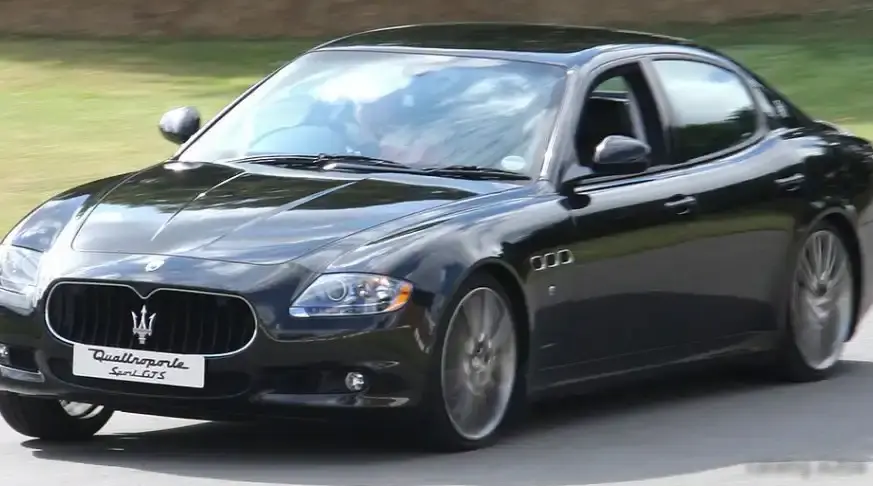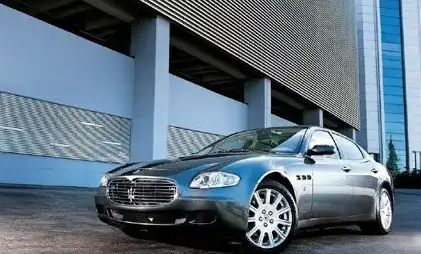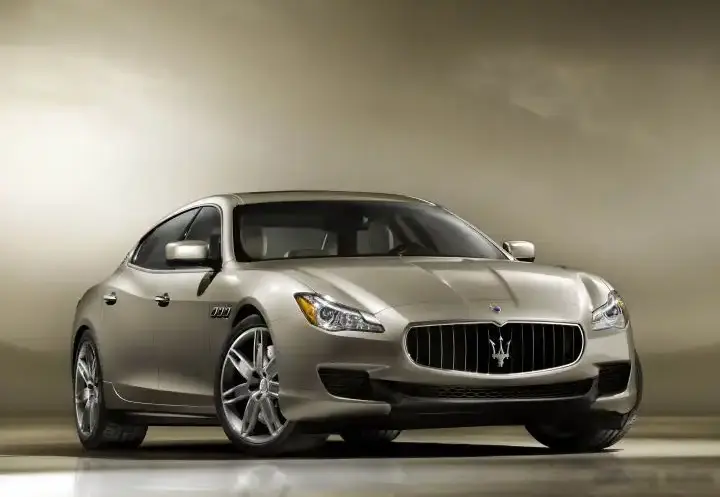
The Maserati Quattroporte VI (M156) 3.0 V6 Automatic, produced from 2014 to 2016, represents a significant shift for the iconic Italian luxury sedan. This generation, the sixth iteration of the Quattroporte, moved away from traditional Ferrari-sourced engines and embraced a more fuel-efficient diesel powertrain option alongside gasoline variants. The 3.0 V6 Automatic model, powered by a turbocharged diesel engine, was primarily aimed at the European market where diesel fuel was more prevalent and taxation favored lower emissions. It offered a blend of performance, luxury, and economy, positioning itself as a compelling alternative to its German rivals like the Porsche Panamera and BMW 7 Series.
Technical Specifications
| Brand | Maserati |
| Model | Quattroporte |
| Generation | Quattroporte VI (M156) |
| Type (Engine) | 3.0 V6 (275 Hp) Automatic |
| Start of production | 2014 |
| End of production | 2016 |
| Powertrain Architecture | Internal Combustion engine |
| Body type | Sedan |
| Seats | 5 |
| Doors | 4 |
| Fuel consumption (urban) | 7.9 l/100 km (29.8 US mpg, 35.8 UK mpg, 12.7 km/l) |
| Fuel consumption (extra urban) | 5.2 l/100 km (45.2 US mpg, 54.3 UK mpg, 19.2 km/l) |
| Fuel consumption (combined) | 6.2 l/100 km (37.9 US mpg, 45.6 UK mpg, 16.1 km/l) |
| CO2 emissions | 163 g/km |
| Fuel Type | Diesel |
| Acceleration 0 – 100 km/h | 6.4 sec |
| Acceleration 0 – 62 mph | 6.4 sec |
| Acceleration 0 – 60 mph | 6.1 sec |
| Maximum speed | 250 km/h (155.34 mph) |
| Emission standard | Euro 6 |
| Weight-to-power ratio | 6.5 kg/Hp, 153.2 Hp/tonne |
| Weight-to-torque ratio | 3 kg/Nm, 334.3 Nm/tonne |
| Power | 275 Hp @ 4000 rpm |
| Power per litre | 92.1 Hp/l |
| Torque | 600 Nm @ 2000-2600 rpm (442.54 lb.-ft. @ 2000-2600 rpm) |
| Engine layout | Front, Longitudinal |
| Engine Model/Code | M15746D |
| Engine displacement | 2987 cm3 (182.28 cu. in.) |
| Number of cylinders | 6 |
| Engine configuration | V-engine |
| Cylinder Bore | 83 mm (3.27 in.) |
| Piston Stroke | 92 mm (3.62 in.) |
| Compression ratio | 16.5:1 |
| Fuel injection system | Diesel Commonrail |
| Engine aspiration | Turbocharger, Intercooler |
| Engine oil capacity | 9.1 l (9.62 US qt | 8.01 UK qt) |
| Coolant | 13 l (13.74 US qt | 11.44 UK qt) |
| Kerb Weight | 1795 kg (3957.3 lbs.) |
| Trunk (boot) space – minimum | 530 l (18.72 cu. ft.) |
| Fuel tank capacity | 70 l (18.49 US gal | 15.4 UK gal) |
| Length | 5262 mm (207.17 in.) |
| Width | 1948 mm (76.69 in.) |
| Width including mirrors | 2100 mm (82.68 in.) |
| Height | 1481 mm (58.31 in.) |
| Wheelbase | 3171 mm (124.84 in.) |
| Front track | 1634 mm (64.33 in.) |
| Rear (Back) track | 1647 mm (64.84 in.) |
| Minimum turning circle | 11.8 m (38.71 ft.) |
| Drivetrain Architecture | Rear wheel drive |
| Number of gears and type of gearbox | 8 gears, automatic transmission |
| Front brakes | Ventilated discs |
| Rear brakes | Ventilated discs |
| Tires size | 245/45 R19; 275/40 R19 |
| Wheel rims size | 19 |
Powertrain & Engine Architecture
The heart of the Quattroporte VI 3.0 V6 Automatic is the M15746D engine, a 3.0-liter turbocharged diesel V6. This engine utilizes a common rail direct injection system, delivering fuel directly into the cylinders at extremely high pressure for optimized combustion. The engine also features a variable geometry turbocharger (VGT) and an intercooler to enhance power and efficiency. The VGT adjusts the turbine vanes to optimize airflow for different engine speeds, improving both low-end torque and high-end power. The engine produces 275 horsepower at 4000 rpm and a substantial 600 Nm (442.54 lb-ft) of torque between 2000 and 2600 rpm. This torque output is a key characteristic of diesel engines, providing strong acceleration and effortless cruising. The engine is longitudinally mounted at the front of the vehicle, driving the rear wheels. The transmission is an 8-speed automatic, sourced from ZF, known for its smooth shifting and responsiveness. This transmission was chosen for its ability to handle the engine’s torque and provide a comfortable driving experience.
Driving Characteristics
The 3.0 V6 Automatic Quattroporte offers a distinctly different driving experience compared to the gasoline-powered variants. While lacking the high-revving excitement of the V8 models, it excels in providing relaxed, effortless performance. The abundant torque allows for strong acceleration in everyday driving situations, and the 8-speed automatic transmission keeps the engine in its optimal power band. The gear ratios are tuned for both fuel efficiency and responsiveness. In typical driving, the transmission shifts smoothly and almost imperceptibly. However, when pushed, it can downshift quickly to provide ample power for overtaking or climbing hills. Compared to the manual transmission options available on other Quattroporte models, the automatic prioritizes comfort and ease of use over outright driver engagement. The weight distribution, combined with the rear-wheel drive layout, provides a balanced feel, although it doesn’t possess the agility of some lighter sports sedans.
Equipment & Trim Levels
The 3.0 V6 Automatic trim typically came well-equipped, reflecting Maserati’s luxury positioning. Standard features included leather upholstery, wood trim, a touchscreen infotainment system, dual-zone climate control, and a suite of safety features like ABS, stability control, and multiple airbags. Optional extras included premium audio systems (Harman Kardon or Bowers & Wilkins), adaptive cruise control, a panoramic sunroof, and various customization options for interior materials and colors. The interior design emphasized Italian craftsmanship and luxury, with high-quality materials and attention to detail. The dashboard layout was relatively straightforward, with a focus on providing a comfortable and intuitive driving experience.
Chassis & Braking
The Quattroporte VI utilized a double-wishbone front suspension and a multi-link rear suspension, providing a comfortable ride and good handling characteristics. The suspension was tuned to balance comfort and control, absorbing bumps and imperfections in the road while maintaining stability during cornering. The 3.0 V6 models typically featured ventilated disc brakes on all four wheels, providing ample stopping power. Anti-lock braking system (ABS) and electronic stability control (ESC) were standard features, enhancing safety and control. The steering system was a power-assisted rack and pinion system, offering precise and responsive steering feel.
Market Reception & Comparison
The 3.0 V6 Automatic Quattroporte was generally well-received by automotive critics, particularly in Europe. It was praised for its refined engine, comfortable ride, and luxurious interior. However, some critics noted that it lacked the emotional connection and sporting character of the V8 models. Compared to the gasoline-powered Quattroporte variants, the 3.0 V6 offered significantly better fuel economy, making it a more practical choice for long-distance driving. It also offered a lower price point, making it more accessible to a wider range of buyers. Against its German rivals, the Quattroporte 3.0 V6 offered a unique blend of Italian style, luxury, and performance, appealing to buyers who wanted something different from the established brands.
Legacy
The M15746D engine proved to be a relatively reliable powertrain, although, like any complex diesel engine, it requires regular maintenance. Common issues include diesel particulate filter (DPF) clogging and potential problems with the turbocharger. However, with proper care, these engines can provide many years of reliable service. In the used car market, the 3.0 V6 Automatic Quattroporte represents a good value proposition, offering a luxurious and well-equipped sedan at a more affordable price point than its V8 counterparts. It remains a desirable choice for buyers who appreciate Italian design, comfortable driving dynamics, and the efficiency of a modern diesel engine.