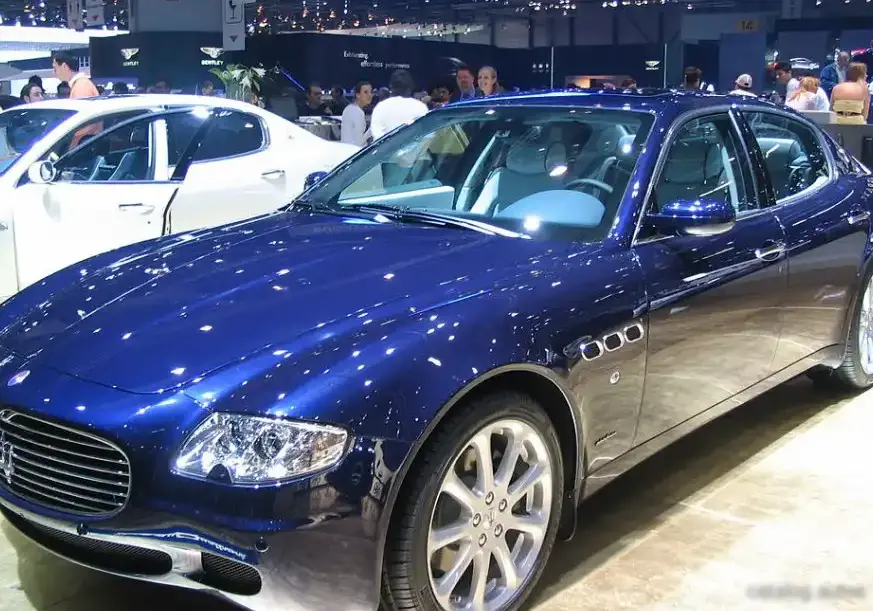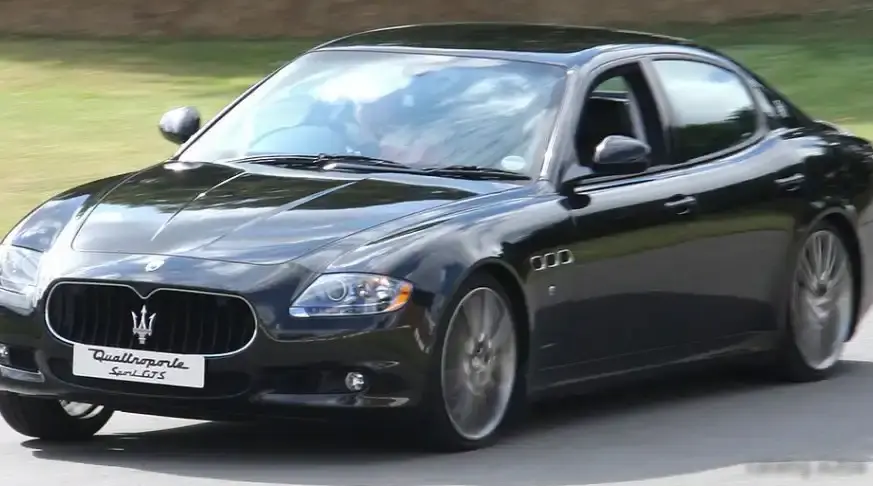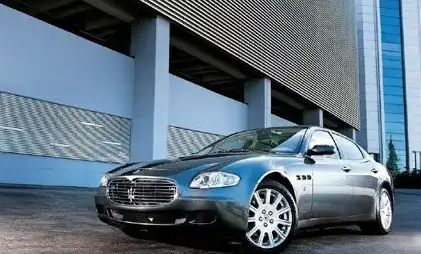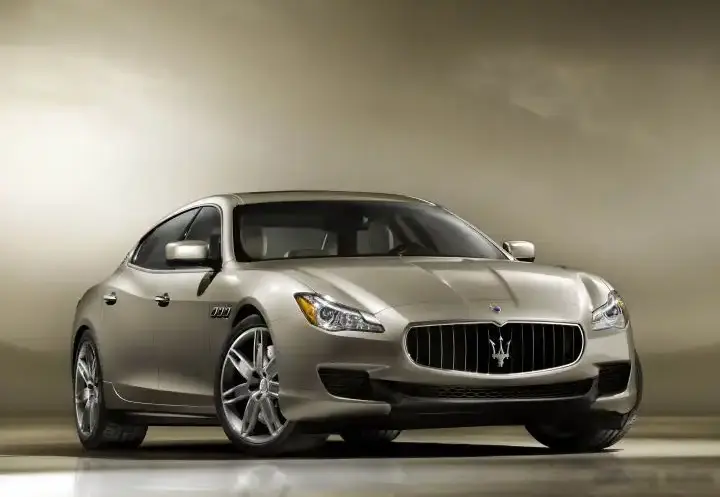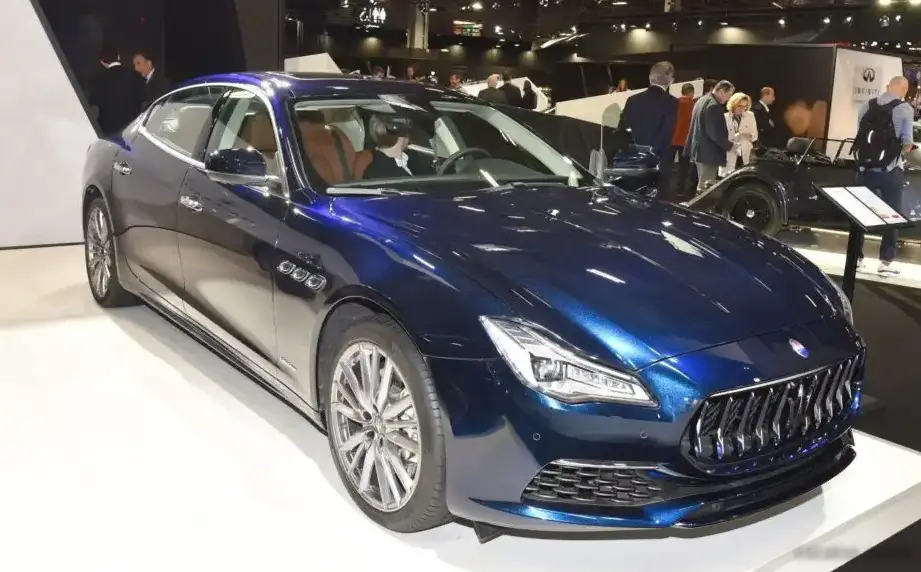
The Maserati Quattroporte VI (M156), specifically the facelifted model introduced in 2016 with the 3.0-liter V6 diesel engine producing 275 horsepower, represents a significant evolution in Maserati’s flagship sedan. Produced from 2016 onwards, this variant aimed to broaden the Quattroporte’s appeal by offering a more fuel-efficient and torque-rich alternative to the gasoline-powered options, particularly in European markets where diesel engines held a substantial share of the luxury car segment. This generation, built on a shortened version of the Chrysler platform, sought to blend Italian styling and performance with a degree of practicality and modern technology. The 3.0 V6 Automatic trim occupied a middle ground in the Quattroporte VI lineup, positioned between the base gasoline models and the higher-performance S Q4 variants.
Technical Specifications
| Brand | Maserati |
| Model | Quattroporte |
| Generation | Quattroporte VI (M156, facelift 2016) |
| Type (Engine) | 3.0 V6 (275 Hp) Automatic |
| Start of production | 2016 |
| Powertrain Architecture | Internal Combustion engine |
| Body type | Sedan |
| Seats | 5 |
| Doors | 4 |
| Fuel consumption (urban) | 7.9 l/100 km (29.8 US mpg) |
| Fuel consumption (extra urban) | 5.2 l/100 km (45.2 US mpg) |
| Fuel consumption (combined) | 6.2 l/100 km (37.9 US mpg) |
| CO2 emissions | 163 g/km |
| Fuel Type | Diesel |
| Acceleration 0 – 100 km/h | 6.4 sec |
| Acceleration 0 – 62 mph | 6.4 sec |
| Acceleration 0 – 60 mph | 6.1 sec |
| Maximum speed | 252 km/h (156.59 mph) |
| Power | 275 Hp @ 4000 rpm |
| Torque | 600 Nm @ 2000-2600 rpm (442.54 lb.-ft.) |
| Engine layout | Front, Longitudinal |
| Engine Model/Code | M15746D |
| Engine displacement | 2987 cm3 (182.28 cu. in.) |
| Number of cylinders | 6 |
| Engine configuration | V-engine |
| Cylinder Bore | 83 mm (3.27 in.) |
| Piston Stroke | 92 mm (3.62 in.) |
| Compression ratio | 16.5:1 |
| Number of valves per cylinder | 4 |
| Fuel injection system | Diesel Commonrail |
| Engine aspiration | Turbocharger, Intercooler |
| Engine oil capacity | 9.1 l (9.62 US qt | 8.01 UK qt) |
| Coolant capacity | 13 l (13.74 US qt | 11.44 UK qt) |
| Trunk (boot) space (minimum) | 530 l (18.72 cu. ft.) |
| Fuel tank capacity | 70 l (18.49 US gal | 15.4 UK gal) |
| Length | 5262 mm (207.17 in.) |
| Width | 1948 mm (76.69 in.) |
| Width including mirrors | 2100 mm (82.68 in.) |
| Height | 1481 mm (58.31 in.) |
| Wheelbase | 3171 mm (124.84 in.) |
| Front track | 1634 mm (64.33 in.) |
| Rear track | 1647 mm (64.84 in.) |
| Drivetrain | Rear wheel drive |
| Number of gears | 8 |
| Gearbox type | Automatic transmission |
| Front suspension | Double wishbone |
| Rear suspension | Independent multi-link suspension |
| Front brakes | Ventilated discs |
| Rear brakes | Ventilated discs |
| Steering type | Steering rack and pinion |
| Power steering | Electric |
| Tires size | 245/45 R19; 275/40 R19 |
| Wheel rims size | 19 |
Powertrain & Engine Architecture
The heart of this Quattroporte variant is the VM Motori A630.02 3.0-liter V6 diesel engine, a powerplant developed in collaboration between Maserati and VM Motori. This engine, designated as M15746D, utilizes a common-rail direct injection system, delivering fuel at extremely high pressures for optimized combustion. A variable geometry turbocharger with an intercooler further enhances performance and efficiency. The engine boasts a high compression ratio of 16.5:1, contributing to its torque output. The engine is longitudinally mounted in the front of the vehicle. Paired with this engine is a ZF 8HP70 eight-speed automatic transmission, known for its smooth shifting and responsiveness. This transmission features a torque converter and allows for both fully automatic operation and manual gear selection via steering wheel-mounted paddles.
Driving Characteristics
The 275 horsepower and 442 lb-ft of torque delivered by the 3.0 V6 diesel engine provide a distinctly different driving experience compared to the gasoline-powered Quattroportes. While lacking the high-revving excitement of the V8 models, the diesel offers a broad, flat torque curve, resulting in strong acceleration from low engine speeds. The 0-60 mph time of around 6.1 seconds is respectable for a large luxury sedan. The eight-speed automatic transmission is well-matched to the engine, providing seamless gear changes and contributing to relaxed highway cruising. The gear ratios are tuned for both fuel efficiency and responsive acceleration. Compared to the more powerful gasoline variants, this diesel version prioritizes effortless cruising and fuel economy over outright performance.
Equipment & Trim Levels
The 3.0 V6 Automatic trim of the Quattroporte VI typically included a generous level of standard equipment. Interior features generally included leather upholstery, power-adjustable front seats with memory function, dual-zone automatic climate control, and an 8.4-inch touchscreen infotainment system with navigation. Standard safety features included a suite of airbags, ABS, electronic stability control, and parking sensors. Optional extras included premium leather options, a Bowers & Wilkins audio system, adaptive cruise control, blind-spot monitoring, and a rear-seat entertainment system. Exterior styling cues were largely consistent across the range, with subtle differences in trim and wheel designs.
Chassis & Braking
The Quattroporte VI utilizes a double wishbone front suspension and an independent multi-link rear suspension, providing a comfortable and controlled ride. The suspension is tuned to balance handling and ride quality, prioritizing comfort over outright sportiness. Braking duties are handled by ventilated discs on all four wheels, providing ample stopping power. The car is equipped with ABS, electronic brakeforce distribution, and brake assist systems. The steering is electrically assisted, offering a precise and responsive feel. Stabilizer bars are fitted to both the front and rear axles to reduce body roll during cornering.
Market Reception & Comparison
The 3.0 V6 diesel Quattroporte was primarily aimed at the European market, where diesel engines were favored for their fuel efficiency and lower running costs. Critics generally praised the engine’s torque and fuel economy, but some noted that it lacked the aural excitement and character of the gasoline engines. Compared to the gasoline-powered Quattroportes, the diesel offered significantly better fuel economy, making it a more practical choice for long-distance driving. However, the gasoline models provided a more engaging driving experience. Against competitors like the Porsche Panamera and BMW 7 Series, the Quattroporte VI offered a unique blend of Italian style and luxury, but often lagged behind in terms of outright performance and technology.
Legacy
The 3.0 V6 diesel engine proved to be a relatively reliable powerplant, although, like any modern diesel, it is susceptible to issues related to the diesel particulate filter (DPF) and emissions control systems. Proper maintenance, including regular oil changes and DPF regeneration, is crucial for long-term reliability. On the used car market, the 3.0 V6 Automatic Quattroporte VI represents a more affordable entry point into Maserati ownership compared to the gasoline models. Its fuel efficiency and comfortable ride make it a suitable choice for buyers seeking a luxurious and practical grand tourer. While not as sought-after as the V8-powered variants, the diesel Quattroporte remains a compelling option for those who prioritize efficiency and torque.