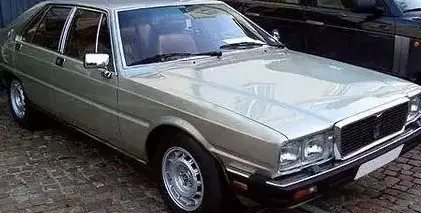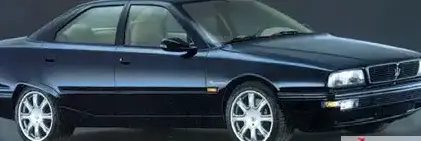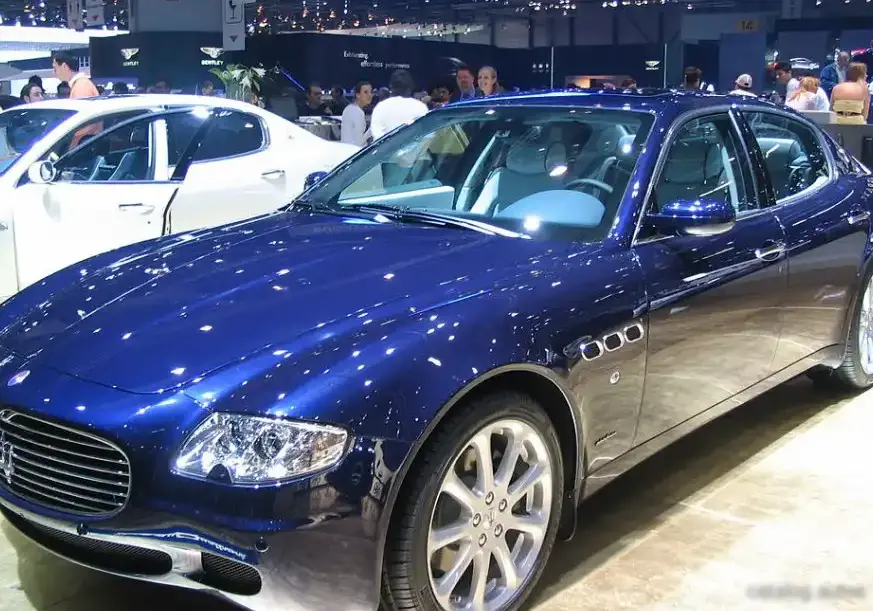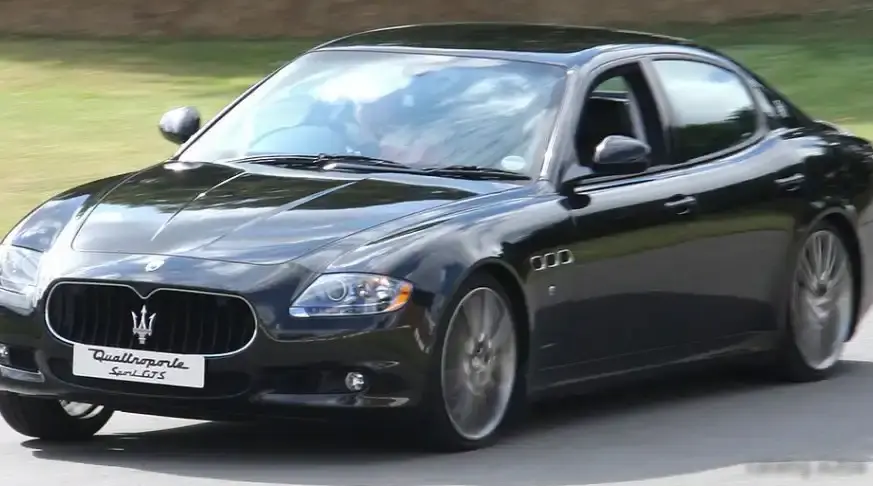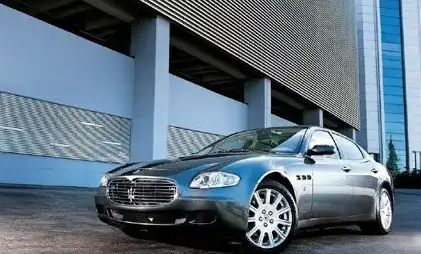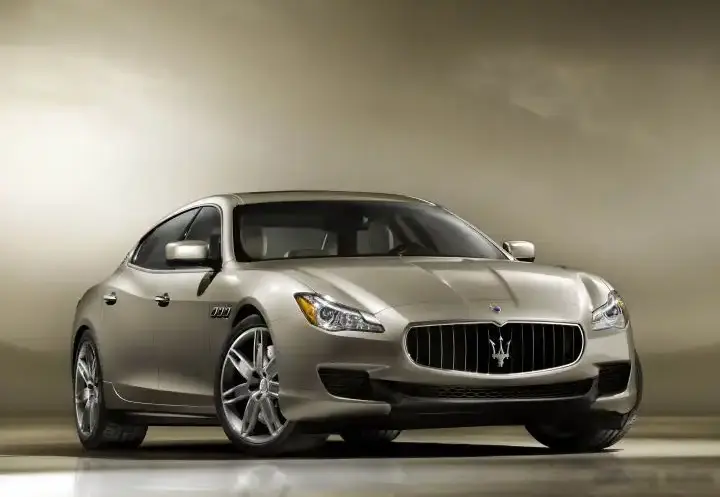
The Maserati Quattroporte VI (M156) S 3.0 V6 Automatic, produced from 2013 to 2016, represents a significant evolution in Maserati’s flagship sedan. Positioned as a performance-oriented variant within the sixth generation of the Quattroporte, it aimed to blend Italian luxury with respectable power and handling. This model year marked a shift towards more modern technology and a greater emphasis on efficiency, while still retaining the brand’s signature grand touring character. The M156 chassis underpinned this generation, representing a move away from the previous platform and offering increased rigidity and improved driving dynamics. This particular 3.0 V6 ‘S’ trim sat in the middle of the lineup, offering a step up in performance from the base model while remaining more accessible than the flagship V8 options.
Technical Specifications
| Brand | Maserati |
| Model | Quattroporte |
| Generation | Quattroporte VI (M156) |
| Type (Engine) | S 3.0 V6 (410 Hp) Automatic |
| Start of production | 2013 |
| End of production | 2016 |
| Powertrain Architecture | Internal Combustion engine |
| Body type | Sedan |
| Seats | 5 |
| Doors | 4 |
| Fuel consumption (economy) – urban | 13.8 l/100 km (17 US mpg, 20.5 UK mpg, 7.2 km/l) |
| Fuel consumption (economy) – extra urban | 7.2 l/100 km (32.7 US mpg, 39.2 UK mpg, 13.9 km/l) |
| Fuel consumption (economy) – combined | 9.6 l/100 km (24.5 US mpg, 29.4 UK mpg, 10.4 km/l) |
| CO2 emissions | 223 g/km |
| Fuel Type | Petrol (Gasoline) |
| Acceleration 0 – 100 km/h | 5.1 sec |
| Acceleration 0 – 62 mph | 5.1 sec |
| Acceleration 0 – 60 mph | 4.8 sec |
| Maximum speed | 285 km/h (177.09 mph) |
| Emission standard | Euro 6 |
| Weight-to-power ratio | 4.3 kg/Hp, 233 Hp/tonne |
| Weight-to-torque ratio | 3.2 kg/Nm, 312.5 Nm/tonne |
| Power | 410 Hp @ 5500 rpm |
| Power per litre | 137.6 Hp/l |
| Torque | 550 Nm @ 1750-5000 rpm (405.66 lb.-ft. @ 1750-5000 rpm) |
| Engine layout | Front, Longitudinal |
| Engine Model/Code | M156B |
| Engine displacement | 2979 cm3 (181.79 cu. in.) |
| Number of cylinders | 6 |
| Engine configuration | V-engine |
| Cylinder Bore | 86.5 mm (3.41 in.) |
| Piston Stroke | 84.5 mm (3.33 in.) |
| Compression ratio | 9.7:1 |
| Fuel injection system | Direct injection |
| Engine aspiration | BiTurbo, Intercooler |
| Engine oil capacity | 7.2 l (7.61 US qt | 6.34 UK qt) |
| Coolant | 9.2 l (9.72 US qt | 8.09 UK qt) |
| Kerb Weight | 1760 kg (3880.14 lbs.) |
| Trunk (boot) space – minimum | 530 l (18.72 cu. ft.) |
| Fuel tank capacity | 80 l (21.13 US gal | 17.6 UK gal) |
| Length | 5262 mm (207.17 in.) |
| Width | 1948 mm (76.69 in.) |
| Width including mirrors | 2100 mm (82.68 in.) |
| Height | 1481 mm (58.31 in.) |
| Wheelbase | 3171 mm (124.84 in.) |
| Front track | 1634 mm (64.33 in.) |
| Rear (Back) track | 1647 mm (64.84 in.) |
| Minimum turning circle | 11.8 m (38.71 ft.) |
| Drivetrain Architecture | Rear wheel drive |
| Number of gears and type of gearbox | 8 gears, automatic transmission |
| Front brakes | Ventilated discs |
| Rear brakes | Ventilated discs |
| Assisting systems | ABS (Anti-lock braking system) |
| Steering type | Steering rack and pinion |
| Power steering | Electric Steering |
| Tires size | 245/45 R19; 275/40 R19 |
| Wheel rims size | 19 |
Powertrain & Engine Architecture
The heart of the Quattroporte S 3.0 V6 is the Maserati M156B engine, a 3.0-liter twin-turbocharged V6. This engine is a significant departure from the naturally aspirated engines traditionally favored by Maserati. The twin-turbo setup, utilizing BorgWarner turbochargers, delivers 410 horsepower at 5,500 rpm and a robust 550 Nm (405.66 lb-ft) of torque between 1,750 and 5,000 rpm. Direct fuel injection is employed for precise fuel delivery and improved efficiency. The engine’s architecture is a 60-degree V configuration, contributing to a smoother power delivery and reduced vibrations. The engine is longitudinally mounted in the front of the vehicle. The transmission is an 8-speed automatic, sourced from ZF. This transmission offers smooth and relatively quick shifts, contributing to the car’s overall performance. It’s programmed for both comfort and sportiness, with manual shift modes available via steering wheel-mounted paddles.
Driving Characteristics
The Quattroporte S 3.0 V6 Automatic delivers a compelling driving experience. The twin-turbo V6 provides ample power for confident overtaking and effortless cruising. Acceleration from 0 to 60 mph takes approximately 4.8 seconds, making it a genuinely quick sedan. The 8-speed automatic transmission is well-matched to the engine, providing smooth gear changes and keeping the engine within its optimal power band. Compared to the base model Quattroporte, the ‘S’ trim offers noticeably improved acceleration and responsiveness. While not as visceral or engaging as the V8-powered models, the V6 provides a good balance of performance and refinement. The gear ratios are tuned for a blend of acceleration and fuel efficiency, with taller gears for highway cruising. The rear-wheel-drive configuration contributes to a balanced feel, although it doesn’t offer the all-weather capability of all-wheel-drive systems found in some competitors.
Equipment & Trim Levels
The Quattroporte S 3.0 V6 Automatic came standard with a generous array of features. Interior appointments typically included leather upholstery, power-adjustable front seats with memory function, dual-zone climate control, and a premium audio system. Standard exterior features included 19-inch alloy wheels, bi-xenon headlights, and parking sensors. Optional extras included a panoramic sunroof, upgraded leather options, a rear-seat entertainment system, and advanced driver-assistance systems such as adaptive cruise control and blind-spot monitoring. The dashboard layout is characterized by a blend of traditional Italian styling and modern technology, with a central touchscreen display controlling infotainment functions. The overall ambiance is one of understated luxury and sophistication.
Chassis & Braking
The Quattroporte VI (M156) utilizes a double-wishbone front suspension and a multi-link rear suspension, providing a comfortable ride and good handling characteristics. The suspension is tuned to balance comfort and control, offering a composed ride even on uneven surfaces. The ‘S’ trim typically featured slightly stiffer springs and dampers compared to the base model, enhancing handling precision. Braking duties are handled by ventilated discs on all four wheels, providing ample stopping power. An anti-lock braking system (ABS) is standard, along with electronic brake-force distribution (EBD). The steering is a power-assisted rack-and-pinion system, offering precise and responsive steering feel.
Market Reception & Comparison
The Quattroporte S 3.0 V6 Automatic was generally well-received by automotive critics. It was praised for its powerful engine, comfortable ride, and luxurious interior. However, some critics noted that it lacked the emotional connection of the V8 models and that the fuel economy, while improved over previous generations, was still relatively high. Compared to rivals such as the Porsche Panamera and BMW 7 Series, the Quattroporte offered a unique blend of Italian style and performance. The V6 model provided a more accessible entry point into the Quattroporte range, appealing to buyers who prioritized performance and efficiency over outright luxury and exclusivity.
Legacy
The Maserati Quattroporte VI (M156) S 3.0 V6 Automatic has proven to be a relatively reliable vehicle, although maintenance costs can be higher than those of some competitors. The twin-turbo V6 engine, while powerful, requires regular maintenance to ensure optimal performance. The ZF 8-speed automatic transmission is generally considered to be robust and reliable. In the used car market, these models represent a good value for buyers seeking a luxurious and performance-oriented sedan. They continue to appeal to enthusiasts who appreciate the Maserati brand’s heritage and distinctive Italian character. The introduction of the twin-turbo V6 marked a turning point for Maserati, paving the way for a wider range of models with forced induction engines.