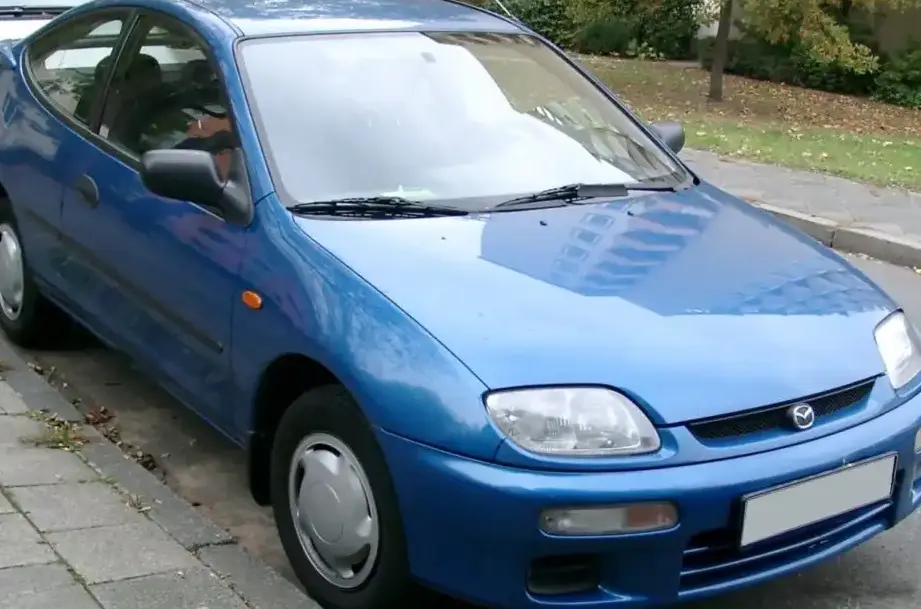
The Mazda 323 C IV (BG) 1.8 16V GT, produced between 1989 and 1993, represented a significant step forward for Mazda’s compact offering. Part of the BG generation of the 323, this variant aimed to provide a balance of performance and refinement within the range. Positioned as a mid-to-upper trim level, the 1.8 16V GT offered a more powerful engine option compared to the base models, appealing to drivers seeking a more engaging driving experience without the expense of the top-spec trims. The BG series 323 was a crucial model for Mazda, solidifying its reputation for building fun-to-drive, reliable vehicles, and was sold in various markets globally, including Europe, Japan, and Australia, though with varying specifications.
Technical Specifications
| Brand | Mazda |
| Model | 323 |
| Generation | 323 C IV (BG) |
| Type (Engine) | 1.8 16V GT (128 Hp) |
| Start of production | 1989 |
| End of production | 1993 |
| Powertrain Architecture | Internal Combustion engine |
| Body type | Hatchback |
| Fuel Type | Petrol (Gasoline) |
| Power | 128 Hp |
| Engine aspiration | Naturally aspirated engine |
Powertrain & Engine Architecture
The heart of the 323 C IV 1.8 16V GT is the Mazda B8 engine, a 1.8-liter (1798cc) inline-four cylinder gasoline engine. This engine featured a 16-valve dual overhead camshaft (DOHC) configuration, a significant upgrade from the earlier single overhead cam (SOHC) designs. The 16-valve setup allowed for improved breathing and higher engine speeds, contributing to the increased power output. Fuel delivery was managed by Mazda’s electronic fuel injection (EFI) system, providing precise fuel metering for optimal performance and emissions control. The engine utilized a cast iron block with an aluminum cylinder head, a common construction for the era balancing durability and weight. While specific compression ratios varied slightly depending on the market, they generally hovered around 9.0:1. The engine produced 128 horsepower at 6000 rpm and approximately 139 lb-ft of torque at 4500 rpm. The transmission offered with this variant was typically a four-speed automatic, though a five-speed manual was also available. The automatic transmission, while providing convenience, was geared more towards fuel economy and smooth operation rather than outright performance. It was a conventional hydraulic automatic, lacking the electronic controls found in later designs.
Driving Characteristics
The 1.8 16V GT offered a noticeable improvement in driving experience compared to the lower-spec 323 models. The 128 hp engine provided adequate acceleration for everyday driving, with a 0-60 mph time estimated around 9-10 seconds. The four-speed automatic transmission, while not particularly sporty, offered smooth shifts and made the car easy to drive in urban environments. However, the automatic transmission did detract from the engine’s potential, as it lacked the responsiveness of the manual gearbox. The gear ratios were optimized for fuel efficiency, meaning the engine often felt strained during aggressive acceleration. Compared to a manual transmission equipped 323 1.8, the automatic version felt slightly less lively, with a more relaxed power delivery. The suspension, tuned for comfort, provided a reasonably compliant ride, absorbing bumps and imperfections in the road surface effectively. Steering was light and precise, making the car easy to maneuver. The automatic’s kickdown function was relatively slow, requiring a deliberate push of the accelerator to initiate a downshift for overtaking.
Equipment & Trim Levels
The “GT” trim level signified a step up in features and comfort. Standard equipment typically included power steering, central locking, electric windows, and an upgraded interior trim. The interior featured cloth upholstery, often in a patterned design, and a relatively simple dashboard layout. Air conditioning was a common option, as were power mirrors. The GT trim also often included a more comprehensive instrument cluster with additional gauges. Optional extras could include a sunroof, upgraded audio system, and alloy wheels. The overall interior ambiance was functional and well-built for its price point, though it lacked the sophistication of some of its European competitors. The 323 BG GT aimed to provide a comfortable and well-equipped driving experience without venturing into luxury territory. The GT trim was positioned above the base DX and LX models, offering a more premium feel without the cost of the higher-end models available in some markets.
Chassis & Braking
The Mazda 323 C IV (BG) utilized a front-engine, front-wheel-drive layout. The suspension consisted of MacPherson struts at the front and a torsion beam axle at the rear. This setup provided a good balance between ride comfort and handling. Braking systems varied depending on the market and specific configuration. Lower-spec models often featured drum brakes at the rear, while the 1.8 16V GT typically came equipped with disc brakes all around, providing improved stopping power. The braking system was generally considered adequate for the car’s performance capabilities. Stabilizer bars were fitted to both the front and rear axles, helping to reduce body roll during cornering. The chassis was relatively lightweight, contributing to the car’s nimble handling characteristics. The steering system was a rack-and-pinion setup, providing precise and responsive steering feel.
Market Reception & Comparison
The Mazda 323 C IV 1.8 16V GT was generally well-received by automotive critics. It was praised for its responsive engine, comfortable ride, and overall value for money. Compared to its rivals, such as the Volkswagen Golf, Ford Escort, and Opel Astra, the 323 offered a more engaging driving experience and a reputation for reliability. However, some critics noted that the interior was somewhat basic compared to some of its competitors. Fuel economy was respectable for the time, averaging around 28-32 mpg in mixed driving conditions. The 1.8 16V GT offered a compelling alternative to the base models, providing a noticeable performance boost without a significant price increase. Compared to the 1.6-liter versions, the 1.8 offered a more refined and powerful driving experience, making it a popular choice for those seeking a more enjoyable daily commute. The automatic transmission, while convenient, was often seen as a compromise compared to the more engaging five-speed manual.
Legacy
The Mazda 323 C IV (BG) 1.8 16V GT has proven to be a relatively reliable vehicle over the long term. The B8 engine is known for its durability, and with proper maintenance, can withstand high mileage. However, like any older vehicle, it is susceptible to age-related issues such as rust and wear and tear on suspension components. In the used car market today, these vehicles are becoming increasingly rare and are sought after by enthusiasts who appreciate their classic styling and engaging driving dynamics. Parts availability can be a challenge, but many components are still available through aftermarket suppliers. The 323 BG 1.8 16V GT remains a testament to Mazda’s commitment to building fun-to-drive, reliable vehicles, and continues to hold a special place in the hearts of many automotive enthusiasts. The engine’s relatively simple design makes it easier to maintain for DIY mechanics, contributing to its longevity. While not a high-performance machine, it represents a sweet spot in the BG 323 lineup, offering a good balance of practicality, comfort, and driving enjoyment.