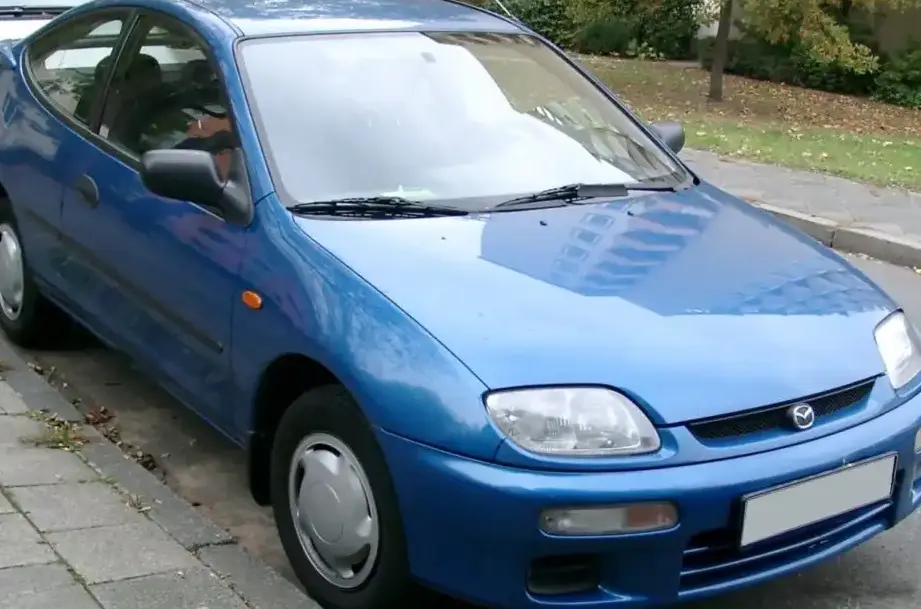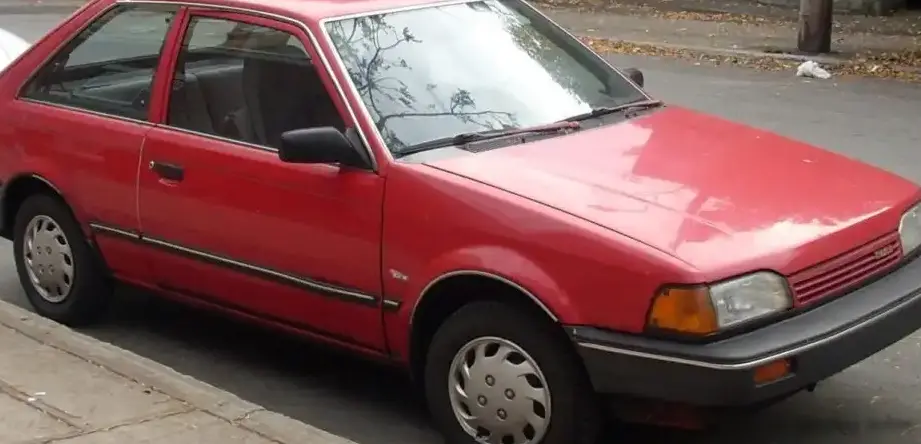
The Mazda 323 III Hatchback, specifically the 1.6 GT Turbo 4WD (BF2) model produced between 1987 and 1991, represents a significant step forward for Mazda in the competitive hot hatch segment. Part of the BF platform generation, this variant aimed to deliver a blend of performance, practicality, and all-weather capability, setting it apart from its naturally aspirated siblings. The BF series 323 was a crucial model for Mazda, solidifying their reputation for sporty and reliable vehicles, particularly in European and Japanese markets. While not officially sold in the United States during this generation, the 323 was a popular import and remains a sought-after vehicle among enthusiasts.
Technical Specifications
| Brand | Mazda |
| Model | 323 |
| Generation | 323 III Hatchback (BF) |
| Type | 1.6 GT Turbo 4WD (BF2) (140 Hp) |
| Start of Production | 1987 |
| End of Production | 1991 |
| Powertrain Architecture | Internal Combustion Engine |
| Body Type | Hatchback |
| Fuel Type | Petrol (Gasoline) |
| Power | 140 Hp |
| Engine Aspiration | Turbocharger |
Powertrain & Engine Architecture
The heart of the 323 III 1.6 GT Turbo 4WD is the B6T engine, a 1.6-liter inline-four cylinder gasoline engine equipped with a turbocharger and intercooler. This engine, part of Mazda’s F-series, benefits from a cast iron block and an aluminum cylinder head. The B6T utilizes a single overhead camshaft (SOHC) valvetrain with two valves per cylinder. Fuel delivery is managed by Bosch mechanical fuel injection, a system common for the era, providing a balance between performance and reliability. The turbocharger, typically a Garrett unit, provides significant boost, increasing power output compared to the naturally aspirated 1.6-liter engines available in other 323 models.
The BF2 model’s transmission is a four-speed automatic, a somewhat unusual pairing for a performance-oriented hatchback. While a five-speed manual transmission was available on other 323 variants, the automatic was geared towards providing a more comfortable and accessible driving experience. The automatic transmission features electronic control, offering smoother shifts and improved fuel efficiency compared to older hydraulic systems. The 4WD system is a viscous coupling type, providing on-demand all-wheel drive, enhancing traction in slippery conditions.
Driving Characteristics
The 1.6 GT Turbo 4WD, despite its automatic transmission, offered surprisingly brisk performance for its time. The turbocharger delivers a noticeable surge of power in the mid-range, providing strong acceleration for overtaking and merging. However, the automatic transmission does detract somewhat from the overall driving experience compared to the manual version. Gear changes aren’t as immediate, and the driver has less control over engine speed. The 4WD system provides excellent grip, particularly on loose surfaces, making the car feel stable and secure in various weather conditions. The steering is relatively light and precise, contributing to a nimble feel. The suspension, while comfortable enough for everyday driving, can feel a bit soft during aggressive cornering, resulting in some body roll. Compared to the manual transmission versions, the automatic BF2 prioritizes ease of use over outright performance.
Equipment & Trim Levels
The 1.6 GT Turbo 4WD represented a relatively high trim level within the 323 III range. Standard features typically included power steering, central locking, electric windows, and a basic audio system. The interior featured cloth upholstery, often in a sporty pattern. The dashboard layout is functional and straightforward, with clearly labeled controls. Optional extras available for the BF2 included a sunroof, upgraded audio systems, and alloy wheels. The GT designation signified a higher level of equipment and refinement compared to the base models. The interior, while not luxurious, was well-built and durable, reflecting Mazda’s commitment to quality.
Chassis & Braking
The 323 III Hatchback utilizes a MacPherson strut front suspension and a torsion beam rear suspension. This setup provides a good balance between ride comfort and handling. The 4WD system adds weight to the vehicle, which slightly impacts handling agility. Braking on the BF2 typically consists of disc brakes on the front wheels and drum brakes on the rear. While adequate for normal driving, the rear drum brakes can feel less effective under heavy braking. The braking system is not assisted by ABS in most markets, a common omission for vehicles of this era. Stabilizer bars are fitted to both the front and rear axles, helping to reduce body roll during cornering.
Market Reception & Comparison
The Mazda 323 III 1.6 GT Turbo 4WD was generally well-received by automotive critics. It was praised for its performance, practicality, and all-weather capability. However, the automatic transmission was a point of contention for some reviewers, who preferred the more engaging experience of the manual gearbox. Compared to rivals like the Volkswagen Golf GTI and the Ford Escort RS Turbo, the 323 offered a unique combination of features and a slightly more affordable price point. Fuel economy was reasonable for a turbocharged vehicle of this era, averaging around 28-32 mpg. Reliability was generally good, although the turbocharger and fuel injection system required regular maintenance.
Legacy
The Mazda 323 III 1.6 GT Turbo 4WD has developed a loyal following among enthusiasts. The B6T engine, while not without its quirks, is known for its tunability and potential for increased power output. The 4WD system makes these cars particularly desirable in regions with harsh winters. Today, finding a well-maintained example can be challenging, as many have been lost to rust or neglect. However, the BF2 remains a relatively affordable and enjoyable classic hot hatch, offering a unique driving experience and a glimpse into Mazda’s rich automotive history. Parts availability can be an issue, but a dedicated aftermarket and online communities provide support for owners. The car’s blend of performance, practicality, and all-wheel drive capability continues to appeal to enthusiasts seeking a distinctive and engaging driving experience.