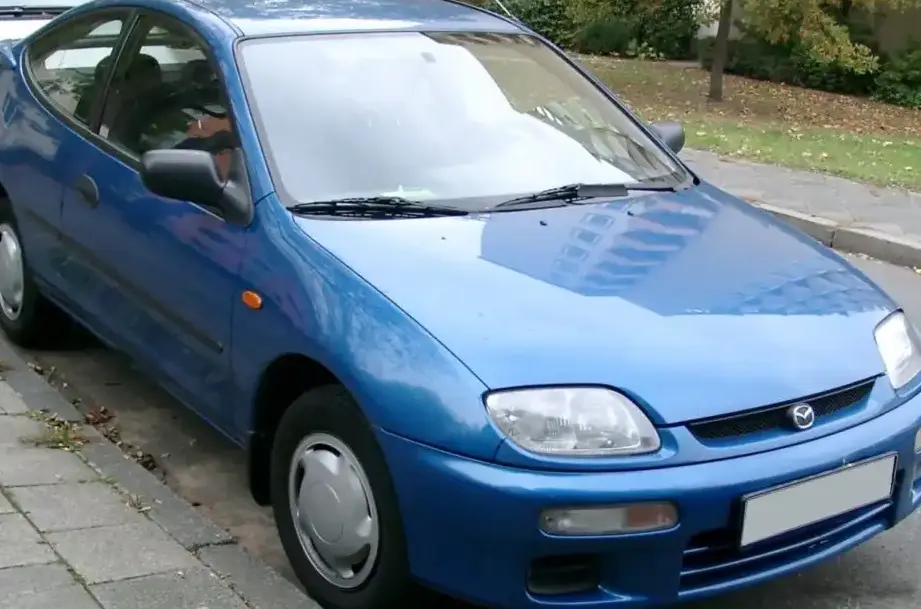
The Mazda 323 III Hatchback, specifically the 1.6 GT Turbo 4WD (BF2) model produced between 1987 and 1989, marked a significant advancement for Mazda in the competitive hot hatch segment. Part of the BF platform generation (1985-1989), this variant aimed to deliver a blend of performance, practicality, and all-weather capability. It was positioned as a premium offering within the 323 range, appealing to drivers seeking a more engaging and capable hatchback than the standard models. The BF series 323 was a crucial model for Mazda, solidifying their reputation for building fun-to-drive, reliable vehicles, and the GT Turbo 4WD was the flagship of that effort.
Technical Specifications
| Brand | Mazda |
| Model | 323 |
| Generation | 323 III Hatchback (BF) |
| Type | 1.6 GT Turbo 4WD (BF2) (150 Hp) |
| Start of Production | 1987 |
| End of Production | 1989 |
| Powertrain Architecture | Internal Combustion Engine |
| Body Type | Hatchback |
| Fuel Type | Petrol (Gasoline) |
| Power | 150 Hp |
| Engine Aspiration | Turbocharger |
Powertrain & Engine Architecture
The heart of the 323 III 1.6 GT Turbo 4WD is the B6T engine, a 1.6-liter inline-four cylinder gasoline engine equipped with a turbocharger and intercooler. This engine, while relatively small in displacement, produced a respectable 150 horsepower, a significant figure for its time and class. The B6T utilized a single overhead camshaft (SOHC) valvetrain, operating with two valves per cylinder. Fuel delivery was managed by Bosch mechanical fuel injection, a system common in the mid-1980s. The turbocharger, a Garrett unit, provided a noticeable boost in power, enhancing acceleration and overall performance. The engine’s block was cast iron, providing durability, while the cylinder head was aluminum, contributing to weight reduction.
The BF2 model featured a four-wheel-drive system, adding to its appeal in regions with inclement weather. This system was primarily rear-wheel drive under normal conditions, automatically engaging the front wheels when slip was detected. The transmission was a four-speed automatic, a somewhat unusual choice for a performance-oriented hatchback, but one that broadened the car’s appeal to a wider range of drivers. While a five-speed manual transmission was available on other 323 variants, the GT Turbo 4WD was exclusively offered with the automatic. The automatic transmission featured typical torque converter technology for the era, prioritizing smooth shifts over outright speed. The final drive ratio was geared towards balancing acceleration and highway cruising.
Driving Characteristics
The 1.6 GT Turbo 4WD offered a unique driving experience. The automatic transmission, while convenient, did detract somewhat from the sporty feel of the car. Gear changes weren’t particularly quick or crisp, and the driver had limited control over the gear selection. However, the turbocharger compensated for this to some extent, providing a surge of power when accelerating. The four-wheel-drive system instilled confidence in slippery conditions, providing excellent traction and stability. The car felt planted and secure, even on loose surfaces. Compared to the naturally aspirated 323 models, the GT Turbo 4WD offered significantly improved acceleration and a higher top speed.
Against competitors like the Volkswagen Golf GTI, the Mazda offered a different character – less focused on outright handling precision and more on accessible performance and all-weather capability. The automatic transmission meant it wasn’t as engaging to drive as a manual-equipped GTI, but it was arguably more user-friendly in everyday driving situations. The turbo lag was noticeable, but once the boost came on, the car provided a strong and linear power delivery. The 4WD system added weight, slightly impacting cornering agility compared to front-wheel-drive counterparts, but the added stability was a worthwhile trade-off for many drivers.
Equipment & Trim Levels
The 1.6 GT Turbo 4WD was the top-of-the-line 323 III Hatchback, and as such, it came equipped with a generous array of features. Standard equipment included power windows, power steering, central locking, and an upgraded stereo system. The interior featured comfortable cloth seats, and the dashboard was well-equipped with gauges, including a boost gauge to monitor turbocharger performance. Optional extras included a sunroof, alloy wheels, and upgraded sound systems. The exterior was distinguished by a unique front spoiler, side skirts, and a rear spoiler, giving it a more aggressive appearance.
The interior trim was generally dark, with a focus on functionality and durability. The GT Turbo badge was prominently displayed on the exterior, signifying its premium status. The steering wheel was typically a four-spoke design, and the instrument cluster featured clear and easy-to-read gauges. Air conditioning was often included as standard equipment, enhancing comfort during warmer months.
Chassis & Braking
The 323 III Hatchback utilized a MacPherson strut front suspension and a torsion beam rear suspension. The GT Turbo 4WD benefited from slightly stiffer springs and dampers compared to the standard models, improving handling and reducing body roll. The four-wheel-drive system added weight to the vehicle, but also contributed to its stability. The braking system consisted of disc brakes on the front wheels and drum brakes on the rear wheels. While adequate for most driving situations, the rear drum brakes were a point of criticism, as they lacked the stopping power of disc brakes.
The car’s steering was precise and responsive, providing good feedback to the driver. Stabilizer bars were fitted to both the front and rear axles, further enhancing handling performance. The tires were typically 185/60R14, providing a good balance of grip and ride comfort. The chassis was relatively lightweight, contributing to the car’s nimble handling characteristics.
Market Reception & Comparison
The Mazda 323 III 1.6 GT Turbo 4WD was generally well-received by automotive critics. It was praised for its performance, all-weather capability, and comfortable interior. However, the automatic transmission was a common point of criticism, with some reviewers preferring the more engaging experience of a manual gearbox. Fuel economy was reasonable for a turbocharged vehicle of its time, but not exceptional. Reliability was generally good, although the turbocharger and fuel injection system required regular maintenance.
Compared to other hot hatches of the era, such as the Volkswagen Golf GTI and the Ford Escort RS Turbo, the Mazda offered a unique blend of performance and practicality. It was arguably more refined and comfortable than the Ford, but less focused on outright handling than the Volkswagen. The GT Turbo 4WD appealed to a different type of buyer – someone who wanted a sporty hatchback that could also handle everyday driving duties and inclement weather conditions.
Legacy
The Mazda 323 III 1.6 GT Turbo 4WD has become a sought-after classic among enthusiasts. The B6T engine, while not without its quirks, is known for its durability and potential for modification. Finding unmodified examples is becoming increasingly difficult, as many have been tuned or upgraded over the years. The four-wheel-drive system remains a desirable feature, particularly in regions with harsh winters. The car’s relatively simple mechanical design makes it relatively easy to maintain and repair, although parts availability can be a challenge.
Today, the 323 III 1.6 GT Turbo 4WD represents a piece of Mazda’s history, a reminder of a time when the company was producing fun-to-drive, affordable, and capable hatchbacks. Well-maintained examples command a premium in the used car market, appealing to collectors and enthusiasts alike. The car’s enduring popularity is a testament to its unique blend of performance, practicality, and all-weather capability, making it a memorable and enjoyable classic for those who appreciate a well-engineered and engaging driving experience.