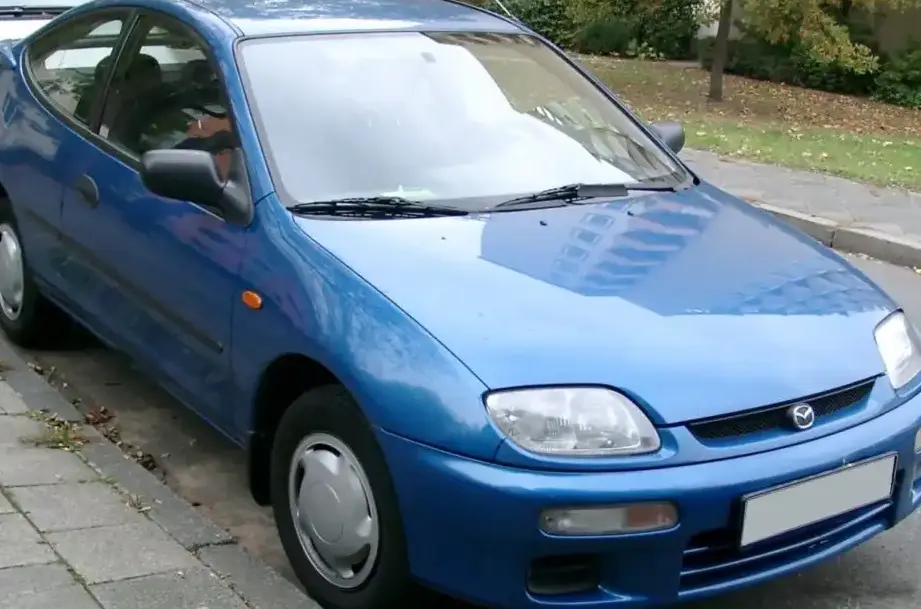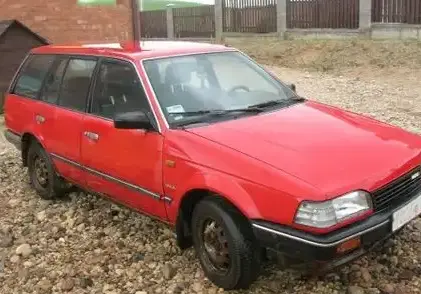
The Mazda 323 III Station Wagon, specifically the BF series produced between 1990 and 1993, represented Mazda’s entry into the increasingly popular compact estate car segment in Europe and other international markets. This generation of the 323, known as the Protegé in North America (though the wagon body style wasn’t offered there), aimed to provide a practical and affordable family vehicle with a focus on fuel efficiency and reliability. The 1.6-liter, 86 horsepower, four-wheel-drive variant occupied a unique position within the 323 lineup, offering all-weather capability not typically found in this class of vehicle. It was positioned as a mid-range offering, bridging the gap between the base models and the more powerful, often fuel-injected, versions.
Technical Specifications
| Brand | Mazda |
| Model | 323 III Station Wagon (BF) |
| Type | 1.6 4×4 (86 Hp) |
| Start of Production | 1990 |
| End of Production | 1993 |
| Body Type | Station Wagon (Estate) |
| Engine Type | Internal Combustion Engine, Petrol (Gasoline) |
| Engine Displacement | 1.6 Liters |
| Power Output | 86 Hp |
| Engine Aspiration | Naturally Aspirated |
| Drivetrain | Four-Wheel Drive (4×4) |
Powertrain & Engine Architecture
The heart of the 323 III 1.6 4×4 was the Mazda B6 engine. This 1.6-liter, inline-four cylinder engine was a relatively simple design, utilizing a single overhead camshaft (SOHC) valvetrain with two valves per cylinder. The engine featured a cast iron block and an aluminum cylinder head, a common configuration for the era. This particular variant employed a carburetor fuel delivery system, rather than the multi-point fuel injection found on some higher-spec 323 models. While the carburetor offered simplicity and lower production costs, it resulted in slightly lower power output and reduced fuel efficiency compared to fuel-injected counterparts. The engine produced 86 horsepower (64 kW) at 5,500 rpm and approximately 118 lb-ft (160 Nm) of torque at 3,000 rpm. The four-wheel-drive system was a viscous coupling type, meaning it normally operated as a front-wheel-drive vehicle, engaging the rear wheels automatically when slip was detected. The transmission was a five-speed manual, as an automatic transmission wasn’t offered with the 4×4 configuration. The engine code for this variant is often identified as B6-ME.
Driving Characteristics
The 1.6-liter, 86 hp engine in the 323 III 4×4 provided adequate, but not exhilarating, performance. Acceleration was modest, with a 0-60 mph time estimated around 12-13 seconds. The carburetor’s response wasn’t as crisp as fuel injection, requiring a bit more throttle input to achieve desired acceleration. The five-speed manual transmission was well-matched to the engine’s characteristics, allowing drivers to keep the engine in its optimal power band. The four-wheel-drive system significantly enhanced traction, particularly on slippery surfaces like snow or gravel. Compared to the front-wheel-drive 323 models, the 4×4 offered improved stability and handling in adverse conditions. However, the added weight of the 4×4 components and rear differential did slightly impact fuel economy and handling agility on dry pavement. Compared to the 1.8-liter fuel-injected versions, the 1.6 4×4 felt noticeably less powerful, but offered a more affordable entry point into the 323 range with the added benefit of all-wheel drive. The gear ratios were fairly standard for the time, prioritizing fuel economy over outright acceleration, with a final drive ratio geared towards comfortable highway cruising.
Equipment & Trim Levels
The 323 III 1.6 4×4 typically came with a fairly basic level of equipment, reflecting its position as a mid-range model. Standard features generally included cloth upholstery, a basic stereo system, manual windows and door locks, and a steering wheel adjustable for rake. The interior was functional and durable, prioritizing practicality over luxury. Optional extras available for this trim included a sunroof, upgraded stereo systems, and power windows. The dashboard layout was straightforward and easy to use, with clearly labeled controls. The exterior trim was relatively understated, with black plastic bumpers and side moldings. The 4×4 models often featured slightly wider tires to accommodate the all-wheel-drive system. Higher trim levels within the 323 range, such as those equipped with the 1.8L engine, often included features like central locking, electric mirrors, and upgraded interior trim materials.
Chassis & Braking
The 323 III Station Wagon utilized a MacPherson strut front suspension and a torsion beam rear suspension. This setup provided a reasonable balance between ride comfort and handling. The 4×4 models featured slightly stiffer springs and dampers to compensate for the added weight of the four-wheel-drive components. Braking was typically accomplished with disc brakes on the front wheels and drum brakes on the rear wheels. The braking system was adequate for normal driving conditions, but lacked the stopping power of more modern vehicles. The steering was a rack-and-pinion system, providing precise and responsive handling. Stabilizer bars were fitted to both the front and rear axles to reduce body roll during cornering. The suspension tuning was geared towards providing a comfortable ride, even when the vehicle was fully loaded with passengers and cargo.
Market Reception & Comparison
The Mazda 323 III 1.6 4×4 was generally well-received by automotive critics as a practical and affordable family vehicle. It was praised for its fuel efficiency, reliability, and all-weather capability. However, some critics noted its lack of power and relatively basic interior. Compared to other compact estates of the time, such as the Ford Escort Estate or the Vauxhall Astra Estate, the 323 4×4 offered a unique combination of features, particularly the four-wheel-drive system. Fuel economy was respectable for the era, averaging around 30-35 mpg in mixed driving conditions. Reliability was generally good, with the B6 engine proving to be a durable and long-lasting unit. The 1.8-liter fuel-injected models offered significantly more performance, but at a higher price point. The 1.6 4×4 appealed to buyers who prioritized practicality, affordability, and all-weather capability over outright performance. It filled a niche for those needing a versatile vehicle without the expense of more premium options.
Legacy
The Mazda 323 III 1.6 4×4 has developed a reputation as a reliable and durable used car. The B6 engine is known for its longevity, and parts availability remains relatively good. While not a particularly sought-after model, well-maintained examples can still be found today. The four-wheel-drive system continues to be a valuable asset for drivers in regions with harsh winters or challenging road conditions. The car represents a significant step forward in Mazda’s development of compact family vehicles, and its blend of practicality, affordability, and all-weather capability made it a popular choice for many buyers in the early 1990s. Rust can be a concern with older examples, particularly in regions with harsh winters, so careful inspection is recommended before purchasing. The 323 III 4×4 remains a testament to Mazda’s commitment to building dependable and versatile vehicles, and its enduring presence on the used car market speaks to its overall quality and design.