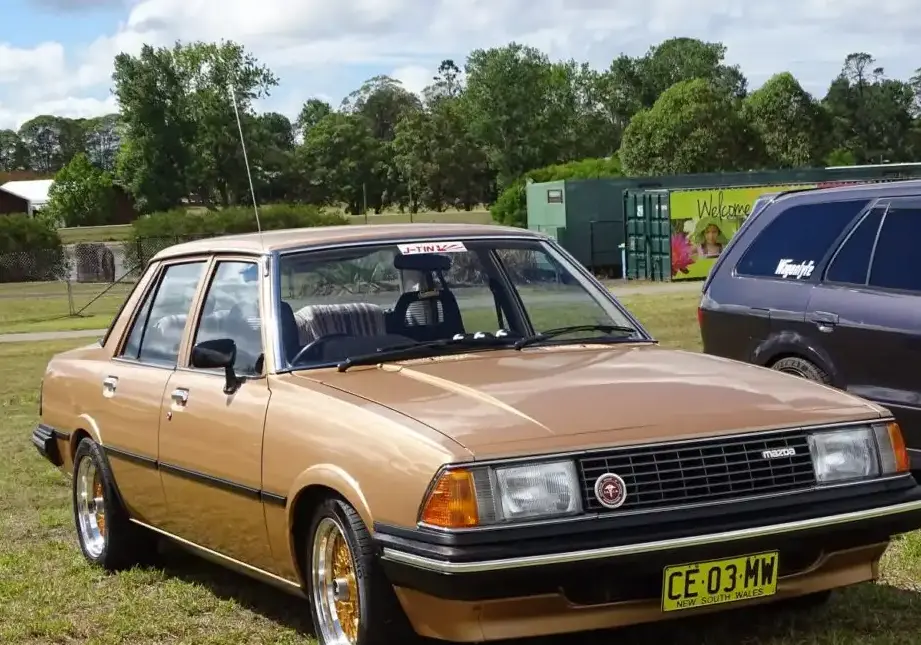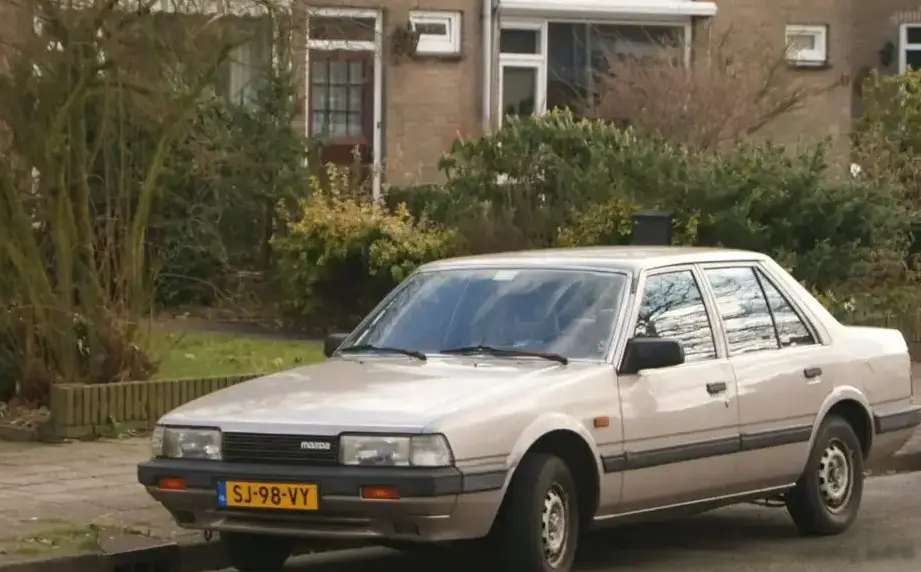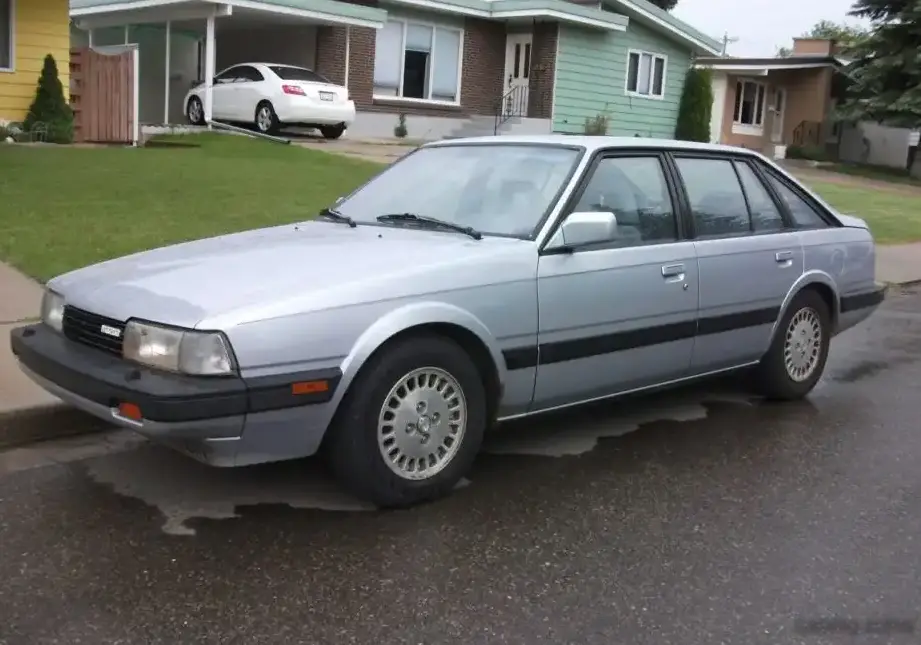
The Mazda 626 II Hatchback, specifically the 2.0 D variant produced between 1984 and 1987 (chassis code GC), represented Mazda’s entry into the increasingly competitive mid-size family car segment in Europe and other international markets. This model, characterized by its practical hatchback body style and fuel-efficient diesel engine, aimed to provide affordable and reliable transportation. It was positioned as a more economical alternative to the gasoline-powered versions of the 626 II, appealing to buyers prioritizing fuel economy and lower running costs. The GC series 626 was a significant update over the first generation, offering improved styling, interior space, and mechanical refinement.
Technical Specifications
| Brand | Mazda |
| Model | 626 |
| Generation | 626 II Hatchback (GC) |
| Type (Engine) | 2.0 D (63 Hp) |
| Start of production | 1984 |
| End of production | 1987 |
| Powertrain Architecture | Internal Combustion engine |
| Body type | Hatchback |
| Fuel Type | Diesel |
| Power | 63 Hp |
| Engine Model/Code | RF46 |
| Engine aspiration | Naturally aspirated engine |
Powertrain & Engine Architecture
The heart of the 626 II 2.0 D was the RF46 engine, a 1998cc inline-four cylinder diesel. This engine was a naturally aspirated unit, meaning it did not employ turbocharging or supercharging. It featured indirect injection, a common technology for diesel engines of the era, utilizing pre-combustion chambers to improve combustion efficiency and reduce noise. The RF46 engine produced 63 horsepower (47 kW) at 4,000 rpm and approximately 109 lb-ft (148 Nm) of torque. The engine utilized a robust cast iron block and an aluminum cylinder head. Valve actuation was managed by a single overhead camshaft. The fuel injection system was a mechanical, inline plunger type, known for its simplicity and durability, though less precise than later electronic systems. The engine was typically paired with a four-speed manual transmission, although a three-speed automatic transmission was also available, albeit less common. The automatic transmission was a conventional hydraulic unit, offering smooth but relatively slow shifts compared to modern automatics.
Driving Characteristics
The 626 II 2.0 D, with its modest 63 horsepower, was not designed for spirited performance. Acceleration was leisurely, and overtaking required careful planning. The engine’s strength lay in its torque delivery, providing reasonable pulling power at lower engine speeds. This made it well-suited for everyday driving and long-distance cruising, particularly when fully loaded. The four-speed manual transmission allowed drivers to maximize the engine’s limited power, while the optional automatic transmission prioritized convenience over performance. Gear ratios were relatively tall, further emphasizing fuel economy. Compared to the gasoline-powered 626 variants, the diesel model offered significantly better fuel economy, but at the expense of acceleration and overall refinement. The diesel engine was noticeably louder and produced more vibration than its gasoline counterparts. Handling was typical for a front-wheel-drive car of the 1980s – safe and predictable, but not particularly engaging.
Equipment & Trim Levels
The 626 II 2.0 D was generally offered in a relatively basic trim level, reflecting its position as the entry-level model in the range. Standard equipment typically included cloth upholstery, a basic instrument cluster, and manual windows and door locks. Air conditioning was often an optional extra, as were power steering and a radio. Interior plastics were durable but lacked the sophistication of more expensive cars. The hatchback body style provided a practical and versatile cargo area, easily accessible through the large rear hatch. Trim levels varied slightly depending on the market, with some regions offering additional options such as upgraded seat fabrics or alloy wheels. The dashboard layout was functional and straightforward, prioritizing ease of use over aesthetic appeal.
Chassis & Braking
The 626 II utilized a front-wheel-drive layout with an independent front suspension featuring MacPherson struts and a torsion beam rear suspension. This suspension setup provided a reasonable balance between ride comfort and handling. The steering was a rack-and-pinion system, offering acceptable precision. Braking was typically accomplished with disc brakes on the front wheels and drum brakes on the rear. The braking system was adequate for the car’s weight and performance, but lacked the stopping power of more modern systems. Stabilizer bars were fitted to both the front and rear axles to reduce body roll during cornering. The chassis was a monocoque construction, providing a good level of structural rigidity.
Market Reception & Comparison
The Mazda 626 II 2.0 D was generally well-received in markets where diesel-powered cars were popular, such as Europe. Critics praised its fuel economy and reliability, but noted its lack of performance. Compared to other diesel-powered cars in its class, such as the Volkswagen Golf Diesel or the Peugeot 505 Diesel, the 626 offered a competitive level of equipment and practicality. However, it often lagged behind in terms of refinement and performance. The gasoline-powered 626 variants offered significantly more power and a smoother driving experience, but at a higher price and with lower fuel economy. The 2.0 D appealed to buyers who prioritized economy and practicality over performance and luxury.
Legacy
The Mazda 626 II 2.0 D, while not a particularly exciting car, proved to be a durable and reliable workhorse. The RF46 diesel engine, despite its age, is known for its longevity and relatively simple maintenance requirements. Today, these cars are relatively rare, and well-maintained examples are sought after by enthusiasts and collectors. The 626 II helped establish Mazda as a reputable manufacturer of family cars in Europe and other international markets. The powertrain, while outdated by modern standards, remains relatively straightforward to repair and maintain, making it a viable option for those seeking a classic and economical vehicle. Parts availability can be a challenge, but many components are still available through specialist suppliers or can be sourced from other Mazda models of the era. The 626 II 2.0 D represents a snapshot of automotive engineering from the 1980s, prioritizing fuel efficiency and reliability in a practical and affordable package.