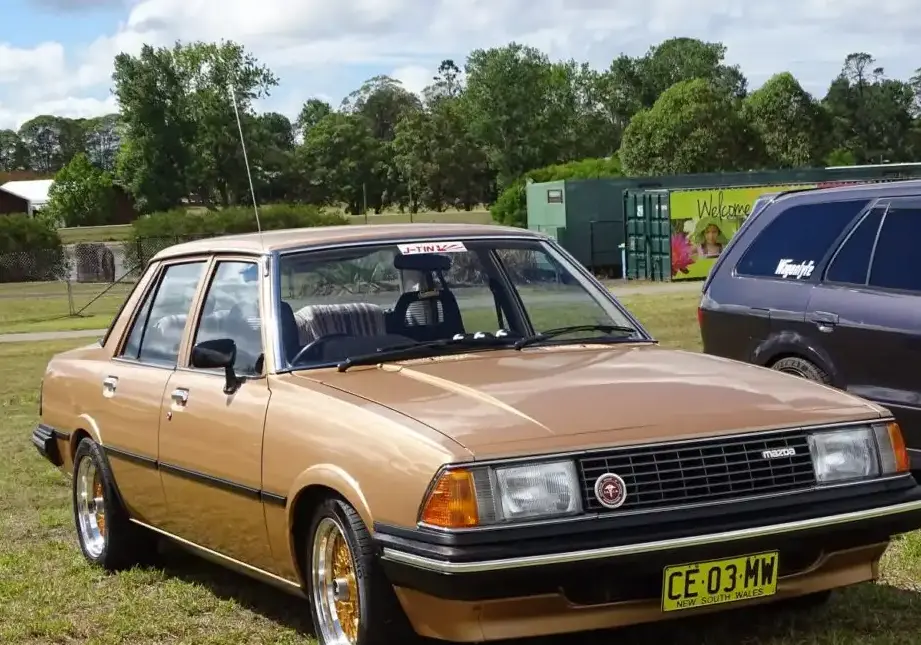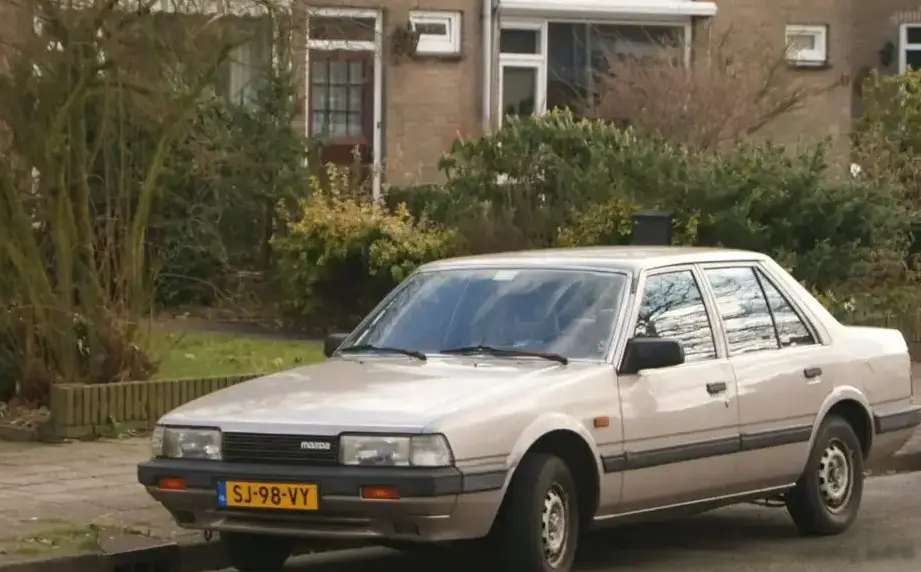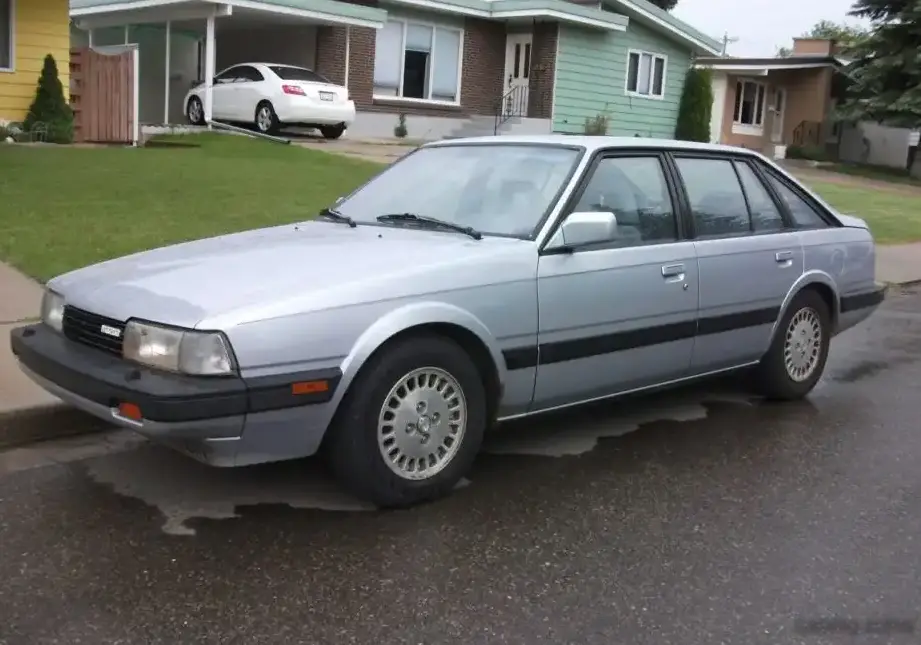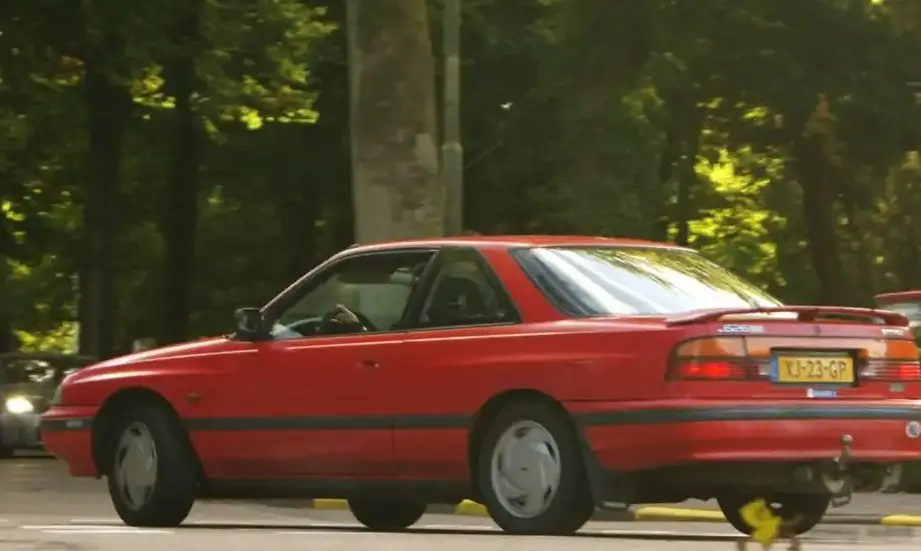
The Mazda 626 III Coupe (GD) 2.2 12V, produced from 1990 to 1991, represents a relatively short-lived but distinctive variant within the broader GD generation of the 626. Positioned as a more stylish alternative to the sedan and wagon body styles, the coupe aimed to attract buyers seeking a sportier aesthetic. This particular 2.2-liter, 12-valve engine configuration, producing 115 horsepower, served as a mid-range offering in the 626 lineup, slotting below the more powerful V6 options available in some markets. The GD generation 626, launched in 1987, was a significant step forward for Mazda, incorporating more modern styling and technology compared to its predecessors. The coupe, while visually appealing, faced competition from established personal luxury coupes and ultimately had a limited production run.
Technical Specifications
| Brand | Mazda |
| Model | 626 |
| Generation | 626 III Coupe (GD) |
| Type (Engine) | 2.2 12V (115 Hp) |
| Start of production | 1990 |
| End of production | 1991 |
| Powertrain Architecture | Internal Combustion engine |
| Body type | Coupe |
| Fuel Type | Petrol (Gasoline) |
| Power | 115 Hp |
| Engine aspiration | Naturally aspirated engine |
Powertrain & Engine Architecture
The heart of the 626 III Coupe 2.2 12V is the Mazda F2 engine, a 2.2-liter (2189cc) inline-four cylinder gasoline engine. This engine utilizes a single overhead camshaft (SOHC) design operating 12 valves – three valves per cylinder (two intake, one exhaust). The F2 engine was known for its relative simplicity and durability, though it wasn’t a powerhouse in terms of outright performance. Fuel delivery is managed by a multi-point fuel injection system, a significant upgrade from the carburetors used in earlier Mazda models. This system contributed to improved fuel efficiency and reduced emissions. The 12-valve configuration, while simpler than a 16-valve setup, provided a broad torque curve suitable for everyday driving. The engine’s block is cast iron, providing robust strength, while the cylinder head is aluminum, helping to reduce weight. The transmission paired with this engine was typically a four-speed automatic, although a five-speed manual transmission was also available in some markets. The automatic transmission was designed for smooth operation and comfort, prioritizing ease of use over sporty responsiveness.
Driving Characteristics
The 115 horsepower and approximately 135 lb-ft of torque produced by the 2.2-liter engine in the 626 Coupe translated to adequate, but not exhilarating, performance. Acceleration from 0 to 60 mph was estimated to be around 10-11 seconds, which was competitive for its class at the time, but noticeably slower than the V6-powered versions. The four-speed automatic transmission, while smooth, had relatively wide gear ratios, which could sometimes result in the engine feeling strained during hard acceleration. The emphasis was on comfortable cruising rather than sporty handling. The suspension, tuned for ride comfort, absorbed bumps reasonably well, but didn’t offer the sharp handling characteristics of some European coupes. The steering was light and easy to use, making it well-suited for city driving. Compared to the manual transmission version, the automatic offered less driver engagement but greater convenience. The automatic also slightly reduced fuel economy, though the difference wasn’t substantial.
Equipment & Trim Levels
The Mazda 626 III Coupe 2.2 12V typically came with a reasonable level of standard equipment. Base models included features such as power steering, air conditioning, an AM/FM stereo, and cloth upholstery. Higher trim levels, often designated as “LX” or “SE”, added features like power windows, power door locks, cruise control, and upgraded interior trim. Optional extras included a sunroof, upgraded sound systems, and alloy wheels. Interior design was functional and relatively uncluttered, with a focus on ergonomics. The dashboard layout was straightforward, with easy-to-read gauges. Upholstery was typically a durable cloth material, available in a range of colors. The coupe’s interior space was comparable to other compact coupes of the era, offering adequate room for two adults in the front and limited space for passengers in the rear seats.
Chassis & Braking
The 626 III Coupe utilized a front-engine, front-wheel-drive layout. The suspension consisted of MacPherson struts in the front and a semi-independent torsion beam setup in the rear. This configuration provided a good balance between ride comfort and handling. Braking systems varied depending on the trim level and market. Base models typically featured front disc brakes and rear drum brakes, while higher trim levels often included disc brakes on all four wheels. Power assist was standard. The braking performance was adequate for everyday driving, but not particularly sporty. Stabilizer bars were fitted to both the front and rear axles to reduce body roll during cornering. The chassis was relatively lightweight, contributing to the car’s overall fuel efficiency. The steering system was a rack-and-pinion setup, providing precise and responsive steering feel.
Market Reception & Comparison
The Mazda 626 III Coupe 2.2 12V received generally positive reviews from automotive critics, who praised its stylish design and comfortable ride. However, some critics noted that the 2.2-liter engine lacked the power of the V6 options available in other 626 models and in competing coupes. Fuel economy was considered to be good for its class, averaging around 22-26 mpg in combined driving. Reliability was generally good, although some owners reported minor issues with the fuel injection system and the automatic transmission. Compared to the 626 sedan and wagon, the coupe offered a more sporty and stylish alternative, but at a slightly higher price point. Compared to competitors like the Toyota Camry Coupe and Honda Accord Coupe, the 626 Coupe offered a unique blend of Japanese reliability and European-inspired styling.
Legacy
The Mazda 626 III Coupe 2.2 12V, while not a high-volume seller, has gained a following among enthusiasts who appreciate its distinctive styling and relative simplicity. The F2 engine, while not known for its high performance, is generally considered to be a durable and reliable unit. Parts availability is generally good, although some specific trim pieces may be difficult to find. Today, well-maintained examples of the 626 Coupe are becoming increasingly collectible. The automatic transmission, while not as desirable as the manual for some enthusiasts, offers a comfortable and convenient driving experience. The car represents a unique chapter in Mazda’s history, showcasing the company’s willingness to experiment with different body styles and engine configurations. The 626 Coupe’s legacy lies in its blend of style, comfort, and reliability, making it a fondly remembered vehicle for those who owned and drove one.