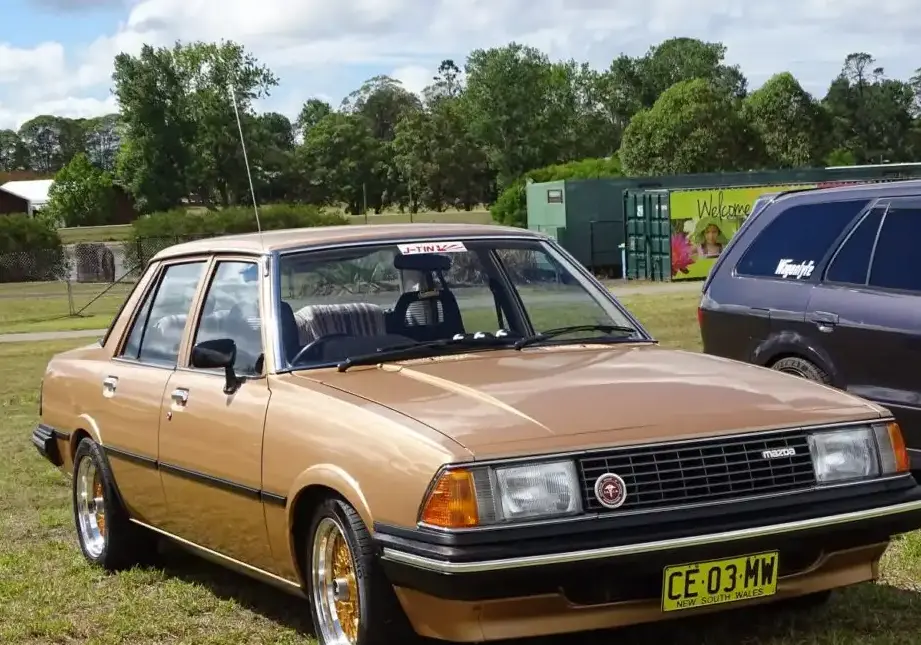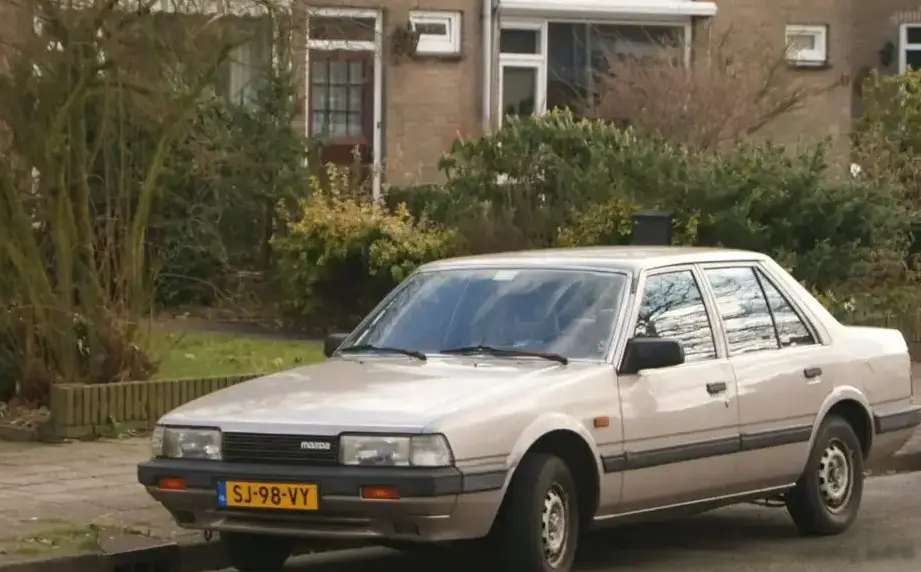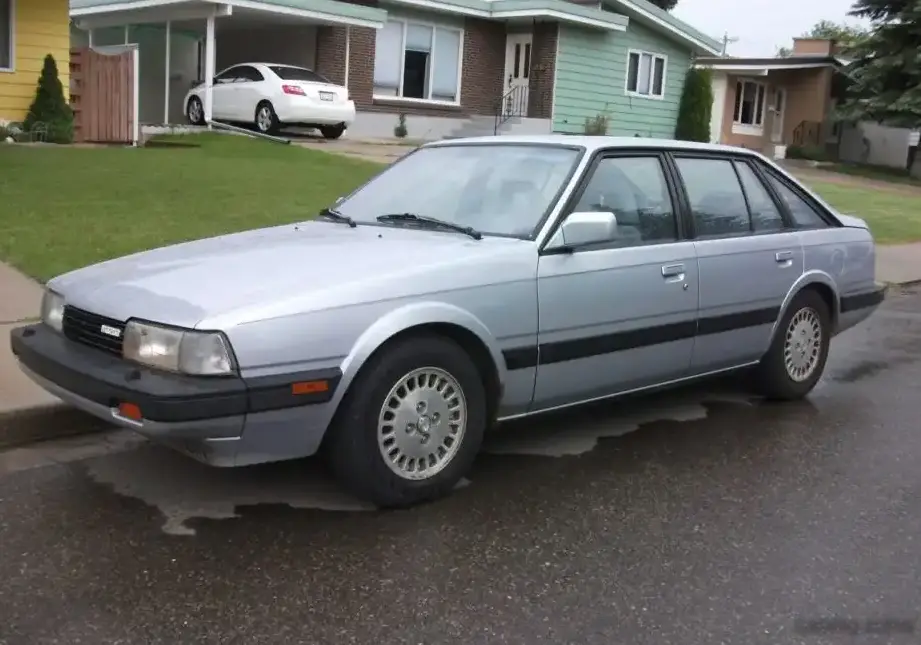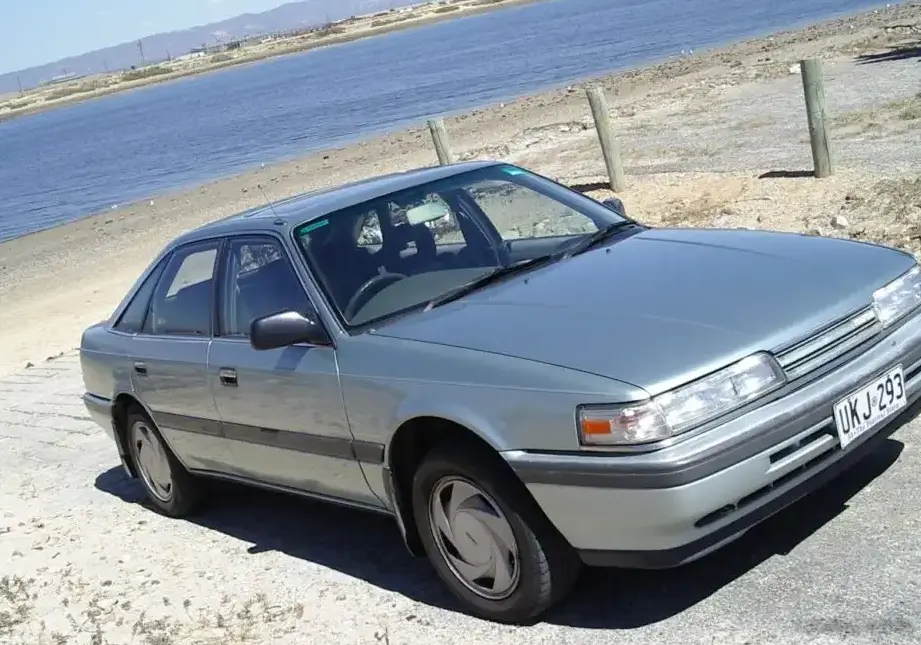
The Mazda 626 III, produced between 1987 and 1990, represented a significant evolution for Mazda’s mid-size offering. The GD generation, specifically the 2.0-liter 16-valve hatchback variant producing 140 horsepower, was a key model in Mazda’s lineup during this period, aimed at providing a practical and relatively sporty option for families and commuters. This model year bridged the gap between the more angular designs of the early 1980s and the smoother, more aerodynamic styling that would become prevalent in the 1990s. The GD series 626 was sold primarily in Europe, Australia, and North America, with the hatchback body style being particularly popular in European markets where compact, versatile vehicles were in high demand.
Technical Specifications
| Brand | Mazda |
| Model | 626 |
| Generation | 626 III Hatchback (GD) |
| Type (Engine) | 2.0 16V (140 Hp) |
| Start of production | 1987 |
| End of production | 1990 |
| Powertrain Architecture | Internal Combustion Engine |
| Body type | Hatchback |
| Fuel Type | Petrol (Gasoline) |
| Power | 140 Hp |
| Engine Aspiration | Naturally Aspirated |
Powertrain & Engine Architecture
The heart of the 626 III 2.0 16V was the F2 engine, a 1998cc inline-four cylinder gasoline engine. This engine featured a cast iron block and an aluminum cylinder head, a common configuration for the era. The 16-valve cylinder head, with dual overhead camshafts (DOHC), was a key feature contributing to the engine’s relatively high output for its displacement. Fuel delivery was managed by a Bosch electronic fuel injection (EFI) system, providing precise control over the air-fuel mixture for improved efficiency and reduced emissions. The engine utilized a timing belt to drive the camshafts, requiring periodic replacement as part of scheduled maintenance. While specific transmission options varied by market, the 2.0-liter engine was commonly paired with either a five-speed manual transmission or a four-speed automatic transmission. The automatic transmission, while offering convenience, was known to slightly reduce overall performance and fuel economy compared to the manual counterpart. The engine’s design prioritized reliability and ease of maintenance, making it a relatively straightforward engine for mechanics to work on.
Driving Characteristics
The 140 horsepower output of the 2.0-liter engine provided the 626 III Hatchback with adequate performance for everyday driving. Acceleration was respectable, though not particularly sporty, with a 0-60 mph time estimated around 9-10 seconds. The four-speed automatic transmission, while smooth in operation, had relatively wide gear ratios, which could sometimes result in the engine feeling strained during hard acceleration or when climbing hills. The manual transmission offered a more engaging driving experience and allowed for better control over the engine’s power band. Handling was generally considered good for a family car of its time, with a MacPherson strut front suspension and a semi-independent rear suspension providing a comfortable ride and reasonable cornering ability. Steering was light and precise, making the car easy to maneuver in urban environments. Compared to the base 1.6-liter engine option, the 2.0-liter provided a noticeable improvement in performance, making it a more suitable choice for drivers who frequently traveled on highways or carried passengers and cargo.
Equipment & Trim Levels
The Mazda 626 III 2.0 16V hatchback typically came equipped with a range of features considered standard for a mid-size car in the late 1980s. These included power steering, central locking, and an AM/FM radio. Higher trim levels often added features such as electric windows, a sunroof, and upgraded interior upholstery. Interior materials were generally durable and well-assembled, though not particularly luxurious. The hatchback body style offered a significant advantage in terms of cargo space and versatility, with the rear seats folding down to create a large, flat loading area. Optional extras included air conditioning, cruise control, and alloy wheels. The dashboard layout was functional and straightforward, with easy-to-read gauges and well-placed controls. The overall interior design prioritized practicality and comfort over outright style.
Chassis & Braking
The 626 III Hatchback featured a front-engine, front-wheel-drive layout. The suspension system consisted of MacPherson struts with coil springs and anti-roll bar at the front, and a semi-independent twist-beam rear suspension. Braking duties were handled by disc brakes at the front and drum brakes at the rear. While the disc/drum setup was common for the time, it wasn’t as effective as a full disc brake system, particularly under heavy braking. The chassis was relatively lightweight, contributing to the car’s nimble handling. Steering was rack-and-pinion, providing precise and responsive steering feel. The overall chassis design prioritized a balance between ride comfort and handling performance.
Market Reception & Comparison
The Mazda 626 III 2.0 16V hatchback was generally well-received by automotive critics. It was praised for its spacious interior, comfortable ride, and relatively strong performance. However, some critics noted that the automatic transmission could feel sluggish at times, and the interior styling was somewhat conservative. Compared to rivals such as the Ford Sierra, Opel/Vauxhall Cavalier, and Toyota Camry, the 626 offered a compelling combination of features, performance, and value. Fuel economy was respectable for a car of its size and engine displacement, averaging around 25-30 mpg in mixed driving conditions. Reliability was generally good, though some owners reported minor issues with the electrical system and the automatic transmission. The 1.6-liter engine version was positioned as the entry-level option, offering lower running costs but less performance, while the 2.0-liter provided a more refined and enjoyable driving experience.
Legacy
The Mazda 626 III 2.0 16V hatchback remains a popular choice among classic car enthusiasts and collectors. The F2 engine is known for its durability and relatively simple design, making it a reliable and easy-to-maintain powerplant. Parts availability is generally good, though some specific components may be difficult to find. Today, well-maintained examples of the 626 III 2.0 16V hatchback are becoming increasingly rare and sought after. The car represents a significant chapter in Mazda’s history, showcasing the company’s commitment to building practical, reliable, and enjoyable vehicles. Its blend of hatchback versatility, decent performance, and relatively affordable price point made it a popular choice for families and commuters in the late 1980s, and it continues to hold a special place in the hearts of many Mazda enthusiasts.