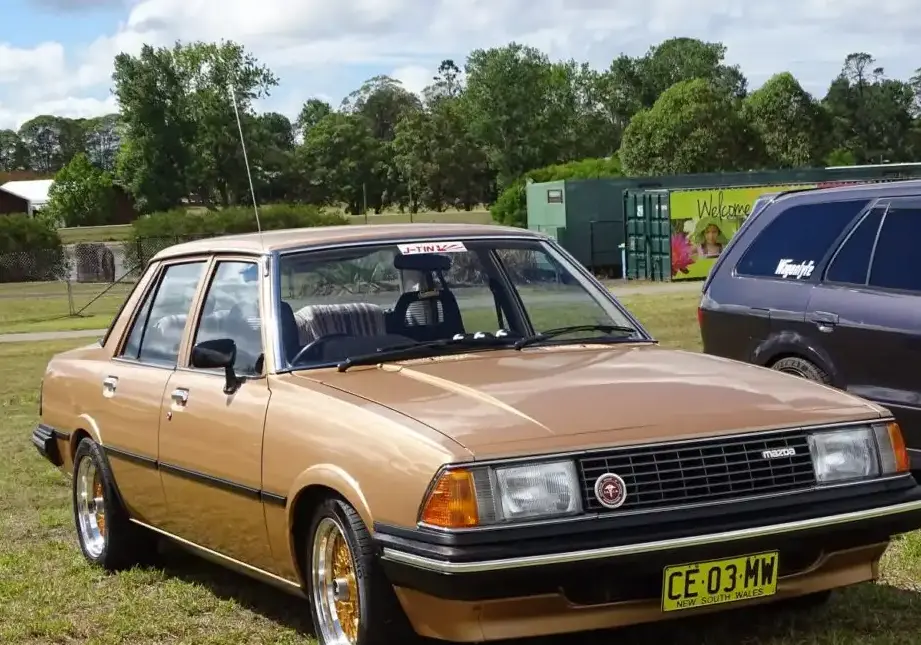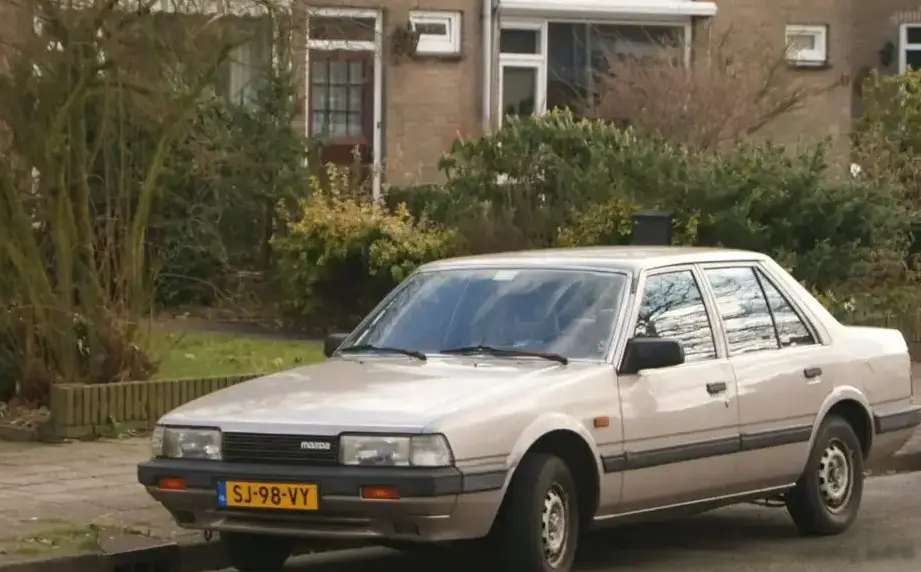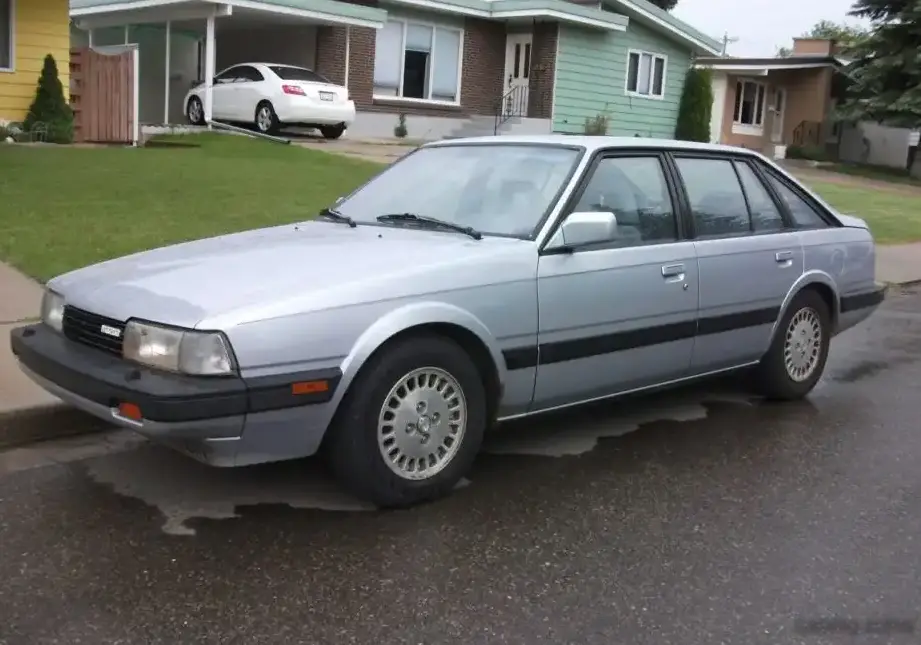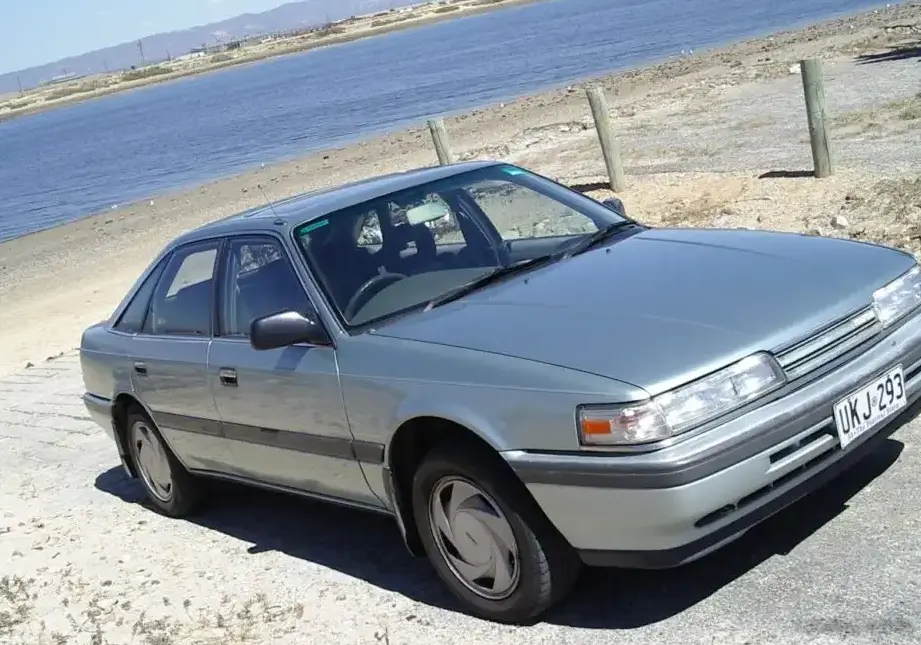
The Mazda 626 III Hatchback, specifically the 2.0-liter (90 horsepower) variant produced between 1987 and 1990 (chassis code GD), represented a significant evolution in Mazda’s mid-size offerings. This generation of the 626, sold primarily in Europe and Australia, aimed to provide a practical and affordable family vehicle with a focus on fuel efficiency and comfortable driving. The hatchback body style, while less common in the North American market at the time, offered increased cargo versatility compared to the sedan version. This particular 2.0L engine and transmission combination served as a core offering within the 626 III range, positioned as a balance between affordability and acceptable performance for everyday driving.
Technical Specifications
| Brand | Mazda |
| Model | 626 |
| Generation | 626 III Hatchback (GD) |
| Type (Engine) | 2.0 (90 Hp) |
| Start of production | 1987 |
| End of production | 1990 |
| Powertrain Architecture | Internal Combustion engine |
| Body type | Hatchback |
| Fuel Type | Petrol (Gasoline) |
| Power | 90 Hp |
| Engine aspiration | Naturally aspirated engine |
Powertrain & Engine Architecture
The heart of the 626 III 2.0 was the Mazda F2 engine, a 1,998 cc (121.8 cubic inches) inline-four cylinder gasoline engine. This engine utilized a cast iron block and an aluminum cylinder head, a common configuration for the era. The F2 featured a single overhead camshaft (SOHC) design operating two valves per cylinder. Fuel delivery was managed by a Bosch mechanical fuel injection system, a step up from carburetors but less sophisticated than the electronic fuel injection systems becoming prevalent in higher-end vehicles. This mechanical system, while reliable, contributed to the engine’s modest power output. The engine produced 90 horsepower (67 kW) at 5,200 rpm and 138 Nm (102 lb-ft) of torque at 3,000 rpm.
The transmission paired with this engine was typically a four-speed automatic. This automatic transmission, while providing convenience, was not known for its sporty responsiveness. It was geared towards smooth shifts and fuel economy rather than quick acceleration. The transmission’s gear ratios were relatively tall, prioritizing cruising efficiency over rapid acceleration. The automatic transmission was a key factor in positioning this variant as a comfortable, user-friendly option for drivers who preferred ease of use over performance.
Driving Characteristics
The 626 III 2.0 Automatic offered a comfortable, if not particularly exciting, driving experience. Acceleration was adequate for everyday driving, but the 90 horsepower engine and four-speed automatic transmission meant that overtaking maneuvers required careful planning. The car felt most at home cruising on highways or navigating city streets at moderate speeds. Compared to the available five-speed manual transmission, the automatic version resulted in a noticeable decrease in responsiveness and fuel economy. The manual transmission allowed the engine to operate in its optimal power band more effectively, providing a more engaging driving experience. The automatic, however, appealed to a broader audience seeking convenience and ease of operation.
The steering was light and precise, making the car easy to maneuver in tight spaces. The suspension, while not particularly sophisticated, provided a reasonably comfortable ride, absorbing bumps and imperfections in the road surface effectively. The overall driving experience was geared towards practicality and comfort, rather than sporty handling.
Equipment & Trim Levels
The 626 III 2.0 Automatic typically came equipped with a reasonable level of standard features for its time. These included cloth upholstery, a basic stereo system, and power-assisted steering. Air conditioning was often an optional extra, as were features like electric windows and central locking. The interior design was functional and straightforward, with a focus on durability and ease of use. The dashboard layout was simple and uncluttered, with clearly labeled controls. Trim levels varied depending on the market, but generally, this 2.0L automatic variant represented a mid-range offering. It sat above the base models with smaller engines and fewer features, but below the higher-spec versions with larger engines and more luxurious appointments.
Chassis & Braking
The 626 III Hatchback utilized a front-engine, front-wheel-drive layout. The suspension consisted of MacPherson struts at the front and a twist-beam axle at the rear. The braking system was typically comprised of disc brakes at the front and drum brakes at the rear. While adequate for normal driving conditions, the drum brakes at the rear were less effective than disc brakes, particularly under heavy braking. The car’s weight distribution was reasonably balanced, contributing to its stable handling characteristics. Stabilizer bars were fitted to both the front and rear axles to reduce body roll during cornering.
Market Reception & Comparison
The Mazda 626 III 2.0 Automatic was generally well-received by automotive critics as a practical and affordable family car. It was praised for its comfortable ride, spacious interior, and reasonable fuel economy. However, it was also criticized for its modest performance and somewhat dated technology. Compared to rivals like the Ford Sierra and Opel Ascona, the 626 offered a competitive package in terms of price, features, and reliability. The 1.6L engine variants were more fuel efficient but lacked the power for highway cruising, while the larger 2.6L engine offered more performance but at a higher price point and with increased fuel consumption. The 2.0L automatic struck a balance between these extremes, appealing to drivers who prioritized comfort and practicality over outright performance.
Legacy
The Mazda 626 III 2.0 Automatic has proven to be a relatively reliable vehicle over the long term, provided it has been properly maintained. The F2 engine is known for its durability, and the four-speed automatic transmission, while not particularly sophisticated, is generally robust. However, like all cars of this era, it is susceptible to rust, particularly in regions with harsh winters. Today, the 626 III is a relatively rare sight on the roads, but it remains a popular choice among classic car enthusiasts who appreciate its simple design, reliable mechanicals, and affordable price. Parts availability can be a challenge, but many components are still available through specialist suppliers. The 626 III 2.0 Automatic represents a significant chapter in Mazda’s history, showcasing the company’s commitment to building practical, affordable, and reliable vehicles.