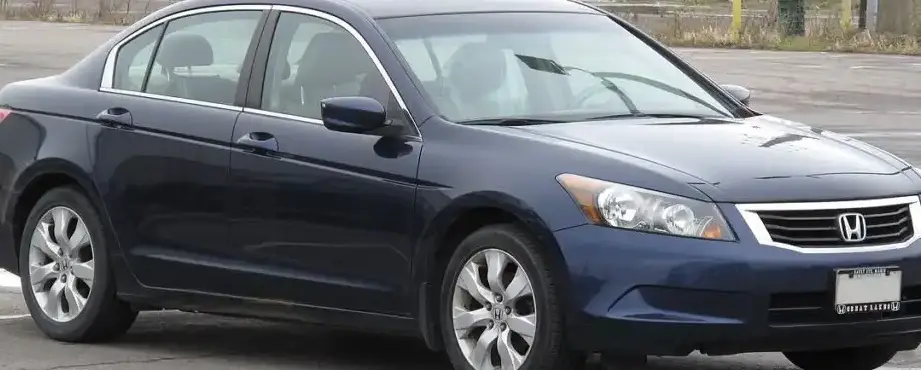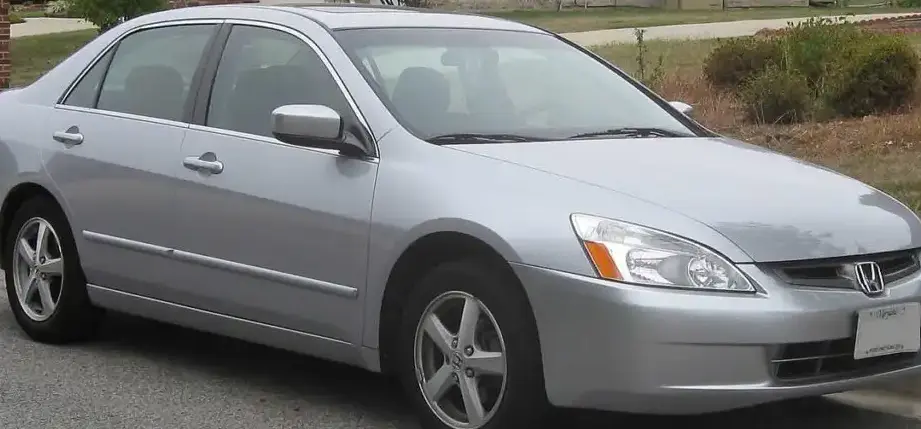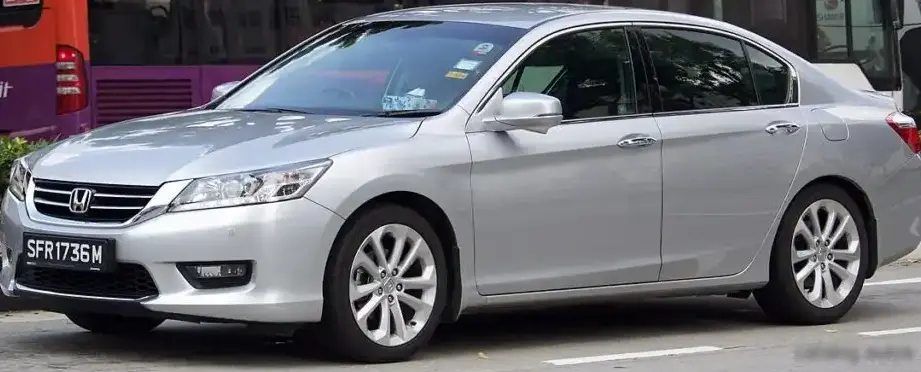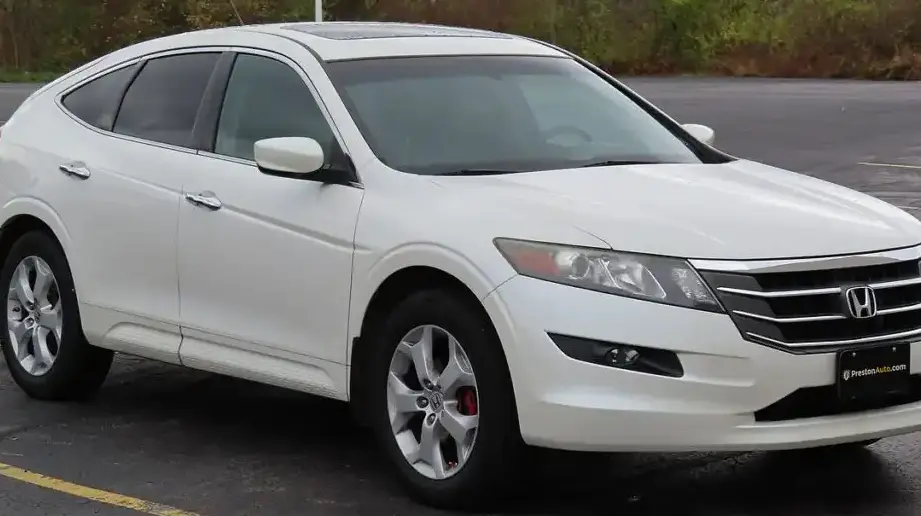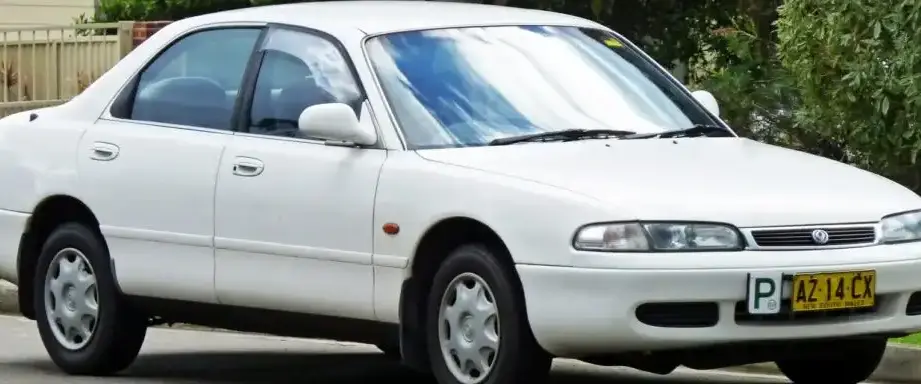
The Mazda 626 IV (GE) 1.8 i, produced between 1992 and 1997, represented a significant evolution in Mazda’s mid-size sedan offerings. Part of the fourth generation (GE) of the 626, this variant occupied the entry to mid-level position in the lineup, offering a balance of affordability and practicality. It was primarily marketed towards families and commuters seeking a reliable and reasonably equipped vehicle. The GE generation 626 was a key model for Mazda, representing a move towards more contemporary styling and improved refinement compared to its predecessors, and was sold in various markets including North America, Europe, and Asia, though with differing specifications and trim levels depending on the region.
Technical Specifications
| Brand | Mazda |
| Model | 626 |
| Generation | 626 IV (GE) |
| Type (Engine) | 1.8 i (105 Hp) |
| Start of production | 1992 |
| End of production | 1997 |
| Powertrain Architecture | Internal Combustion engine |
| Body type | Sedan |
| Seats | 5 |
| Doors | 4 |
| Fuel consumption (urban) | 10.5 l/100 km (22.4 US mpg) |
| Fuel consumption (extra urban) | 6.2 l/100 km (37.9 US mpg) |
| Fuel consumption (combined) | 8.3 l/100 km (28.3 US mpg) |
| Fuel Type | Petrol (Gasoline) |
| Acceleration 0 – 100 km/h | 10.1 sec |
| Acceleration 0 – 62 mph | 10.1 sec |
| Acceleration 0 – 60 mph | 9.6 sec |
| Maximum speed | 190 km/h (118.06 mph) |
| Weight-to-power ratio | 11 kg/Hp |
| Weight-to-torque ratio | 7.4 kg/Nm |
| Power | 105 Hp @ 5500 rpm |
| Torque | 155 Nm @ 4300 rpm (114.32 lb.-ft. @ 4300 rpm) |
| Engine layout | Front, Transverse |
| Engine Model/Code | FP |
| Engine displacement | 1840 cm3 (112.28 cu. in.) |
| Number of cylinders | 4 |
| Engine configuration | Inline |
| Cylinder Bore | 83 mm (3.27 in.) |
| Piston Stroke | 85 mm (3.35 in.) |
| Compression ratio | 9:1 |
| Number of valves per cylinder | 4 |
| Fuel injection system | Multi-port manifold injection |
| Engine aspiration | Naturally aspirated engine |
| Valvetrain | DOHC |
| Engine oil capacity | 3.5 l (3.7 US qt | 3.08 UK qt) |
| Coolant capacity | 7.5 l (7.93 US qt | 6.6 UK qt) |
| Kerb Weight | 1150 kg (2535.32 lbs.) |
| Max. weight | 1645 kg (3626.6 lbs.) |
| Max load | 495 kg (1091.29 lbs.) |
| Trunk (boot) space – minimum | 452 l (15.96 cu. ft.) |
| Fuel tank capacity | 60 l (15.85 US gal | 13.2 UK gal) |
| Length | 4695 mm (184.84 in.) |
| Width | 1750 mm (68.9 in.) |
| Height | 1400 mm (55.12 in.) |
| Wheelbase | 2610 mm (102.76 in.) |
| Front track | 1500 mm (59.06 in.) |
| Rear (Back) track | 1500 mm (59.06 in.) |
| Drivetrain Architecture | Front wheel drive |
| Drive wheel | Front wheel drive |
| Number of gears and type of gearbox | 5 gears, manual transmission |
| Front suspension | Wishbone |
| Rear suspension | Trailing arm |
| Front brakes | Ventilated discs |
| Rear brakes | Disc |
| Assisting systems | ABS (Anti-lock braking system) |
| Steering type | Steering rack and pinion |
| Power steering | Hydraulic Steering |
| Tires size | 185/70 R14 88 H |
| Wheel rims size | 5.5J x 14 ET 45 |
INTRODUCTION
The 1.8 i variant of the Mazda 626 IV (GE) was a cornerstone of the model range, offering a practical and affordable option for buyers. Produced from 1992 to 1997, it was positioned as the entry-level engine choice, appealing to those prioritizing fuel efficiency and lower running costs. The GE generation 626 represented a significant redesign, moving away from the boxier styling of the previous generation and adopting a more aerodynamic and modern aesthetic. It shared its platform (1HX0) with the Ford Probe and the later Mazda MX-6, showcasing Mazda’s increasing collaboration with Ford at the time.
Powertrain & Engine Architecture
At the heart of the 626 1.8 i lay the FP engine, an inline four-cylinder gasoline engine displacing 1840cc. This engine utilized a multi-port fuel injection system, contributing to improved fuel economy and smoother operation compared to earlier carbureted designs. The engine featured a double overhead camshaft (DOHC) valvetrain, enhancing volumetric efficiency and contributing to the engine’s 105 horsepower output at 5500 rpm and 155 Nm (114.32 lb-ft) of torque at 4300 rpm. The compression ratio was set at 9:1. The engine’s design prioritized reliability and ease of maintenance. The 626 1.8 i was typically paired with a 5-speed manual transmission, although a 4-speed automatic transmission was also available, albeit less common. The automatic transmission, while offering convenience, did impact acceleration and fuel economy.
Driving Characteristics
The 626 1.8 i with the manual transmission offered adequate performance for everyday driving. Acceleration to 60 mph took around 9.6 seconds, and top speed was approximately 118 mph. The engine felt responsive enough for merging onto highways and overtaking, but it wasn’t particularly sporty. The automatic transmission version noticeably reduced performance, with a 0-60 mph time closer to 10.1 seconds. Gear ratios were tuned for fuel efficiency rather than outright acceleration. The suspension provided a comfortable ride, absorbing bumps and imperfections in the road well. Steering was light and precise, making the car easy to maneuver in urban environments. Compared to the more powerful 2.0-liter and V6 variants, the 1.8 i felt less refined and had a more noticeable engine note under hard acceleration.
Equipment & Trim Levels
The 1.8 i trim typically included features such as power steering, central locking, and electric windows. Air conditioning was often an optional extra. Interior upholstery was typically cloth, with a relatively simple dashboard layout. Higher trim levels, available with the larger engines, offered features like alloy wheels, a sunroof, and upgraded audio systems. The 1.8 i was often seen as a base model, making it a popular choice for fleet buyers and those seeking a no-frills, reliable sedan. Safety features were relatively basic for the time, typically including ABS brakes as an option.
Chassis & Braking
The 626 1.8 i utilized a front-engine, front-wheel-drive layout. The front suspension employed a wishbone configuration, while the rear suspension featured a trailing arm setup. This suspension design prioritized ride comfort and handling balance. Braking duties were handled by ventilated discs at the front and discs at the rear, providing adequate stopping power for the vehicle’s weight. ABS (Anti-lock Braking System) was available as an option, enhancing safety in emergency braking situations. The car’s curb weight of around 1150 kg (2535 lbs) contributed to its relatively nimble handling.
Market Reception & Comparison
The Mazda 626 1.8 i was generally well-received by critics as a practical and affordable family sedan. It was praised for its comfortable ride, spacious interior, and reasonable fuel economy. However, some reviewers noted that the engine lacked the power and refinement of its larger counterparts. Compared to competitors like the Toyota Camry and Honda Accord, the 626 1.8 i offered a more affordable price point, but it didn’t quite match the levels of refinement or brand prestige. The 2.0-liter and V6 versions of the 626 offered significantly improved performance, but at a higher cost. The 1.8 i’s fuel economy was competitive with other vehicles in its class, averaging around 28.3 US mpg in combined driving.
Legacy
The Mazda 626 1.8 i has proven to be a relatively reliable vehicle, with many examples still on the road today. The FP engine is known for its durability, although regular maintenance is essential to prevent issues such as oil leaks and timing belt failure. Parts availability is generally good, although some components may be becoming increasingly difficult to find. In the used car market, the 626 1.8 i represents a budget-friendly option for those seeking a dependable and practical sedan. While it may not offer the performance or features of more modern vehicles, its simplicity and reliability continue to appeal to a wide range of buyers. The 626, in general, helped solidify Mazda’s reputation as a manufacturer of well-built and enjoyable-to-drive cars.