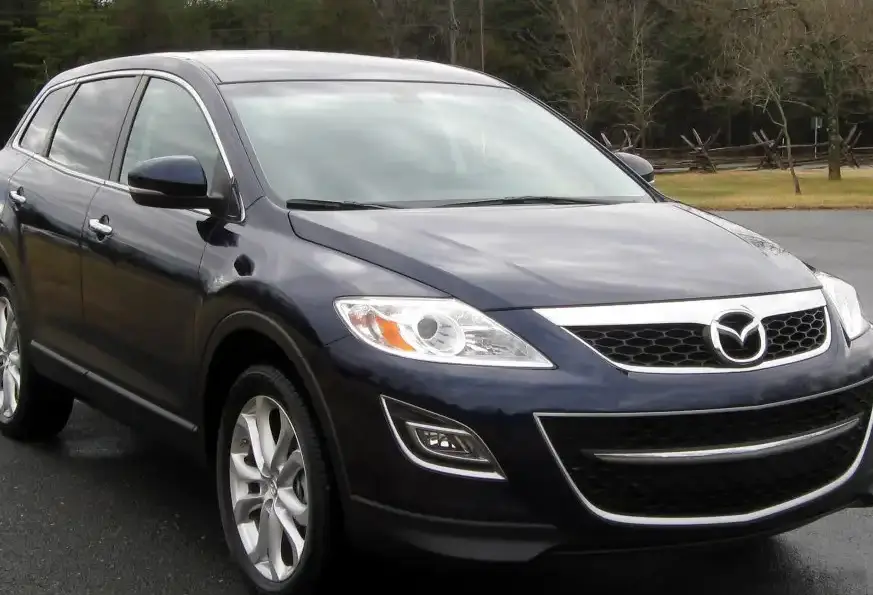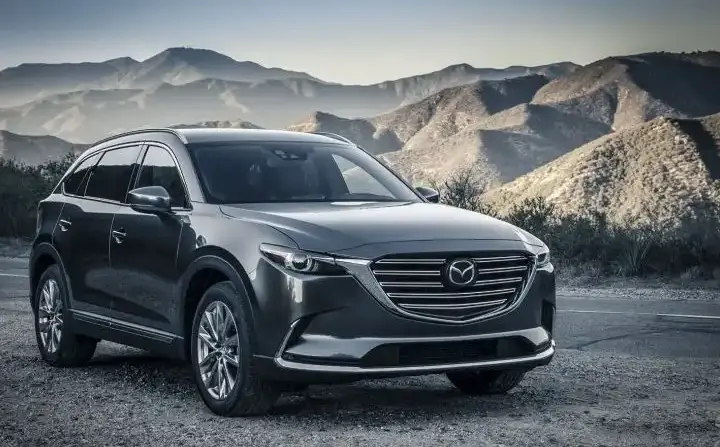
The Mazda CX-9, launched in 2007, represented Mazda’s entry into the burgeoning mid-size crossover SUV segment. Specifically, the first generation CX-9 (2007-2009) was a significant vehicle for the brand, offering a compelling combination of style, space, and performance. The 3.7-liter DOHC V6 engine, producing 273 horsepower, was the sole powertrain option for the North American market during these years, and was paired exclusively with a six-speed automatic transmission. This configuration aimed to provide a more premium driving experience compared to four-cylinder competitors, and positioned the CX-9 as a family-oriented vehicle with a focus on comfort and capability. The CX-9 was Mazda’s first vehicle with three-row seating, and quickly became a popular choice for families needing space and all-wheel drive capability.
Technical Specifications
| Brand | Mazda |
| Model | CX-9 |
| Generation | CX-9 I |
| Type (Engine) | 3.7 DOHC V6 (273 Hp) |
| Start of production | 2007 |
| End of production | 2009 |
| Powertrain Architecture | Internal Combustion engine |
| Body type | SUV |
| Seats | 7 |
| Doors | 5 |
| Fuel Type | Petrol (Gasoline) |
| Weight-to-power ratio | 7.6 kg/Hp, 132.3 Hp/tonne |
| Weight-to-torque ratio | 7.6 kg/Nm, 130.8 Nm/tonne |
| Power | 273 Hp @ 6250 rpm |
| Power per litre | 73.3 Hp/l |
| Torque | 270 Nm @ 4250 rpm, 199.14 lb.-ft. @ 4250 rpm |
| Engine layout | Front, Transverse |
| Engine displacement | 3726 cm3, 227.37 cu. in. |
| Number of cylinders | 6 |
| Engine configuration | V-engine |
| Cylinder Bore | 95.5 mm, 3.76 in. |
| Piston Stroke | 86.7 mm, 3.41 in. |
| Compression ratio | 10.3:1 |
| Number of valves per cylinder | 4 |
| Fuel injection system | Multi-port manifold injection |
| Engine aspiration | Naturally aspirated engine |
| Valvetrain | DOHC |
| Engine oil capacity | 5.2 l, 5.49 US qt | 4.58 UK qt |
| Coolant | 11.6 l, 12.26 US qt | 10.21 UK qt |
| Kerb Weight | 2064 kg, 4550.34 lbs |
| Max. weight | 2735 kg, 6029.64 lbs |
| Max load | 671 kg, 1479.3 lbs |
| Trunk (boot) space – minimum | 487 l, 17.2 cu. ft. |
| Trunk (boot) space – maximum | 2852 l, 100.72 cu. ft. |
| Fuel tank capacity | 76 l, 20.08 US gal | 16.72 UK gal |
| Length | 5074 mm, 199.76 in. |
| Width | 1936 mm, 76.22 in. |
| Height | 1728 mm, 68.03 in. |
| Wheelbase | 2875 mm, 113.19 in. |
| Front track | 1654 mm, 65.12 in. |
| Rear (Back) track | 1644 mm, 64.72 in. |
| Drive wheel | All wheel drive (4×4) |
| Number of gears and type of gearbox | 6 gears, automatic transmission |
| Front suspension | Independent, type McPherson with coil spring and anti-roll bar |
| Rear suspension | Air suspension |
| Front brakes | Ventilated discs |
| Rear brakes | Ventilated discs |
| Tires size | 245/60R18; 245/50 R20 |
| Wheel rims size | 7.5J x 18; 7.5J x 20 |
Powertrain & Engine Architecture
The heart of the 2007-2009 Mazda CX-9 was the 3.7-liter (3726 cc) DOHC V6 engine. This engine, designated as the 27B, was a naturally aspirated powerplant featuring a 60-degree V-angle. It utilized a cast aluminum alloy block and cylinder heads, contributing to a relatively lightweight construction. The engine employed multi-port fuel injection, delivering fuel directly into the intake ports, and a double overhead camshaft (DOHC) valvetrain with four valves per cylinder. This configuration allowed for efficient cylinder filling and exhaust scavenging, contributing to the engine’s respectable power output. The six-speed automatic transmission, sourced from Aisin, was specifically tuned to complement the V6’s characteristics. It featured a relatively wide gear ratio spread, prioritizing both acceleration and highway cruising efficiency. The transmission was designed to provide smooth and responsive shifts, enhancing the overall driving experience.
Driving Characteristics
The CX-9 3.7L Automatic offered a comfortable and capable driving experience. While not a sports SUV, the 273 horsepower and 270 Nm (199 lb-ft) of torque provided adequate power for everyday driving and highway passing maneuvers. The automatic transmission, while smooth, wasn’t particularly quick to downshift, resulting in a slightly less engaging experience compared to the manual transmission options available in other markets. The all-wheel-drive system provided enhanced traction in inclement weather conditions, making it a suitable vehicle for regions with snow or rain. The air suspension on the rear axle contributed to a comfortable ride quality, absorbing bumps and irregularities in the road surface effectively. However, the CX-9’s weight (over 2000 kg) was noticeable, particularly during spirited driving or when fully loaded with passengers and cargo.
Equipment & Trim Levels
The CX-9 was generally well-equipped, even in its base trim. Standard features typically included tri-zone automatic climate control, a six-speaker audio system, power windows and locks, and keyless entry. Higher trim levels, such as the Grand Touring, added features like leather upholstery, a premium Bose audio system, power-adjustable front seats, and a sunroof. Optional extras included a navigation system, rear-seat entertainment system, and a tow package. Interior upholstery was typically cloth on base models, with leather becoming standard on higher trims. The dashboard layout was functional and user-friendly, with logically placed controls and a clear instrument cluster.
Chassis & Braking
The CX-9 utilized a unibody construction, providing a good balance of rigidity and weight. The front suspension featured independent McPherson struts with coil springs and an anti-roll bar, while the rear suspension employed an air suspension system. The air suspension allowed for automatic load leveling, maintaining a consistent ride height regardless of the vehicle’s load. Braking duties were handled by ventilated discs on all four wheels, providing adequate stopping power. The braking system was equipped with ABS (Anti-lock Braking System) and EBD (Electronic Brakeforce Distribution) for enhanced safety.
Market Reception & Comparison
The Mazda CX-9 was generally well-received by automotive critics. It was praised for its stylish design, spacious interior, and comfortable ride. The 3.7-liter V6 engine was considered a strong performer, providing ample power for most driving situations. However, some critics noted the CX-9’s relatively high fuel consumption compared to four-cylinder competitors. Compared to other trims, the 3.7L Automatic was the most popular configuration, appealing to buyers who prioritized comfort and convenience over fuel economy. It offered a more refined driving experience than the base models, and provided sufficient power for most needs.
Legacy
The first-generation Mazda CX-9 established Mazda as a serious contender in the mid-size crossover SUV segment. The 3.7-liter V6 engine, while not known for exceptional fuel efficiency, proved to be relatively reliable. Common issues included oil consumption and occasional timing chain wear, but these were not widespread problems. In the used car market, the 2007-2009 CX-9 remains a popular choice for families seeking a spacious and comfortable SUV. Its combination of style, space, and all-wheel-drive capability continues to appeal to buyers today, and well-maintained examples can still provide years of reliable service.