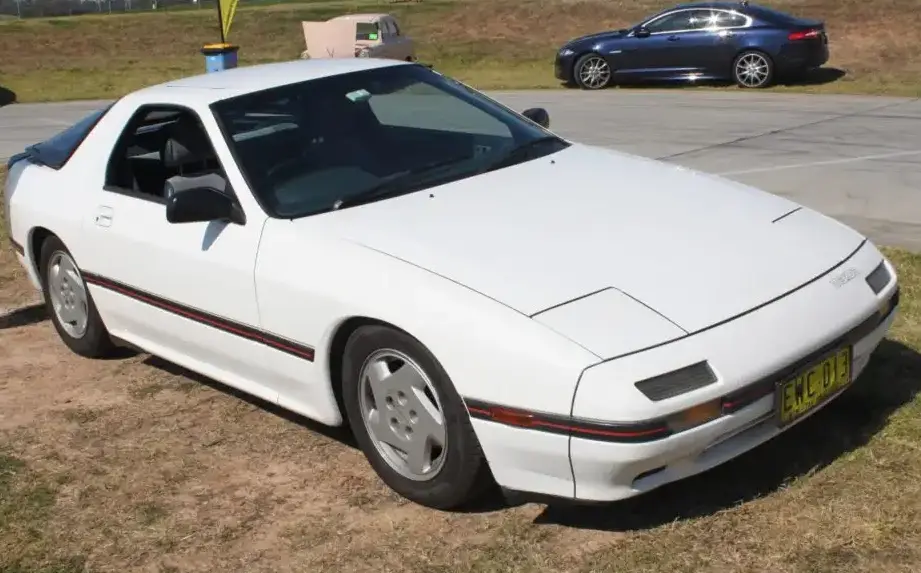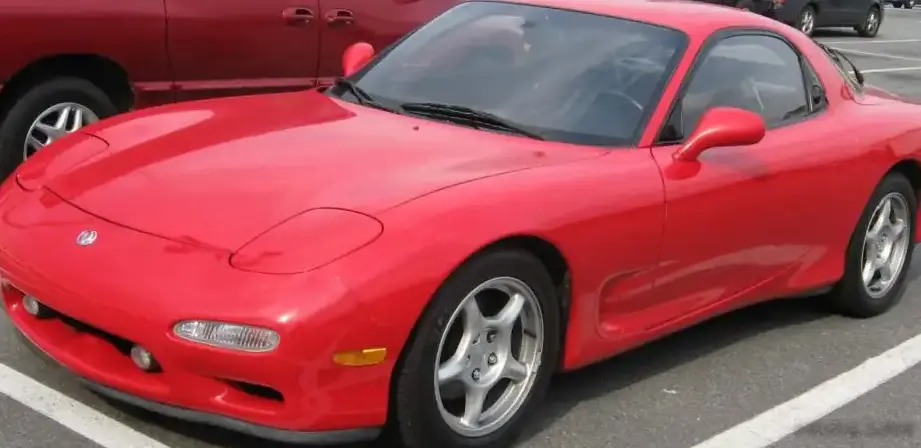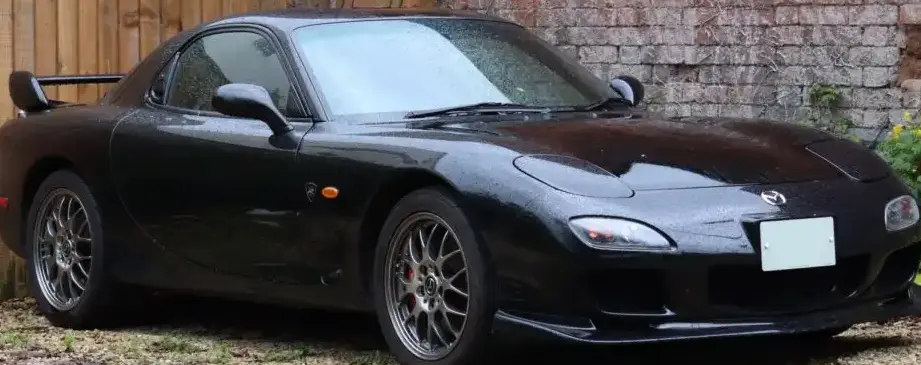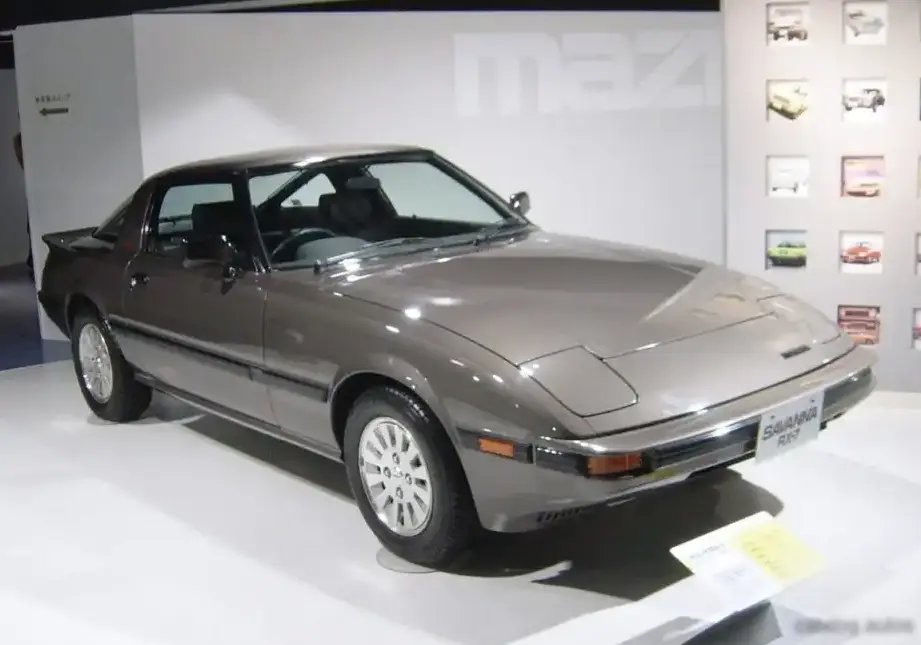
The Mazda RX-7 (SA) represents the first generation of Mazda’s iconic rotary-powered sports car, produced from 1978 to 1985. The 1981-1984 models, specifically those equipped with the 115 horsepower Wankel rotary engine, occupy a significant position in the RX-7’s early history. This variant served as the entry point into the RX-7 lineup, offering a unique driving experience centered around the smooth, high-revving rotary engine. It was a pivotal model for Mazda, showcasing their commitment to innovative engine technology and establishing the RX-7 as a serious contender in the burgeoning sports coupe market, particularly in Japan and, increasingly, in the United States.
Technical Specifications
| Brand | Mazda |
| Model | RX-7 |
| Generation | RX-7 I (SA) |
| Type (Engine) | Wankel (115 Hp) |
| Start of Production | 1981 |
| End of Production | 1984 |
| Powertrain Architecture | Internal Combustion Engine (Rotary) |
| Body Type | Coupe |
| Fuel Type | Petrol (Gasoline) |
| Power | 115 Hp |
| Engine Aspiration | Naturally Aspirated |
Powertrain & Engine Architecture
The heart of the RX-7 (SA) is its 13B Wankel rotary engine. This 1.3-liter engine, despite its relatively small displacement, produced 115 horsepower at 6000 rpm and 100 lb-ft of torque at 4000 rpm. The 13B engine utilizes a triangular rotor spinning within a specially shaped housing, rather than traditional pistons. This design allows for a smoother power delivery and higher rotational speeds compared to conventional reciprocating engines. The 1981-1984 models typically featured a single carburetor – often a Hitachi – for fuel delivery. The engine’s valvetrain is inherently different from a piston engine, relying on the rotor’s movement to control intake and exhaust port timing. The transmission paired with this engine was a three-speed automatic, designed to provide a more accessible and comfortable driving experience than the available five-speed manual. The automatic transmission, while not geared for outright performance, was robust and reliable for its time.
Driving Characteristics
The RX-7 (SA) with the 115 hp engine and automatic transmission offered a unique driving experience. While not a performance powerhouse, the rotary engine’s smooth power delivery and willingness to rev made it enjoyable to drive. Acceleration was adequate for the era, with a 0-60 mph time estimated around 11-12 seconds. The automatic transmission, while providing ease of use, did detract from the sporty feel of the car. Gear ratios were optimized for fuel economy and comfortable cruising rather than aggressive acceleration. Compared to the manual transmission versions, the automatic RX-7 felt noticeably slower, particularly in passing situations. However, the rotary engine’s inherent smoothness and lack of vibration contributed to a refined driving experience, even with the automatic gearbox. The car’s relatively light weight (around 2,300 lbs) helped to mitigate some of the performance limitations of the lower horsepower output.
Equipment & Trim Levels
The 115 hp RX-7 (SA) typically represented the base trim level. Standard equipment included cloth upholstery, a basic AM/FM radio, and manual windows and locks. Air conditioning was often an optional extra, as were power windows and upgraded sound systems. The interior design was functional and driver-focused, with a simple dashboard layout and clearly marked gauges. The exterior featured a sleek, wedge-shaped design that was characteristic of the late 1970s and early 1980s. Wheels were typically steel with hubcaps, although alloy wheels were available as an option. The overall trim level was geared towards providing an affordable and accessible sports coupe experience, prioritizing the unique rotary engine over luxurious features.
Chassis & Braking
The RX-7 (SA) utilized a rear-wheel-drive layout with an independent front suspension and a solid rear axle. The front suspension featured MacPherson struts, while the rear employed a four-link setup. This configuration provided a good balance of handling and ride comfort. Braking was initially equipped with front disc brakes and rear drum brakes. Later models saw the introduction of rear disc brakes as standard equipment, improving stopping performance. The chassis was relatively lightweight, contributing to the car’s nimble handling characteristics. Stabilizer bars were fitted to both the front and rear suspension to reduce body roll during cornering. The steering was manual rack-and-pinion, providing direct and responsive feedback to the driver.
Market Reception & Comparison
The RX-7 (SA) was generally well-received by automotive critics, who praised its innovative rotary engine and sporty handling. However, the 115 hp automatic version was often seen as a compromise, lacking the performance of the manual transmission models or the higher-output turbocharged versions that followed. Fuel economy was a concern, as rotary engines are inherently less fuel-efficient than comparable piston engines. Compared to other sports coupes of the era, such as the Toyota Celica Supra or the Nissan Z-series, the RX-7 offered a unique driving experience thanks to its rotary engine. The automatic transmission version appealed to buyers who prioritized comfort and ease of use over outright performance. Reliability was also a point of discussion, as rotary engines require more frequent maintenance than traditional piston engines, particularly regarding apex seal wear.
Legacy
The RX-7 (SA) 115 hp automatic variant holds a special place in Mazda’s history as the introductory model to the rotary-powered RX-7 lineage. While not the most sought-after version today, it remains a collectible car for enthusiasts interested in experiencing the unique characteristics of the Wankel engine. The 13B engine, despite its maintenance requirements, is known for its durability and potential for modification. In the used car market, these models are relatively affordable, making them an accessible entry point into the world of classic Japanese sports cars. The long-term reliability of the powertrain depends heavily on maintenance history, with regular apex seal inspections and replacements being crucial. The RX-7 (SA) paved the way for future generations of RX-7s, solidifying Mazda’s reputation as a manufacturer of innovative and exciting sports cars. The 115 hp automatic, while often overlooked, represents a crucial step in the evolution of this iconic model.