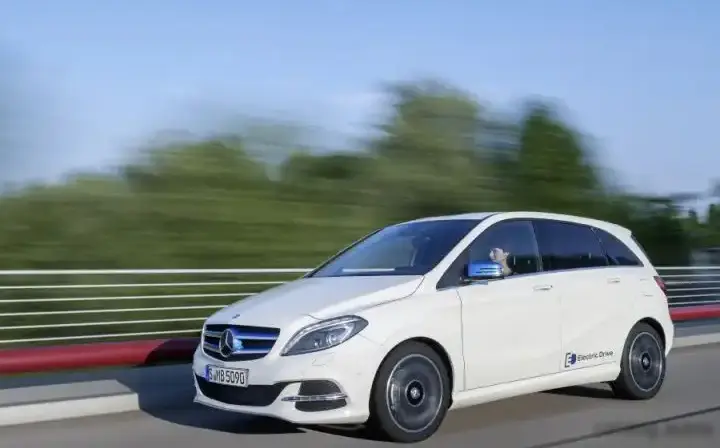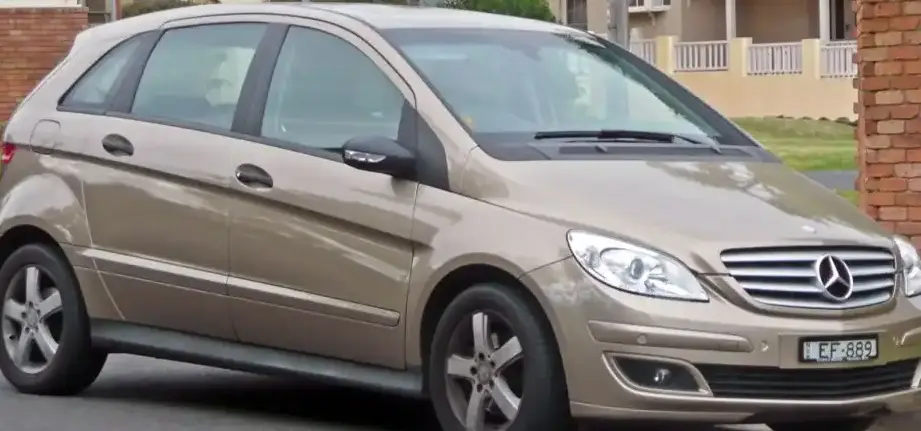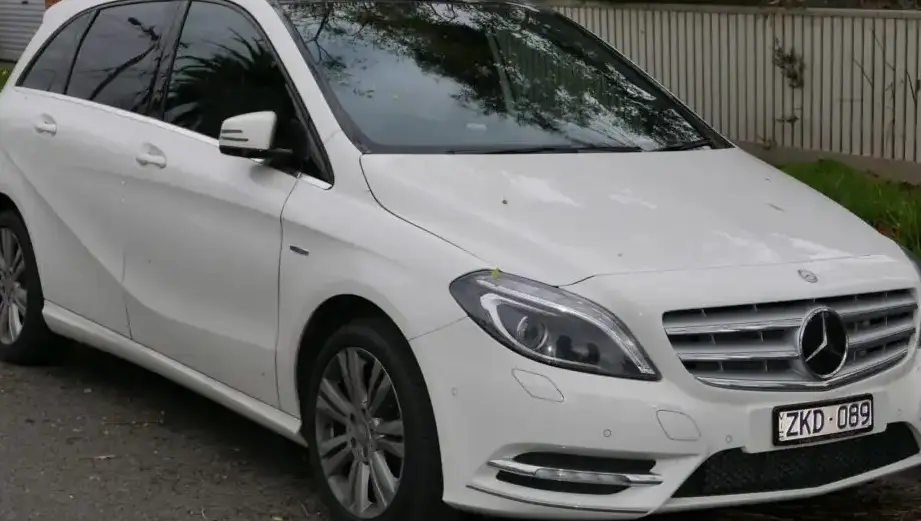
The Mercedes-Benz B 180 (W246), produced from 2011 to 2014, represented the entry point into the second generation of the B-Class compact hatchback. Positioned within the W246 series – which spanned from 2011 to 2018 – the B 180 offered a blend of practicality, comfort, and efficiency aimed at buyers seeking a premium small family vehicle. This variant was characterized by its 1.6-liter turbocharged engine paired with a 7-speed dual-clutch transmission (DCT), offering a more accessible price point compared to higher-trim models like the B 200 or B 250. The W246 B-Class, overall, aimed to broaden Mercedes-Benz’s appeal to a younger demographic and compete more effectively with rivals like the Audi A3 and BMW 2 Series Active Tourer.
Technical Specifications
| Brand | Mercedes-Benz |
| Model | B-class |
| Generation | B-class (W246) |
| Type (Engine) | B 180 (122 Hp) DCT |
| Start of production | 2011 |
| End of production | 2014 |
| Powertrain Architecture | Internal Combustion engine |
| Body type | Hatchback |
| Seats | 5 |
| Doors | 5 |
| Fuel consumption (urban) | 7.6 l/100 km (30.9 US mpg) |
| Fuel consumption (extra urban) | 5.0-4.8 l/100 km (47 – 49 US mpg) |
| Fuel consumption (combined) | 5.9-5.8 l/100 km (39.9 – 40.6 US mpg) |
| CO2 emissions | 139-135 g/km |
| Fuel Type | Petrol (Gasoline) |
| Acceleration 0 – 100 km/h | 10.2 sec |
| Acceleration 0 – 62 mph | 10.2 sec |
| Acceleration 0 – 60 mph | 9.7 sec |
| Maximum speed | 190 km/h (118.06 mph) |
| Emission standard | Euro 5 |
| Weight-to-power ratio | 11.7 kg/Hp |
| Weight-to-torque ratio | 7.1 kg/Nm |
| Power | 122 Hp @ 5000 rpm |
| Torque | 200 Nm @ 1250-4000 rpm (147.51 lb.-ft.) |
| Engine layout | Front, Transverse |
| Engine Model/Code | M 270.910 |
| Engine displacement | 1595 cm3 (97.33 cu. in.) |
| Number of cylinders | 4 |
| Engine configuration | Inline |
| Compression ratio | 10.3:1 |
| Number of valves per cylinder | 4 |
| Fuel injection system | Direct injection |
| Engine aspiration | Turbocharger, Intercooler |
| Engine oil capacity | 5.8 l (6.13 US qt | 5.1 UK qt) |
| Coolant capacity | 7 l (7.4 US qt | 6.16 UK qt) |
| Kerb Weight | 1425 kg (3141.59 lbs.) |
| Max. weight | 1950 kg (4299.01 lbs.) |
| Max load | 525 kg (1157.43 lbs.) |
| Trunk (boot) space – minimum | 488 l (17.23 cu. ft.) |
| Trunk (boot) space – maximum | 1547 l (54.63 cu. ft.) |
| Fuel tank capacity | 50 l (13.21 US gal | 11 UK gal) |
| Length | 4359 mm (171.61 in.) |
| Width | 1786 mm (70.31 in.) |
| Height | 1557 mm (61.3 in.) |
| Wheelbase | 2699 mm (106.26 in.) |
| Front track | 1552 mm (61.1 in.) |
| Rear track | 1549 mm (60.98 in.) |
| Minimum turning circle | 11 m (36.09 ft.) |
| Drivetrain | Front wheel drive |
| Number of gears | 7 |
| Gearbox type | Automatic transmission G-DCT |
| Front suspension | Independent type McPherson |
| Rear suspension | Trailing arm |
| Front brakes | Ventilated discs |
| Rear brakes | Disc |
| Tires size | 195/65 R15 |
| Wheel rims size | 15 |
INTRODUCTION
The Mercedes-Benz B 180 (W246) served as the gateway to the redesigned B-Class range launched in 2011. Built on the 1HX0/A3 platform shared with other compact Mercedes-Benz models, the B 180 aimed to provide a practical and comfortable entry-level option. It distinguished itself from its predecessors with a more refined interior, improved ride quality, and a focus on fuel efficiency. The W246 generation marked a significant departure from the earlier, sandwich-floor B-Class, adopting a more conventional front-wheel-drive layout. This shift allowed for greater interior space and a more dynamic driving experience. The B 180, with its smaller engine and automatic transmission, was specifically targeted at buyers prioritizing ease of use and lower running costs.
Powertrain & Engine Architecture
At the heart of the B 180 lies the M 270.910 1.6-liter inline-four cylinder engine. This engine is a member of Mercedes-Benz’s modular engine family, known for its compact design and efficiency. It features direct fuel injection, a turbocharger with an intercooler, and four valves per cylinder. The engine produces 122 horsepower at 5000 rpm and 200 Nm (147.51 lb-ft) of torque between 1250 and 4000 rpm. The turbocharger provides a noticeable boost in power, improving acceleration and responsiveness. The engine is paired with a 7G-DCT (7-speed dual-clutch transmission), which offers quick and smooth gear changes. This transmission contributes to both fuel efficiency and a more engaging driving experience compared to a traditional automatic. The DCT operates with two separate clutches, allowing for pre-selection of the next gear, minimizing interruption in power delivery.
Driving Characteristics
The B 180’s driving experience is characterized by its comfort and ease of use. The 122 hp engine, while not particularly powerful, provides adequate performance for everyday driving. Acceleration from 0 to 60 mph takes approximately 9.7 seconds, and the top speed is 190 km/h (118 mph). The 7G-DCT transmission is well-tuned, offering smooth and responsive shifts. Compared to the more powerful B 200 or B 250 models, the B 180 feels less eager to accelerate, but it offers a more relaxed and fuel-efficient driving experience. The gear ratios are optimized for fuel economy, with taller gearing in higher gears. The suspension is tuned for comfort, providing a smooth ride over most road surfaces. Steering is light and precise, making the B 180 easy to maneuver in urban environments.
Equipment & Trim Levels
The B 180 came standard with a respectable level of equipment, including air conditioning, a multi-function steering wheel, and an audio system with a central display screen. Safety features such as ABS, ESP (Electronic Stability Program), and multiple airbags were also standard. Optional extras included features like a panoramic sunroof, leather upholstery, navigation system, and parking sensors. Interior upholstery typically consisted of fabric seats, although leather options were available. The dashboard layout was modern and functional, with a focus on ergonomics. Trim levels varied depending on the market, but generally, the B 180 offered a good balance of features for its price point.
Chassis & Braking
The W246 B-Class features a McPherson strut front suspension and a multi-link rear suspension. This setup provides a good balance of ride comfort and handling. The B 180 utilizes ventilated disc brakes at the front and solid disc brakes at the rear. The braking system is assisted by ABS (Anti-lock Braking System) and ESP (Electronic Stability Program), enhancing safety and control. The steering system is a rack-and-pinion type with electric power assistance. The chassis is designed to provide a stable and predictable driving experience, with a focus on minimizing body roll and maximizing grip.
Market Reception & Comparison
The B 180 received generally positive reviews from automotive critics. It was praised for its comfortable ride, fuel efficiency, and well-appointed interior. However, some critics noted that the engine lacked outright power, particularly when fully loaded. Compared to the B 200, which featured a more powerful engine, the B 180 offered lower running costs but less performance. The B 180’s fuel economy was a key selling point, with combined fuel consumption figures ranging from 5.8 to 5.9 l/100 km (39.9 – 40.6 US mpg). In terms of reliability, the M 270 engine proved to be generally dependable, although some owners have reported issues with the turbocharger and fuel injectors.
Legacy
The Mercedes-Benz B 180 (W246) remains a popular choice in the used car market, particularly for buyers seeking a practical and affordable premium hatchback. The 1.6-liter engine and 7G-DCT transmission have proven to be relatively reliable, although regular maintenance is essential. The B 180’s comfortable ride, spacious interior, and good fuel economy continue to appeal to a wide range of buyers. While not the most exciting car to drive, it offers a solid and dependable transportation solution. Its position as the entry-level B-Class model made it accessible to a broader audience, contributing to the overall success of the W246 generation.