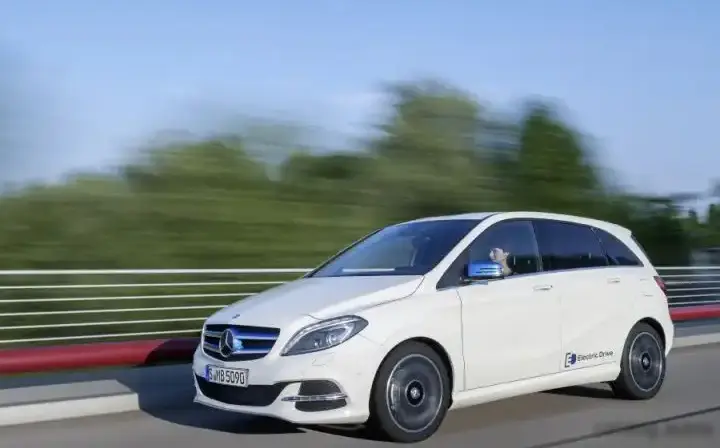
The Mercedes-Benz B-Class (W246) B 200 CDI with the dual-clutch transmission (DCT) was a key variant within the second generation of the B-Class, produced from 2011 to 2014. Positioned as a premium compact multi-purpose vehicle (MPV), the W246 B-Class aimed to offer a more sophisticated alternative to traditional hatchbacks, emphasizing comfort, practicality, and fuel efficiency. The B 200 CDI, powered by a 1.8-liter turbocharged diesel engine producing 136 horsepower, represented a mid-range offering in the B-Class lineup, appealing to buyers seeking a balance between performance and economy. It served as a popular choice in European markets, where diesel engines held a significant share of the automotive landscape.
Technical Specifications
| Brand | Mercedes-Benz |
| Model | B-class |
| Generation | B-class (W246) |
| Type (Engine) | B 200 CDI (136 Hp) DCT |
| Start of production | 2011 |
| End of production | 2014 |
| Powertrain Architecture | Internal Combustion engine |
| Body type | Hatchback |
| Seats | 5 |
| Doors | 5 |
| Fuel consumption (urban) | 5.2-4.9 l/100 km (45.2 – 48 US mpg, 54.3 – 57.6 UK mpg, 19.2 – 20.4 km/l) |
| Fuel consumption (extra urban) | 4.2-3.9 l/100 km (56 – 60.3 US mpg, 67.3 – 72.4 UK mpg, 23.8 – 25.6 km/l) |
| Fuel consumption (combined) | 4.5-4.2 l/100 km (52.3 – 56 US mpg, 62.8 – 67.3 UK mpg, 22.2 – 23.8 km/l) |
| CO2 emissions | 120-112 g/km |
| Fuel Type | Diesel |
| Acceleration 0 – 100 km/h | 9.3 sec |
| Acceleration 0 – 62 mph | 9.3 sec |
| Acceleration 0 – 60 mph | 8.8 sec |
| Maximum speed | 210 km/h (130.49 mph) |
| Emission standard | Euro 5 |
| Weight-to-power ratio | 11.1 kg/Hp, 90.4 Hp/tonne |
| Weight-to-torque ratio | 5 kg/Nm, 199.3 Nm/tonne |
| Power | 136 Hp @ 3600-4400 rpm |
| Power per litre | 75.7 Hp/l |
| Torque | 300 Nm @ 1600-3000 rpm (221.27 lb.-ft. @ 1600-3000 rpm) |
| Engine layout | Front, Transverse |
| Engine Model/Code | OM 651.901 |
| Engine displacement | 1796 cm3 (109.6 cu. in.) |
| Number of cylinders | 4 |
| Engine configuration | Inline |
| Compression ratio | 16.2:1 |
| Number of valves per cylinder | 4 |
| Fuel injection system | Diesel Commonrail |
| Engine aspiration | Turbocharger, Intercooler |
| Engine oil capacity | 7 l (7.4 US qt | 6.16 UK qt) |
| Coolant capacity | 9.5 l (10.04 US qt | 8.36 UK qt) |
| Kerb Weight | 1505 kg (3317.96 lbs.) |
| Max. weight | 2025 kg (4464.36 lbs.) |
| Max load | 520 kg (1146.4 lbs.) |
| Trunk (boot) space – minimum | 488 l (17.23 cu. ft.) |
| Trunk (boot) space – maximum | 1547 l (54.63 cu. ft.) |
| Fuel tank capacity | 50 l (13.21 US gal | 11 UK gal) |
| Length | 4359 mm (171.61 in.) |
| Width | 1786 mm (70.31 in.) |
| Height | 1557 mm (61.3 in.) |
| Wheelbase | 2699 mm (106.26 in.) |
| Front track | 1552 mm (61.1 in.) |
| Rear track | 1549 mm (60.98 in.) |
| Minimum turning circle | 11 m (36.09 ft.) |
| Drivetrain Architecture | Front wheel drive |
| Number of gears | 7 |
| Gearbox type | automatic transmission G-DCT |
| Front suspension | Independent type McPherson |
| Rear suspension | Trailing arm |
| Front brakes | Ventilated discs |
| Rear brakes | Disc |
| Assisting systems | ABS (Anti-lock braking system) |
| Steering type | Steering rack and pinion |
| Power steering | Electric Steering |
| Tires size | 205/55 R16 |
| Wheel rims size | 16 |
Powertrain & Engine Architecture
The B 200 CDI utilized the OM651.901 engine, a 1.8-liter inline-four cylinder diesel engine. This engine was a mainstay in many Mercedes-Benz compact models of the era. It featured a common rail direct injection system, delivering fuel at extremely high pressure for optimized combustion. A turbocharger with an intercooler was employed to boost power and torque, providing a relatively responsive driving experience for a diesel engine. The engine produced 136 horsepower at 3600-4400 rpm and a substantial 300 Nm (221 lb-ft) of torque between 1600-3000 rpm. This torque output was a key characteristic, providing strong pulling power at lower engine speeds. The engine also incorporated a diesel particulate filter (DPF) to reduce emissions, meeting Euro 5 standards. The engine was paired with Mercedes-Benz’s 7G-DCT (7-speed dual-clutch transmission). This transmission offered quick and smooth gear changes, contributing to both performance and fuel efficiency. The DCT’s design allowed for both automatic and manual shifting via steering wheel-mounted paddles or the gear selector.
Driving Characteristics
The B 200 CDI DCT offered a comfortable and refined driving experience. While not overtly sporty, the engine’s torque provided ample power for everyday driving and overtaking maneuvers. The DCT transmission contributed to brisk acceleration, with a 0-62 mph (0-100 km/h) time of around 9.3 seconds. Compared to the more powerful B 250 variants, the B 200 CDI prioritized fuel economy over outright performance. The gear ratios in the 7G-DCT were tuned to maximize efficiency, keeping engine speeds relatively low during cruising. This resulted in a quiet and relaxed ride, particularly on the highway. Compared to manual transmission versions of the B 200 CDI, the DCT offered greater convenience and ease of use, especially in urban traffic. However, some drivers might have preferred the more direct feel of a manual gearbox.
Equipment & Trim Levels
The B 200 CDI typically came equipped with a respectable level of standard features. These included automatic climate control, a multi-function steering wheel, power windows and mirrors, and a basic audio system. Interior upholstery was generally cloth, although leather options were available. Higher trim levels offered upgrades such as larger alloy wheels, a more advanced infotainment system with navigation, and parking sensors. Optional extras included a panoramic sunroof, heated seats, and a premium sound system. The B-Class was designed with practicality in mind, offering a spacious interior and a versatile cargo area. The rear seats could be folded down to increase luggage capacity, making it suitable for families or those needing to transport larger items.
Chassis & Braking
The W246 B-Class featured a McPherson strut front suspension and a trailing arm rear suspension. This setup provided a good balance between ride comfort and handling. The B 200 CDI, being a mid-range variant, typically came with ventilated front disc brakes and solid rear disc brakes. Anti-lock braking system (ABS) was standard, enhancing safety and stability during braking. The electric power steering provided light and precise steering feel, making it easy to maneuver in tight spaces. The chassis was designed to minimize weight while maintaining structural rigidity, contributing to improved fuel efficiency and handling.
Market Reception & Comparison
The B 200 CDI DCT was generally well-received by automotive critics. It was praised for its fuel efficiency, comfortable ride, and practical interior. However, some reviewers noted that the engine could be somewhat noisy compared to gasoline engines. Compared to the B 250, the B 200 CDI offered a more affordable entry point into the B-Class range, but at the expense of performance. The B 200 CDI’s fuel economy was significantly better than that of the B 250, making it a more attractive option for those prioritizing running costs. In terms of reliability, the OM651 engine proved to be generally robust, although the DPF could require occasional maintenance.
Legacy
The Mercedes-Benz B-Class (W246) B 200 CDI DCT remains a relatively common sight on the used car market. The OM651 engine is known for its durability, and with proper maintenance, it can provide many years of reliable service. The 7G-DCT transmission is also generally reliable, although regular fluid changes are essential. The B 200 CDI’s fuel efficiency and practicality continue to make it an appealing option for buyers seeking a comfortable and economical compact MPV. While newer models offer more advanced technology and features, the W246 B 200 CDI represents a well-rounded and dependable vehicle that has stood the test of time.