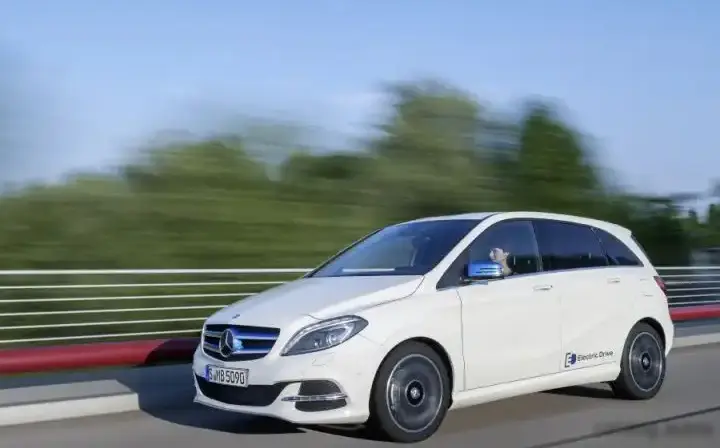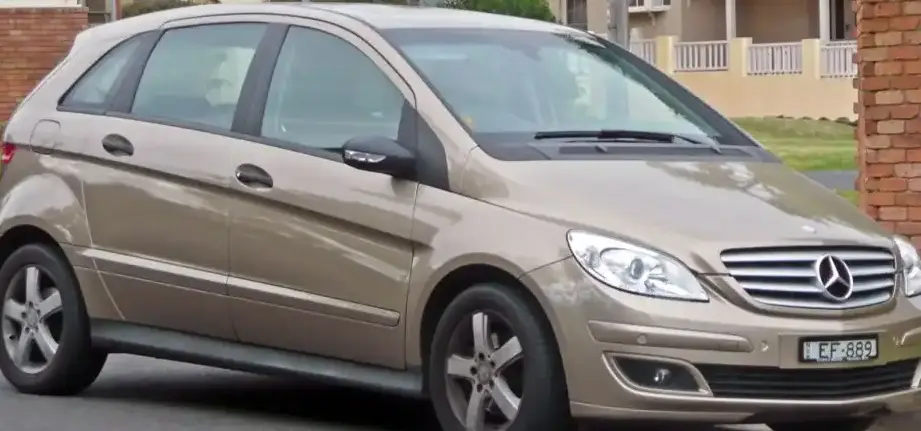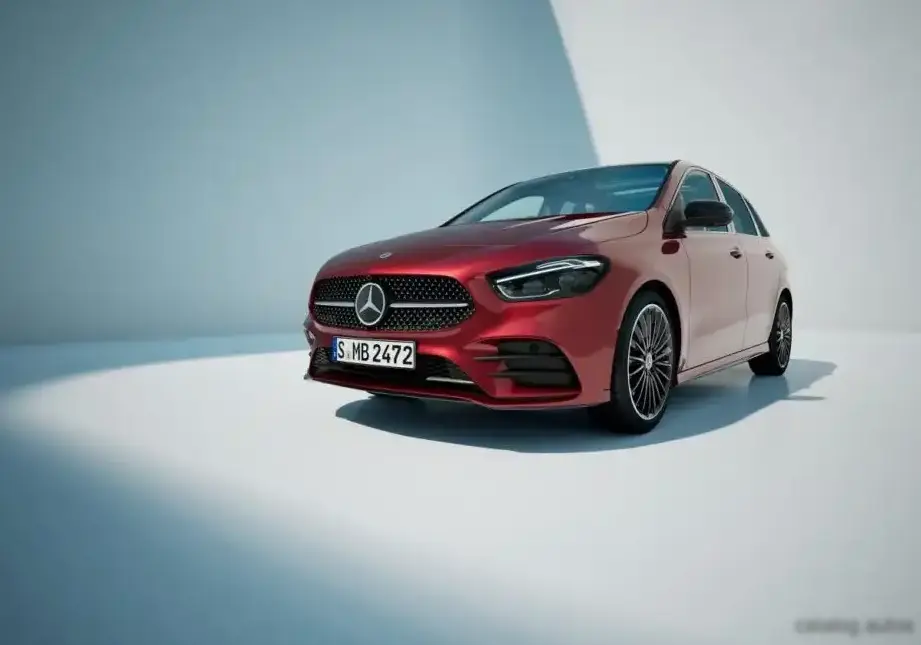
The Mercedes-Benz B 250e, part of the W247 B-Class facelift introduced in October 2022, represents the brand’s entry into the compact plug-in hybrid (PHEV) market. This variant combines a 1.3-liter turbocharged gasoline engine with an electric motor, delivering a combined system output of 218 horsepower. Positioned as a premium offering within the B-Class range, the B 250e aimed to provide a balance of fuel efficiency, electric driving range, and the practicality expected of a compact hatchback. It builds upon the foundation of the W247 platform, known for its spacious interior and comfortable ride, while adding the benefits of electrified propulsion.
Technical Specifications
| Brand | Mercedes-Benz |
| Model | B-class |
| Generation | B-class (W247, facelift 2022) |
| Type (Engine) | B 250e (218 Hp) Plug-in Hybrid 8G-DCT |
| Start of production | October, 2022 |
| Powertrain Architecture | PHEV (Plug-in Hybrid Electric Vehicle) |
| Body type | Hatchback |
| Seats | 5 |
| Doors | 5 |
| Combined fuel consumption (WLTP) | 0.9-1.2 l/100 km (261.3 – 196 US mpg, 313.9 – 235.4 UK mpg, 111.1 – 83.3 km/l) |
| CO2 emissions (WLTP) | 20-27 g/km |
| Fuel Type | Petrol / electricity |
| Acceleration 0 – 100 km/h | 7.6 sec |
| Acceleration 0 – 62 mph | 7.6 sec |
| Acceleration 0 – 60 mph | 7.2 sec |
| Maximum speed | 223 km/h (138.57 mph) |
| Gross battery capacity | 15.6 kWh |
| Battery technology | Lithium-ion (Li-Ion) |
| Battery location | Below the floor, under the rear seats |
| All-electric range (WLTP) | 67-77 km (41.63 – 47.85 mi) |
| Average Energy consumption (WLTP) | 15.4-17.4 kWh/100 km (24.78 – 28 kWh/100 mi, 136 – 120 MPGe, 6.5 – 5.7 km/kWh, 4 – 3.6 mi/kWh) |
| Electric motor power | 109 Hp |
| Electric motor Torque | 300 Nm (221.27 lb.-ft.) |
| Electric motor location | Between the combustion engine and the transmission |
| System power | 218 Hp |
| System torque | 450 Nm (331.9 lb.-ft.) |
| Power | 163 Hp @ 5500 rpm |
| Torque | 270 Nm (199.14 lb.-ft.) |
| Engine layout | Front, Transverse |
| Engine Model/Code | M 282 |
| Engine displacement | 1332 cm3 (81.28 cu. in.) |
| Number of cylinders | 4 |
| Engine configuration | Inline |
| Number of valves per cylinder | 4 |
| Fuel injection system | Direct injection |
| Engine aspiration | Turbocharger, Intercooler |
| Engine oil capacity | 5.1 l (5.39 US qt | 4.49 UK qt) |
| Coolant | 6.8 l (7.19 US qt | 5.98 UK qt) |
| Drivetrain Architecture | Front wheel drive. PHEV. ICE and electric motor drive the front wheels. |
| Number of gears and type of gearbox | 8 gears, automatic transmission G-DCT |
Powertrain & Engine Architecture
The B 250e’s powertrain centers around the M 282 1.3-liter inline-four cylinder gasoline engine. This engine, part of Mercedes-Benz’s modular engine family, utilizes direct fuel injection and a single turbocharger with an intercooler to produce 163 horsepower and 270 Nm (199 lb-ft) of torque. The electric motor, positioned between the engine and the 8G-DCT dual-clutch transmission, contributes an additional 109 horsepower and 300 Nm (221 lb-ft) of torque. The combined system output reaches 218 horsepower and 450 Nm (332 lb-ft). The 15.6 kWh lithium-ion battery pack is located under the rear seats, minimizing impact on cabin space. The 8G-DCT transmission is specifically tuned to work seamlessly with both the gasoline engine and the electric motor, providing smooth and efficient power delivery. The engine also features a particulate filter to reduce emissions.
Driving Characteristics
The B 250e offers a refined driving experience, with the ability to operate in various modes – Electric, Hybrid, and Sport. In Electric mode, the vehicle relies solely on the electric motor for propulsion, providing silent and emission-free driving for up to 67-77 kilometers (42-48 miles) depending on driving conditions. Hybrid mode intelligently blends power from both the engine and motor, optimizing fuel efficiency. Sport mode prioritizes performance, utilizing both power sources for maximum acceleration. The 8G-DCT transmission provides quick and precise gear changes. Compared to the standard B-Class models with lower-powered gasoline engines, the B 250e delivers significantly improved acceleration, achieving 0-100 km/h (0-62 mph) in 7.6 seconds. While the added weight of the battery pack slightly impacts handling compared to lighter B-Class variants, the low center of gravity contributes to stable cornering.
Equipment & Trim Levels
The B 250e typically comes well-equipped, reflecting its premium positioning. Standard features often include Mercedes-Benz’s MBUX infotainment system with a touchscreen display, smartphone integration (Apple CarPlay and Android Auto), and a suite of driver-assistance systems such as active brake assist and lane-keeping assist. Interior upholstery is typically a combination of Artico leather and fabric, with options for full leather upgrades. Available options include a panoramic sunroof, premium sound system, and advanced driver-assistance packages. The dashboard layout is similar to other W247 B-Class models, with a focus on modern design and user-friendliness. Specific trim packages could add features like heated seats, ambient lighting, and upgraded interior trim.
Chassis & Braking
The B 250e utilizes a MacPherson strut front suspension and a multi-link rear suspension, tuned to provide a comfortable ride while maintaining good handling characteristics. Due to the added weight of the battery pack, the suspension components are often slightly reinforced compared to standard B-Class models. Braking systems typically consist of ventilated front discs and solid rear discs. Electronic stability control (ESC) and anti-lock braking system (ABS) are standard features. The regenerative braking system captures energy during deceleration, helping to recharge the battery and improve overall efficiency.
Market Reception & Comparison
The B 250e was generally well-received by automotive critics, who praised its fuel efficiency, electric driving range, and comfortable ride. Compared to other compact PHEVs, the B 250e offered a competitive electric range and a more refined interior. However, some critics noted that the 1.3-liter engine could feel strained under hard acceleration. In terms of fuel economy, the B 250e significantly outperformed conventional gasoline-powered B-Class models, achieving a combined fuel consumption of 0.9-1.2 l/100 km (261-196 US mpg). Reliability reports have been generally positive, with the powertrain proving to be relatively robust.
Legacy
The Mercedes-Benz B 250e represents an important step in Mercedes-Benz’s electrification strategy. While the B-Class itself has been discontinued in some markets, the B 250e’s powertrain technology has influenced subsequent plug-in hybrid models from the brand. On the used car market, the B 250e remains a popular choice for buyers seeking a fuel-efficient and well-equipped compact hatchback with the added benefit of electric driving capability. The longevity of the battery pack and the overall reliability of the hybrid system are key factors for potential buyers, and well-maintained examples continue to command reasonable prices.