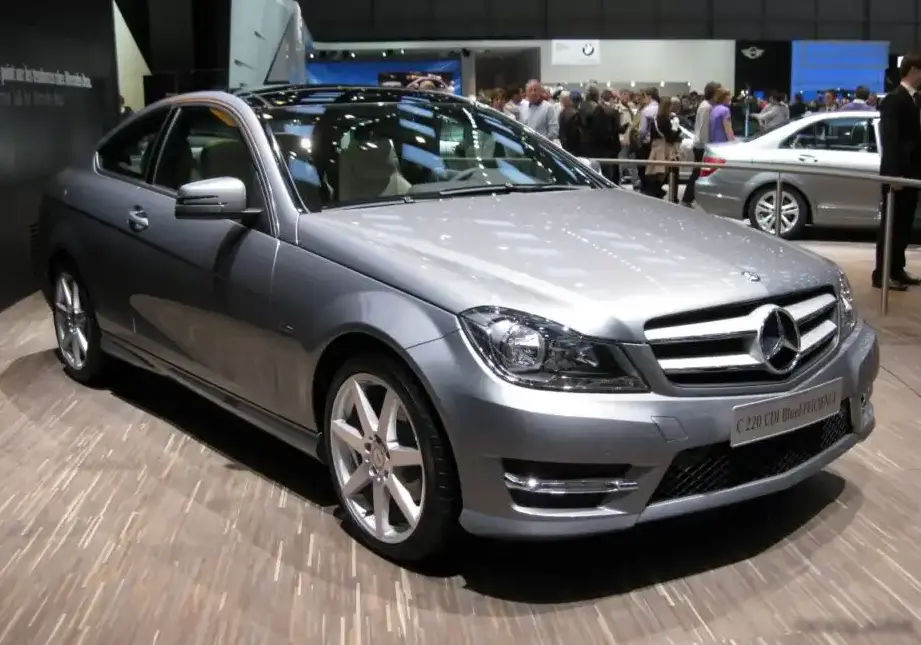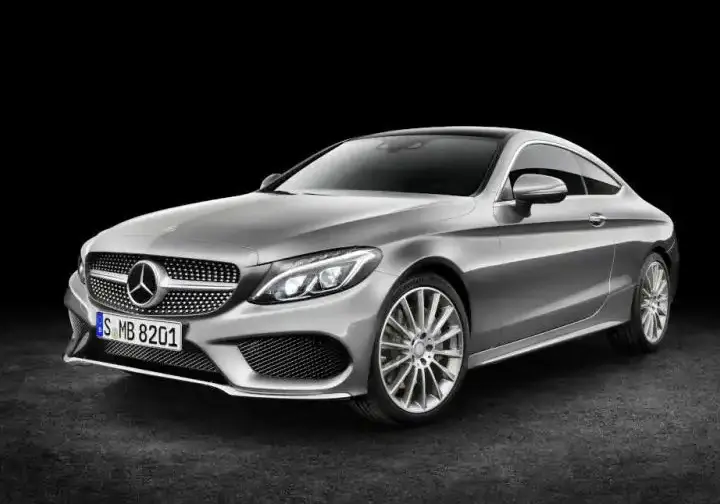
The Mercedes-Benz C 200 Coupe (C205), produced from 2015 to 2018, represented the entry point into the C-Class Coupe range for many buyers. Positioned below the C 300 and AMG variants, the C 200 offered a blend of style, comfort, and efficiency, appealing to those seeking a premium coupe experience without the higher price tag of its more powerful siblings. It was a key model in the W205 C-Class family, sharing its fundamental platform with the sedan but distinguished by its two-door configuration and sportier aesthetic. This variant was primarily marketed in Europe and other regions where smaller displacement, turbocharged engines were favored for their fuel economy and tax benefits.
Technical Specifications
| Brand | Mercedes-Benz |
| Model | C-class |
| Generation | C-class Coupe (C205) |
| Type (Engine) | C 200 (184 Hp) |
| Start of production | 2015 |
| End of production | 2018 |
| Powertrain Architecture | Internal Combustion engine |
| Body type | Coupe |
| Seats | 4 |
| Doors | 2 |
| Fuel consumption (urban) | 7.5-6.8 l/100 km (31.4 – 34.6 US mpg) |
| Fuel consumption (extra urban) | 4.9-4.4 l/100 km (48 – 53.5 US mpg) |
| Fuel consumption (combined) | 5.9-5.3 l/100 km (39.9 – 44.4 US mpg) |
| CO2 emissions | 136-122 g/km |
| Fuel Type | Petrol (Gasoline) |
| Acceleration 0 – 100 km/h | 7.7 sec |
| Acceleration 0 – 62 mph | 7.7 sec |
| Acceleration 0 – 60 mph | 7.3 sec |
| Maximum speed | 237 km/h (147.26 mph) |
| Emission standard | Euro 6 |
| Weight-to-power ratio | 7.8 kg/Hp |
| Weight-to-torque ratio | 4.8 kg/Nm |
| Power | 184 Hp @ 5500 rpm |
| Torque | 300 Nm @ 1200-4000 rpm (221.27 lb.-ft. @ 1200-4000 rpm) |
| Engine layout | Front, Longitudinal |
| Engine Model/Code | M 274.920 |
| Engine displacement | 1991 cm3 (121.5 cu. in.) |
| Number of cylinders | 4 |
| Engine configuration | Inline |
| Compression ratio | 9.8:1 |
| Fuel injection system | Direct injection |
| Engine aspiration | Turbocharger, Intercooler |
| Engine oil capacity | 7 l (7.4 US qt | 6.16 UK qt) |
| Kerb Weight | 1430 kg (3152.61 lbs.) |
| Max. weight | 1985 kg (4376.18 lbs.) |
| Max load | 555 kg (1223.57 lbs.) |
| Trunk (boot) space – minimum | 400 l (14.13 cu. ft.) |
| Fuel tank capacity | 50 l (13.21 US gal | 11 UK gal) |
| Max. roof load | 75 kg (165.35 lbs.) |
| Permitted trailer load with brakes (12%) | 1800 kg (3968.32 lbs.) |
| Permitted trailer load without brakes | 750 kg (1653.47 lbs.) |
| Length | 4686 mm (184.49 in.) |
| Width | 1810 mm (71.26 in.) |
| Width including mirrors | 2016 mm (79.37 in.) |
| Height | 1405 mm (55.31 in.) |
| Wheelbase | 2840 mm (111.81 in.) |
| Front track | 1563 mm (61.54 in.) |
| Rear (Back) track | 1546 mm (60.87 in.) |
| Ride height (ground clearance) | 89 mm (3.5 in.) |
| Minimum turning circle (turning diameter) | 11.22 m (36.81 ft.) |
| Front suspension | Independent multi-link suspension |
| Rear suspension | Independent multi-link suspension |
| Front brakes | Ventilated discs |
| Rear brakes | Disc |
| Drive wheel | Rear wheel drive |
| Number of gears and type of gearbox | 6 gears, manual transmission |
| Tires size | 225/50 R17 |
| Wheel rims size | 17 |
Powertrain & Engine Architecture
The C 200 Coupe was powered by the M274.920 2.0-liter inline-four cylinder engine. This engine was a key component of Mercedes-Benz’s modular engine family, utilizing direct injection and a single turbocharger with an intercooler. The direct injection system, operating at pressures up to 200 bar, ensured precise fuel delivery for optimal combustion and efficiency. The turbocharger provided a significant boost in power output, allowing the relatively small displacement engine to produce 184 horsepower and 300 Nm (221 lb-ft) of torque. The engine’s torque curve was relatively flat, delivering peak torque from 1200 to 4000 rpm, contributing to good responsiveness in everyday driving situations. The engine was paired with a 6-speed manual transmission as standard, although a 9G-TRONIC nine-speed automatic transmission was a popular optional extra. The automatic transmission offered smoother shifts and improved fuel economy, but at the expense of some driver engagement.
Driving Characteristics
The C 200 Coupe, with its 184 hp and rear-wheel drive configuration, offered a comfortable and refined driving experience. Acceleration from 0 to 60 mph took around 7.3 seconds, which was adequate for most drivers but noticeably slower than the C 300 or AMG models. The flat torque curve of the 2.0-liter engine meant that the car felt responsive in everyday driving, with sufficient power for overtaking maneuvers. The manual transmission provided a more engaging driving experience, allowing drivers to control gear selection and maximize engine performance. However, the automatic transmission, while smoother, could sometimes feel hesitant during quick acceleration. The C 200 Coupe’s suspension was tuned for comfort, providing a smooth ride over most road surfaces. However, it wasn’t as sporty or engaging as the suspension found in the higher-performance models.
Equipment & Trim Levels
The C 200 Coupe came standard with a respectable level of equipment, including automatic climate control, a 7-inch infotainment display, Bluetooth connectivity, and a suite of safety features such as ABS, ESP, and multiple airbags. Interior upholstery was typically Artico leather, and trim pieces were available in aluminum or wood finishes. Popular optional extras included a larger infotainment screen, a premium sound system, a panoramic sunroof, and advanced driver-assistance systems such as lane keeping assist and adaptive cruise control. The ‘Sport’ trim package added features such as sport seats, a sport steering wheel, and upgraded exterior styling elements.
Chassis & Braking
The C 200 Coupe utilized a sophisticated chassis design featuring an independent multi-link suspension at both the front and rear. This suspension setup provided a good balance between comfort and handling. The front suspension incorporated ventilated disc brakes, while the rear brakes were solid discs. ABS (Anti-lock Braking System) and ESP (Electronic Stability Program) were standard features, enhancing safety and stability. The steering system was a rack-and-pinion setup, providing precise and responsive steering feel.
Market Reception & Comparison
The C 200 Coupe was generally well-received by automotive critics, who praised its stylish design, comfortable interior, and efficient engine. However, some critics noted that the engine lacked the outright performance of its larger displacement counterparts. Compared to the C 300, the C 200 offered a more affordable entry point into the C-Class Coupe range, but at the expense of performance. Fuel economy was a strong point for the C 200, making it an attractive option for drivers who prioritized efficiency. Reliability was generally good, although some owners reported minor issues with the infotainment system.
Legacy
The M274 engine family, including the 2.0-liter unit found in the C 200 Coupe, has proven to be relatively reliable over the long term. While regular maintenance is essential, these engines are not known for any major inherent flaws. On the used car market, the C 200 Coupe represents a good value proposition for buyers seeking a stylish and comfortable coupe at an affordable price. Its combination of fuel efficiency, reasonable performance, and a well-equipped interior makes it a compelling option in the used luxury coupe segment. The C200 Coupe remains a popular choice for those seeking a premium Mercedes-Benz experience without the higher costs associated with the more powerful models.