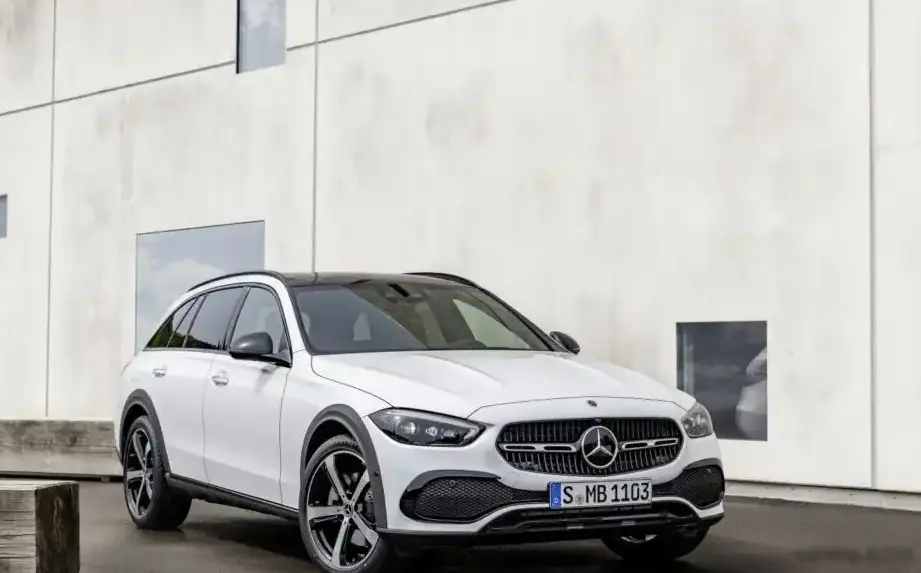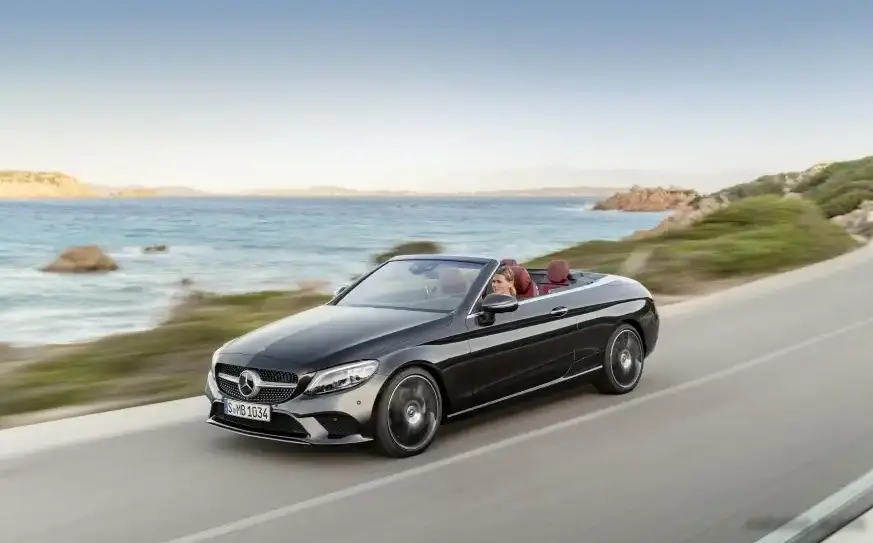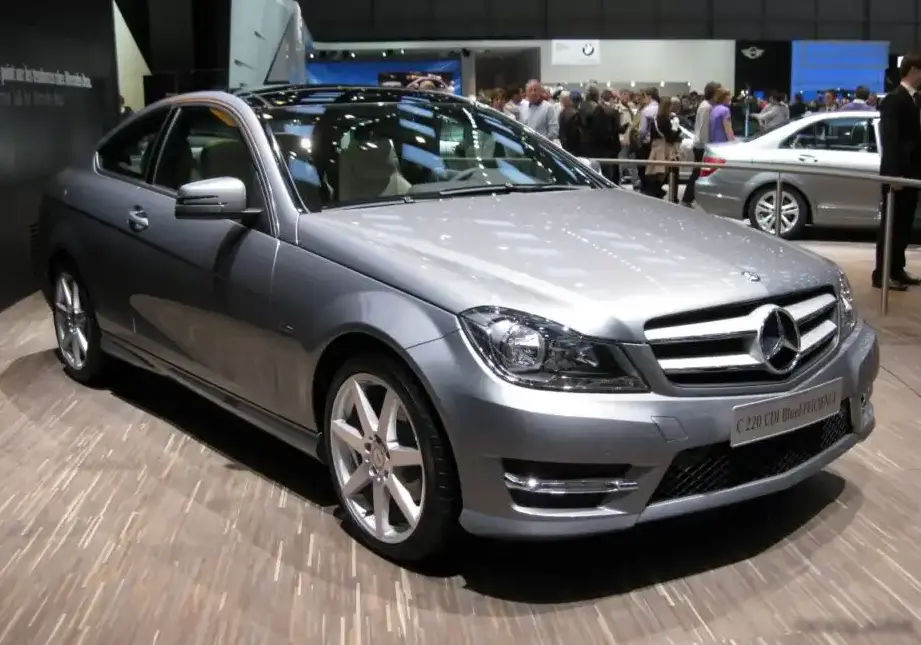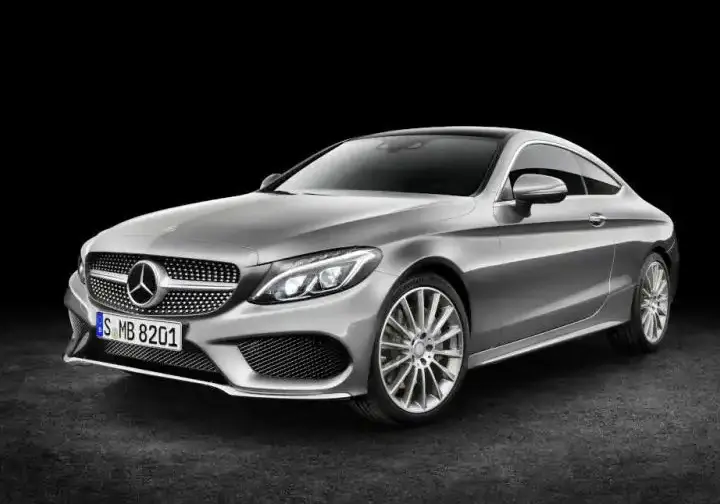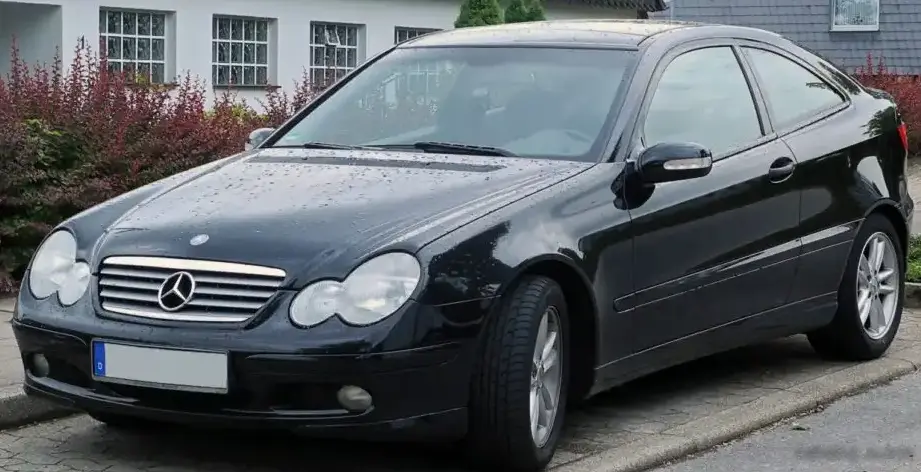
The Mercedes-Benz C-Class Sport Coupe (CL203) C 180 Automatic, produced between December 2000 and June 2002, represented an entry-level offering within the second generation (W203) C-Class coupe range. Positioned as a more affordable and fuel-efficient alternative to the higher-performance C 200 Kompressor and C 320 models, the C 180 Automatic targeted buyers seeking a stylish, compact coupe with the prestige of the Mercedes-Benz badge. It was a key component of Mercedes’ strategy to broaden the appeal of the C-Class, offering a more accessible price point within the burgeoning sports coupe segment. The CL203 chassis, shared with the sedan and wagon variants, provided a solid foundation for the coupe’s sporty character.
Technical Specifications
| Brand | Mercedes-Benz |
| Model | C-class |
| Generation | C-class Sport Coupe (CL203) |
| Type (Engine) | C 180 (129 Hp) Automatic |
| Start of production | December, 2000 |
| End of production | June, 2002 |
| Powertrain Architecture | Internal Combustion engine |
| Body type | Coupe |
| Seats | 4 |
| Doors | 3 |
| Fuel consumption (economy) – urban (NEDC) | 13.6 l/100 km (17.3 US mpg, 20.8 UK mpg, 7.4 km/l) |
| Fuel consumption (economy) – extra urban (NEDC) | 7.4 l/100 km (31.8 US mpg, 38.2 UK mpg, 13.5 km/l) |
| Fuel consumption (economy) – combined (NEDC) | 9.5 l/100 km (24.8 US mpg, 29.7 UK mpg, 10.5 km/l) |
| CO2 emissions (NEDC) | 227 g/km |
| Fuel Type | Petrol (Gasoline) |
| Acceleration 0 – 100 km/h | 11.6 sec |
| Acceleration 0 – 62 mph | 11.6 sec |
| Acceleration 0 – 60 mph | 11 sec |
| Maximum speed | 207 km/h (128.62 mph) |
| Emission standard | Euro D4 |
| Weight-to-power ratio | 10.6 kg/Hp, 94.2 Hp/tonne |
| Weight-to-torque ratio | 7.2 kg/Nm, 138.7 Nm/tonne |
| Power | 129 Hp @ 5300 rpm |
| Power per litre | 64.6 Hp/l |
| Torque | 190 Nm @ 4000 rpm (140.14 lb.-ft. @ 4000 rpm) |
| Engine layout | Front, Longitudinal |
| Engine Model/Code | M 111.951 |
| Engine displacement | 1998 cm3 (121.93 cu. in.) |
| Number of cylinders | 4 |
| Engine configuration | Inline |
| Cylinder Bore | 89.9 mm (3.54 in.) |
| Piston Stroke | 78.7 mm (3.1 in.) |
| Compression ratio | 10.6:1 |
| Number of valves per cylinder | 4 |
| Fuel injection system | Multi-port manifold injection |
| Engine aspiration | Naturally aspirated engine |
| Valvetrain | DOHC |
| Engine oil capacity | 7 l (7.4 US qt | 6.16 UK qt) |
| Coolant | 8 l (8.45 US qt | 7.04 UK qt) |
| Kerb Weight | 1370 kg (3020.33 lbs.) |
| Max. weight | 1870 kg (4122.64 lbs.) |
| Max load | 500 kg (1102.31 lbs.) |
| Trunk (boot) space – minimum | 310 l (10.95 cu. ft.) |
| Trunk (boot) space – maximum | 1100 l (38.85 cu. ft.) |
| Fuel tank capacity | 62 l (16.38 US gal | 13.64 UK gal) |
| Max. roof load | 100 kg (220.46 lbs.) |
| Permitted trailer load with brakes (12%) | 1200 kg (2645.55 lbs.) |
| Permitted trailer load without brakes | 720 kg (1587.33 lbs.) |
| Length | 4343 mm (170.98 in.) |
| Width | 1728 mm (68.03 in.) |
| Width including mirrors | 1960 mm (77.17 in.) |
| Height | 1406 mm (55.35 in.) |
| Wheelbase | 2715 mm (106.89 in.) |
| Front track | 1493 mm (58.78 in.) |
| Rear (Back) track | 1464 mm (57.64 in.) |
| Front overhang | 788 mm (31.02 in.) |
| Rear overhang | 840 mm (33.07 in.) |
| Drag coefficient (Cd) | 0.29 |
| Minimum turning circle (turning diameter) | 10.76 m (35.3 ft.) |
| Drivetrain Architecture | The Internal combustion engine (ICE) drives the rear wheels of the vehicle. |
| Drive wheel | Rear wheel drive |
| Number of gears and type of gearbox | 5 gears, automatic transmission |
| Front suspension | Independent type McPherson, Transverse stabilizer |
| Rear suspension | Independent multi-link suspension, Transverse stabilizer |
| Front brakes | Ventilated discs |
| Rear brakes | Disc |
| Assisting systems | ABS (Anti-lock braking system) |
| Steering type | Steering rack and pinion |
| Power steering | Hydraulic Steering |
| Tires size | 205/55 R 16 91 H |
| Wheel rims size | 7 J x 16 H 2 |
Powertrain & Engine Architecture
The C 180 Automatic was powered by the M111.951 1.998-liter inline-four cylinder engine. This engine, a mainstay of the Mercedes-Benz lineup during the late 1990s and early 2000s, featured a cast iron block and aluminum cylinder head. It employed multi-port fuel injection and a double overhead camshaft (DOHC) valvetrain with four valves per cylinder. The engine’s design prioritized refinement and fuel efficiency over outright performance. The engine produced 129 horsepower at 5300 rpm and 190 Nm (140 lb-ft) of torque at 4000 rpm. The engine was mated to a five-speed automatic transmission, a common choice for buyers prioritizing ease of use over driver engagement. This transmission was known for its smooth shifts, but wasn’t particularly quick or sporty in its operation.
Driving Characteristics
The C 180 Automatic offered a comfortable, yet uninspiring, driving experience. Acceleration from 0-60 mph took approximately 11 seconds, making it noticeably slower than the C 200 Kompressor or C 320. The automatic transmission, while smooth, contributed to a feeling of lethargy, particularly during overtaking maneuvers. The gear ratios were tuned for fuel economy rather than performance. Compared to the available manual transmission, the automatic resulted in a slight power loss and reduced responsiveness. However, the C 180’s relatively light weight and well-tuned suspension provided decent handling characteristics, making it enjoyable to drive on winding roads, albeit at a more moderate pace.
Equipment & Trim Levels
The C 180 Automatic typically came standard with features such as air conditioning, power windows, central locking, and an audio system. Interior upholstery was generally cloth, although leather options were available. Standard dashboard trim was typically wood or aluminum. Optional extras included a sunroof, upgraded audio systems, heated seats, and automatic climate control. The C 180 was positioned as the entry point to the C-Class coupe range, so it lacked some of the more luxurious features found on higher-trim models.
Chassis & Braking
The CL203 chassis featured an independent McPherson strut front suspension and an independent multi-link rear suspension. This setup provided a good balance of ride comfort and handling. The C 180 Automatic was equipped with ventilated disc brakes at the front and solid disc brakes at the rear. Anti-lock Braking System (ABS) was standard. The suspension was tuned to provide a comfortable ride, with stabilizer bars helping to reduce body roll during cornering. The steering was hydraulic power-assisted rack and pinion, offering reasonable precision and feedback.
Market Reception & Comparison
The C 180 Automatic received mixed reviews from automotive critics. While praised for its comfort, refinement, and fuel efficiency, it was often criticized for its lack of performance. Compared to the C 200 Kompressor, the C 180 felt significantly underpowered. However, the C 180 offered a more affordable entry point into the C-Class coupe range, making it attractive to buyers on a budget. Fuel economy was a strong point, with combined fuel consumption averaging around 24.8 US mpg. Reliability was generally good, although the automatic transmission could be prone to issues if not properly maintained.
Legacy
The Mercedes-Benz C-Class Sport Coupe (CL203) C 180 Automatic, while not the most exciting variant in the lineup, remains a popular choice in the used car market. Its affordability, combined with the prestige of the Mercedes-Benz brand, makes it an attractive option for buyers seeking a stylish and reliable coupe. The M111 engine is known for its durability, and with regular maintenance, can provide many years of trouble-free service. However, potential buyers should be aware of the potential for automatic transmission issues and ensure that the vehicle has been properly maintained. Today, these coupes are increasingly sought after by enthusiasts and collectors, representing a relatively affordable entry point into classic Mercedes-Benz ownership.