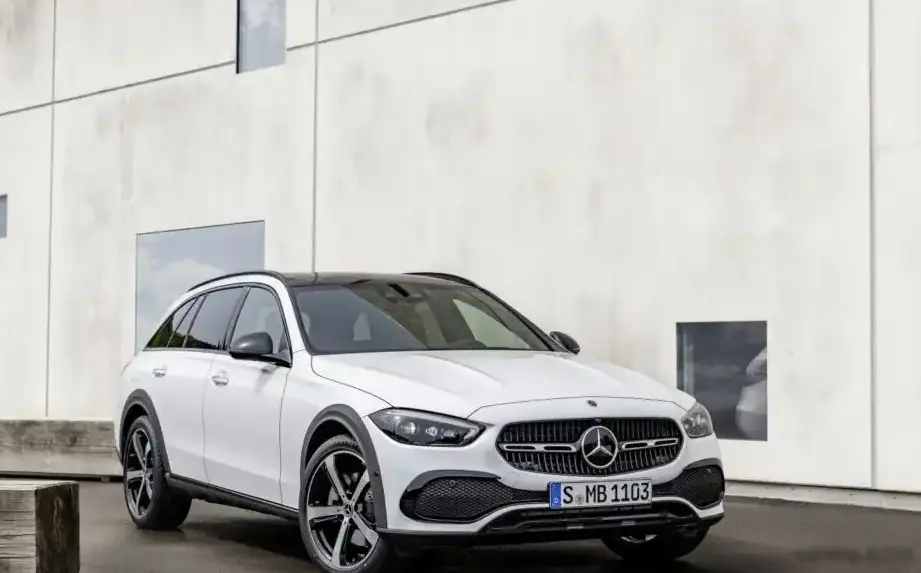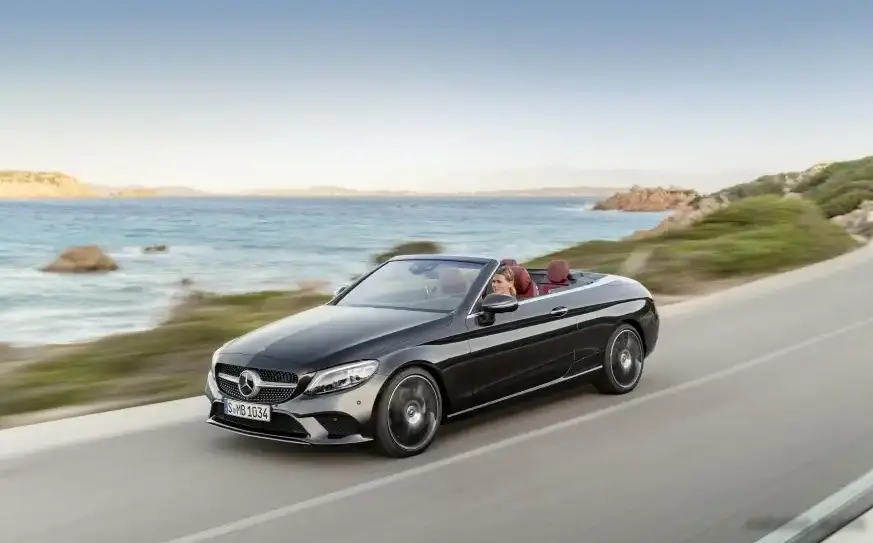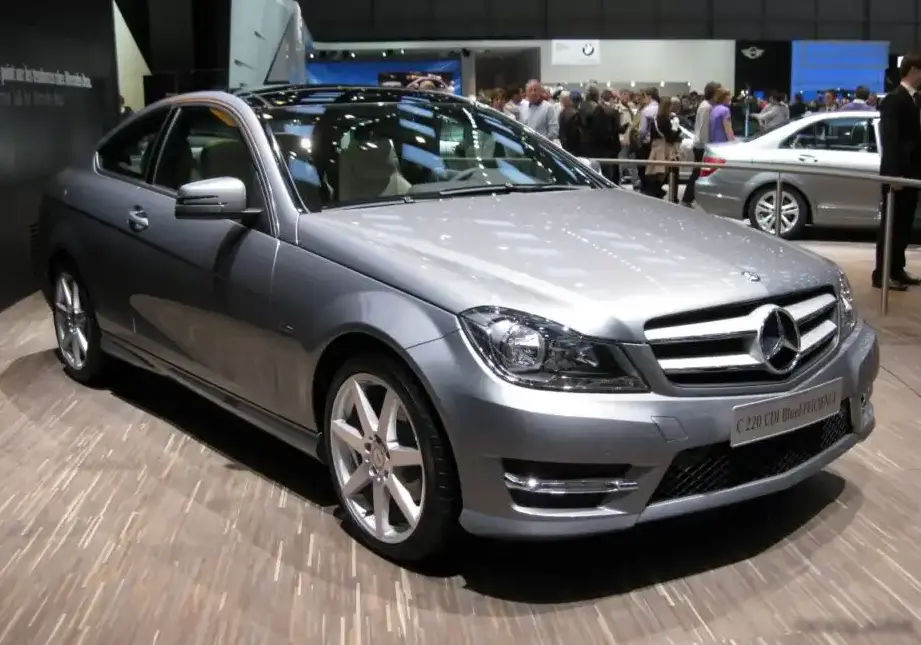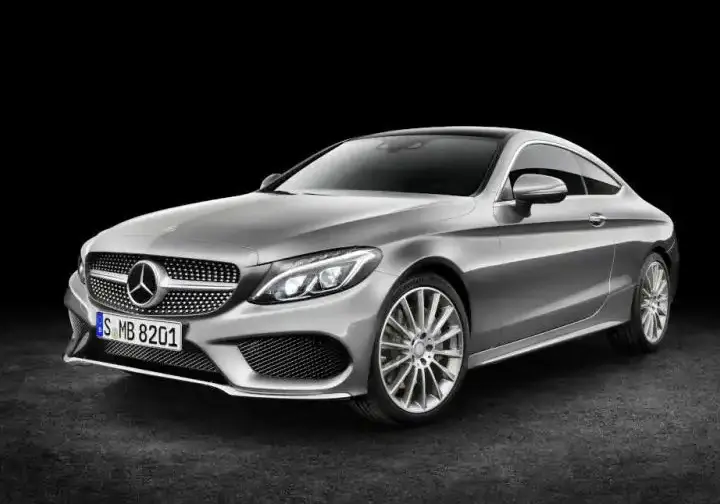
The Mercedes-Benz C-Class T-modell (S202) C 200 Kompressor was a station wagon variant produced between September 1996 and June 1997. It represented a compelling blend of practicality and performance within the broader S202 C-Class range, which itself was the first wagon version of the C-Class. Positioned as a mid-range offering, the C 200 Kompressor aimed to provide a more engaging driving experience than the base models while remaining more accessible than the higher-performance C 280 or C 36 AMG. This model was primarily sold in the European market, where the demand for practical, yet premium, estate cars was strong.
Technical Specifications
| Brand | Mercedes-Benz |
| Model | C-Class |
| Generation | C-Class T-modell (S202) |
| Type (Engine) | C 200 Kompressor (192 Hp) |
| Start of production | September, 1996 |
| End of production | June, 1997 |
| Powertrain Architecture | Internal Combustion engine |
| Body type | Station wagon (estate) |
| Seats | 5 |
| Doors | 5 |
| Fuel consumption (urban) | 10.6 l/100 km (22.2 US mpg) |
| Fuel consumption (extra urban) | 6 l/100 km (39.2 US mpg) |
| Fuel Type | Petrol (Gasoline) |
| Acceleration 0 – 100 km/h | 8.4 sec |
| Acceleration 0 – 62 mph | 8.4 sec |
| Acceleration 0 – 60 mph | 8 sec |
| Maximum speed | 223 km/h (138.57 mph) |
| Weight-to-power ratio | 7.6 kg/Hp |
| Weight-to-torque ratio | 5.4 kg/Nm |
| Power | 192 Hp @ 5300 rpm |
| Torque | 270 Nm @ 2500-4800 rpm (199.14 lb.-ft.) |
| Engine layout | Front, Longitudinal |
| Engine Model/Code | M 111 E 20 ML/111.944 |
| Engine displacement | 1998 cm3 (121.93 cu. in.) |
| Number of cylinders | 4 |
| Engine configuration | Inline |
| Cylinder Bore | 89.9 mm (3.54 in.) |
| Piston Stroke | 78.7 mm (3.1 in.) |
| Compression ratio | 8.5:1 |
| Number of valves per cylinder | 4 |
| Fuel injection system | Multi-port manifold injection |
| Engine aspiration | Supercharger, Intercooler |
| Valvetrain | DOHC |
| Engine oil capacity | 5.5 l (5.81 US qt | 4.84 UK qt) |
| Coolant | 8.5 l (8.98 US qt | 7.48 UK qt) |
| Kerb Weight | 1465 kg (3229.77 lbs.) |
| Max. weight | 1945 kg (4287.99 lbs.) |
| Max load | 480 kg (1058.22 lbs.) |
| Trunk (boot) space – minimum | 465 l (16.42 cu. ft.) |
| Trunk (boot) space – maximum | 1510 l (53.33 cu. ft.) |
| Fuel tank capacity | 62 l (16.38 US gal | 13.64 UK gal) |
| Length | 4487 mm (176.65 in.) |
| Width | 1720 mm (67.72 in.) |
| Height | 1460 mm (57.48 in.) |
| Wheelbase | 2690 mm (105.91 in.) |
| Front track | 1499 mm (59.02 in.) |
| Rear (Back) track | 1464 mm (57.64 in.) |
| Drivetrain Architecture | Rear wheel drive |
| Number of gears and type of gearbox | 5 gears, manual transmission |
| Front suspension | Double wishbone |
| Rear suspension | Independent multi-link suspension |
| Front brakes | Ventilated discs |
| Rear brakes | Disc |
| Assisting systems | ABS (Anti-lock braking system) |
| Steering type | Cone worm with recirculation balls |
| Power steering | Hydraulic Steering |
| Tires size | 195/65 R15 |
| Wheel rims size | 6.5J x 15 |
Powertrain & Engine Architecture
The heart of the C 200 Kompressor was the M111 E 20 ML engine, a 1.998-liter inline-four cylinder powerplant. This engine was notable for its use of a mechanically driven supercharger (Kompressor in Mercedes terminology) and an intercooler. The supercharger provided instant boost, mitigating turbo lag and delivering a more linear power delivery. The engine utilized multi-port fuel injection and a double overhead camshaft (DOHC) valvetrain with four valves per cylinder. The engine code 111.944 specifically denotes this supercharged variant. The five-speed manual transmission was standard, offering precise gear changes and contributing to the car’s engaging driving dynamics. The engine produced 192 horsepower at 5300 rpm and 270 Nm (199 lb-ft) of torque between 2500 and 4800 rpm.
Driving Characteristics
The C 200 Kompressor offered a noticeably more spirited driving experience compared to the base C 180 or C 220 models. The supercharger provided strong low-end and mid-range acceleration, making it well-suited for everyday driving and overtaking maneuvers. While not a sports car, the C 200 Kompressor felt responsive and capable. The five-speed manual transmission allowed drivers to fully exploit the engine’s powerband. The rear-wheel-drive configuration contributed to a balanced feel, although it could be less forgiving in slippery conditions compared to front-wheel-drive alternatives. The gear ratios were tuned for a balance of acceleration and fuel efficiency, prioritizing usability over outright performance.
Equipment & Trim Levels
The C 200 Kompressor T-modell typically came equipped with features such as power windows, central locking, and an upgraded audio system compared to the base models. Interior upholstery was generally cloth, although leather options were available. Standard dashboard configuration included analog gauges and a simple, functional layout. Optional extras included automatic climate control, sunroof, and upgraded sound systems. The T-modell designation itself added the practicality of a large cargo area, with a split-folding rear seat for increased versatility. The interior trim was generally focused on comfort and practicality, reflecting the car’s positioning as a premium family vehicle.
Chassis & Braking
The S202 C-Class utilized a double wishbone front suspension and an independent multi-link rear suspension, providing a comfortable ride and good handling characteristics. The C 200 Kompressor was equipped with ventilated disc brakes at the front and solid disc brakes at the rear. Anti-lock Braking System (ABS) was standard, enhancing safety and control during hard braking. The steering was a recirculating ball system with hydraulic power assistance, offering a good balance of feel and ease of use. Stabilizer bars were fitted front and rear to reduce body roll during cornering.
Market Reception & Comparison
The C 200 Kompressor T-modell was generally well-received by automotive critics. It was praised for its strong engine performance, comfortable ride, and practical wagon body style. Compared to the naturally aspirated C 220, the C 200 Kompressor offered a significant performance boost. Fuel economy was reasonable for a car of its class, although it was not as efficient as the smaller-engined models. Reliability was generally good, although the supercharger system required periodic maintenance. The C 200 Kompressor offered a compelling alternative to rivals such as the BMW 3 Series Touring and Audi A4 Avant.
Legacy
The M111 engine family, including the 1.8L and 2.0L Kompressor variants, proved to be relatively durable and reliable. The C 200 Kompressor T-modell remains a sought-after classic among Mercedes-Benz enthusiasts. While not as iconic as some of the higher-performance AMG models, it represents a well-engineered and practical wagon that offers a rewarding driving experience. In the used car market, well-maintained examples command a premium, reflecting their desirability and relative scarcity. The supercharged engine, while requiring some maintenance, provides a unique character and performance that sets it apart from other C-Class variants.