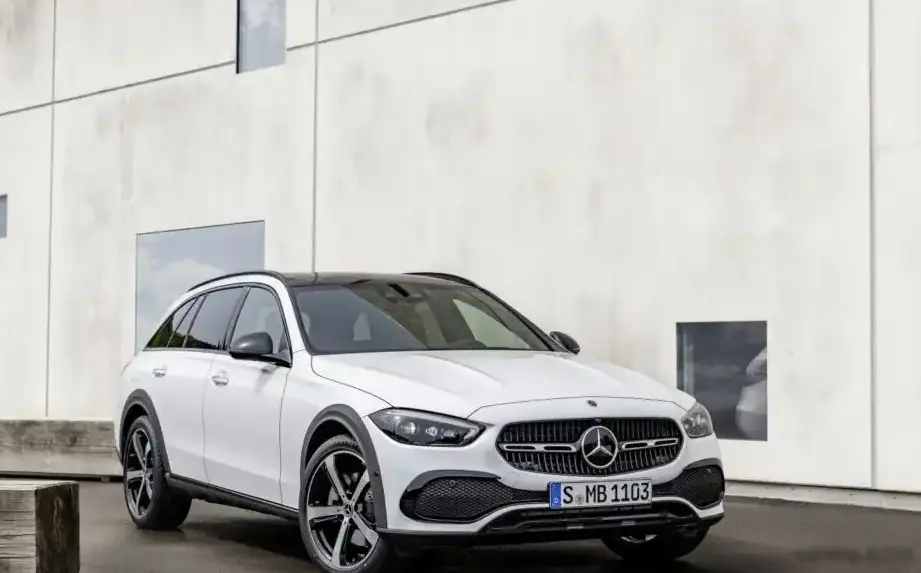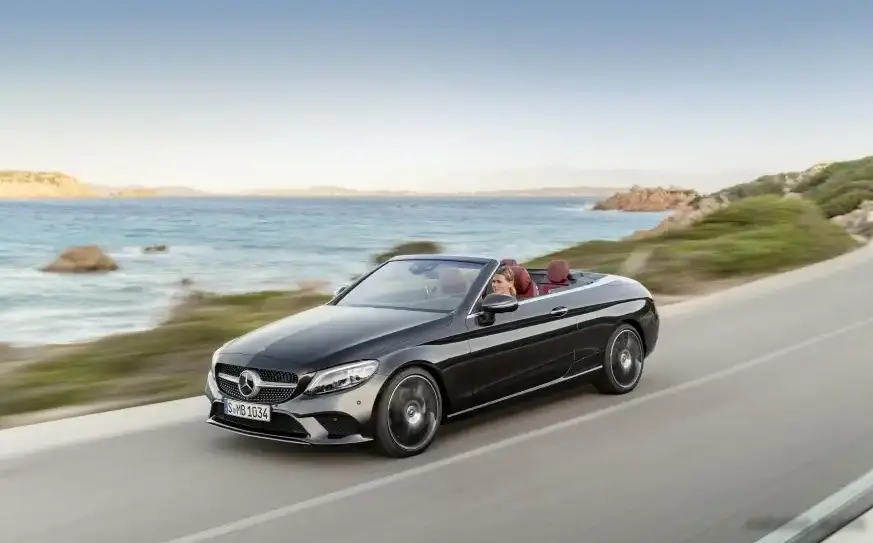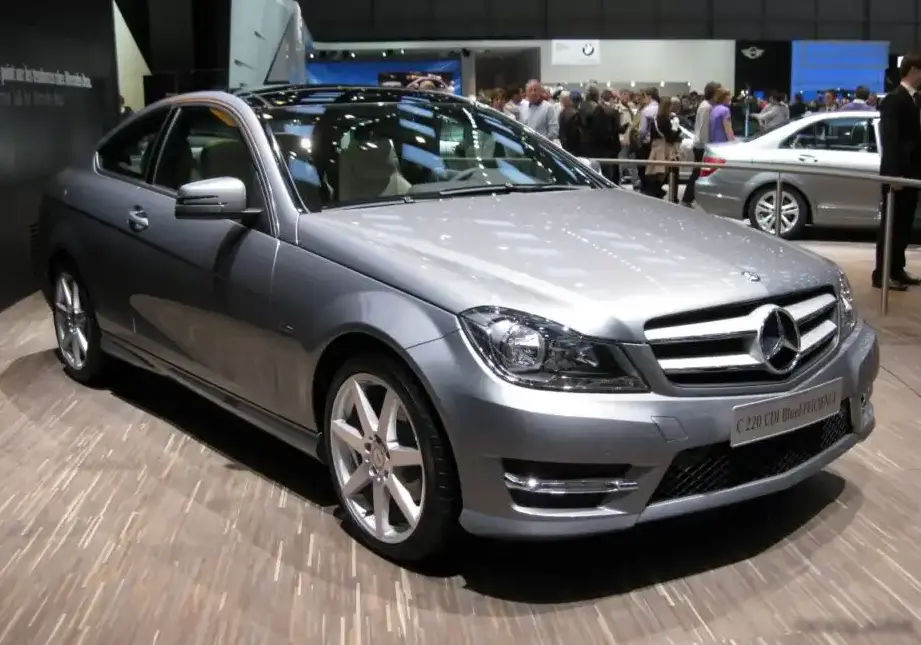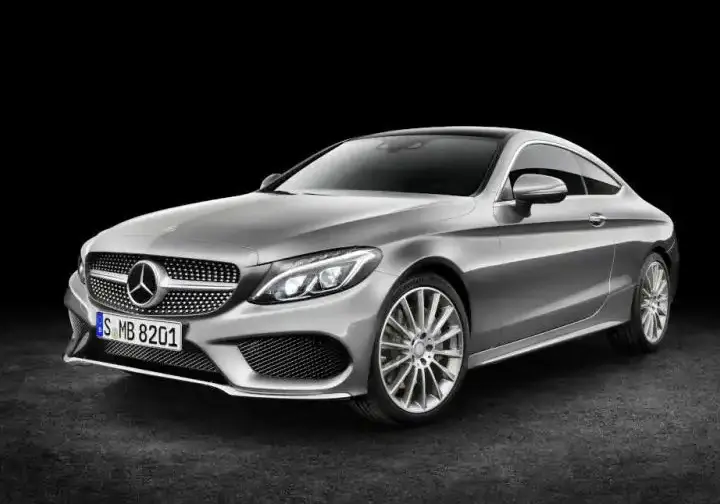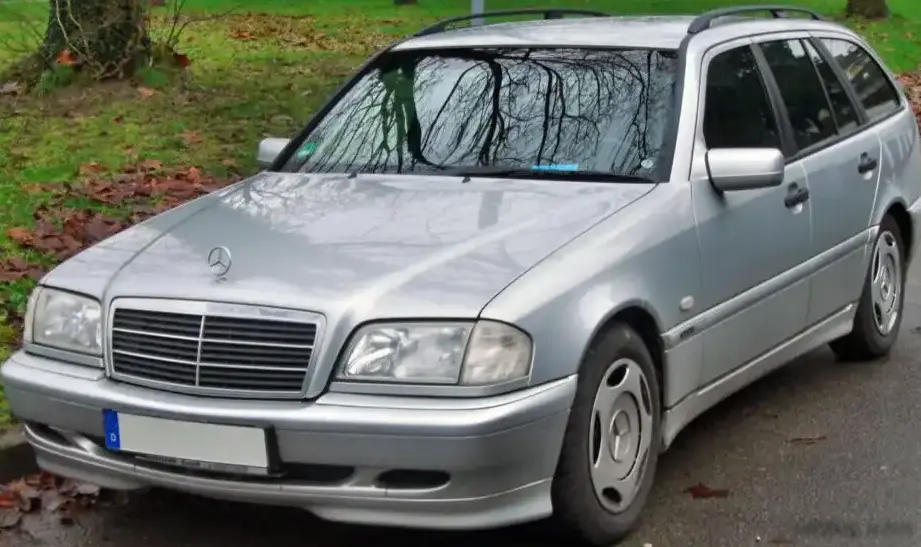
The Mercedes-Benz C-Class T-modell C 180 2.0 (129 hp) with the 5G-TRONIC automatic transmission, produced from June 2000 to January 2001, represents a key variant within the S202 facelifted generation of the C-Class estate. This model aimed to provide a balance of practicality, comfort, and affordability within the C-Class range. It occupied a mid-range position, offering a step up from the base C 160 while remaining more accessible than the higher-performance C 200 Kompressor or C 230 Kompressor models. The S202 series, introduced in 1996, was Mercedes-Benz’s first entry into the compact executive estate market, and the C 180 Automatic played a significant role in establishing the model’s popularity.
| Brand | Mercedes-Benz |
| Model | C-Class |
| Generation | C-Class T-modell (S202, facelift 1997) |
| Type (Engine) | C 180 2.0 (129 Hp) 5G-TRONIC |
| Start of production | June, 2000 |
| End of production | January, 2001 |
| Powertrain Architecture | Internal Combustion engine |
| Body type | Station wagon (estate) |
| Seats | 5 |
| Doors | 5 |
| Fuel consumption (urban) | 13.2 l/100 km (17.8 US mpg, 21.4 UK mpg) |
| Fuel consumption (extra urban) | 7.2 l/100 km (32.7 US mpg, 39.2 UK mpg) |
| Fuel consumption (combined) | 9.4 l/100 km (25 US mpg, 30.1 UK mpg) |
| Fuel Type | Petrol (Gasoline) |
| Acceleration 0 – 100 km/h | 12.3 sec |
| Acceleration 0 – 62 mph | 12.3 sec |
| Acceleration 0 – 60 mph | 11.7 sec |
| Maximum speed | 198 km/h (123.03 mph) |
| Weight-to-power ratio | 11.2 kg/Hp |
| Weight-to-torque ratio | 7.6 kg/Nm |
| Power | 129 Hp @ 5300 rpm |
| Torque | 190 Nm @ 4000 rpm (140.14 lb.-ft. @ 4000 rpm) |
| Engine layout | Front, Longitudinal |
| Engine Model/Code | M 111 E 20 EVO / 111.952 |
| Engine displacement | 1998 cm3 (121.93 cu. in.) |
| Number of cylinders | 4 |
| Engine configuration | Inline |
| Cylinder Bore | 89.9 mm (3.54 in.) |
| Piston Stroke | 78.7 mm (3.1 in.) |
| Compression ratio | 10.6:1 |
| Number of valves per cylinder | 4 |
| Fuel injection system | Multi-port manifold injection |
| Engine aspiration | Naturally aspirated engine |
| Valvetrain | DOHC |
| Engine oil capacity | 5.5 l (5.81 US qt | 4.84 UK qt) |
| Coolant capacity | 8.5 l (8.98 US qt | 7.48 UK qt) |
| Kerb Weight | 1440 kg (3174.66 lbs.) |
| Max. weight | 1950 kg (4299.01 lbs.) |
| Max load | 510 kg (1124.36 lbs.) |
| Fuel tank capacity | 62 l (16.38 US gal | 13.64 UK gal) |
| Length | 4516 mm (177.8 in.) |
| Width | 1723 mm (67.83 in.) |
| Height | 1460 mm (57.48 in.) |
| Wheelbase | 2690 mm (105.91 in.) |
| Front track | 1499 mm (59.02 in.) |
| Rear track | 1464 mm (57.64 in.) |
| Drivetrain Architecture | Rear wheel drive |
| Number of gears | 5 |
| Gearbox type | Automatic transmission 5G-TRONIC |
| Front suspension | Double wishbone |
| Rear suspension | Independent multi-link spring suspension with stabilizer |
| Front brakes | Disc |
| Rear brakes | Disc |
| Assisting systems | ABS (Anti-lock braking system) |
| Steering type | Cone worm with recirculation balls |
| Power steering | Hydraulic Steering |
| Tires size | 195/65 R15 |
| Wheel rims size | 6.5J x 15 |
Powertrain & Engine Architecture
The C 180 T-modell utilized the M111 E 20 EVO engine, a 1.998-liter inline-four cylinder powerplant. This engine, identifiable by its code 111.952, was a naturally aspirated unit featuring multi-port fuel injection and a double overhead camshaft (DOHC) valvetrain. The M111 engine family was known for its relatively smooth operation and durability. The 5G-TRONIC transmission, a five-speed automatic gearbox, was a key component of this variant. This transmission offered smooth shifts and contributed to the car’s comfortable driving experience. The 5G-TRONIC was a significant upgrade over earlier Mercedes-Benz automatic transmissions, offering improved efficiency and responsiveness. The engine’s 10.6:1 compression ratio and carefully tuned intake and exhaust systems helped it produce 129 horsepower at 5300 rpm and 190 Nm (140 lb-ft) of torque at 4000 rpm.
Driving Characteristics
The C 180 Automatic offered a comfortable and refined driving experience, prioritizing ease of use over outright performance. Acceleration from 0 to 60 mph took approximately 11.7 seconds, and the top speed was around 123 mph. Compared to the manual transmission version of the C 180, the automatic offered slightly slower acceleration due to the inherent power losses within the torque converter. However, the automatic’s smooth shifting and relaxed cruising ability made it a popular choice for drivers prioritizing comfort. Compared to the more powerful C 200 Kompressor, the C 180 felt noticeably less responsive, particularly during overtaking maneuvers. The 5G-TRONIC transmission’s gear ratios were optimized for fuel efficiency and smooth cruising, rather than aggressive acceleration.
Equipment & Trim Levels
The C 180 T-modell typically came equipped with a respectable level of standard features, including power windows, central locking, and an AM/FM radio. Interior upholstery was generally cloth, although leather options were available as an upgrade. The dashboard layout was typical of Mercedes-Benz at the time, featuring a functional and understated design. Optional extras included a sunroof, upgraded audio systems, automatic climate control, and alloy wheels. The estate body style itself added to the practicality, offering a generous cargo capacity for its class. Safety features such as ABS were standard, reflecting Mercedes-Benz’s commitment to safety.
Chassis & Braking
The S202 C-Class featured a double wishbone front suspension and an independent multi-link rear suspension, providing a comfortable ride and good handling characteristics. The C 180 T-modell was equipped with disc brakes on all four wheels, providing adequate stopping power for its weight class. ABS (Anti-lock Braking System) was standard, enhancing safety during emergency braking situations. The steering was a hydraulic power-assisted system, offering a good balance of feel and assistance. Stabilizer bars were fitted to both the front and rear axles to reduce body roll during cornering.
Market Reception & Comparison
The C 180 Automatic was generally well-received by critics as a practical and comfortable family car. It was praised for its smooth ride, refined interior, and spacious estate body style. However, some reviewers noted that its performance was somewhat underwhelming compared to its rivals, particularly those with more powerful engines. Fuel economy was considered reasonable for its class, averaging around 25 mpg in combined driving. Compared to the C 200 Kompressor, the C 180 offered a lower purchase price but sacrificed performance. The C 180’s reliability was generally good, although regular maintenance was essential to ensure long-term durability.
Legacy
The M111 engine, found in the C 180, is known for its robustness and longevity when properly maintained. Today, well-maintained examples of the C 180 T-modell are becoming increasingly sought after by classic Mercedes-Benz enthusiasts. While not a performance icon, the C 180 Automatic represents a practical and comfortable entry point into the world of Mercedes-Benz ownership. Common issues with these vehicles often relate to age-related wear and tear, such as suspension components, cooling system leaks, and electrical gremlins. However, parts availability remains relatively good, making it a viable option for those seeking a classic Mercedes-Benz estate.