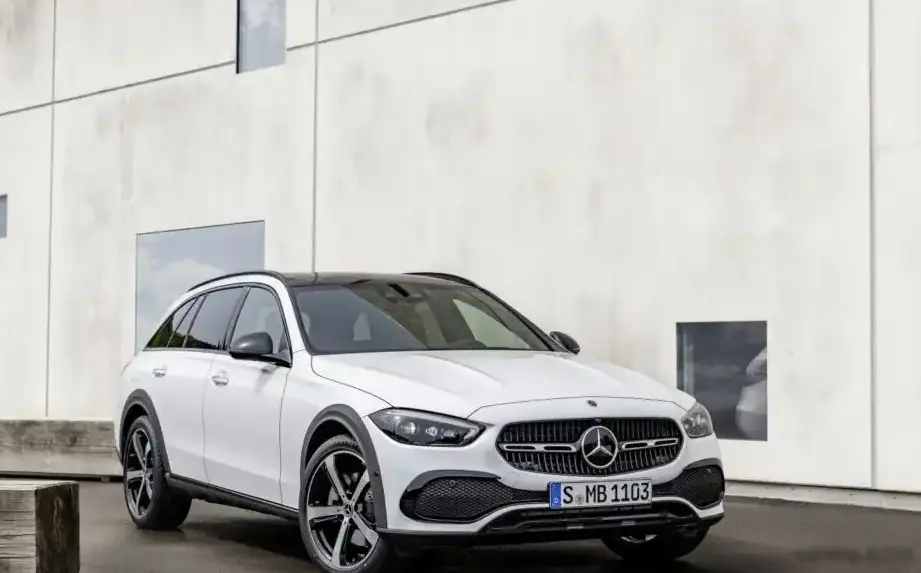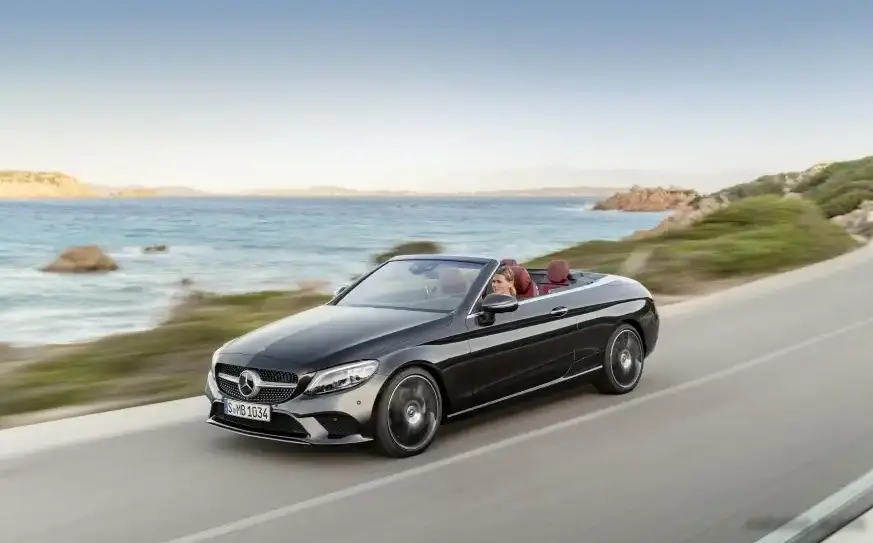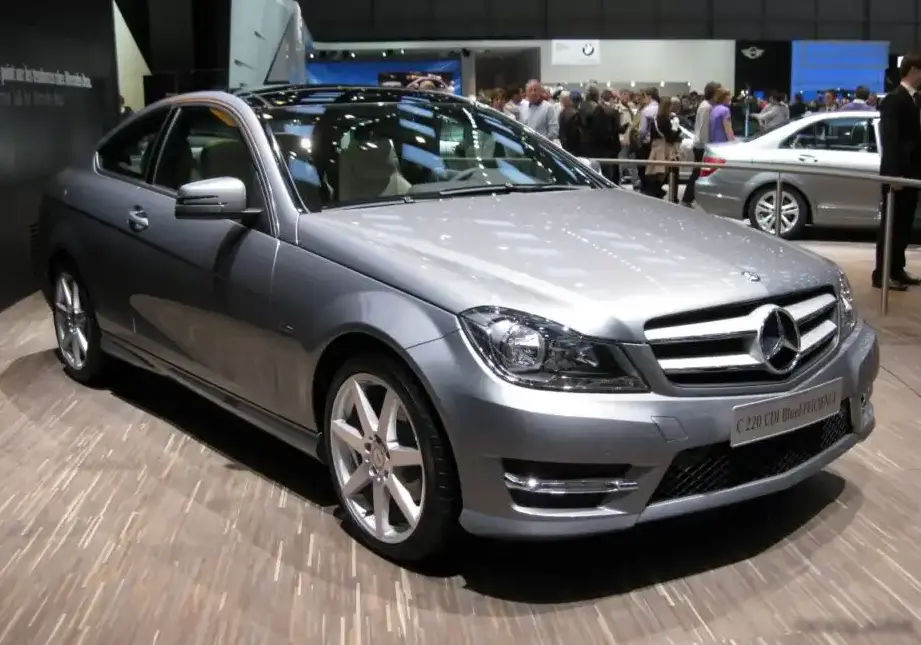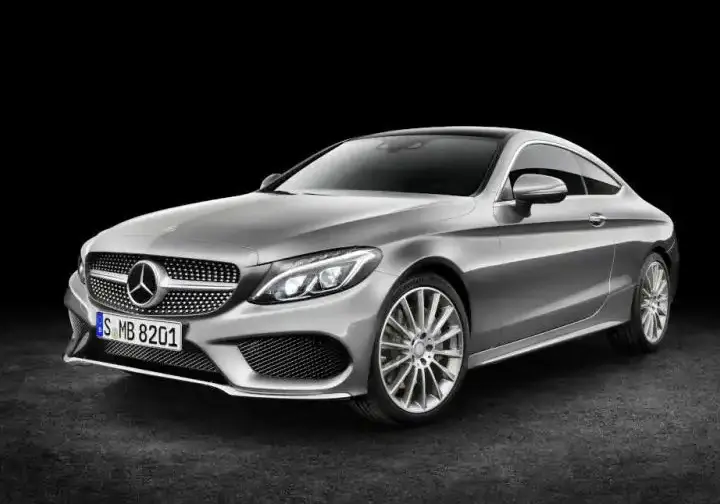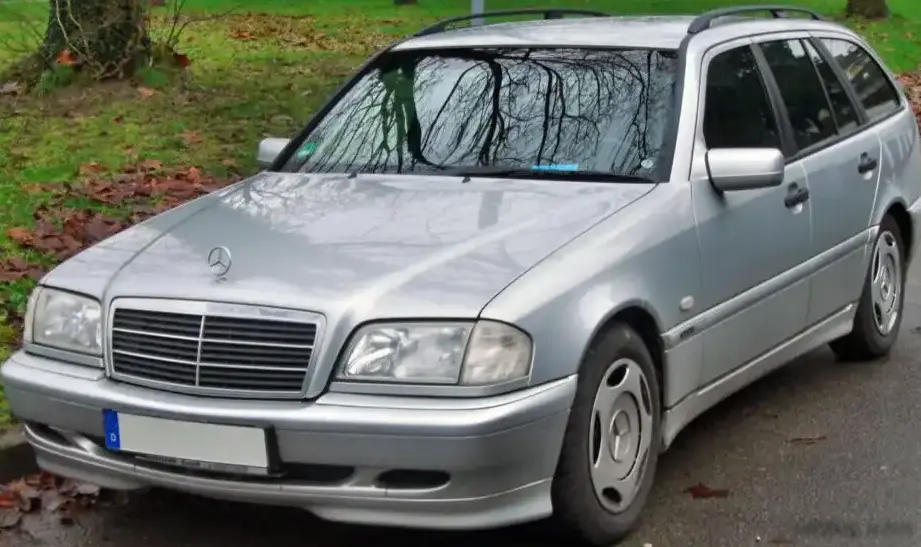
The Mercedes-Benz C-Class T-modell (S202) C 230, equipped with the 5G-TRONIC automatic transmission, was a variant produced between July 1997 and February 1998. This model represented a mid-range offering within the S202 estate lineup, positioned above the C 180 and C 200 but below the more powerful C 280. The S202 series, introduced in 1996, was Mercedes-Benz’s entry into the compact executive estate market, aiming to provide practicality and luxury in a smaller package. The 1997 facelift brought subtle styling revisions and refinements to the range, including updates to the engine management systems and interior trim.
Technical Specifications
| Brand | Mercedes-Benz |
| Model | C-Class |
| Generation | C-Class T-modell (S202, facelift 1997) |
| Type (Engine) | C 230 (150 Hp) 5G-TRONIC |
| Start of production | July, 1997 |
| End of production | February, 1998 |
| Powertrain Architecture | Internal Combustion engine |
| Body type | Station wagon (estate) |
| Seats | 5 |
| Doors | 5 |
| Fuel consumption (urban) | 11 l/100 km (21.4 US mpg) |
| Fuel consumption (extra urban) | 6.4 l/100 km (36.8 US mpg) |
| Fuel Type | Petrol (Gasoline) |
| Acceleration 0 – 100 km/h | 11.3 sec |
| Acceleration 0 – 62 mph | 11.3 sec |
| Acceleration 0 – 60 mph | 10.7 sec |
| Maximum speed | 204 km/h (126.76 mph) |
| Weight-to-power ratio | 9.7 kg/Hp |
| Weight-to-torque ratio | 6.9 kg/Nm |
| Power | 150 Hp @ 5400 rpm |
| Power per litre | 65.4 Hp/l |
| Torque | 210 Nm @ 3700-4500 rpm (154.89 lb.-ft. @ 3700-4500 rpm) |
| Engine layout | Front, Longitudinal |
| Engine Model/Code | M 111 E 23 / 111.974 |
| Engine displacement | 2295 cm3 (140.05 cu. in.) |
| Number of cylinders | 4 |
| Engine configuration | Inline |
| Cylinder Bore | 90.9 mm (3.58 in.) |
| Piston Stroke | 88.4 mm (3.48 in.) |
| Compression ratio | 10.4:1 |
| Number of valves per cylinder | 4 |
| Fuel injection system | Multi-port manifold injection |
| Engine aspiration | Naturally aspirated engine |
| Valvetrain | DOHC |
| Engine oil capacity | 5.5 l (5.81 US qt | 4.84 UK qt) |
| Coolant | 8.5 l (8.98 US qt | 7.48 UK qt) |
| Kerb Weight | 1450 kg (3196.7 lbs.) |
| Max. weight | 1950 kg (4299.01 lbs.) |
| Max load | 500 kg (1102.31 lbs.) |
| Fuel tank capacity | 62 l (16.38 US gal | 13.64 UK gal) |
| Length | 4487 mm (176.65 in.) |
| Width | 1720 mm (67.72 in.) |
| Height | 1460 mm (57.48 in.) |
| Wheelbase | 2690 mm (105.91 in.) |
| Front track | 1499 mm (59.02 in.) |
| Rear track | 1464 mm (57.64 in.) |
| Drivetrain Architecture | Rear wheel drive |
| Drive wheel | Rear wheel drive |
| Number of gears | 5 |
| Gearbox type | automatic transmission 5G-TRONIC |
| Front suspension | Double wishbone |
| Rear suspension | Independent multi-link spring suspension with stabilizer |
| Front brakes | Ventilated discs |
| Rear brakes | Disc |
| Assisting systems | ABS (Anti-lock braking system) |
| Steering type | Cone worm with recirculation balls |
| Power steering | Hydraulic Steering |
| Tires size | 195/65 R15 |
| Wheel rims size | 6.5J x 15 |
Powertrain & Engine Architecture
The C 230 T-modell utilized the M111 E 23 engine, a 2.3-liter inline-four cylinder powerplant. This engine was a key component of Mercedes-Benz’s mid-range offerings during the 1990s. The M111 featured a cast iron block with an aluminum cylinder head, incorporating a double overhead camshaft (DOHC) design with four valves per cylinder. Fuel delivery was managed by a Bosch multi-port fuel injection system, providing precise fuel metering for optimal combustion. The engine code, 111.974, specifically denotes the version equipped for automatic transmission. The 5G-TRONIC transmission, a five-speed automatic, was a significant upgrade over earlier Mercedes-Benz automatics, offering smoother shifts and improved fuel efficiency. It featured electronically controlled hydraulic actuation and adaptive shift programming.
Driving Characteristics
The C 230 T-modell with the 5G-TRONIC transmission offered a comfortable and refined driving experience. While not overtly sporty, the 150 horsepower engine provided adequate performance for everyday driving and highway cruising. Acceleration from 0-60 mph took approximately 10.7 seconds, and the top speed was around 127 mph. The automatic transmission, while smooth, did result in some power loss compared to the available five-speed manual. Gear ratios were optimized for fuel economy and relaxed cruising, rather than aggressive acceleration. Compared to the C 280, the C 230 felt noticeably less powerful, but it offered a better balance between performance and fuel consumption. The automatic transmission also made it more accessible to drivers less comfortable with a manual gearbox.
Equipment & Trim Levels
The C 230 T-modell typically came standard with features such as power windows, power locks, air conditioning, and an AM/FM radio. Upholstery was generally cloth, although leather was available as an option. The dashboard layout was typical of Mercedes-Benz at the time, featuring wood trim and a straightforward instrument cluster. Optional extras included a sunroof, upgraded audio system, automatic climate control, and heated front seats. The estate body style itself added to the practicality, offering a generous cargo area accessible through a rear tailgate.
Chassis & Braking
The S202 C-Class utilized a double wishbone front suspension and an independent multi-link rear suspension, providing a comfortable ride and good handling characteristics. The C 230 T-modell was equipped with ventilated disc brakes at the front and solid disc brakes at the rear. Anti-lock braking system (ABS) was standard, enhancing safety and stability during braking. Stabilizer bars were fitted to both the front and rear axles to reduce body roll during cornering. The suspension was tuned to prioritize comfort over outright sportiness, making it well-suited for long-distance driving.
Market Reception & Comparison
The C 230 T-modell was generally well-received by automotive critics. It was praised for its practicality, comfort, and build quality. However, some reviewers noted that the engine lacked the punch of the C 280, and the automatic transmission could feel somewhat sluggish. Fuel economy was considered good for its class, averaging around 21.4 mpg in the city and 36.8 mpg on the highway. Compared to the C 200, the C 230 offered a noticeable performance upgrade, justifying the higher price tag. Against competitors like the BMW 3 Series Touring and Audi A4 Avant, the C 230 offered a more luxurious and refined experience, albeit at a slightly higher cost.
Legacy
The M111 engine, in general, proved to be a reliable and durable powerplant. The 5G-TRONIC transmission, while complex, also demonstrated good long-term reliability with proper maintenance. Today, the S202 C-Class T-modell C 230 is considered a classic Mercedes-Benz estate. Well-maintained examples are sought after by enthusiasts who appreciate their blend of practicality, luxury, and reliability. Common issues include wear and tear on suspension components and potential leaks in the cooling system. However, parts availability remains relatively good, making it a viable option for those seeking a classic European estate car.