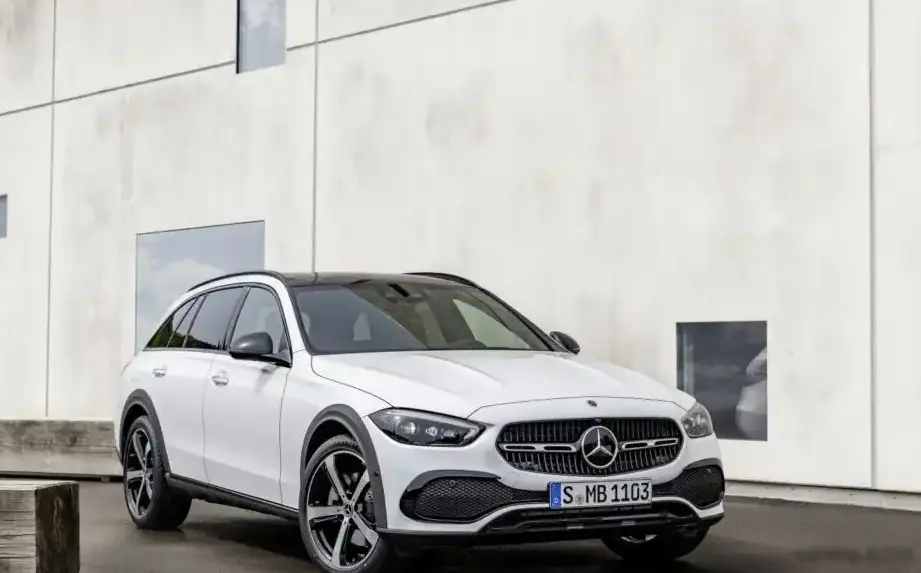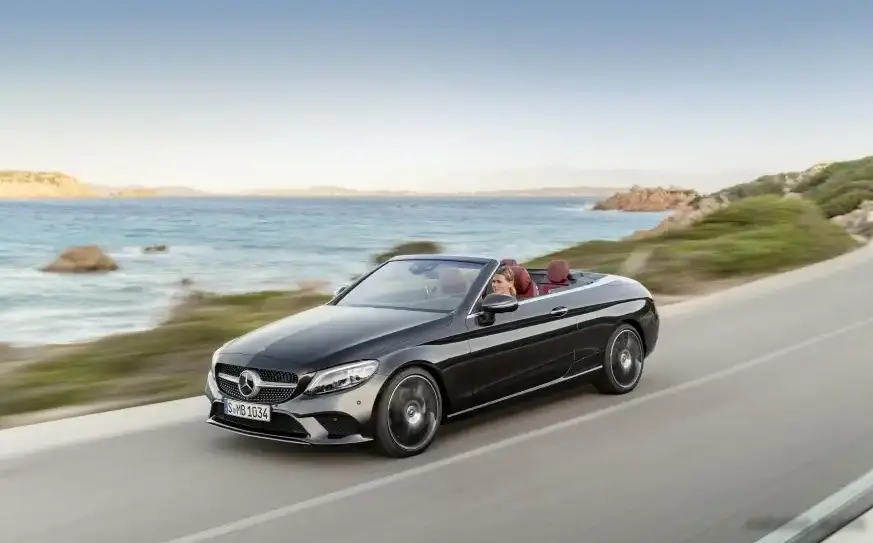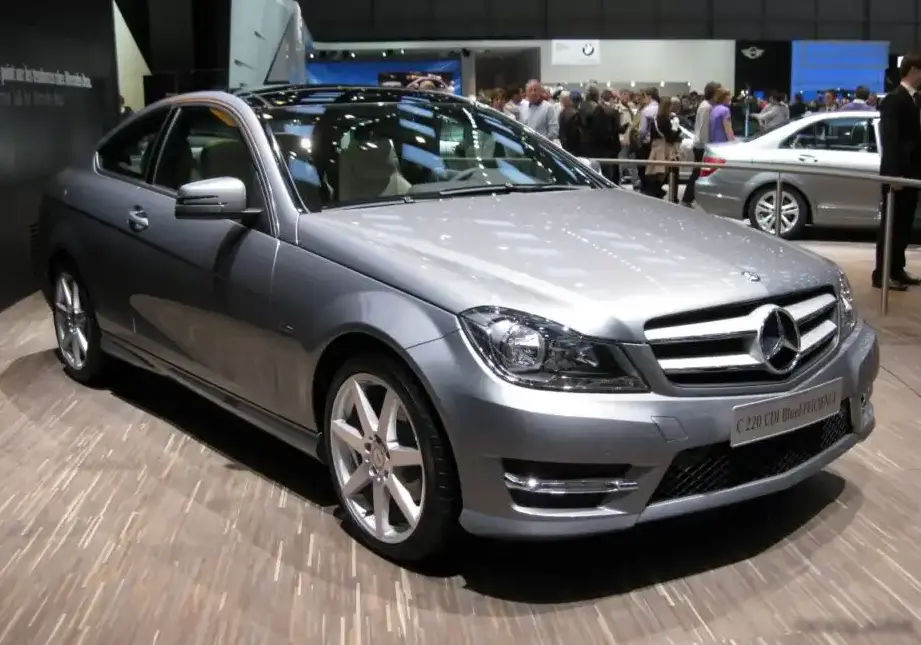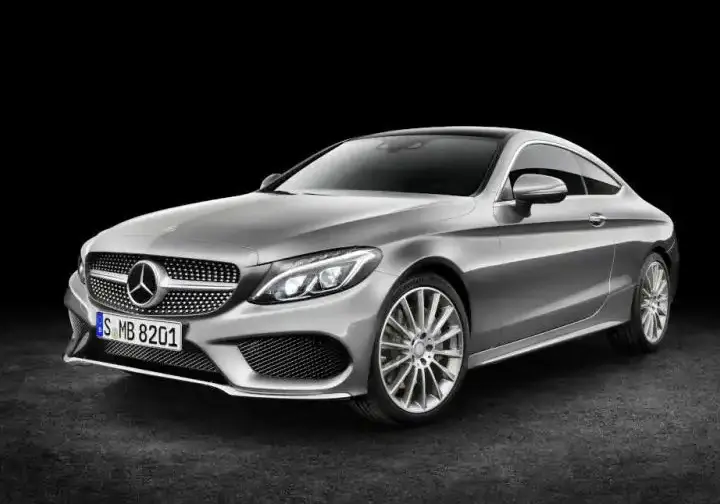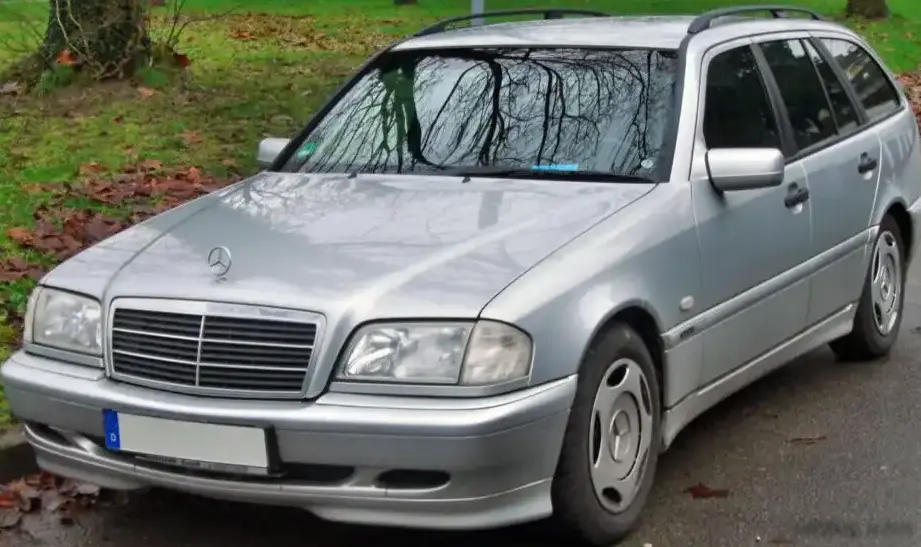
The Mercedes-Benz C-Class T-modell (S202) C 250 Turbodiesel, equipped with the 5G-TRONIC automatic transmission, was a significant offering in the premium compact estate car segment. Produced from June 1997 to November 2000, this variant represented a blend of practicality, efficiency, and understated luxury within the facelifted W202 series. The S202 platform, introduced in 1996, brought a station wagon (estate) body style to the C-Class range, broadening its appeal to families and those requiring increased cargo capacity. The C 250 Turbodiesel, positioned as a mid-range option, aimed to deliver strong performance and fuel economy for long-distance travel and everyday use.
Technical Specifications
| Brand | Mercedes-Benz |
| Model | C-Class |
| Generation | C-Class T-modell (S202, facelift 1997) |
| Type (Engine) | C 250 Turbodiesel (150 Hp) 5G-TRONIC |
| Start of production | June, 1997 |
| End of production | November, 2000 |
| Powertrain Architecture | Internal Combustion engine |
| Body type | Station wagon (estate) |
| Seats | 5 |
| Doors | 5 |
| Fuel consumption (urban) | 8.8 l/100 km (26.7 US mpg) |
| Fuel consumption (extra urban) | 5.2 l/100 km (45.2 US mpg) |
| Fuel Type | Diesel |
| Acceleration 0 – 100 km/h | 10.5 sec |
| Acceleration 0 – 62 mph | 10.5 sec |
| Acceleration 0 – 60 mph | 10 sec |
| Maximum speed | 200 km/h (124.27 mph) |
| Weight-to-power ratio | 10.1 kg/Hp |
| Weight-to-torque ratio | 5.4 kg/Nm |
| Power | 150 Hp @ 4400 rpm |
| Power per litre | 60.1 Hp/l |
| Torque | 280 Nm @ 1800-3600 rpm (206.52 lb.-ft. @ 1800-3600 rpm) |
| Engine layout | Front, Longitudinal |
| Engine Model/Code | OM 605 D 25 LA / 605.960 |
| Engine displacement | 2497 cm3 (152.38 cu. in.) |
| Number of cylinders | 5 |
| Engine configuration | Inline |
| Cylinder Bore | 87 mm (3.43 in.) |
| Piston Stroke | 84 mm (3.31 in.) |
| Compression ratio | 22:1 |
| Number of valves per cylinder | 4 |
| Fuel injection system | Precombustion chamber injection |
| Engine aspiration | Turbocharger, Intercooler |
| Valvetrain | DOHC |
| Engine oil capacity | 7 l (7.4 US qt | 6.16 UK qt) |
| Coolant | 7.5 l (7.93 US qt | 6.6 UK qt) |
| Kerb Weight | 1520 kg (3351.03 lbs.) |
| Max. weight | 2000 kg (4409.25 lbs.) |
| Max load | 480 kg (1058.22 lbs.) |
| Fuel tank capacity | 62 l (16.38 US gal | 13.64 UK gal) |
| Length | 4516 mm (177.8 in.) |
| Width | 1723 mm (67.83 in.) |
| Height | 1460 mm (57.48 in.) |
| Wheelbase | 2690 mm (105.91 in.) |
| Front track | 1499 mm (59.02 in.) |
| Rear track | 1464 mm (57.64 in.) |
| Drag coefficient (Cd) | 0.33 |
| Drivetrain Architecture | Rear wheel drive |
| Number of gears | 5 |
| Gearbox type | Automatic transmission 5G-TRONIC |
| Front suspension | Double wishbone |
| Rear suspension | Independent multi-link spring suspension with stabilizer |
| Front brakes | Ventilated discs |
| Rear brakes | Disc |
| Assisting systems | ABS (Anti-lock braking system) |
| Steering type | Cone worm with recirculation balls |
| Power steering | Hydraulic |
| Tires size | 195/65 R15 |
| Wheel rims size | 6.5J x 15 |
Powertrain & Engine Architecture
The heart of the C 250 Turbodiesel was the OM 605 D 25 LA engine, a 2.5-liter inline five-cylinder diesel. This engine utilized precombustion chamber injection, a system common in Mercedes-Benz diesels of the era, known for its relatively quiet operation and good combustion efficiency. The addition of a turbocharger and intercooler significantly boosted power output to 150 horsepower and 280 Nm (206.52 lb-ft) of torque. The 5G-TRONIC automatic transmission, a five-speed unit, was specifically chosen for its smooth shifting and ability to handle the engine’s torque output. Unlike some contemporary automatics, the 5G-TRONIC offered a degree of driver control with selectable modes, allowing for a more relaxed or sportier driving experience. The engine code 605.960 is specific to this configuration.
Driving Characteristics
The C 250 Turbodiesel Automatic offered a comfortable and refined driving experience. While not a sports car, the engine provided ample torque for effortless cruising and confident overtaking. Acceleration to 60 mph took around 10.5 seconds, respectable for a diesel estate of this period. The automatic transmission, while smooth, did slightly diminish the engine’s responsiveness compared to the available manual transmission. Gear ratios were optimized for fuel efficiency and relaxed highway driving, with a focus on maximizing torque in the mid-range. The rear-wheel drive configuration provided balanced handling, although it could be less forgiving in slippery conditions compared to all-wheel drive alternatives.
Equipment & Trim Levels
The C 250 Turbodiesel typically came equipped with a respectable level of standard features, including power windows, central locking, and an air conditioning system. Interior upholstery was generally cloth, although leather options were available. Dashboard configuration was typical of the W202, with a functional and understated design. Optional extras included a sunroof, upgraded audio system, and heated seats. The T-modell (estate) body style itself added to the practicality with a spacious cargo area and folding rear seats.
Chassis & Braking
The S202 chassis featured a double wishbone front suspension and an independent multi-link rear suspension, providing a comfortable ride and good handling characteristics. The C 250 Turbodiesel was equipped with ventilated disc brakes at the front and solid discs at the rear. Anti-lock braking system (ABS) was standard, enhancing safety and control during emergency braking. Stabilizer bars were fitted to both the front and rear axles to reduce body roll during cornering.
Market Reception & Comparison
The C 250 Turbodiesel Automatic was generally well-received by automotive critics. It was praised for its fuel efficiency, comfortable ride, and spacious interior. However, some reviewers noted that the automatic transmission could feel slightly sluggish compared to the manual version. Compared to the C 220 Diesel, the C 250 offered a noticeable performance boost. Against the more powerful C 280 or C 36 AMG models, the C 250 Turbodiesel represented a more economical and practical choice, appealing to a different segment of buyers. Its fuel economy was a significant advantage over the petrol-powered variants.
Legacy
The OM 605 engine family, including the 2.5-liter diesel used in the C 250 Turbodiesel, is renowned for its durability and longevity. With proper maintenance, these engines can reliably exceed 200,000 miles. Today, the C 250 Turbodiesel T-modell is a relatively rare and sought-after classic car, particularly among Mercedes-Benz enthusiasts. Its combination of practicality, fuel efficiency, and understated luxury makes it a compelling alternative to more common contemporary estates. While parts availability can be a concern, the robust construction of the engine and chassis ensures that well-maintained examples continue to provide reliable transportation.