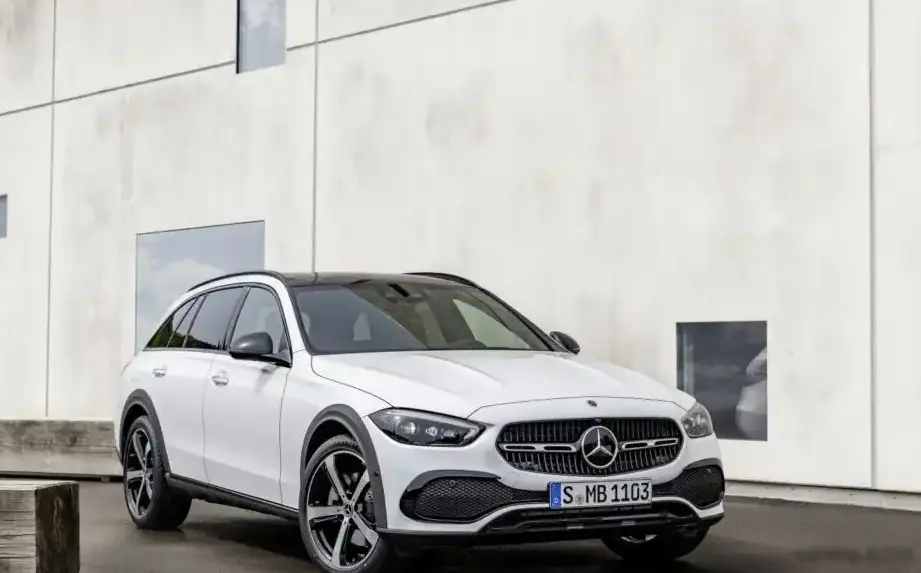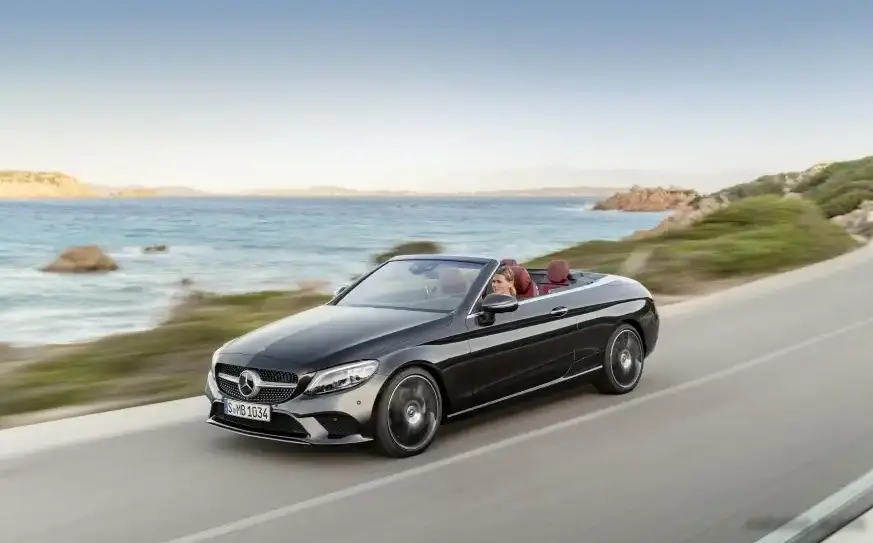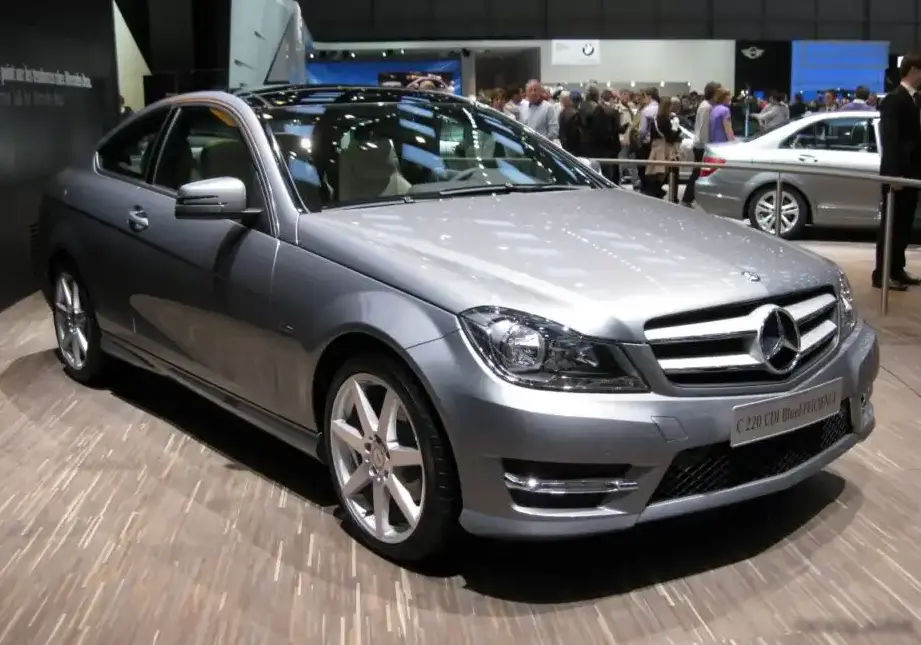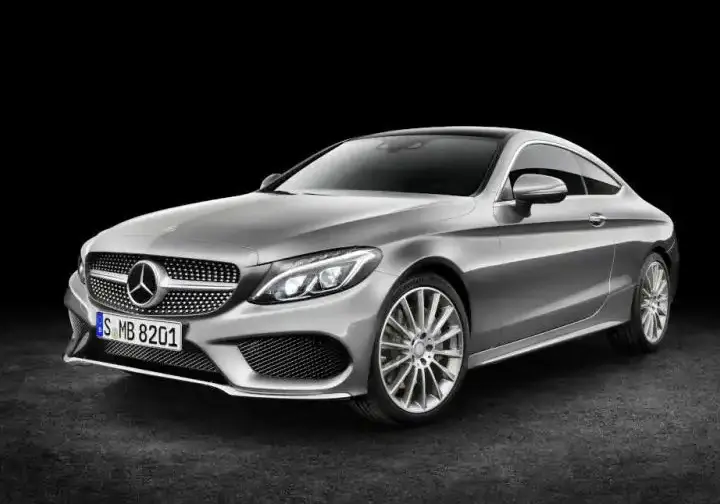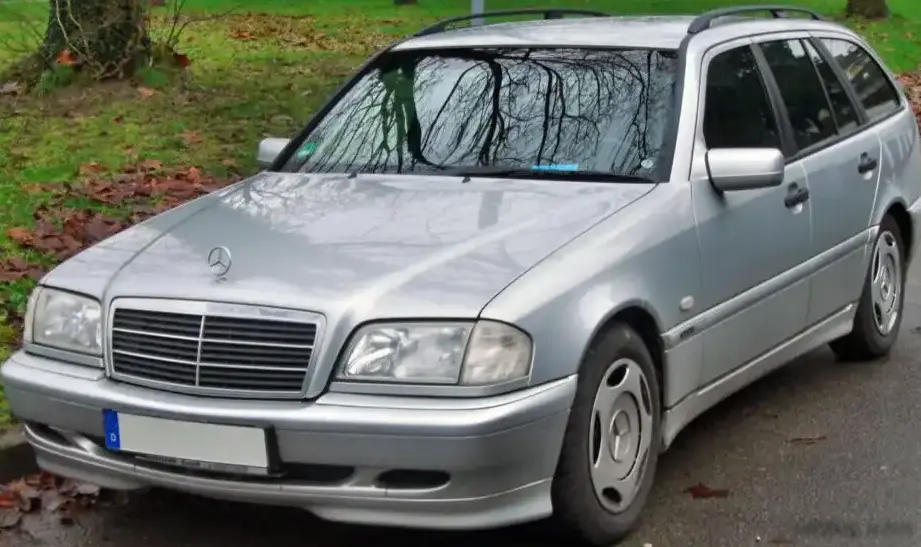
The Mercedes-Benz C 280 T-modell, part of the S202 series produced from November 1996 to June 2000, represented a compelling blend of practicality and performance within the C-Class range. This facelifted version of the second-generation C-Class estate (wagon) offered a more refined experience than its predecessor, boasting updated styling, improved safety features, and a selection of potent engines. The C 280, positioned as a mid-to-upper trim level, catered to buyers seeking a comfortable and capable family vehicle with a sporting edge. It occupied a space between the more economical four-cylinder models and the high-performance C 36 AMG.
Technical Specifications
| Brand | Mercedes-Benz |
| Model | C-class |
| Generation | C-class T-modell (S202, facelift 1997) |
| Type (Engine) | C 280 (197 Hp) |
| Start of production | November, 1996 |
| End of production | June, 2000 |
| Powertrain Architecture | Internal Combustion engine |
| Body type | Station wagon (estate) |
| Seats | 5 |
| Doors | 5 |
| Fuel consumption (urban) | 12.5 l/100 km (18.8 US mpg, 22.6 UK mpg, 8 km/l) |
| Fuel consumption (extra urban) | 6.9 l/100 km (34.1 US mpg, 40.9 UK mpg, 14.5 km/l) |
| Fuel Type | Petrol (Gasoline) |
| Acceleration 0 – 100 km/h | 8.5 sec |
| Acceleration 0 – 62 mph | 8.5 sec |
| Acceleration 0 – 60 mph | 8.1 sec |
| Maximum speed | 230 km/h (142.92 mph) |
| Emission standard | Euro 2 |
| Weight-to-power ratio | 7.5 kg/Hp, 133.1 Hp/tonne |
| Weight-to-torque ratio | 5.6 kg/Nm, 179.1 Nm/tonne |
| Power | 197 Hp @ 5800 rpm |
| Power per litre | 70.4 Hp/l |
| Torque | 265 Nm @ 3000-4800 rpm (195.45 lb.-ft. @ 3000-4800 rpm) |
| Engine layout | Front, Longitudinal |
| Engine Model/Code | M 112 E 28/112.920 |
| Engine displacement | 2799 cm3 (170.81 cu. in.) |
| Number of cylinders | 6 |
| Engine configuration | V-engine |
| Cylinder Bore | 89.9 mm (3.54 in.) |
| Piston Stroke | 73.5 mm (2.89 in.) |
| Compression ratio | 10:1 |
| Number of valves per cylinder | 3 |
| Fuel injection system | Multi-port manifold injection |
| Engine aspiration | Naturally aspirated engine |
| Valvetrain | SOHC |
| Engine oil capacity | 8 l (8.45 US qt | 7.04 UK qt) |
| Coolant | 9.5 l (10.04 US qt | 8.36 UK qt) |
| Kerb Weight | 1480 kg (3262.84 lbs.) |
| Max. weight | 1970 kg (4343.11 lbs.) |
| Max load | 490 kg (1080.27 lbs.) |
| Trunk (boot) space – minimum | 465 l (16.42 cu. ft.) |
| Trunk (boot) space – maximum | 1510 l (53.33 cu. ft.) |
| Fuel tank capacity | 62 l (16.38 US gal | 13.64 UK gal) |
| Length | 4516 mm (177.8 in.) |
| Width | 1723 mm (67.83 in.) |
| Height | 1460 mm (57.48 in.) |
| Wheelbase | 2690 mm (105.91 in.) |
| Front track | 1499 mm (59.02 in.) |
| Rear (Back) track | 1464 mm (57.64 in.) |
| Drivetrain Architecture | The Internal combustion engine (ICE) drives the rear wheels of the vehicle. |
| Drive wheel | Rear wheel drive |
| Number of gears and type of gearbox | 5 gears, manual transmission |
| Front suspension | Double wishbone |
| Rear suspension | Independent multi-link spring suspension with stabilizer |
| Front brakes | Ventilated discs |
| Rear brakes | Disc |
| Assisting systems | ABS (Anti-lock braking system) |
| Steering type | Cone worm with recirculation balls |
| Power steering | Hydraulic Steering |
| Tires size | 195/65 R15 |
| Wheel rims size | 6.5J x 15 |
Powertrain & Engine Architecture
The heart of the C 280 T-modell was the M112 E 28 engine, a 2.8-liter naturally aspirated V6. This engine, a significant departure from the inline-six engines previously used in the C-Class, was a key component of Mercedes-Benz’s new modular engine family. The M112 featured all-aluminum construction, a short-stroke design, and a single overhead camshaft (SOHC) per cylinder bank operating three valves per cylinder (two intake, one exhaust). Fuel delivery was handled by a multi-port fuel injection system, providing precise control over the air-fuel mixture. The engine produced 197 horsepower at 5800 rpm and 265 Nm (195 lb-ft) of torque between 3000 and 4800 rpm. The five-speed manual transmission was standard, offering a direct connection to the rear wheels. While an automatic transmission was available, the manual provided a more engaging driving experience and slightly improved fuel economy.
Driving Characteristics
The C 280 T-modell with the manual transmission offered a balanced driving experience. Acceleration to 60 mph took approximately 8.1 seconds, and it could reach a top speed of 143 mph. The V6 engine provided smooth and linear power delivery, making it well-suited for both city driving and highway cruising. The five-speed manual gearbox was precise and relatively light, although the shift linkage wasn’t as sporty as some competitors. Compared to the four-cylinder C 220, the C 280 offered significantly more power and refinement. However, it lacked the outright performance of the C 36 AMG. The rear-wheel-drive configuration provided a traditional driving feel, but could also lead to oversteer if pushed hard in wet conditions.
Equipment & Trim Levels
The C 280 T-modell came standard with a respectable level of equipment, including power windows, central locking, air conditioning, and an AM/FM radio. Upholstery was typically cloth, but leather was available as an option. Optional extras included a sunroof, heated seats, automatic climate control, and a premium sound system. The interior design was typical of Mercedes-Benz at the time – functional, well-built, and understated. The estate body style added to the practicality with a spacious cargo area that could be expanded by folding down the rear seats.
Chassis & Braking
The S202 C-Class utilized a double wishbone front suspension and an independent multi-link rear suspension, providing a comfortable ride and good handling characteristics. Stabilizer bars were fitted front and rear to reduce body roll. The C 280 T-modell came equipped with ventilated disc brakes at the front and solid discs at the rear. Anti-lock braking system (ABS) was standard, enhancing safety and control during emergency braking. The steering was a recirculating ball system with hydraulic power assistance, offering a good balance of feel and ease of use.
Market Reception & Comparison
The C 280 T-modell was generally well-received by automotive critics. It was praised for its refined engine, comfortable ride, and spacious interior. However, some critics noted that the handling wasn’t as sharp as some of its rivals, such as the BMW 3 Series Touring. Fuel economy was reasonable for a V6 engine of this era, but not exceptional. Compared to the C 220, the C 280 offered a significant performance upgrade, but at a higher price point. The C 280 proved to be a popular choice for buyers who wanted a practical and comfortable estate car with a touch of luxury.
Legacy
The M112 engine family proved to be remarkably reliable, and the C 280 T-modell is generally considered a durable and well-built vehicle. Today, these cars are becoming increasingly sought after by enthusiasts and collectors. Maintenance costs can be moderate, but regular servicing is essential to keep the engine and other components in good condition. The C 280 T-modell represents a high point in Mercedes-Benz estate car design, offering a compelling combination of practicality, performance, and refinement.