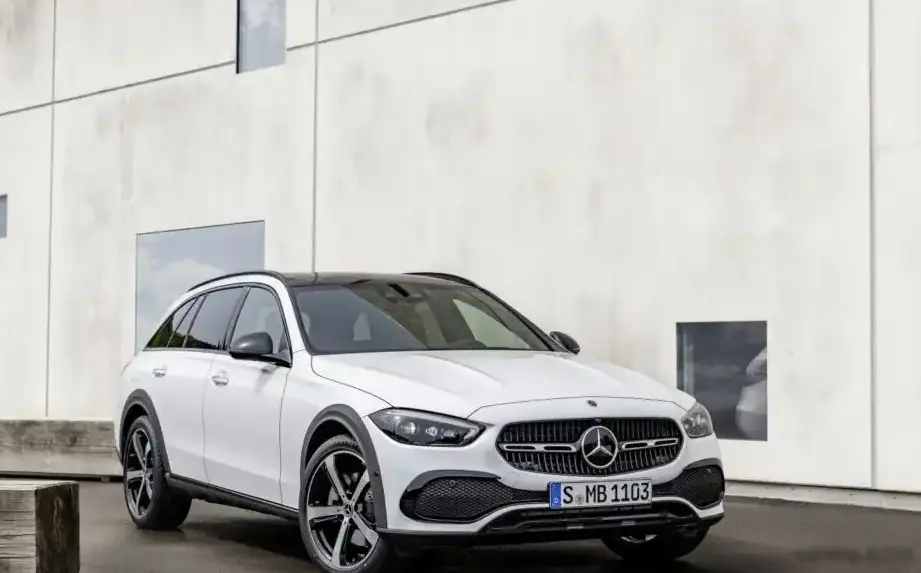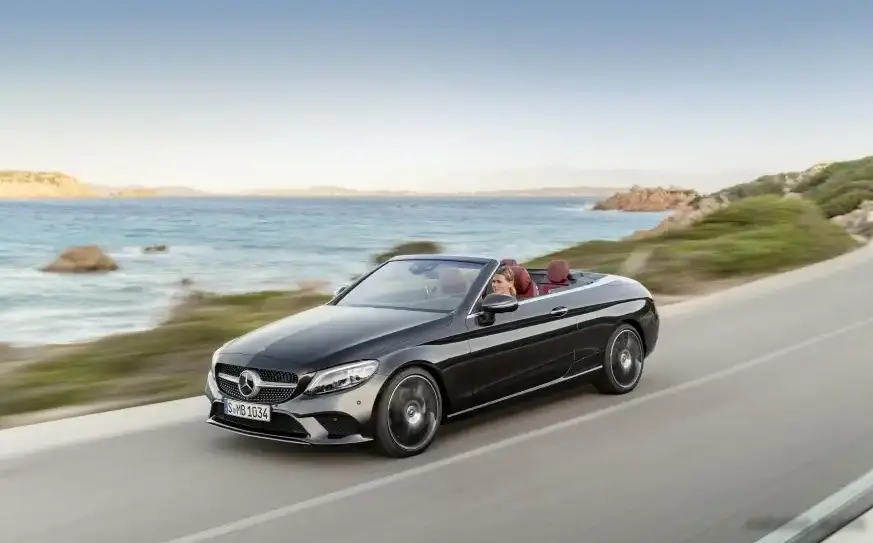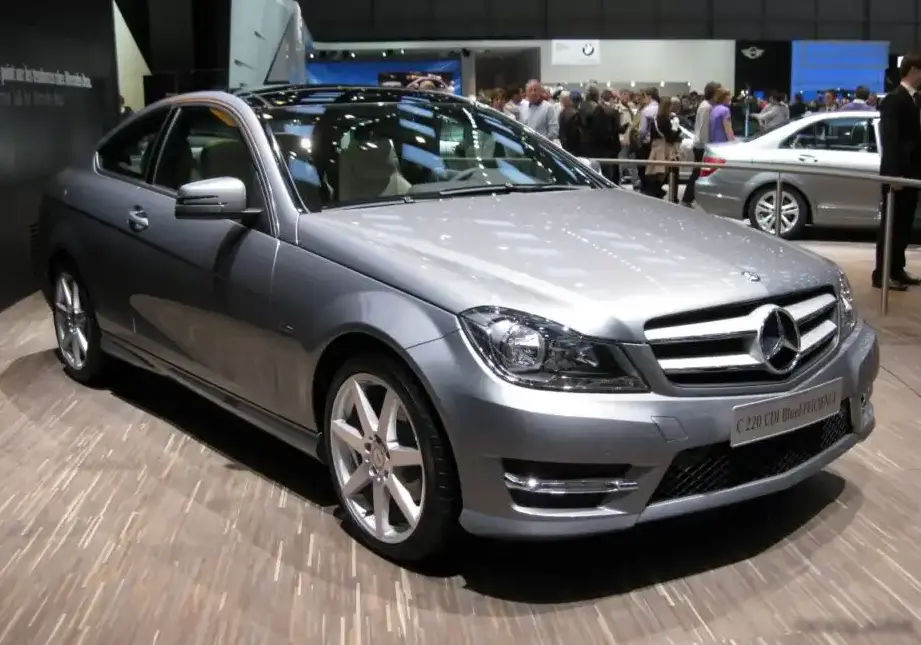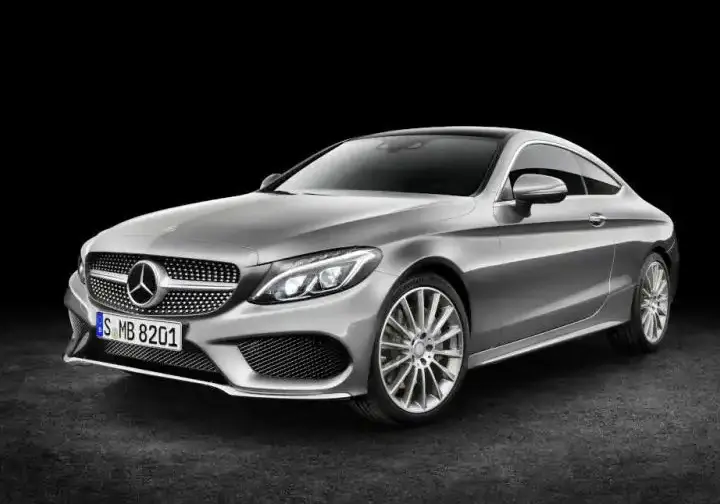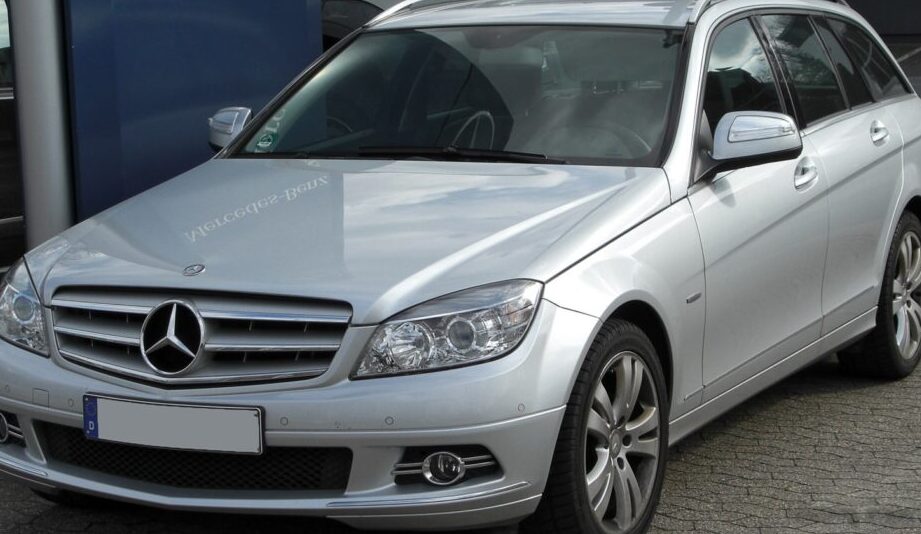
The Mercedes-Benz C-Class T-modell (S204) C 230 V6, produced from 2007 to 2009, represented a compelling blend of practicality and performance within the C-Class estate (wagon) range. Positioned as a mid-range offering, it slotted between the more economical four-cylinder variants and the higher-performance C 350 models. This variant was primarily aimed at buyers seeking a refined and spacious vehicle with a more potent engine than the base models, offering a comfortable driving experience for both daily commutes and longer journeys. The S204 generation C-Class T-modell, built on the W204 platform, aimed to improve upon its predecessor with enhanced build quality, more sophisticated technology, and a more modern interior.
Technical Specifications
| Brand | Mercedes-Benz |
| Model | C-Class |
| Generation | C-Class T-modell (S204) |
| Type (Engine) | C 230 V6 (204 Hp) |
| Start of production | 2007 |
| End of production | 2009 |
| Powertrain Architecture | Internal Combustion engine |
| Body type | Station wagon (estate) |
| Seats | 5 |
| Doors | 5 |
| Fuel consumption (urban) | 13.4-13.6 l/100 km (17.6 – 17.3 US mpg, 21.1 – 20.8 UK mpg, 7.5 – 7.4 km/l) |
| Fuel consumption (extra urban) | 6.9-7.1 l/100 km (34.1 – 33.1 US mpg, 40.9 – 39.8 UK mpg, 14.5 – 14.1 km/l) |
| Fuel consumption (combined) | 9.3-9.5 l/100 km (25.3 – 24.8 US mpg, 30.4 – 29.7 UK mpg, 10.8 – 10.5 km/l) |
| CO2 emissions | 221-226 g/km |
| Fuel Type | Petrol (Gasoline) |
| Acceleration 0 – 100 km/h | 8.6 sec |
| Acceleration 0 – 62 mph | 8.6 sec |
| Acceleration 0 – 60 mph | 8.2 sec |
| Maximum speed | 232 km/h (144.16 mph) |
| Emission standard | Euro 4 |
| Weight-to-power ratio | 7.4 kg/Hp, 135.1 Hp/tonne |
| Weight-to-torque ratio | 6.2 kg/Nm, 162.3 Nm/tonne |
| Power | 204 Hp @ 6100 rpm |
| Torque | 245 Nm @ 2900-5500 rpm (180.7 lb.-ft. @ 2900-5500 rpm) |
| Engine layout | Front, Longitudinal |
| Engine Model/Code | M 272.921 |
| Engine displacement | 2496 cm3 (152.32 cu. in.) |
| Number of cylinders | 6 |
| Engine configuration | V-engine |
| Cylinder Bore | 88 mm (3.46 in.) |
| Piston Stroke | 68.4 mm (2.69 in.) |
| Compression ratio | 11.4:1 |
| Number of valves per cylinder | 4 |
| Fuel injection system | Multi-port manifold injection |
| Engine aspiration | Naturally aspirated engine |
| Valvetrain | DOHC |
| Engine oil capacity | 8 l (8.45 US qt | 7.04 UK qt) |
| Kerb Weight | 1510 kg (3328.98 lbs.) |
| Max. weight | 2115 kg (4662.78 lbs.) |
| Max load | 605 kg (1333.8 lbs.) |
| Trunk (boot) space – minimum | 485 l (17.13 cu. ft.) |
| Trunk (boot) space – maximum | 1500 l (52.97 cu. ft.) |
| Fuel tank capacity | 66 l (17.44 US gal | 14.52 UK gal) |
| Permitted trailer load with brakes (12%) | 1800 kg (3968.32 lbs.) |
| Permitted trailer load without brakes | 750 kg (1653.47 lbs.) |
| Length | 4596 mm (180.94 in.) |
| Width | 1770 mm (69.69 in.) |
| Width including mirrors | 2020 mm (79.53 in.) |
| Height | 1459 mm (57.44 in.) |
| Wheelbase | 2760 mm (108.66 in.) |
| Front track | 1541 mm (60.67 in.) |
| Rear track | 1544 mm (60.79 in.) |
| Front overhang | 765 mm (30.12 in.) |
| Rear overhang | 1071 mm (42.17 in.) |
| Minimum turning circle | 10.84 m (35.56 ft.) |
| Drivetrain Architecture | Rear wheel drive |
| Drive wheel | Rear wheel drive |
| Number of gears | 6 gears, manual transmission |
| Front suspension | Independent type McPherson, Transverse stabilizer |
| Rear suspension | Independent multi-link suspension, Transverse stabilizer |
| Front brakes | Ventilated discs |
| Rear brakes | Disc |
| Assisting systems | ABS (Anti-lock braking system) |
| Steering type | Steering rack and pinion |
| Power steering | Hydraulic Steering |
| Tires size | 205/55 R16 |
| Wheel rims size | 7J x 16 |
Powertrain & Engine Architecture
The C 230 V6 was powered by the M272.921 engine, a 2.5-liter naturally aspirated V6. This engine, a cornerstone of Mercedes-Benz’s mid-size offerings at the time, featured a 60-degree V-angle and a double overhead camshaft (DOHC) valvetrain with four valves per cylinder. The engine utilized multi-port fuel injection, delivering fuel directly into the intake ports. The M272 engine family was known for its smooth operation and relatively high power output for its displacement. The 2496cc engine produced 204 horsepower at 6100 rpm and 245 Nm (180.7 lb-ft) of torque between 2900 and 5500 rpm. The engine’s longitudinal mounting and rear-wheel-drive configuration were typical for Mercedes-Benz models of this era. The transmission was a 6-speed manual, offering precise gear changes and a more engaging driving experience compared to the optional automatic.
Driving Characteristics
The C 230 V6 with the manual transmission offered a balanced driving experience. While not overtly sporty, the V6 engine provided ample power for confident overtaking and comfortable cruising. The 0-60 mph acceleration time of around 8.2 seconds was respectable for the period. The manual gearbox allowed for greater driver control, and the gear ratios were well-matched to the engine’s torque curve. Compared to the base four-cylinder models, the V6 offered significantly more refinement and a smoother power delivery. However, it didn’t possess the outright performance of the C 350, which featured a larger V6 engine. The rear-wheel-drive setup provided a balanced feel, although it could be less forgiving in slippery conditions compared to all-wheel-drive variants available on other C-Class models.
Equipment & Trim Levels
The C 230 V6 T-modell typically came equipped with a respectable level of standard features. These included automatic climate control, power windows and mirrors, a multi-function steering wheel, and an audio system. Interior upholstery was generally cloth, although leather options were available. Common optional extras included a sunroof, upgraded audio systems, navigation, and parking sensors. The dashboard layout was typical of Mercedes-Benz at the time, featuring a blend of analog gauges and a central display screen. Trim levels varied slightly depending on the market, but generally, the C 230 V6 offered a comfortable and well-appointed interior.
Chassis & Braking
The S204 C-Class T-modell featured an independent suspension system at all four wheels. The front suspension utilized McPherson struts with a transverse stabilizer bar, while the rear employed a multi-link setup, also with a stabilizer bar. This configuration provided a good balance between ride comfort and handling. Braking duties were handled by ventilated discs at the front and solid discs at the rear. Anti-lock Braking System (ABS) was standard. The chassis was designed to provide a stable and predictable driving experience, with a focus on comfort and refinement.
Market Reception & Comparison
The C 230 V6 T-modell was generally well-received by automotive critics. It was praised for its refined engine, comfortable ride, and spacious interior. However, some critics noted that the performance wasn’t as exhilarating as some of its rivals. Compared to the four-cylinder C-Class models, the V6 offered a significant improvement in performance and refinement, but at a higher price point. Fuel economy was reasonable for a V6 engine, but not class-leading. The C 230 V6 represented a good compromise between performance, practicality, and luxury.
Legacy
The M272 engine family, including the 2.5-liter V6 used in the C 230, has proven to be relatively reliable, although regular maintenance is crucial. Common issues include oil leaks and occasional problems with the balance shaft. Today, the S204 C-Class T-modell C 230 V6 can be found on the used car market at relatively affordable prices. It remains a popular choice for buyers seeking a practical and refined estate car with a touch of Mercedes-Benz luxury. Its combination of space, comfort, and reasonable performance continues to appeal to a wide range of drivers.