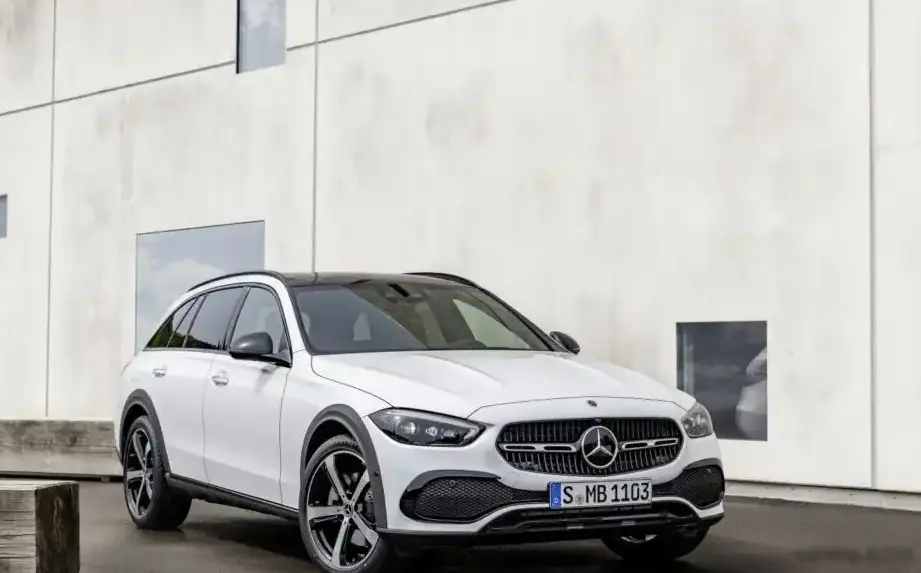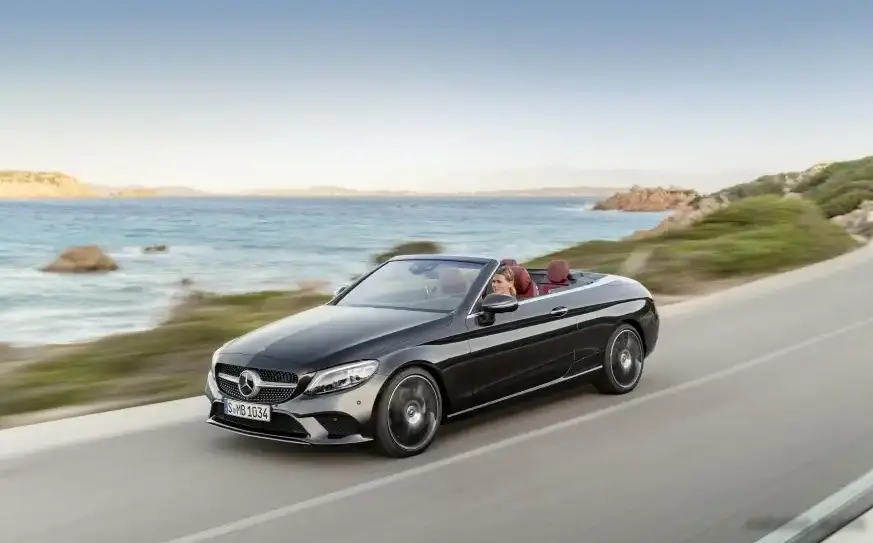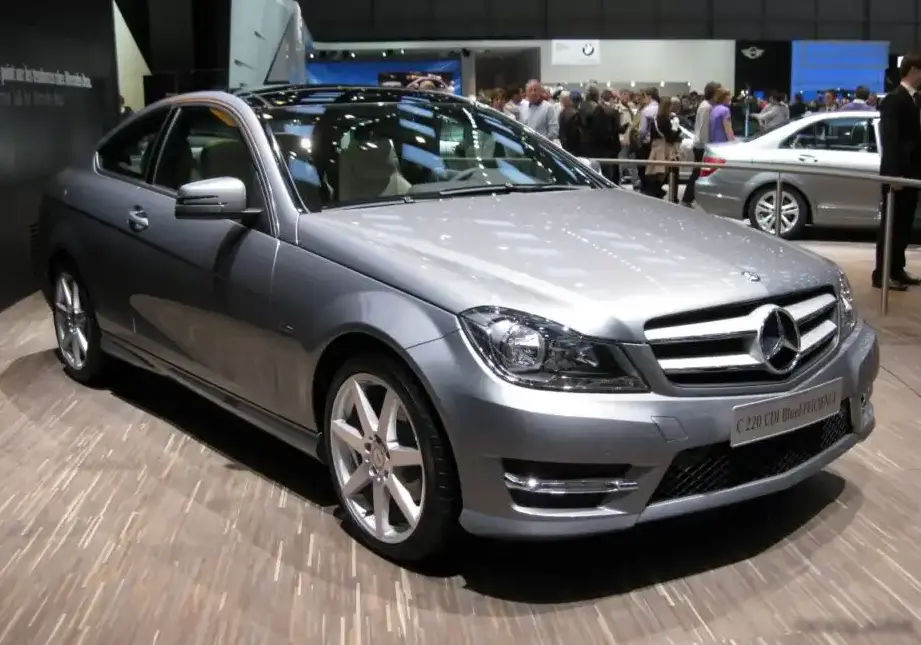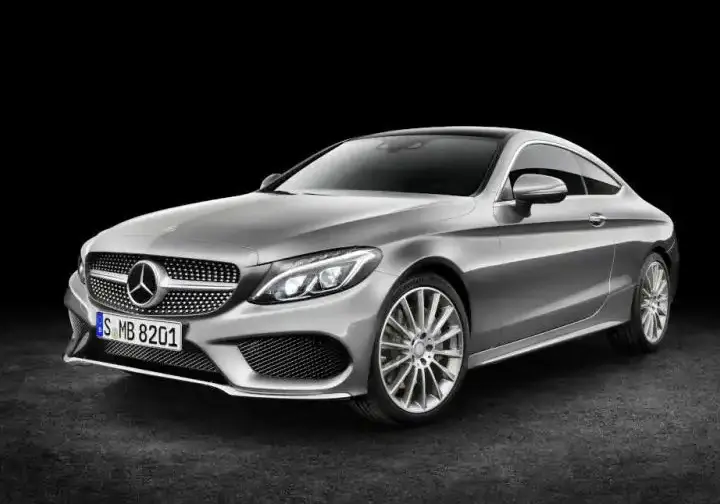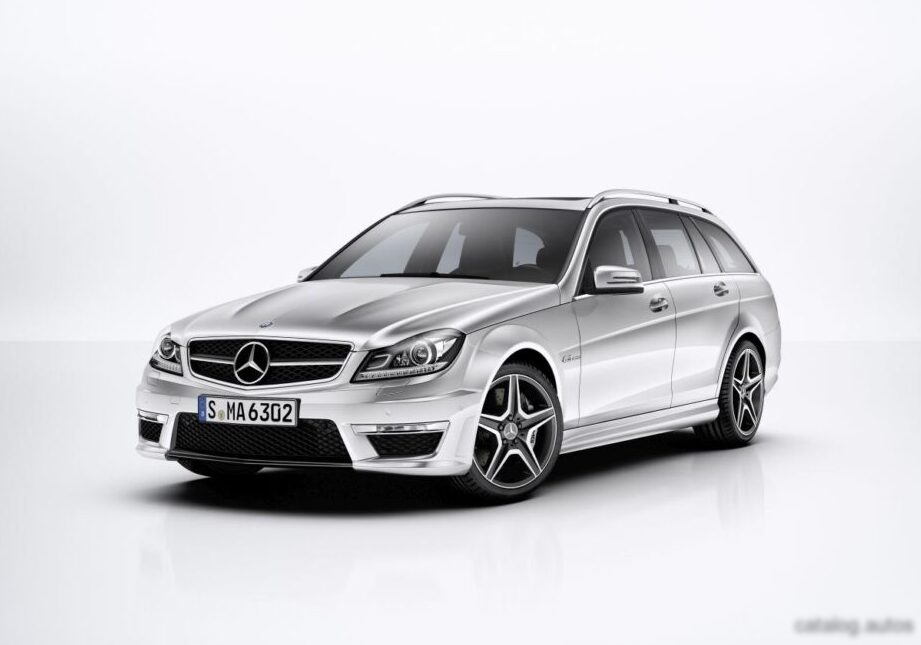
The Mercedes-Benz C-Class T-modell (S204) facelift, specifically the C 250 CDI BlueEFFICIENCY 4MATIC variant with the 7G-TRONIC PLUS automatic transmission, was produced from 2011 to 2014. This model represents a mid-cycle refresh of the second-generation C-Class estate (wagon), offering a blend of practicality, efficiency, and luxury within the premium compact segment. Positioned as a mid-range offering within the T-modell lineup, it catered to buyers seeking a balance between performance and fuel economy, coupled with the added security and capability of all-wheel drive. It was a key model for Mercedes-Benz in Europe, where the wagon body style remains highly popular, and saw limited sales in North America.
Technical Specifications
| Brand | Mercedes-Benz |
| Model | C-Class |
| Generation | C-Class T-modell (S204, facelift 2011) |
| Type | C 250 CDI BlueEFFICIENCY (204 Hp) 4MATIC 7G-TRONIC PLUS |
| Start of production | 2011 |
| End of production | 2014 |
| Powertrain Architecture | Internal Combustion engine |
| Body type | Station wagon (estate) |
| Seats | 5 |
| Doors | 5 |
| Fuel consumption (urban) | 6.7-6.9 l/100 km (35.1 – 34.1 US mpg, 42.2 – 40.9 UK mpg, 14.9 – 14.5 km/l) |
| Fuel consumption (extra urban) | 4.8-5.1 l/100 km (49 – 46.1 US mpg, 58.9 – 55.4 UK mpg, 20.8 – 19.6 km/l) |
| Fuel consumption (combined) | 5.5-5.8 l/100 km (42.8 – 40.6 US mpg, 51.4 – 48.7 UK mpg, 18.2 – 17.2 km/l) |
| CO2 emissions | 147-155 g/km |
| Fuel Type | Diesel |
| Acceleration 0 – 100 km/h | 7.4 sec |
| Acceleration 0 – 62 mph | 7.4 sec |
| Acceleration 0 – 60 mph | 7 sec |
| Maximum speed | 237 km/h (147.26 mph) |
| Emission standard | Euro 5 |
| Weight-to-power ratio | 8.1 kg/Hp, 122.9 Hp/tonne |
| Weight-to-torque ratio | 3.3 kg/Nm, 301.2 Nm/tonne |
| Power | 204 Hp @ 4200 rpm |
| Torque | 500 Nm @ 1600-1800 rpm (368.78 lb.-ft. @ 1600-1800 rpm) |
| Engine layout | Front, Longitudinal |
| Engine Model/Code | OM 651.912 |
| Engine displacement | 2143 cm3 (130.77 cu. in.) |
| Number of cylinders | 4 |
| Engine configuration | Inline |
| Cylinder Bore | 83 mm (3.27 in.) |
| Piston Stroke | 99 mm (3.9 in.) |
| Compression ratio | 16.2:1 |
| Number of valves per cylinder | 4 |
| Fuel injection system | Diesel Commonrail |
| Engine aspiration | Twin-Turbo, Intercooler |
| Valvetrain | DOHC |
| Engine oil capacity | 6.5 l (6.87 US qt | 5.72 UK qt) |
| Kerb Weight | 1660 kg (3659.67 lbs.) |
| Max. weight | 2275 kg (5015.52 lbs.) |
| Max load | 615 kg (1355.84 lbs.) |
| Trunk (boot) space – minimum | 485 l (17.13 cu. ft.) |
| Trunk (boot) space – maximum | 1500 l (52.97 cu. ft.) |
| Fuel tank capacity | 59 l (15.59 US gal | 12.98 UK gal) |
| Max. roof load | 100 kg (220.46 lbs.) |
| Permitted trailer load with brakes (12%) | 1800 kg (3968.32 lbs.) |
| Permitted trailer load without brakes | 750 kg (1653.47 lbs.) |
| Length | 4606 mm (181.34 in.) |
| Width | 1770 mm (69.69 in.) |
| Width including mirrors | 2008 mm (79.06 in.) |
| Height | 1459 mm (57.44 in.) |
| Wheelbase | 2760 mm (108.66 in.) |
| Front track | 1541 mm (60.67 in.) |
| Rear track | 1544 mm (60.79 in.) |
| Front overhang | 775 mm (30.51 in.) |
| Rear overhang | 1071 mm (42.17 in.) |
| Drag coefficient (Cd) | 0.29 |
| Minimum turning circle | 10.84 m (35.56 ft.) |
| Drivetrain Architecture | All wheel drive (4×4) |
| Number of gears | 7 |
| Gearbox type | Automatic transmission G-TRONIC PLUS |
| Front suspension | Independent type McPherson, Transverse stabilizer |
| Rear suspension | Independent multi-link suspension, Transverse stabilizer |
| Front brakes | Ventilated discs |
| Rear brakes | Ventilated discs |
Powertrain & Engine Architecture
The C 250 CDI BlueEFFICIENCY is powered by the OM 651.912, a 2.1-liter inline-four cylinder diesel engine. This engine is a hallmark of Mercedes-Benz’s diesel technology, featuring common-rail direct injection and a sophisticated twin-turbocharger setup. The twin-turbo system, consisting of a small turbo for immediate response and a larger turbo for peak power, contributes to the engine’s broad torque curve. The engine boasts a high compression ratio of 16.2:1, typical for diesel engines, and utilizes a double overhead camshaft (DOHC) valvetrain with four valves per cylinder. The 7G-TRONIC PLUS automatic transmission, a seven-speed unit, is known for its smooth shifting and efficiency. It features a torque converter lock-up clutch that engages in most driving situations to reduce slippage and improve fuel economy. The ‘BlueEFFICIENCY’ designation indicates the inclusion of fuel-saving technologies such as start-stop functionality and optimized aerodynamics.
Driving Characteristics
The C 250 CDI 4MATIC offers a comfortable and refined driving experience. The 500 Nm (368 lb-ft) of torque, available from a low 1600-1800 rpm, provides strong acceleration and effortless cruising. While not a sports-oriented variant, the 7.4-second 0-62 mph (0-100 km/h) acceleration is respectable. The 7G-TRONIC PLUS transmission is well-matched to the engine, providing smooth and timely gear changes. Compared to the more powerful C 300 or C 350 models, the C 250 CDI prioritizes fuel efficiency and torque over outright horsepower. The 4MATIC all-wheel-drive system enhances traction and stability, particularly in adverse weather conditions. The automatic transmission’s gear ratios are tuned for a balance between acceleration and fuel economy, with taller gears for highway cruising.
Equipment & Trim Levels
The C 250 CDI BlueEFFICIENCY 4MATIC typically came standard with features such as automatic climate control, a multi-function steering wheel, power windows and mirrors, and a basic audio system. Upholstery was generally a combination of fabric and Artico (Mercedes’ synthetic leather). Optional extras included leather upholstery, a premium sound system, navigation system, sunroof, and various driver assistance systems like parking sensors and lane keeping assist. Trim levels varied slightly by market, but generally offered packages that bundled popular options together. The interior design followed the classic Mercedes-Benz aesthetic, emphasizing quality materials and a functional layout.
Chassis & Braking
The S204 C-Class T-modell features an independent suspension system at all four wheels. The front suspension utilizes McPherson struts with a transverse stabilizer, while the rear employs a multi-link setup, also with a stabilizer bar. This configuration provides a good balance between ride comfort and handling. Braking duties are handled by ventilated discs on all four wheels, providing ample stopping power. The C 250 CDI 4MATIC benefits from the added stability provided by the all-wheel-drive system during braking. Steering is rack and pinion with hydraulic power assistance.
Market Reception & Comparison
The C 250 CDI BlueEFFICIENCY 4MATIC was generally well-received by automotive critics for its fuel efficiency, comfortable ride, and practical wagon body style. It was often praised for its strong torque delivery and the added security of all-wheel drive. Compared to the petrol-powered C 250, the CDI offered significantly better fuel economy. Against competitors like the BMW 3 Series Touring and Audi A4 Avant, the C-Class T-modell was seen as a strong contender, offering a more luxurious interior and a more comfortable ride. However, some critics noted that the C-Class’s handling wasn’t as sporty as its rivals.
Legacy
The OM 651 engine family, including the OM 651.912 found in the C 250 CDI, has proven to be remarkably durable and reliable. With proper maintenance, these engines can accumulate high mileage without major issues. The 7G-TRONIC PLUS transmission is also generally considered reliable, although regular fluid changes are essential. On the used car market, the C 250 CDI BlueEFFICIENCY 4MATIC remains a popular choice for buyers seeking a practical, efficient, and well-equipped estate car. Its combination of fuel economy, space, and all-weather capability continues to make it a compelling option, even years after production ended. However, potential buyers should be aware of the potential for diesel particulate filter (DPF) issues, particularly on vehicles that have primarily been used for short trips.