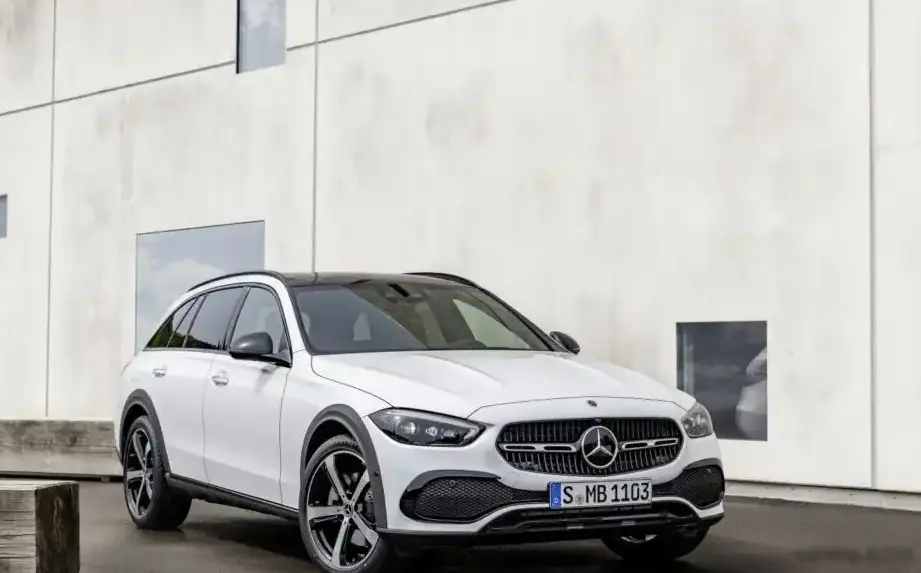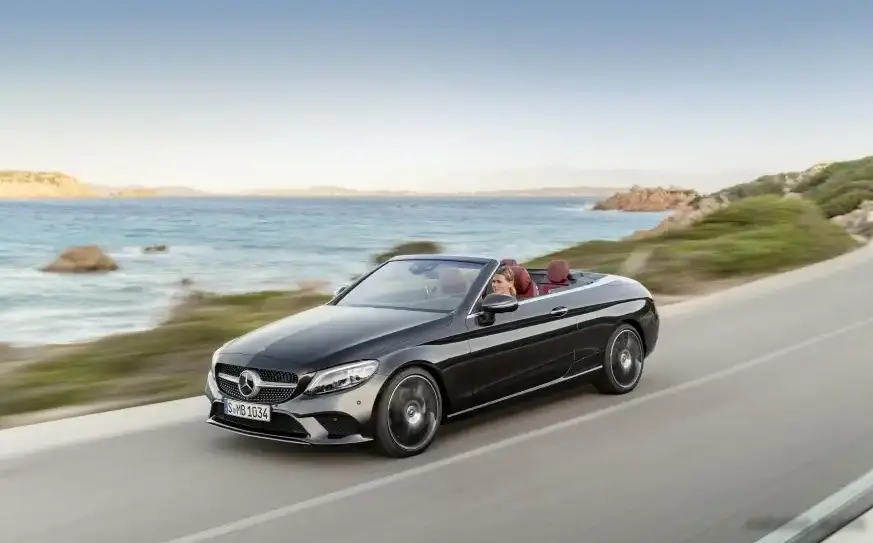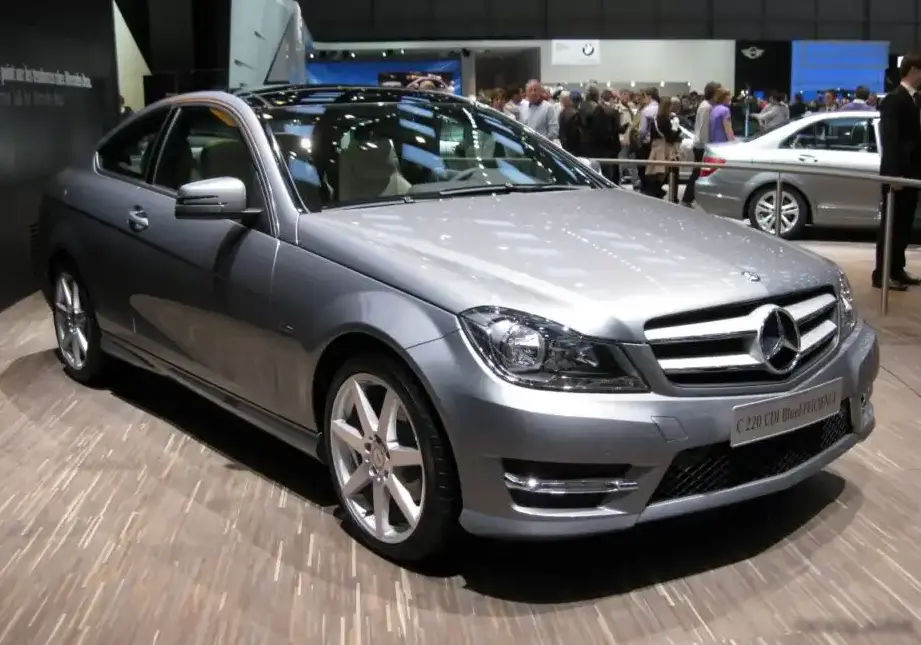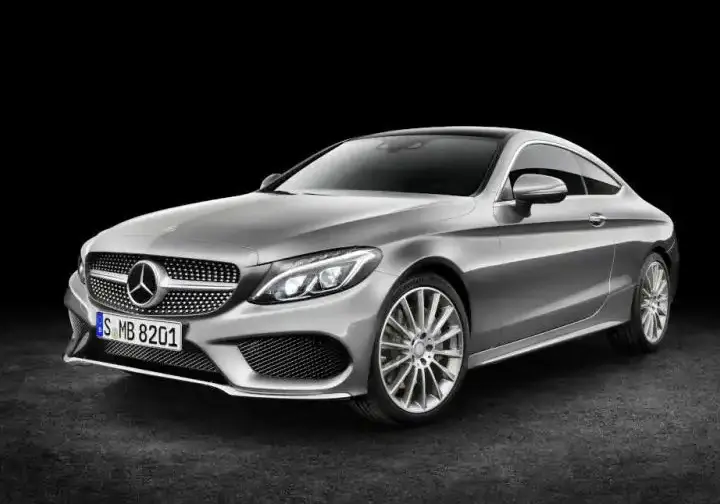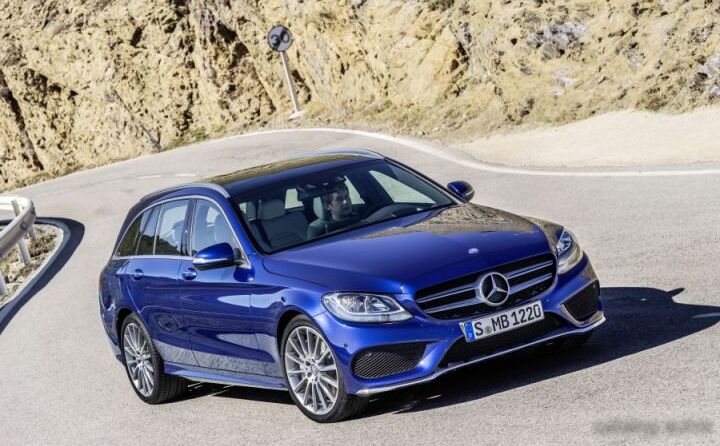
The Mercedes-Benz C-Class T-modell (S205) C 200, producing 184 horsepower, was a key variant within the fourth generation of the C-Class estate, produced from 2014 to April 2018. Positioned as a mid-range offering, it aimed to balance performance, fuel efficiency, and practicality for buyers seeking a premium wagon. This model represented Mercedes-Benz’s attempt to capture a larger share of the European market, where wagons remain highly popular, while also offering a compelling alternative to traditional sedans in North America. The S205 generation marked a significant step forward in terms of interior quality, technology, and driving dynamics compared to its predecessor, the W204.
Technical Specifications
| Brand | Mercedes-Benz |
| Model | C-class |
| Generation | C-class T-modell (S205) |
| Type (Engine) | C 200 (184 Hp) |
| Start of production | 2014 |
| End of production | April, 2018 |
| Powertrain Architecture | Internal Combustion engine |
| Body type | Station wagon (estate) |
| Seats | 5 |
| Doors | 5 |
| Fuel consumption (urban) | 7.2-7.0 l/100 km (32.7 – 33.6 US mpg) |
| Fuel consumption (extra urban) | 5.0-4.6 l/100 km (47 – 51.1 US mpg) |
| Fuel consumption (combined) | 5.8-5.5 l/100 km (40.6 – 42.8 US mpg) |
| CO2 emissions | 135-128 g/km |
| Fuel Type | Petrol (Gasoline) |
| Acceleration 0 – 100 km/h | 7.7 sec |
| Acceleration 0 – 62 mph | 7.7 sec |
| Acceleration 0 – 60 mph | 7.3 sec |
| Maximum speed | 235 km/h (146.02 mph) |
| Emission standard | Euro 6 |
| Weight-to-power ratio | 7.7 kg/Hp, 129.6 Hp/tonne |
| Weight-to-torque ratio | 4.7 kg/Nm, 211.3 Nm/tonne |
| Power | 184 Hp @ 5500 rpm |
| Torque | 300 Nm @ 1200-4000 rpm (221.27 lb.-ft. @ 1200-4000 rpm) |
| Engine layout | Front, Longitudinal |
| Engine Model/Code | M 274.920 |
| Engine displacement | 1991 cm3 (121.5 cu. in.) |
| Number of cylinders | 4 |
| Engine configuration | Inline |
| Compression ratio | 9.8:1 |
| Number of valves per cylinder | 4 |
| Fuel injection system | Direct injection |
| Engine aspiration | Turbocharger, Intercooler |
| Engine oil capacity | 7 l (7.4 US qt | 6.16 UK qt) |
| Kerb Weight | 1420 kg (3130.56 lbs.) |
| Max. weight | 2070 kg (4563.57 lbs.) |
| Max load | 650 kg (1433 lbs.) |
| Trunk (boot) space – minimum | 490 l (17.3 cu. ft.) |
| Trunk (boot) space – maximum | 1510 l (53.33 cu. ft.) |
| Fuel tank capacity | 41 l (10.83 US gal | 9.02 UK gal) |
| Length | 4702 mm (185.12 in.) |
| Width | 1810 mm (71.26 in.) |
| Height | 1457 mm (57.36 in.) |
| Wheelbase | 2840 mm (111.81 in.) |
| Front track | 1584 mm (62.36 in.) |
| Rear track | 1566 mm (61.65 in.) |
| Minimum turning circle | 11.22 m (36.81 ft.) |
| Drivetrain Architecture | Rear wheel drive |
| Number of gears | 6 gears, manual transmission |
| Front suspension | Independent multi-link suspension |
| Rear suspension | Independent multi-link suspension |
| Front brakes | Ventilated discs |
| Rear brakes | Disc |
| Assisting systems | ABS (Anti-lock braking system) |
| Steering type | Steering rack and pinion |
| Tires size | 205/60 R16 |
| Wheel rims size | 16 |
Powertrain & Engine Architecture
The C 200 T-modell utilized Mercedes-Benz’s M274.920 2.0-liter inline-four cylinder engine. This engine is a key member of the modular M274 family, known for its efficiency and relatively compact size. It features direct fuel injection, a single turbocharger with an intercooler, and four valves per cylinder. The engine’s aluminum block and head contribute to weight reduction. The turbocharger provides boost across a broad RPM range, delivering peak torque of 300 Nm (221 lb-ft) from 1200 to 4000 rpm. This broad torque curve, combined with the 184 hp output at 5500 rpm, provides a good balance of responsiveness and fuel economy. The engine was typically paired with a 6-speed manual transmission, although a 7-speed automatic (7G-TRONIC) was a popular option. The automatic transmission offered smoother shifts and enhanced convenience, but at a slight cost to fuel efficiency.
Driving Characteristics
The C 200 T-modell with the manual transmission offered a reasonably engaging driving experience. Acceleration from 0 to 60 mph took approximately 7.3 seconds, while the 0-100 km/h sprint was completed in 7.7 seconds. While not a sports car, the engine provided sufficient power for everyday driving and overtaking maneuvers. The broad torque band meant that the engine felt responsive even at lower RPMs, reducing the need for frequent downshifts. The automatic transmission version, while slightly slower in acceleration, provided a more relaxed driving experience, particularly in urban traffic. Compared to the C 300 models with their larger engines, the C 200 felt less powerful, but it also offered better fuel economy and a more manageable driving experience for those prioritizing comfort and efficiency. The suspension, tuned for comfort, provided a smooth ride, although it wasn’t as sporty as the suspension found on the AMG-tuned models.
Equipment & Trim Levels
The C 200 T-modell typically came standard with features such as automatic climate control, a multi-function steering wheel, power windows and mirrors, and an infotainment system with a central display screen. Upholstery was typically cloth, but leather options were available. Optional extras included a sunroof, navigation system, premium sound system, parking sensors, and advanced driver-assistance systems like lane keeping assist and blind spot monitoring. Trim levels varied by market, but generally, the C 200 offered a good level of standard equipment, with options allowing buyers to customize the vehicle to their preferences. The interior design emphasized a modern and luxurious aesthetic, with high-quality materials and a focus on ergonomics.
Chassis & Braking
The S205 C-Class T-modell utilized an independent multi-link suspension system at both the front and rear axles. This suspension design provided a good balance of ride comfort and handling precision. The front suspension featured ventilated disc brakes, while the rear brakes were typically solid discs. Anti-lock braking system (ABS) was standard, along with electronic brakeforce distribution (EBD). The chassis was designed to be rigid, contributing to improved handling and stability. Stabilizer bars were fitted to both the front and rear axles to reduce body roll during cornering. The C 200, being a mid-range model, typically had slightly smaller wheels and tires compared to the higher-performance variants, which affected grip levels.
Market Reception & Comparison
The C 200 T-modell was generally well-received by automotive critics. It was praised for its comfortable ride, spacious interior, and fuel efficiency. However, some critics noted that the engine could feel strained when fully loaded or driving uphill. Compared to the C 300 models, the C 200 offered a more affordable entry point into the C-Class range, but at the expense of performance. In terms of fuel economy, the C 200 outperformed the more powerful engines, achieving combined fuel consumption figures of around 5.5 to 5.8 liters per 100 kilometers (40.6 to 42.8 US mpg). Reliability was generally good, although some owners reported minor issues with the infotainment system and electrical components.
Legacy
The M274 engine family, including the 2.0-liter unit found in the C 200, has proven to be relatively reliable over the long term, provided that regular maintenance is performed. The S205 C-Class T-modell remains a popular choice in the used car market, particularly for buyers seeking a practical and stylish estate car. The C 200 variant offers a good balance of affordability, fuel efficiency, and comfort, making it a compelling option for families and individuals alike. While not as sought-after as the higher-performance AMG models, the C 200 T-modell represents a well-rounded and capable vehicle that continues to provide years of reliable service.